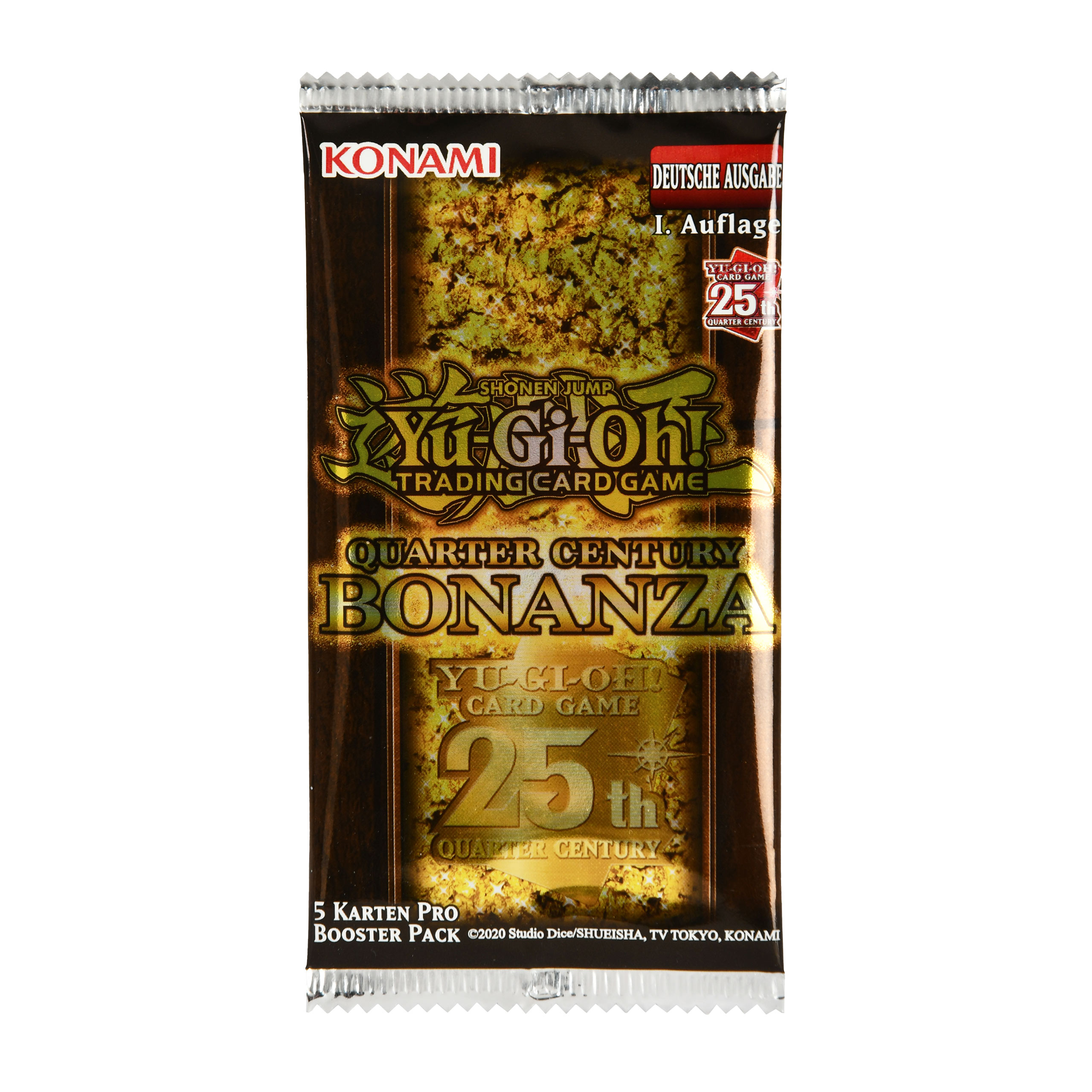
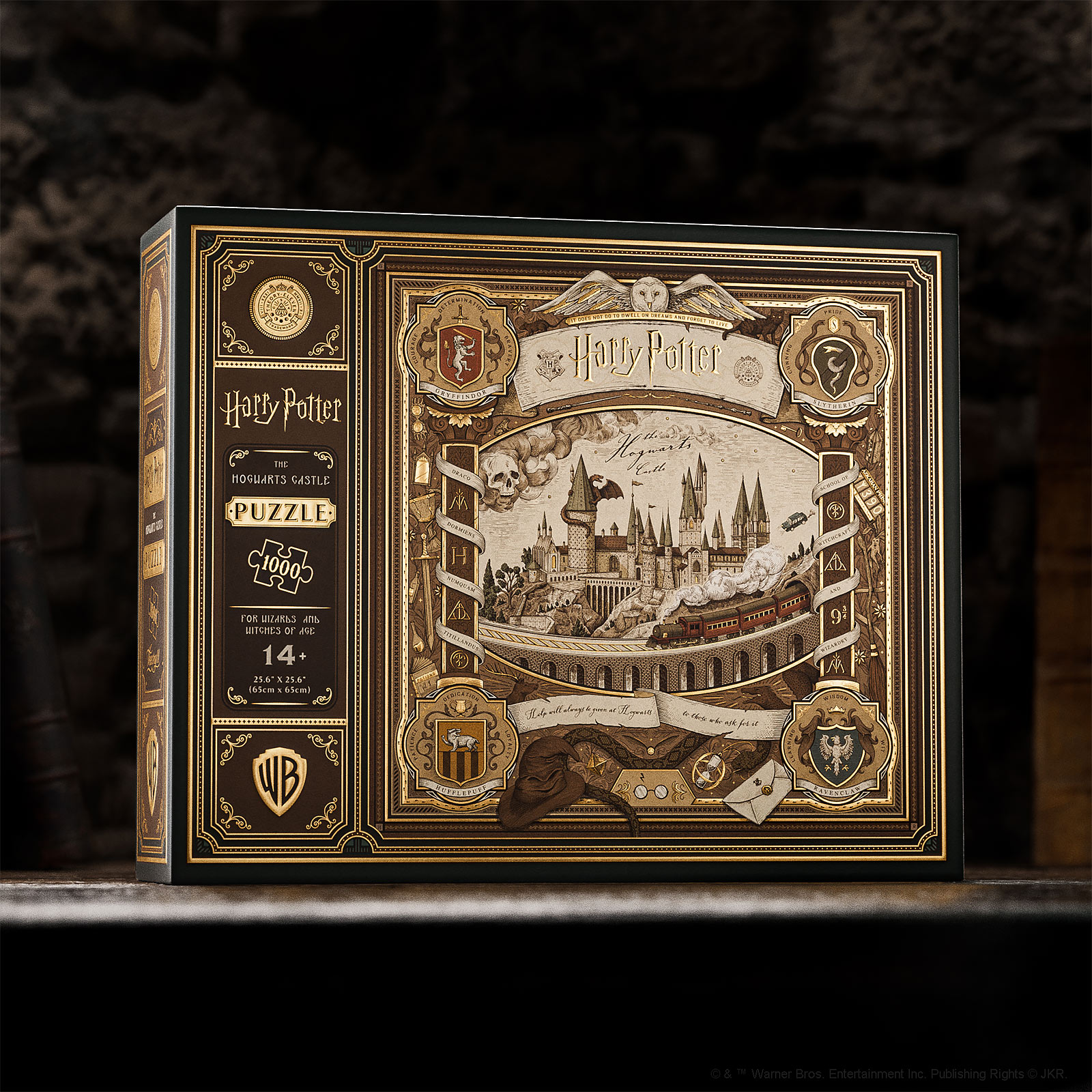
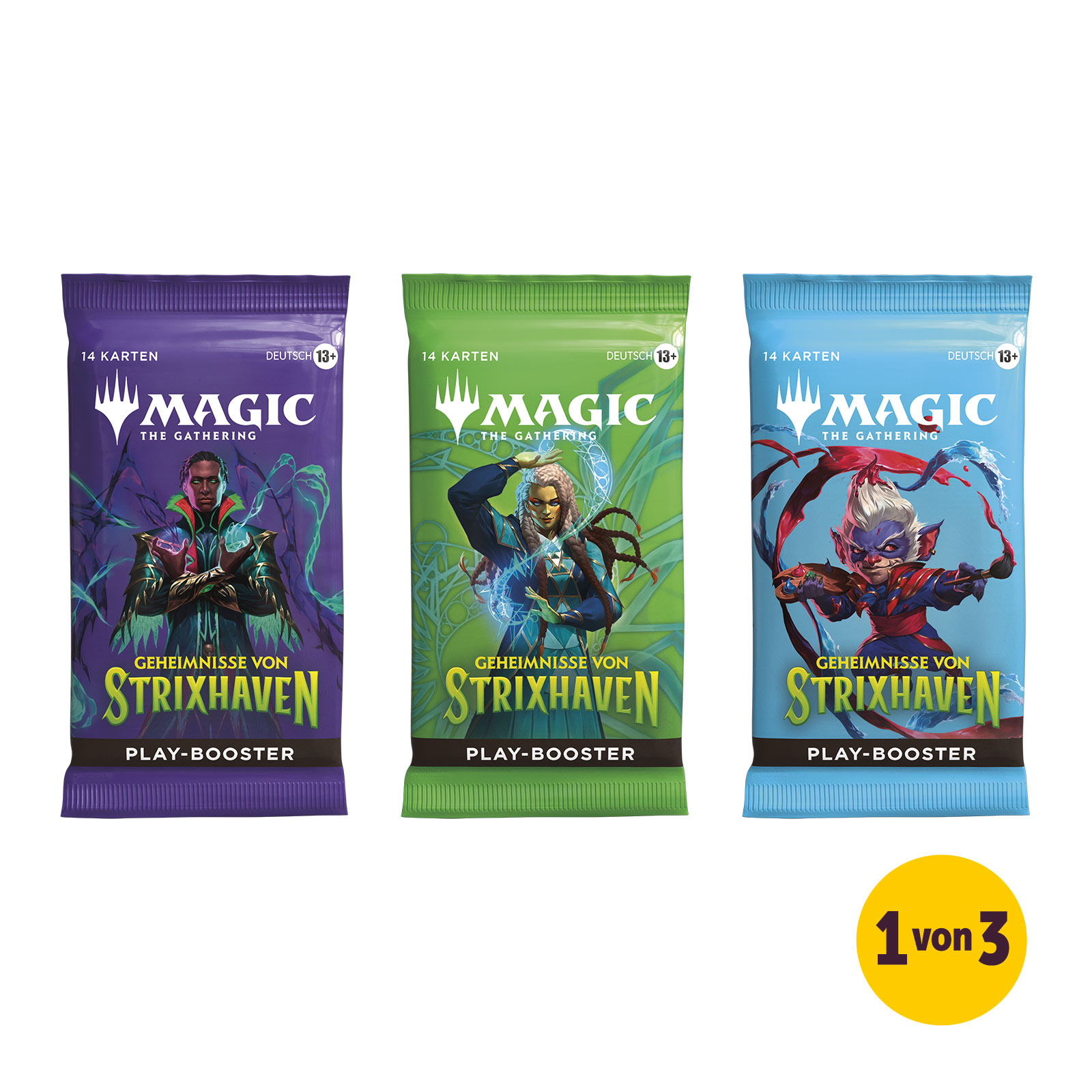
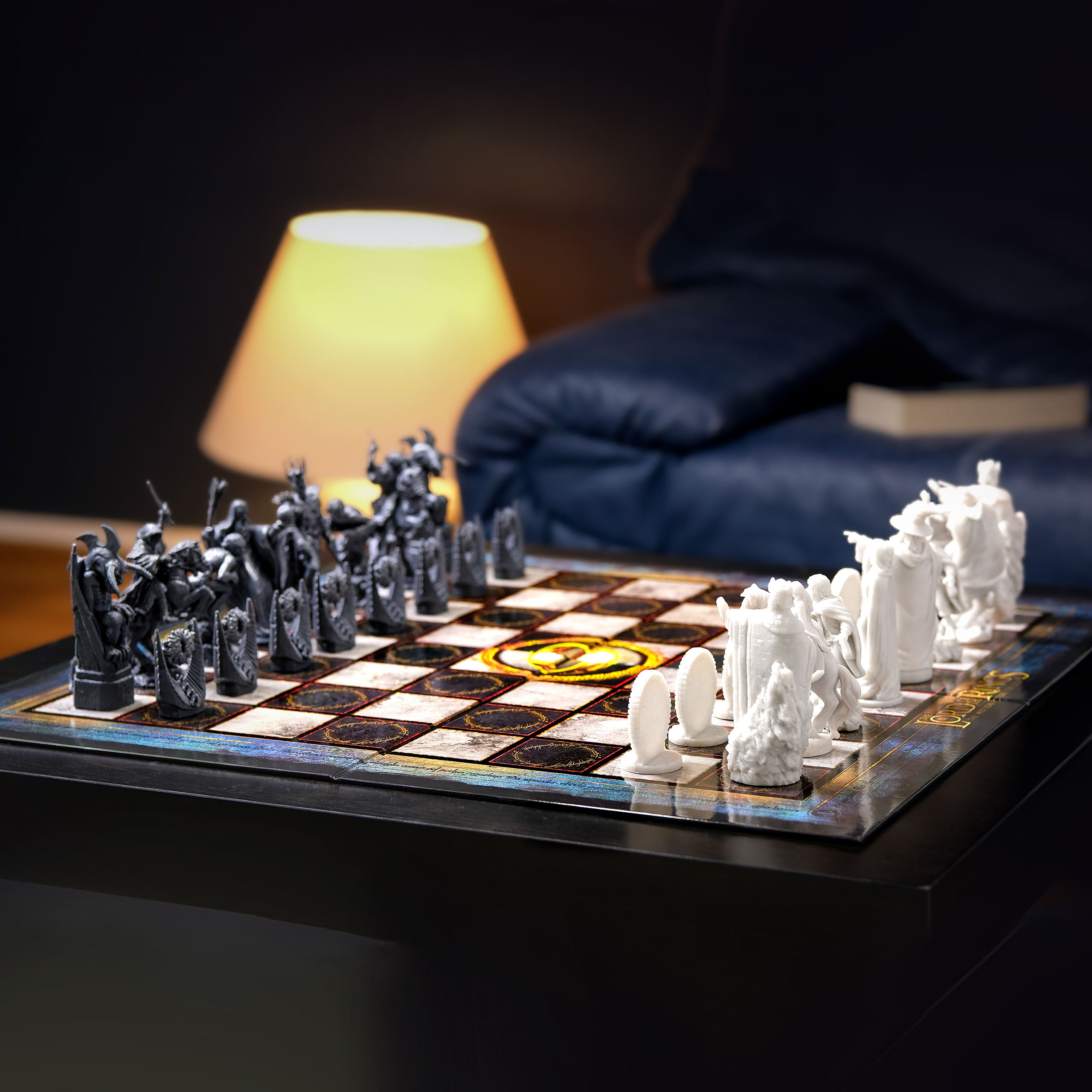
TCG & Games – Where Fandoms Meet the Tabletop
Some of the best franchise experiences never require a power outlet. TCG & Games collects everything that happens around a table: competitive card battles, collaborative storytelling, brain-teasing puzzles, and the occasional fictional feast you can actually cook. The common thread? Hands-on engagement with the worlds you love — no loading screens, no lag, just you, the game, and whoever you've convinced to join.
What defines TCG & Games?
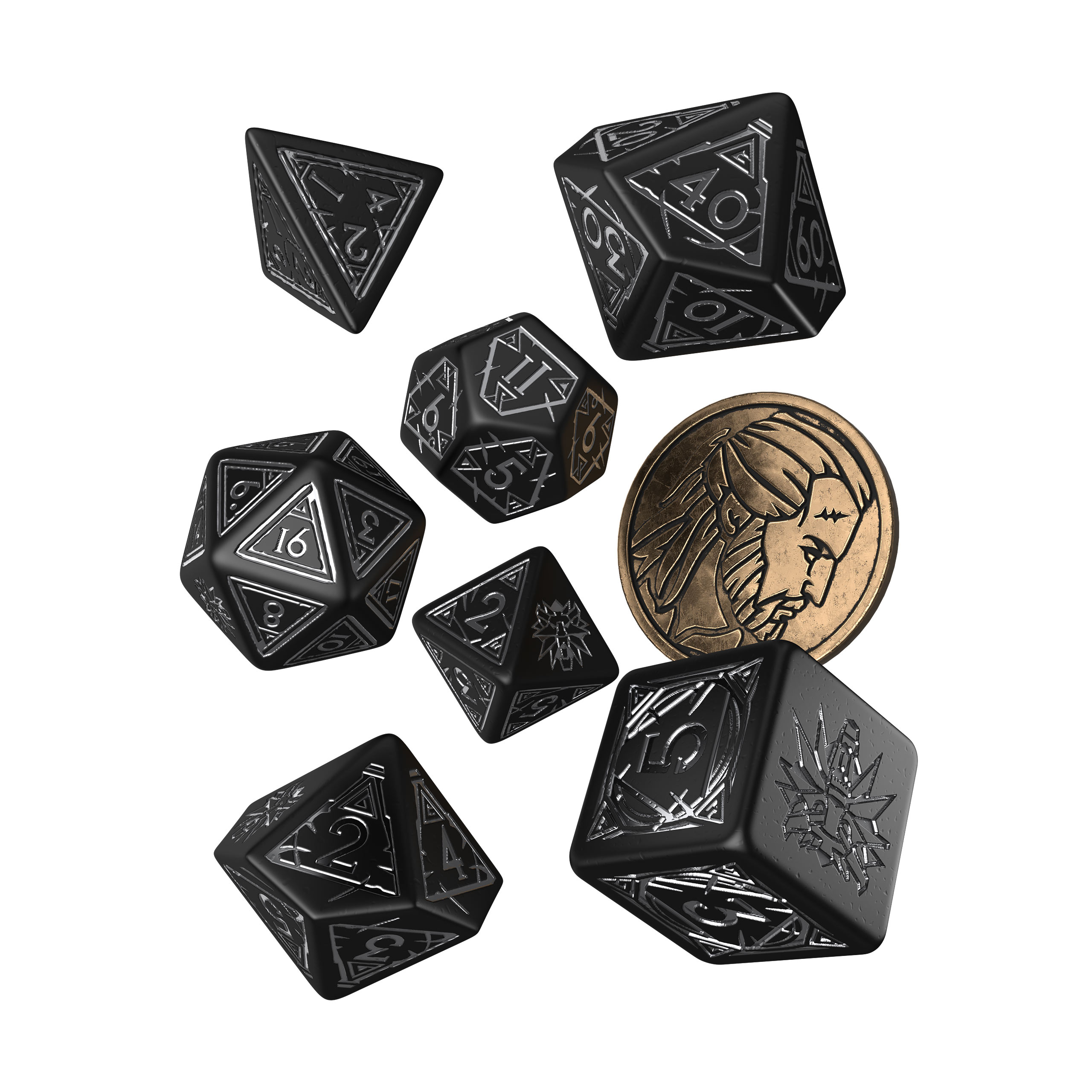
TCG stands for Trading Card Game, a genre where players collect, trade, and build decks from illustrated cards with unique abilities. Games in this context extends to tabletop formats: board games with defined rules and components, pen & paper role-playing games driven by dice and imagination, puzzles, chess variants, and related analogue entertainment. The category also includes supporting literature — rulebooks, lore companions, cookbooks, and novels that expand on gaming universes. What unites these products is physical, tactile play: shuffling cards, moving pieces, rolling dice, or fitting puzzle tiles together.
Frequently asked questions
What is the difference between trading cards and card games?
Trading cards are collectible items valued for their artwork, rarity, or connection to a franchise — you display or trade them. Card games use cards as gameplay components with rules for competition or cooperation. Some products blur the line, but the core distinction is collectability versus playability.
Do I need a group for pen & paper games?
Traditional pen & paper role-playing requires at least two people — one game master and one player — though most campaigns work best with three to five players. Solo-friendly systems and modules do exist for those who prefer independent play.
Are the puzzles suitable as gifts?
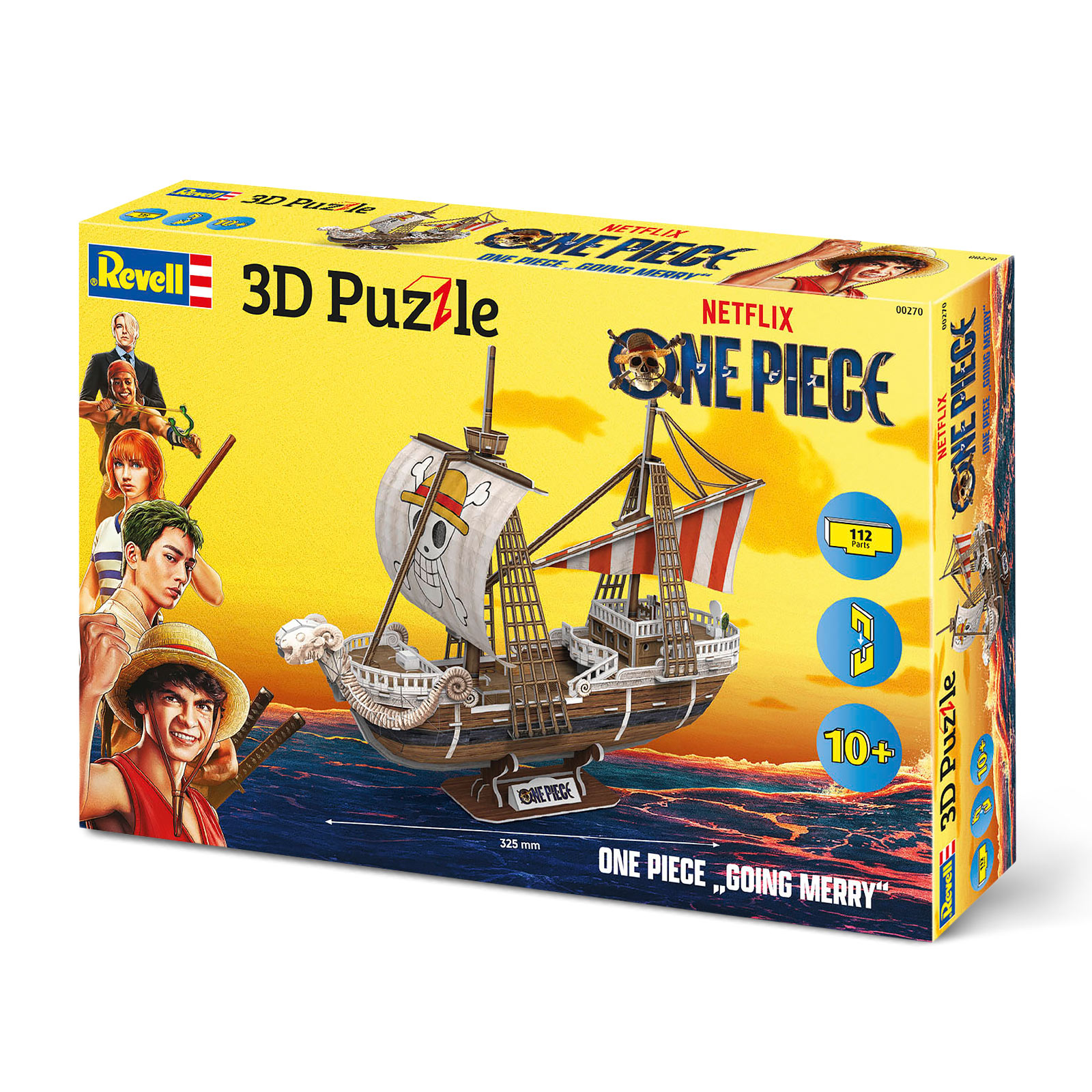
Puzzles make reliable gifts because they require no prior knowledge of rules or gameplay. The recipient only needs appreciation for the artwork and patience for the piece count. Completed puzzles can also be framed as display pieces.
What skill level do the board games assume?
Complexity varies widely. Some board games are designed as introductory party games with minimal rules, while others assume familiarity with strategy mechanics and longer play sessions. Product descriptions typically indicate playtime and complexity.
Assortment overview
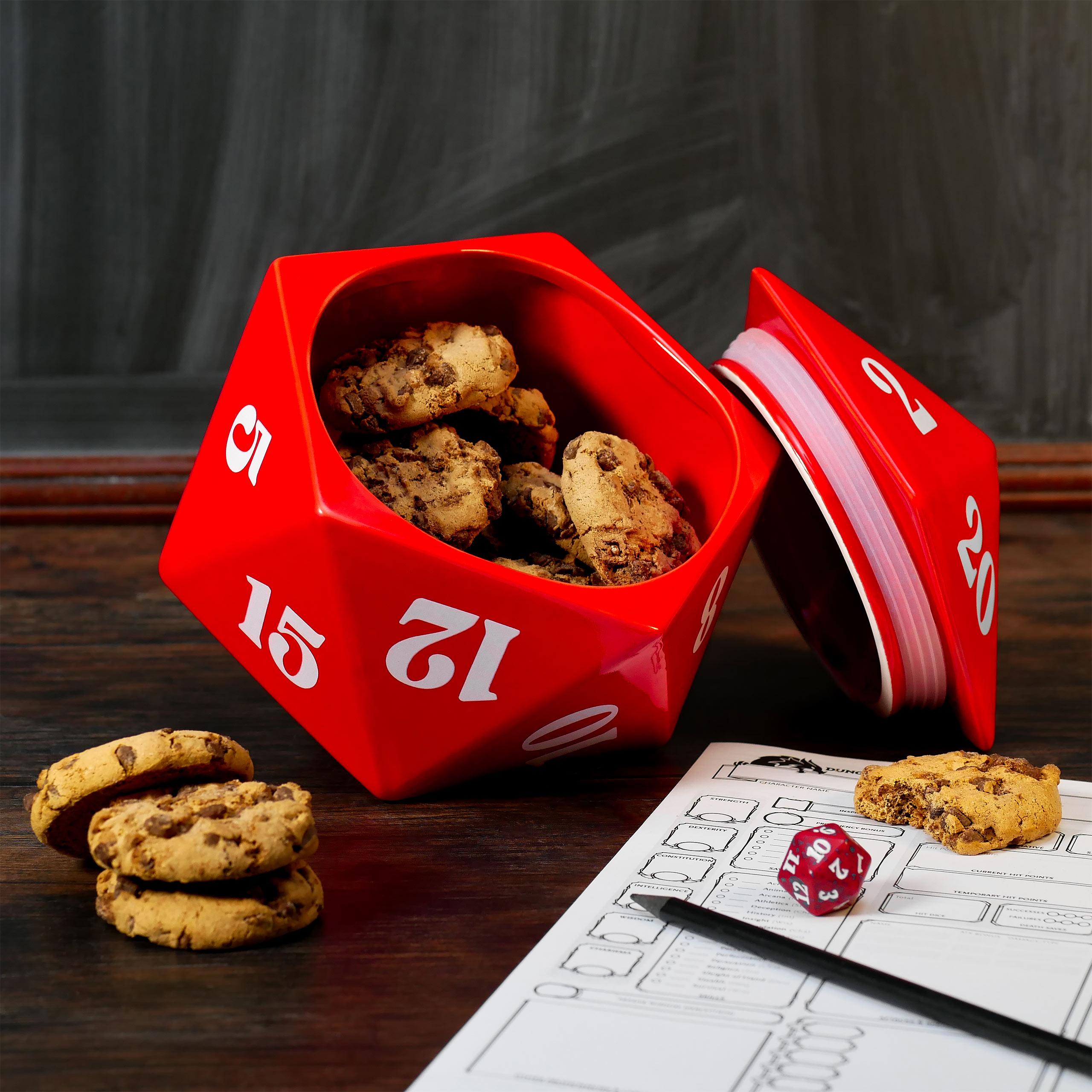
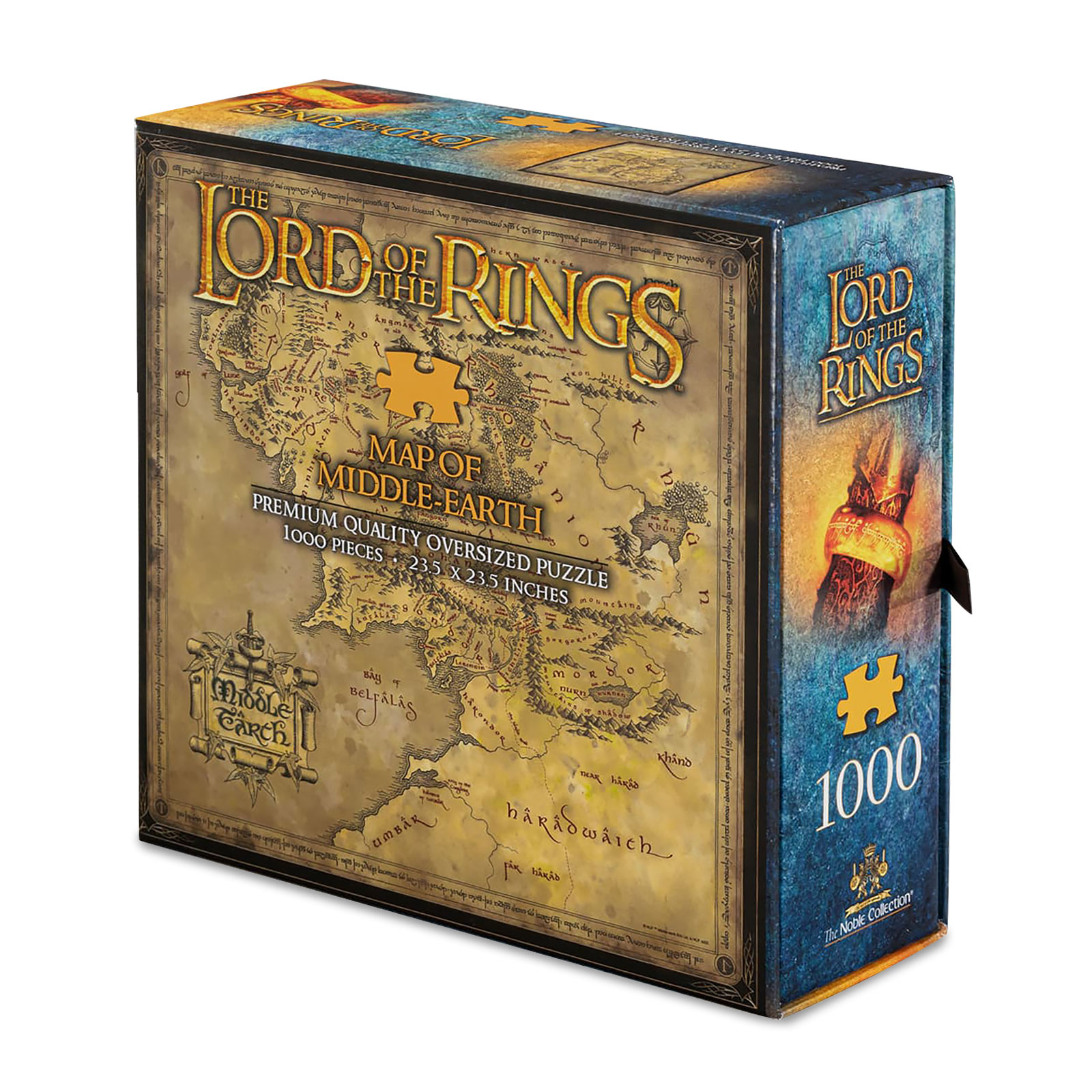
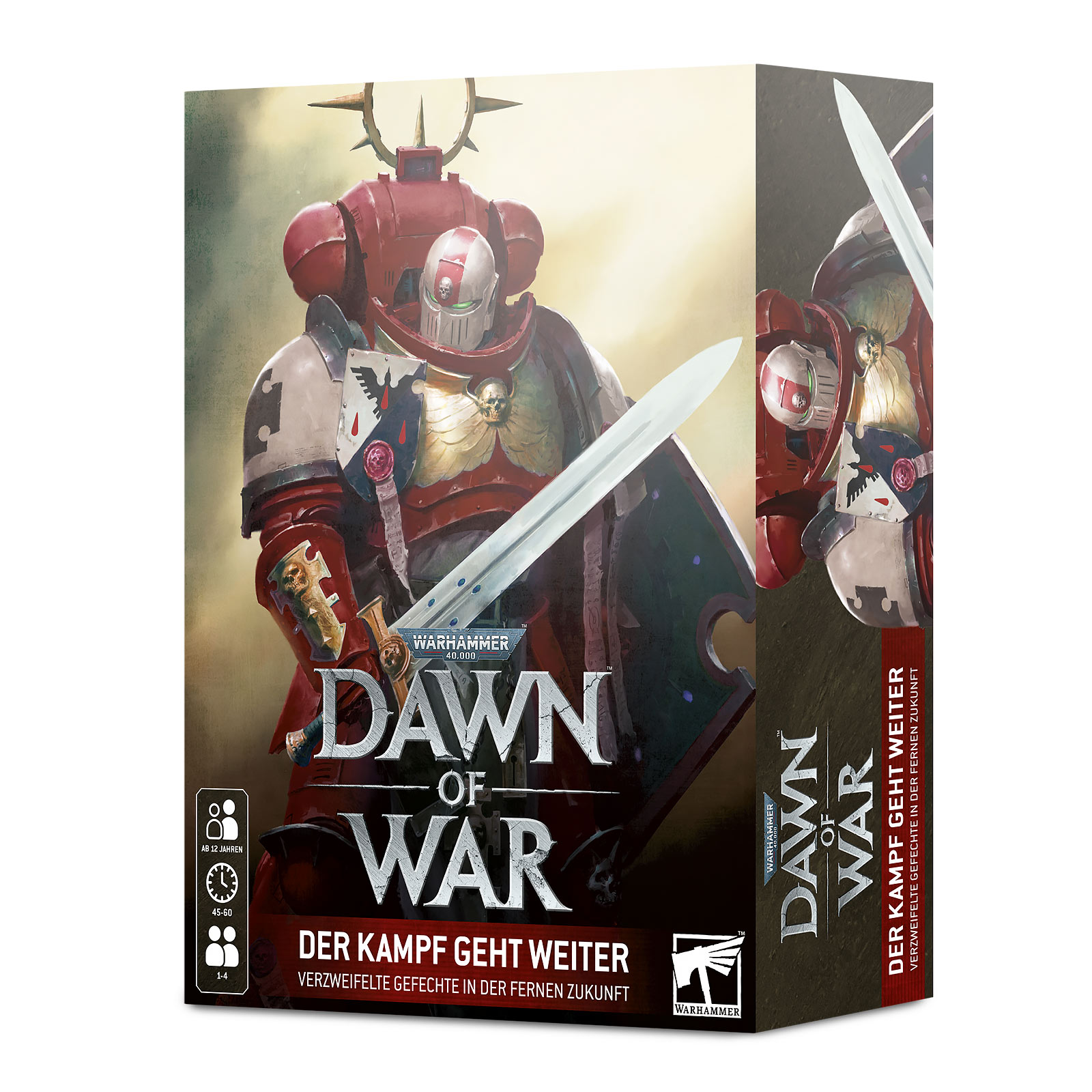
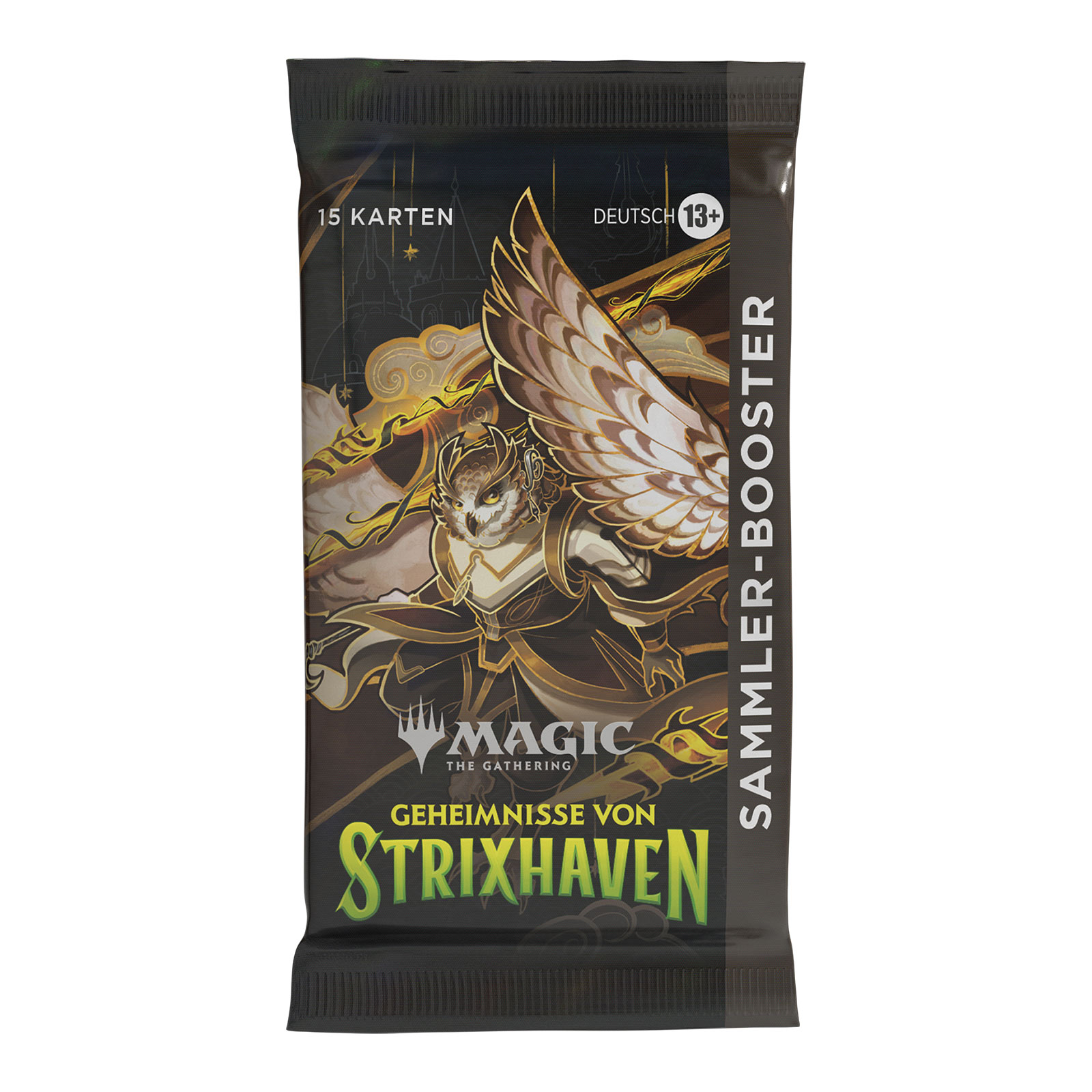
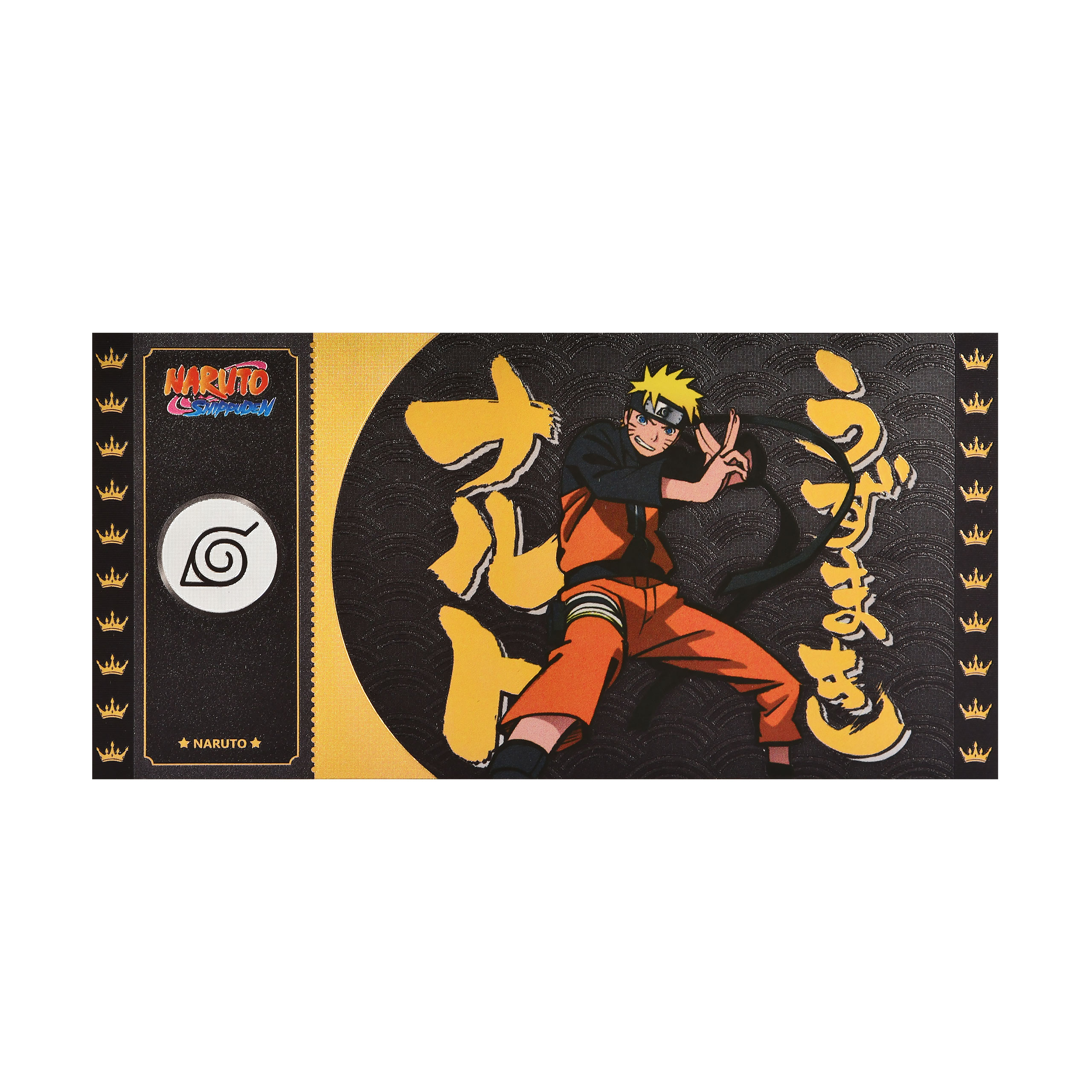
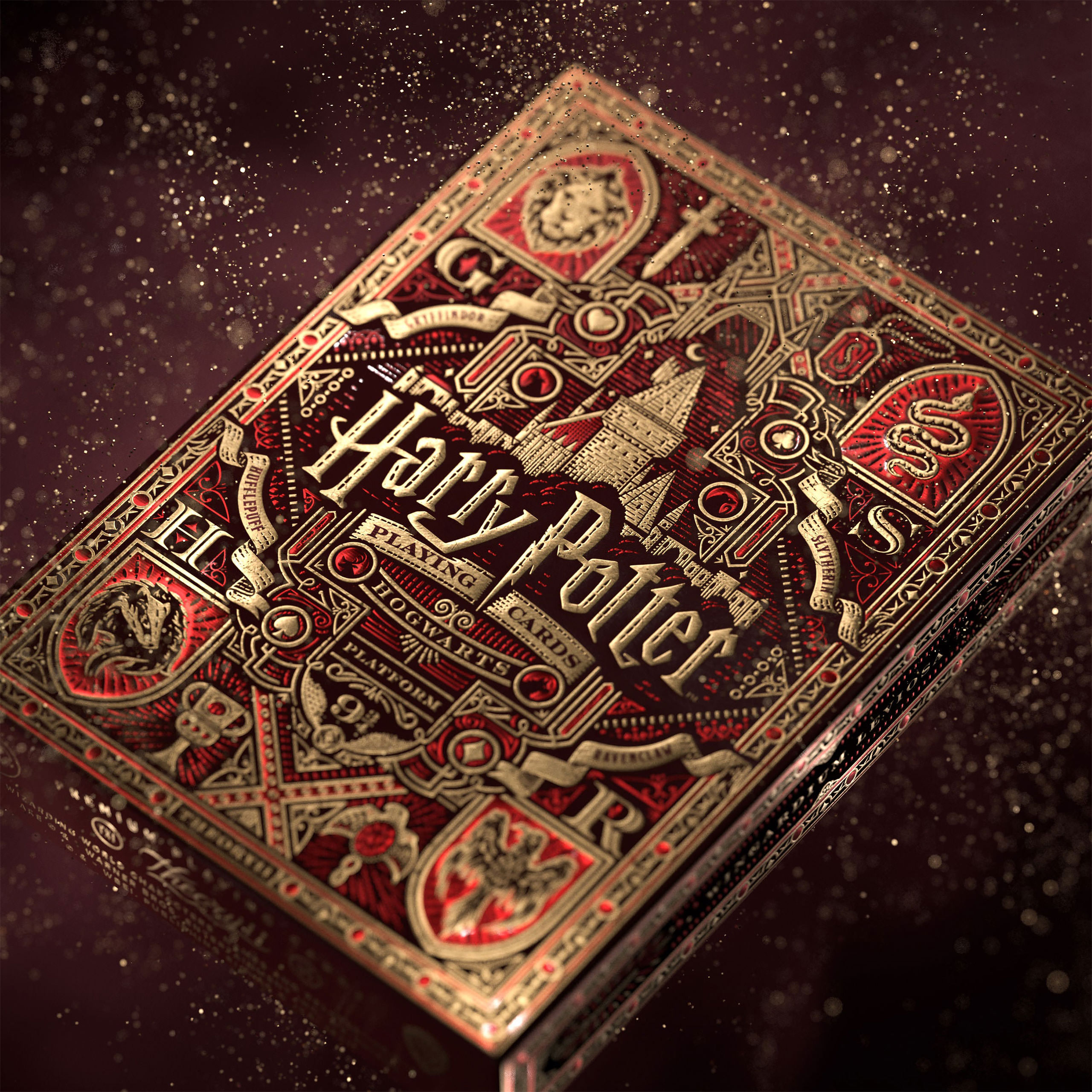
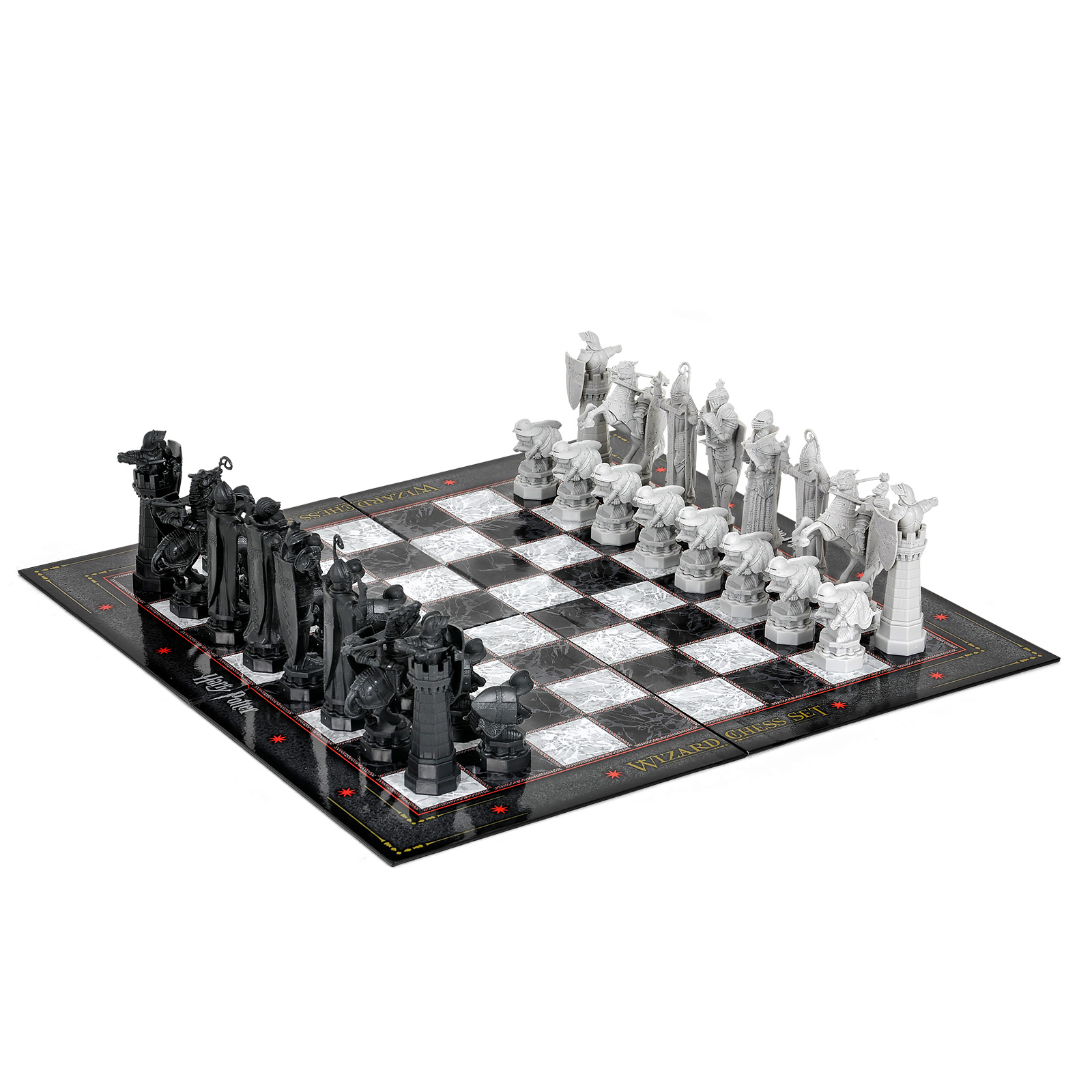
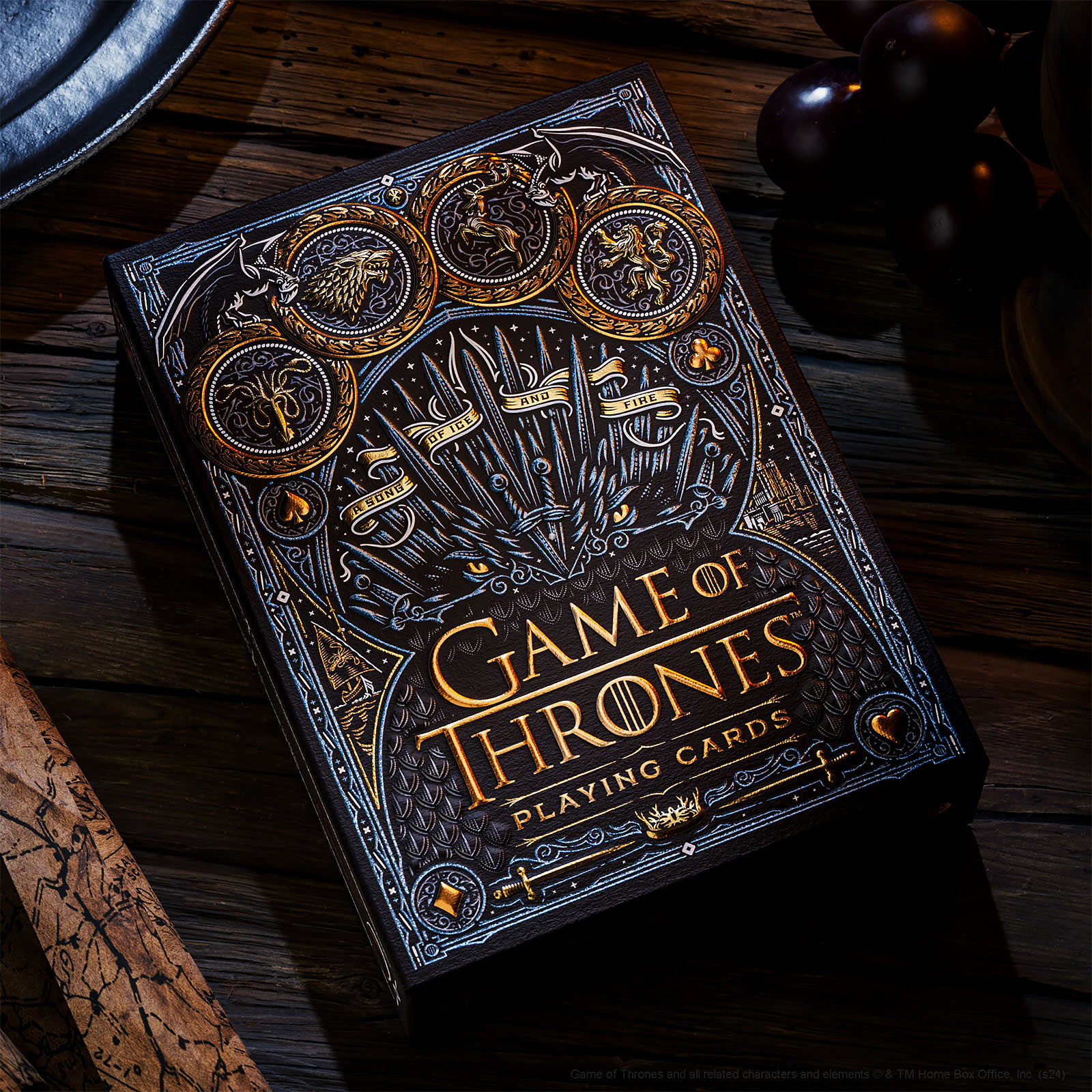
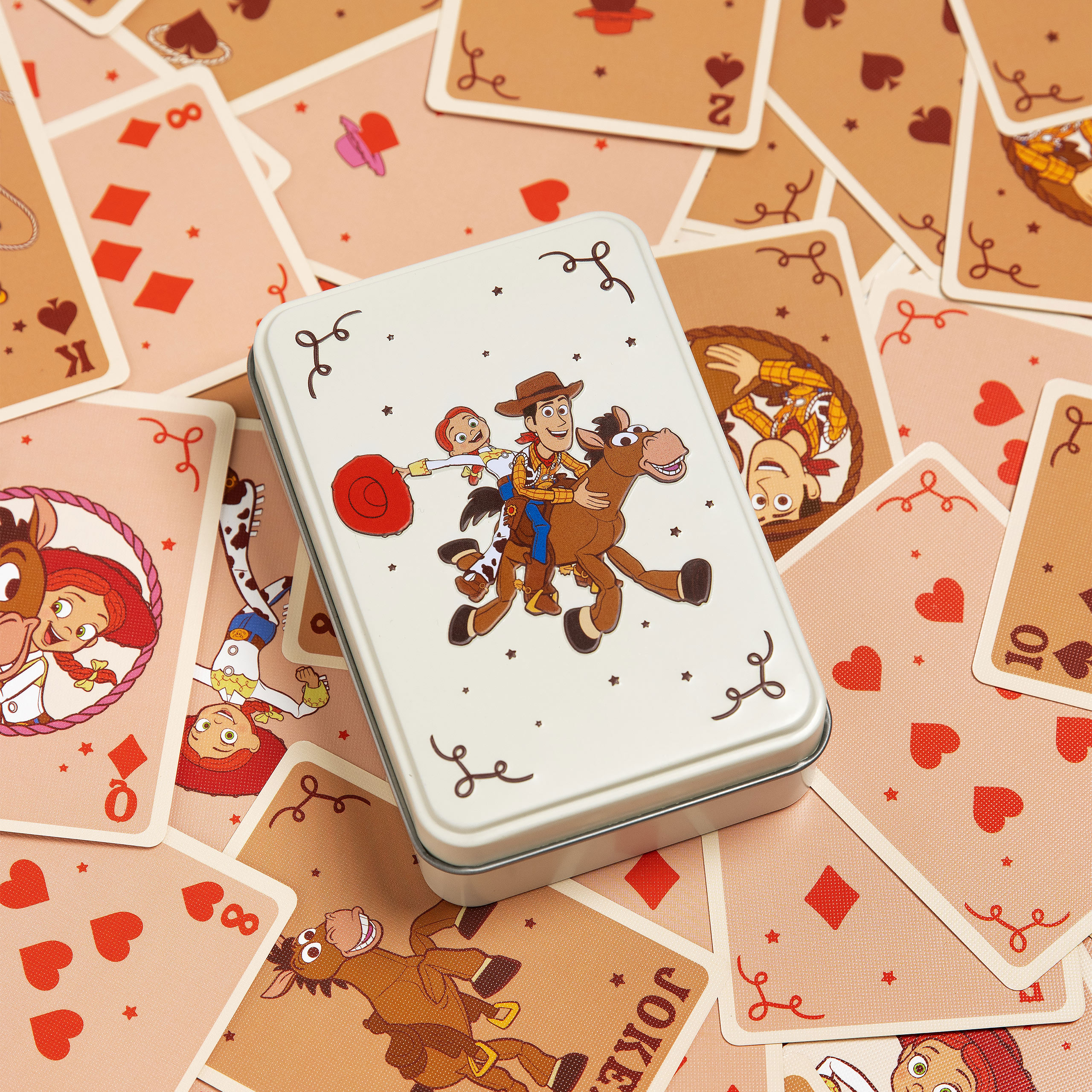
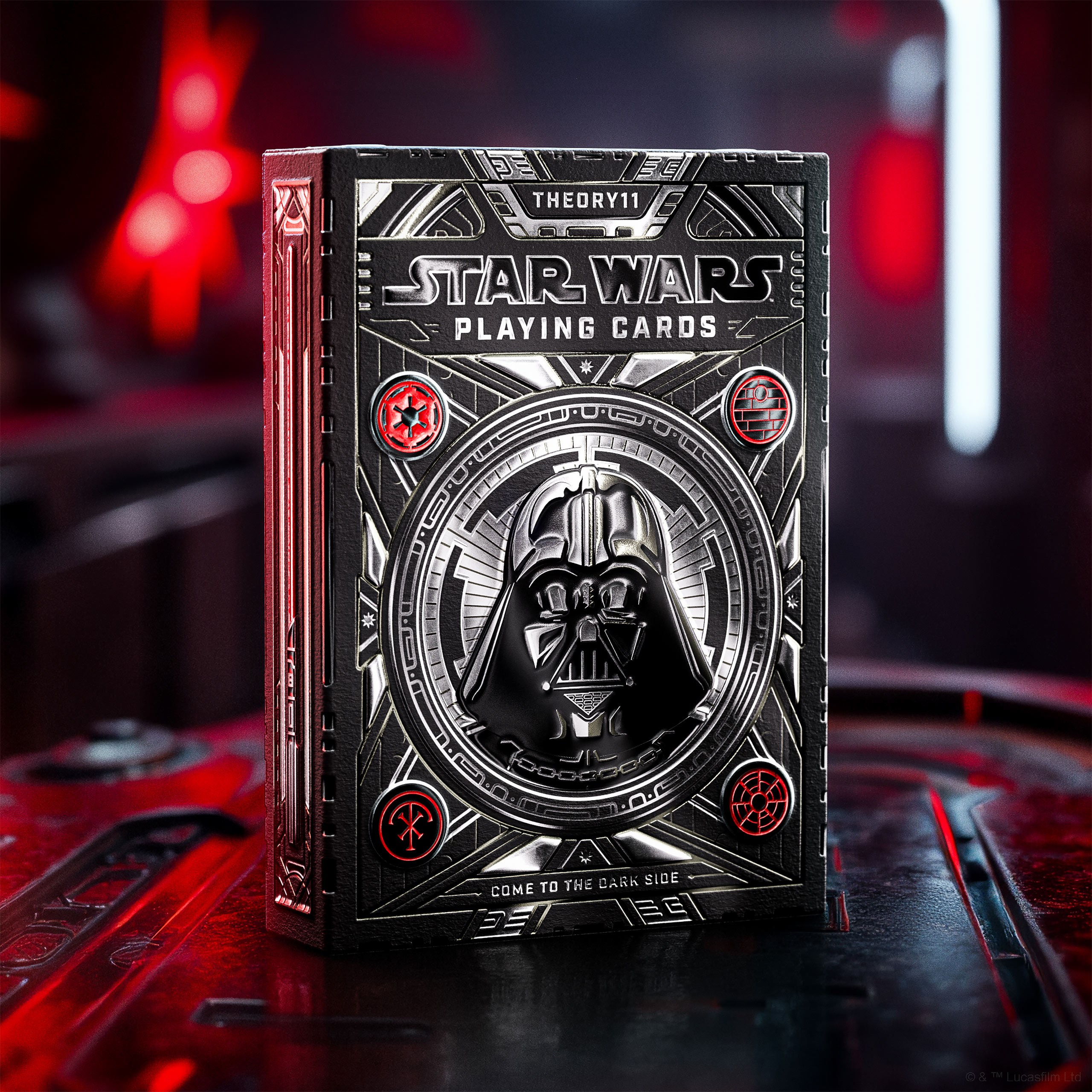
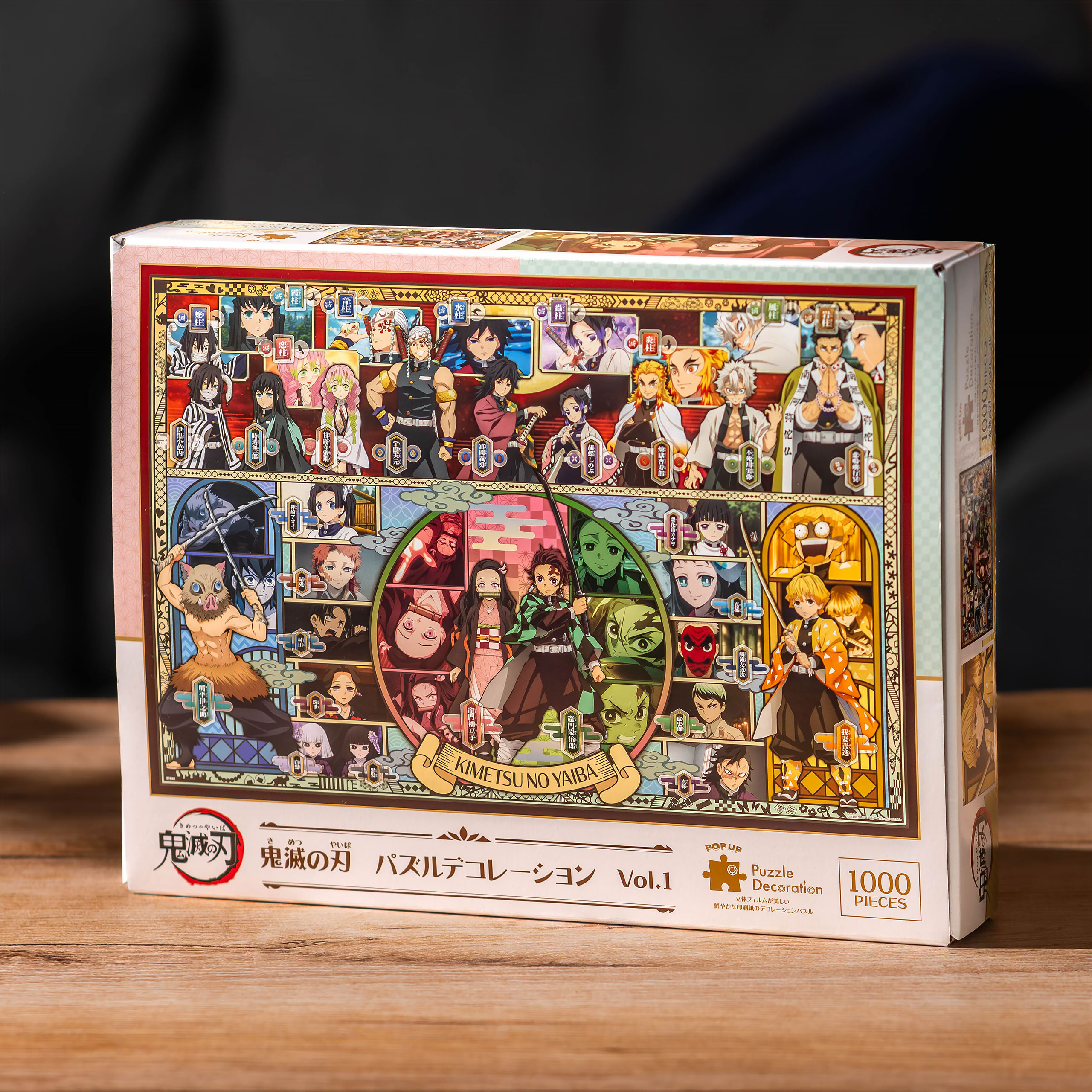
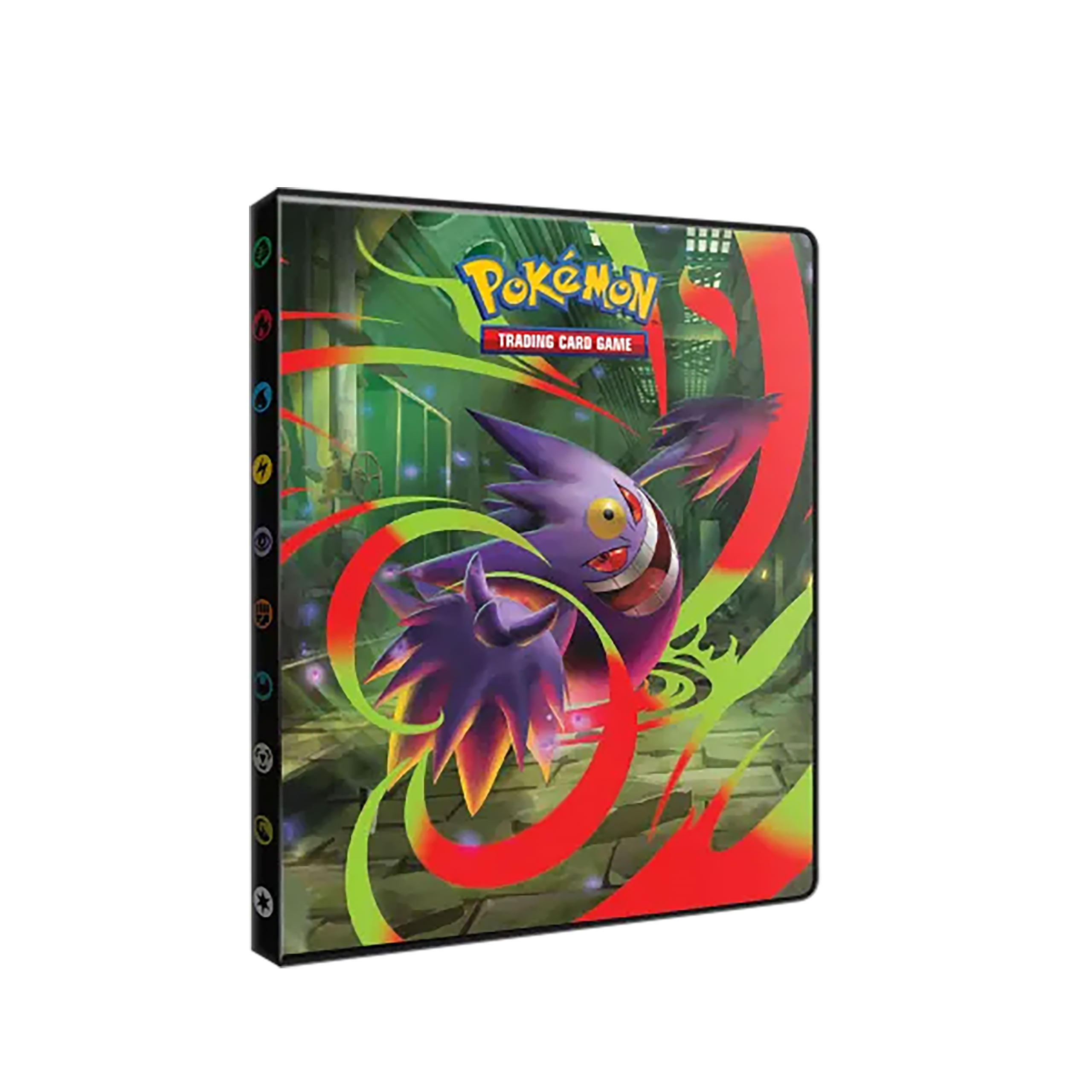
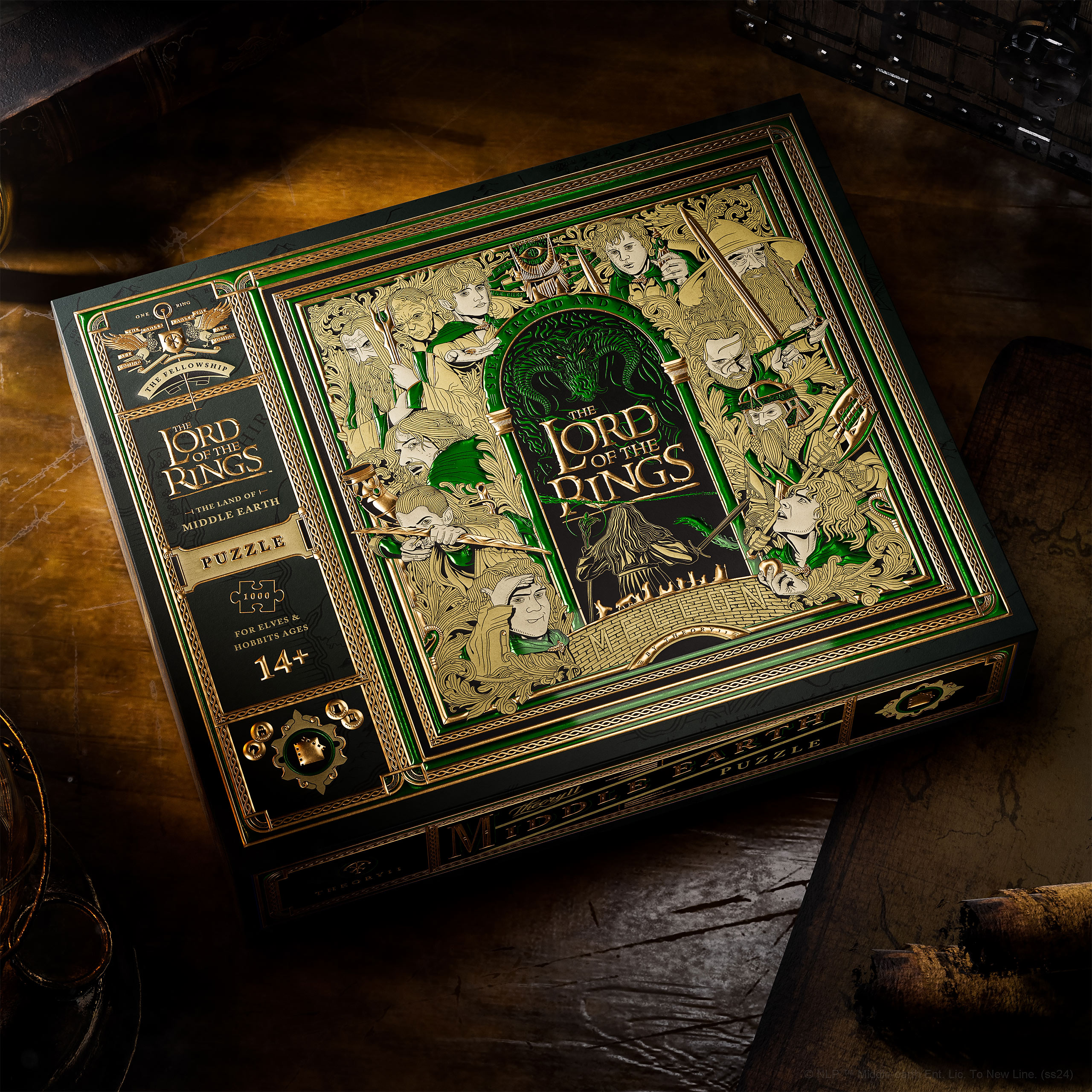
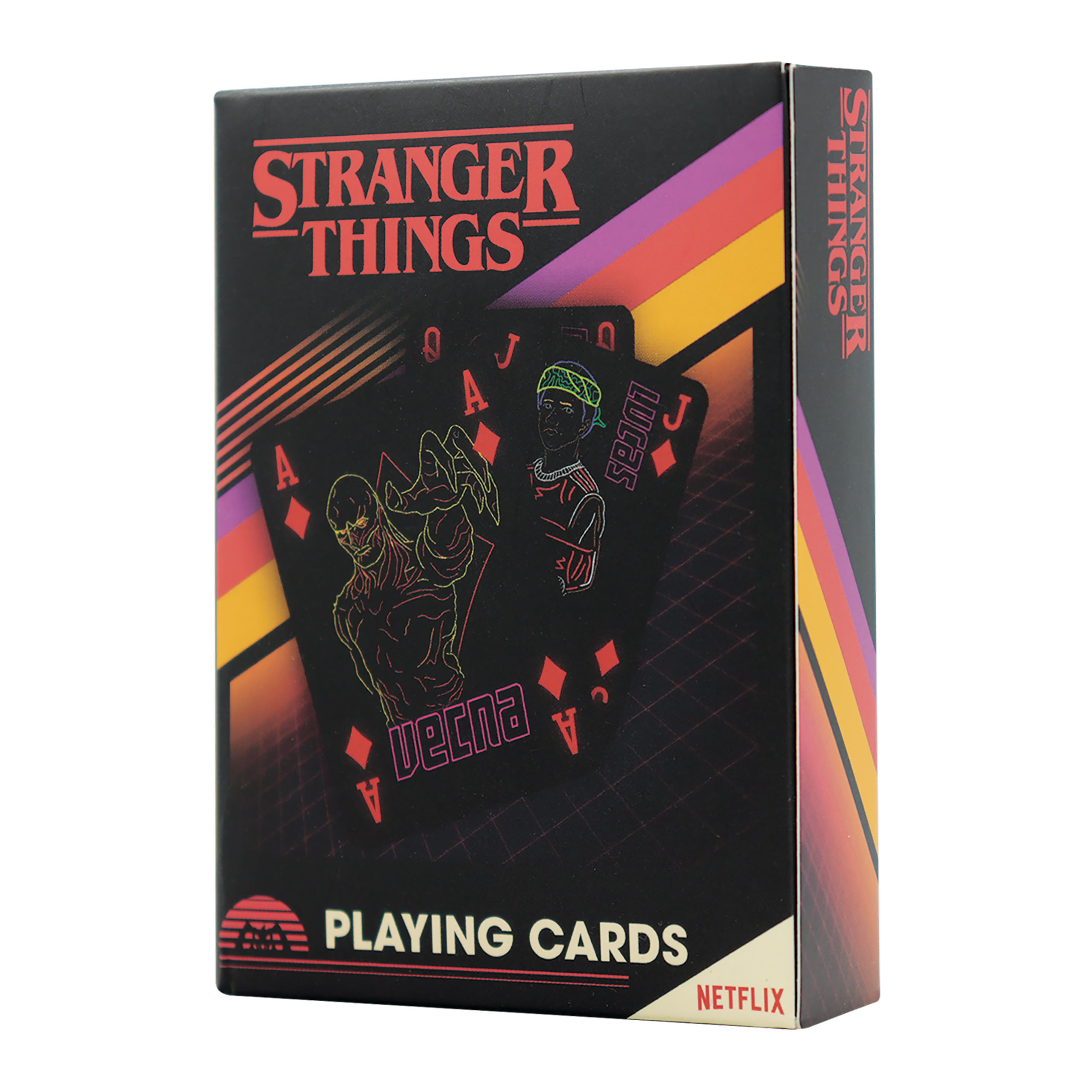
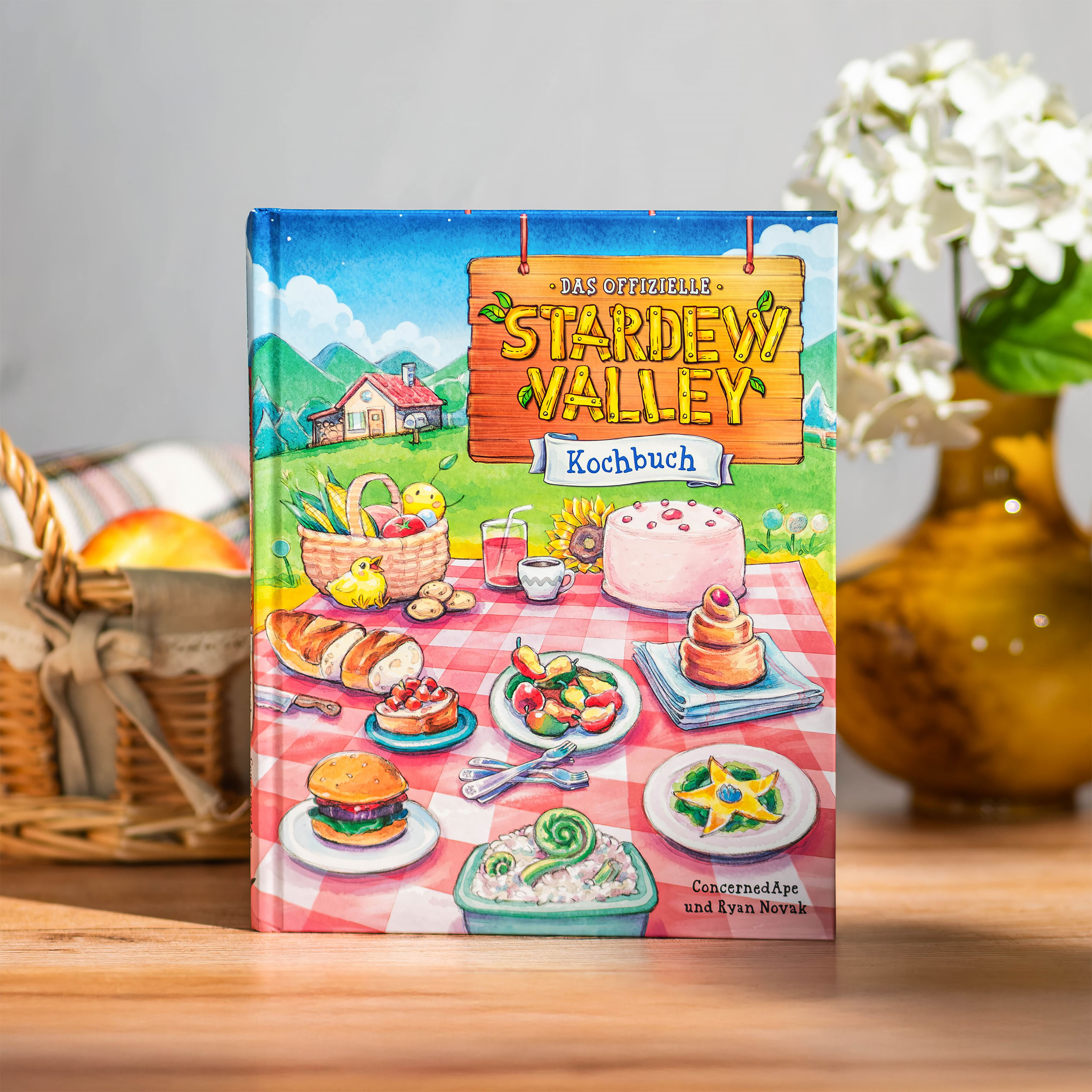
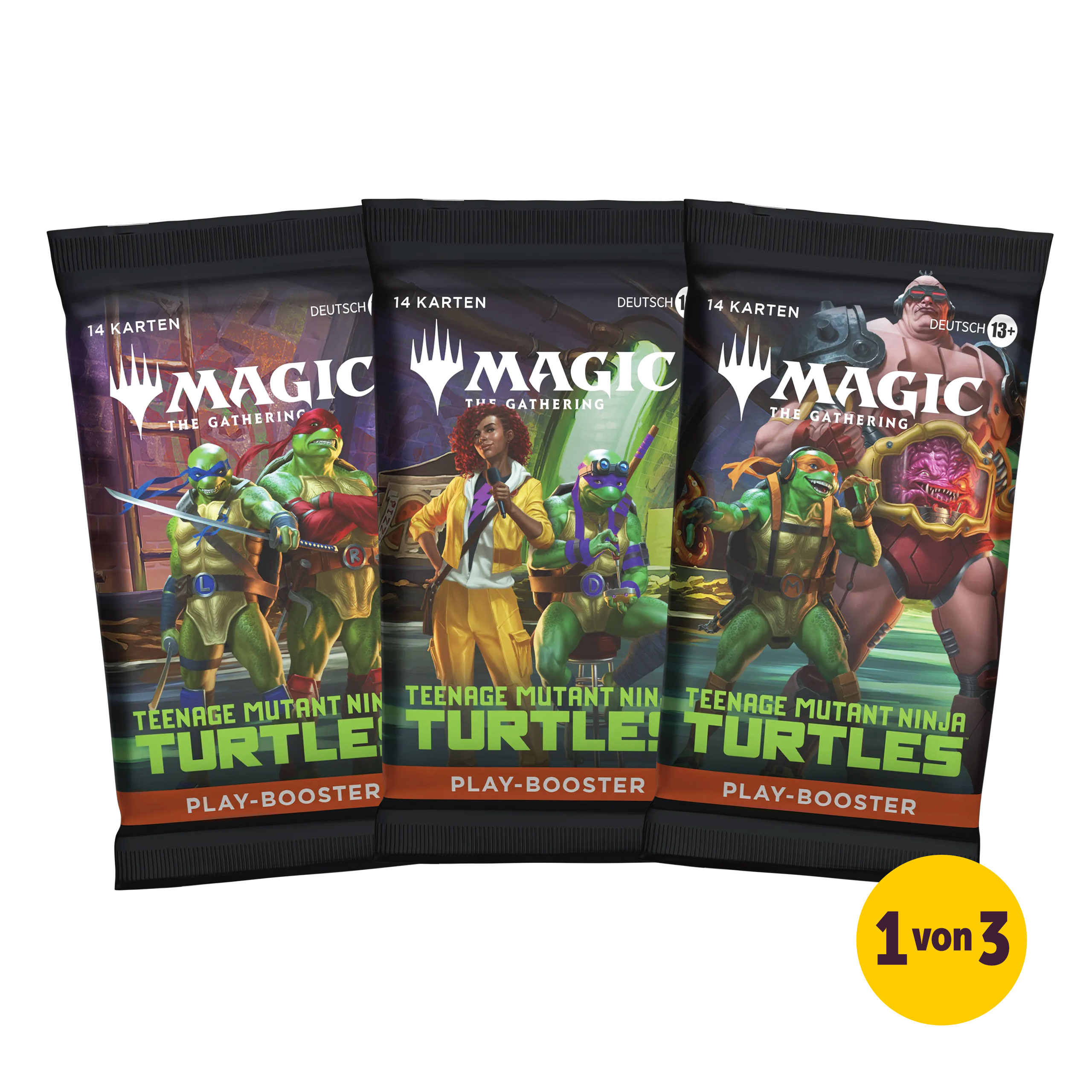
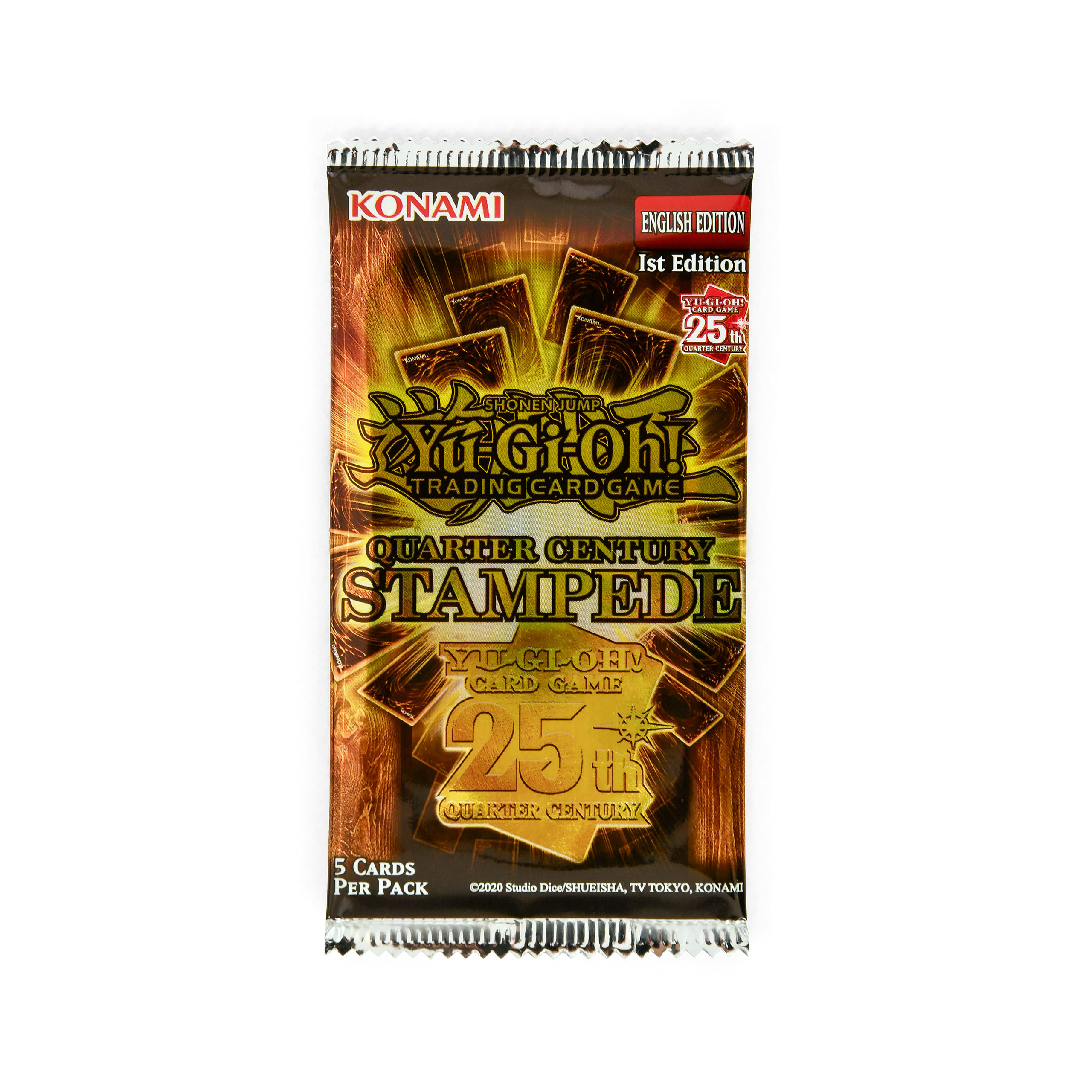
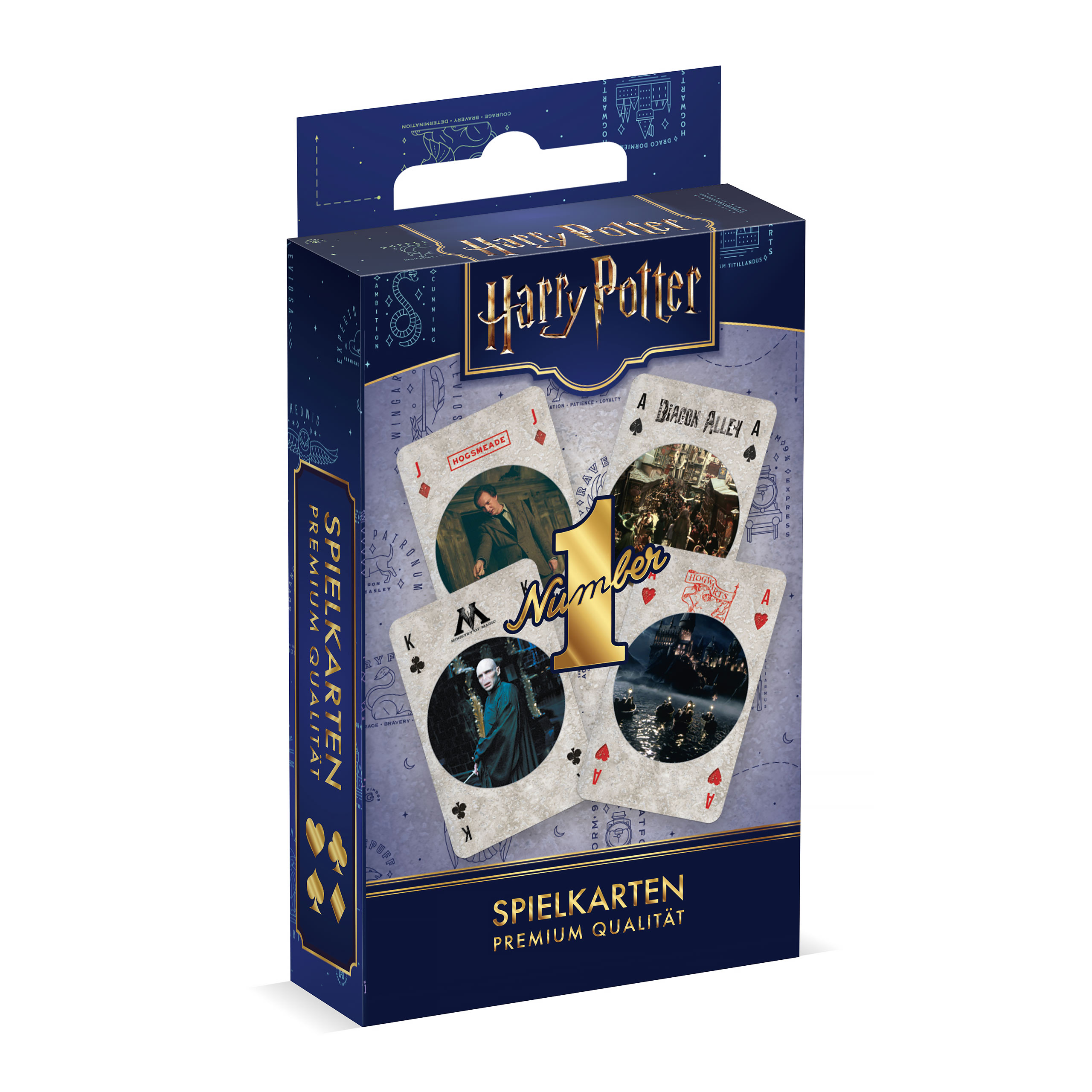
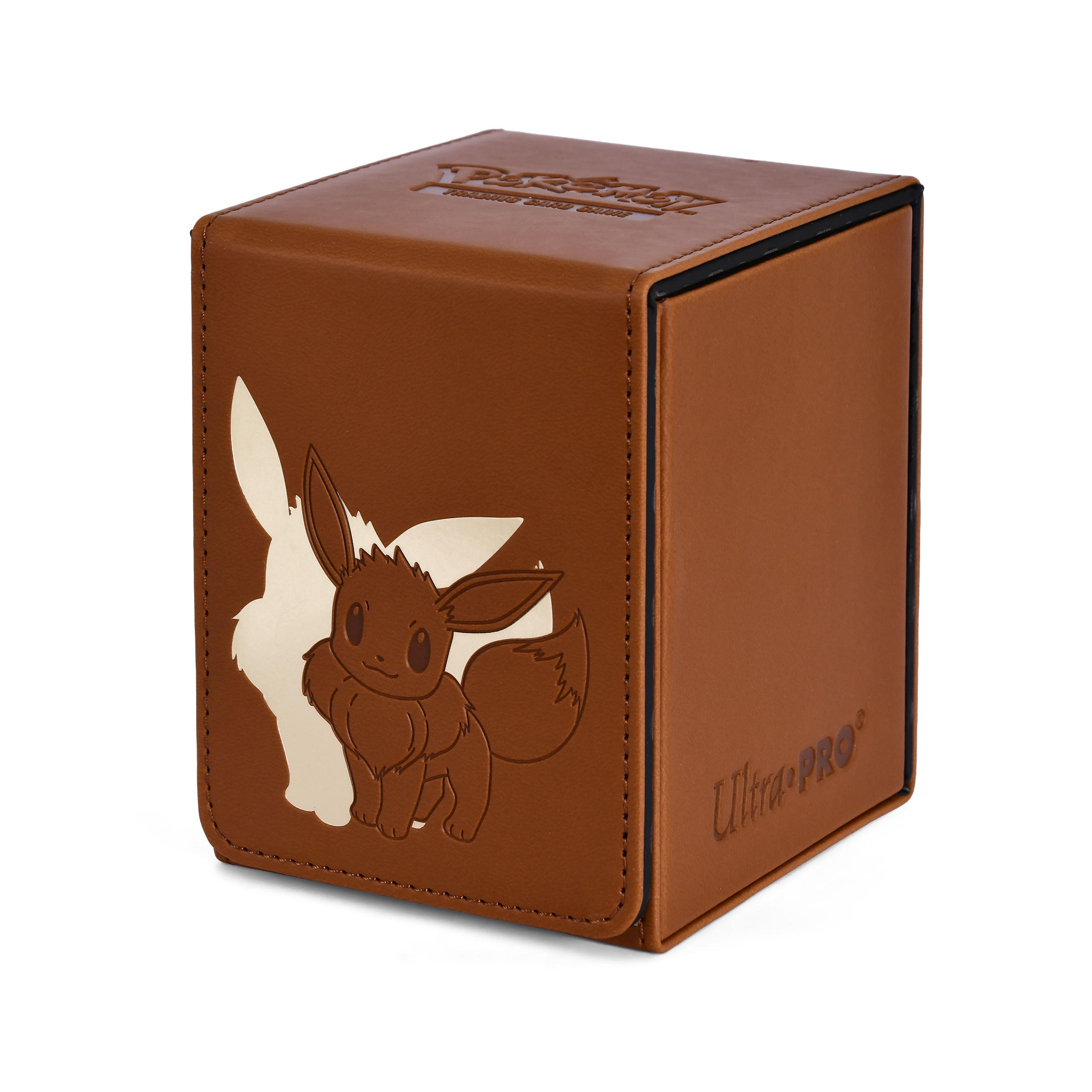
The card games section covers playable systems with structured rules and deck-building potential. Pen & Paper delivers rulebooks, sourcebooks, and accessories for tabletop role-playing campaigns. Board games range from quick diversions to involved strategy titles, while chess offers themed sets that reimagine the classic duel. For quieter pursuits, puzzles transform fan artwork into hands-on projects. The literary side includes cookbooks with franchise-inspired recipes, novels expanding on game lore, and nonfiction for deeper dives. Collectors will find trading cards for display and trade. Specialist interests are served by LARP equipment, mangas, hobby books, dictionaries, and bookmarks for marking your place in all of the above.
What goes well with this?
Analogue gaming has a way of taking over entire evenings — and entire rooms. Once the table is covered in cards and character sheets, you'll want the rest of your space to match the commitment. Themed drinkware keeps refreshments on-brand, and wall art reminds you what you're fighting for even when the campaign is on hiatus.