Gaming Merchandise – Gear for Every Player Type
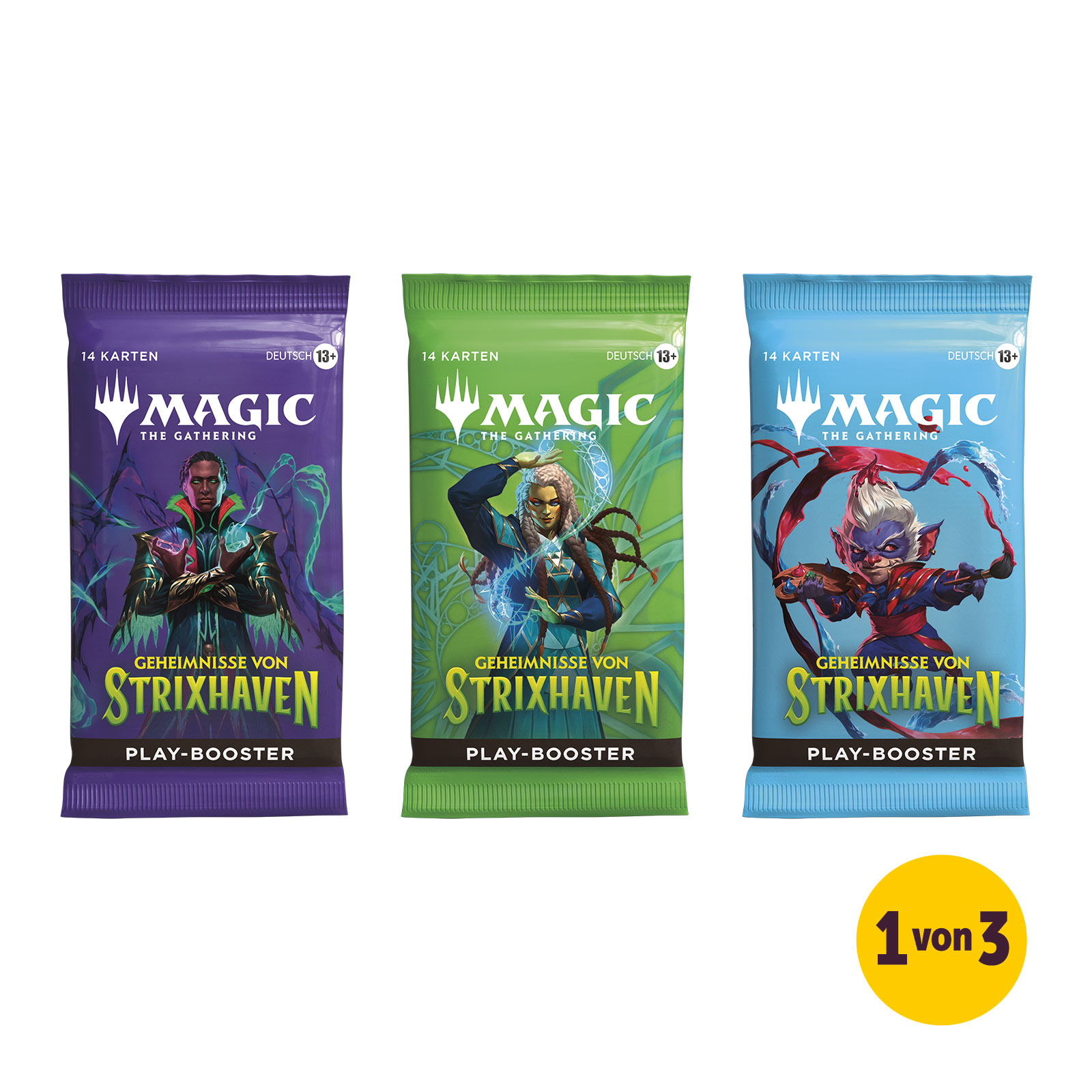
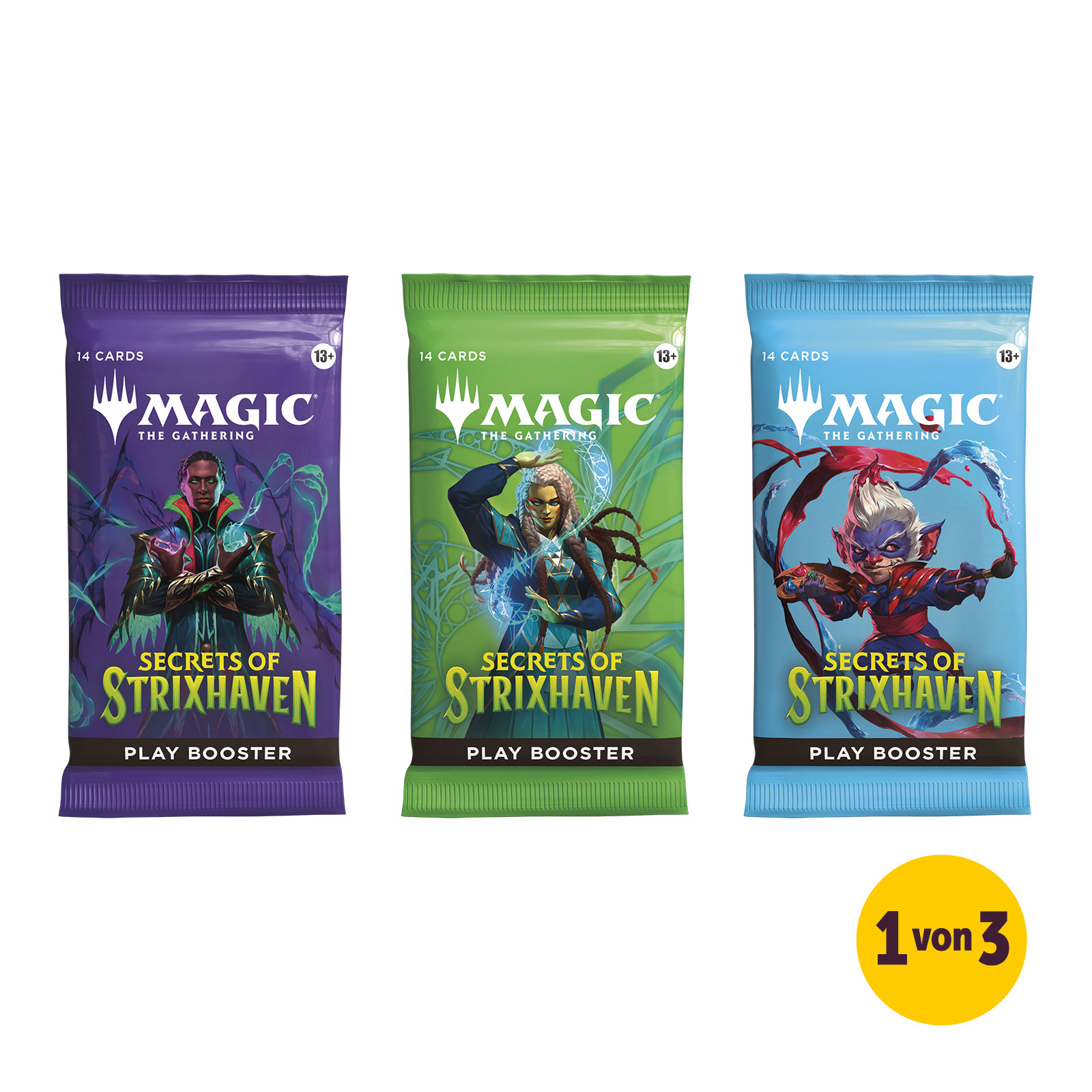
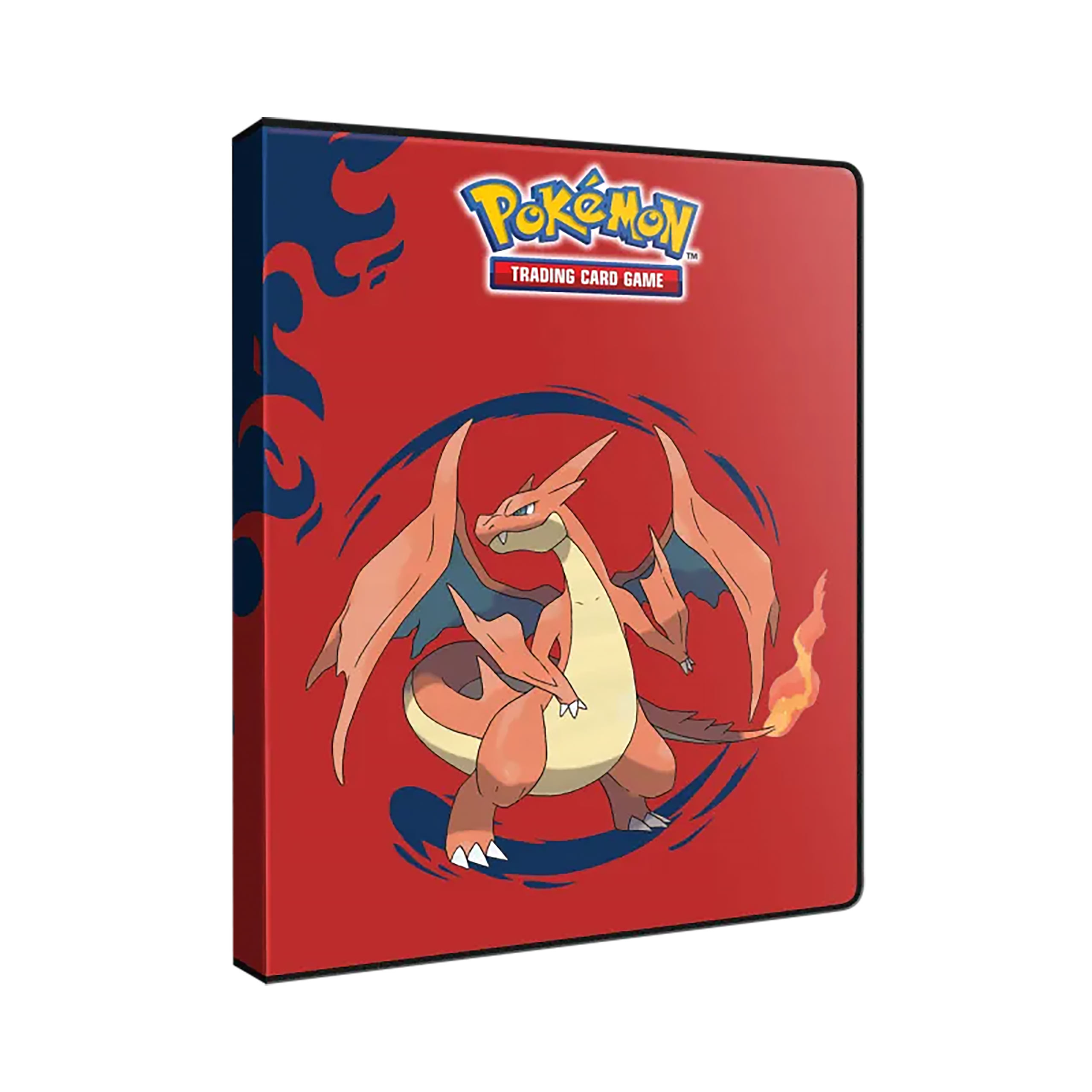
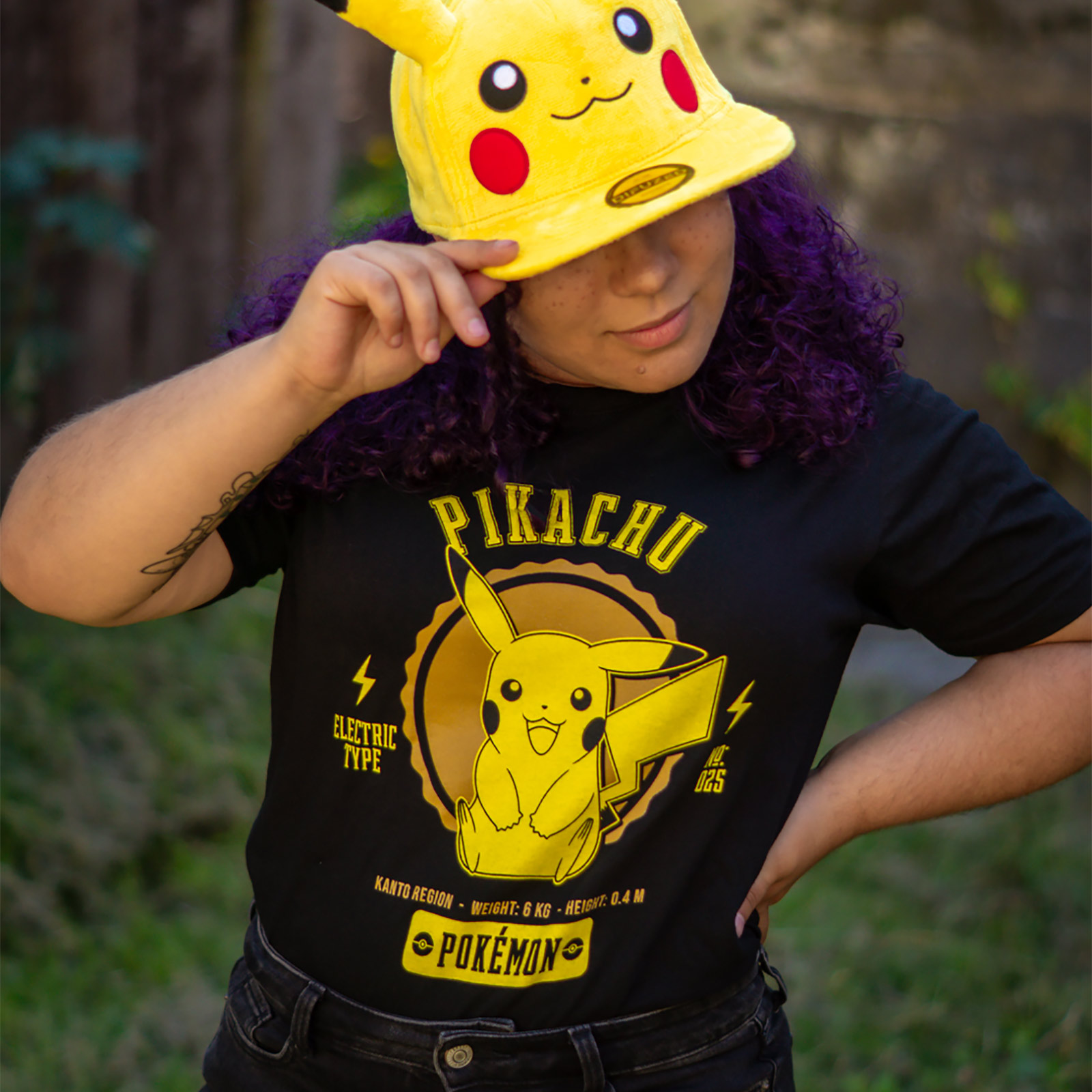
Thirty years ago, predicting that gaming would outpace Hollywood revenue would have earned you a pitying look and perhaps a pamphlet about realistic career expectations. Yet here we are. Games have become cultural touchstones, and the merchandise follows suit — not as afterthoughts, but as genuine expressions of fandoms that have matured alongside the medium. The kid who once traded Pokémon cards now wants a quality hoodie. The teenager who raided Molten Core wants a desk piece that commemorates it. Gaming merch has grown up, thankfully without losing the fun.
What defines gaming merchandise?
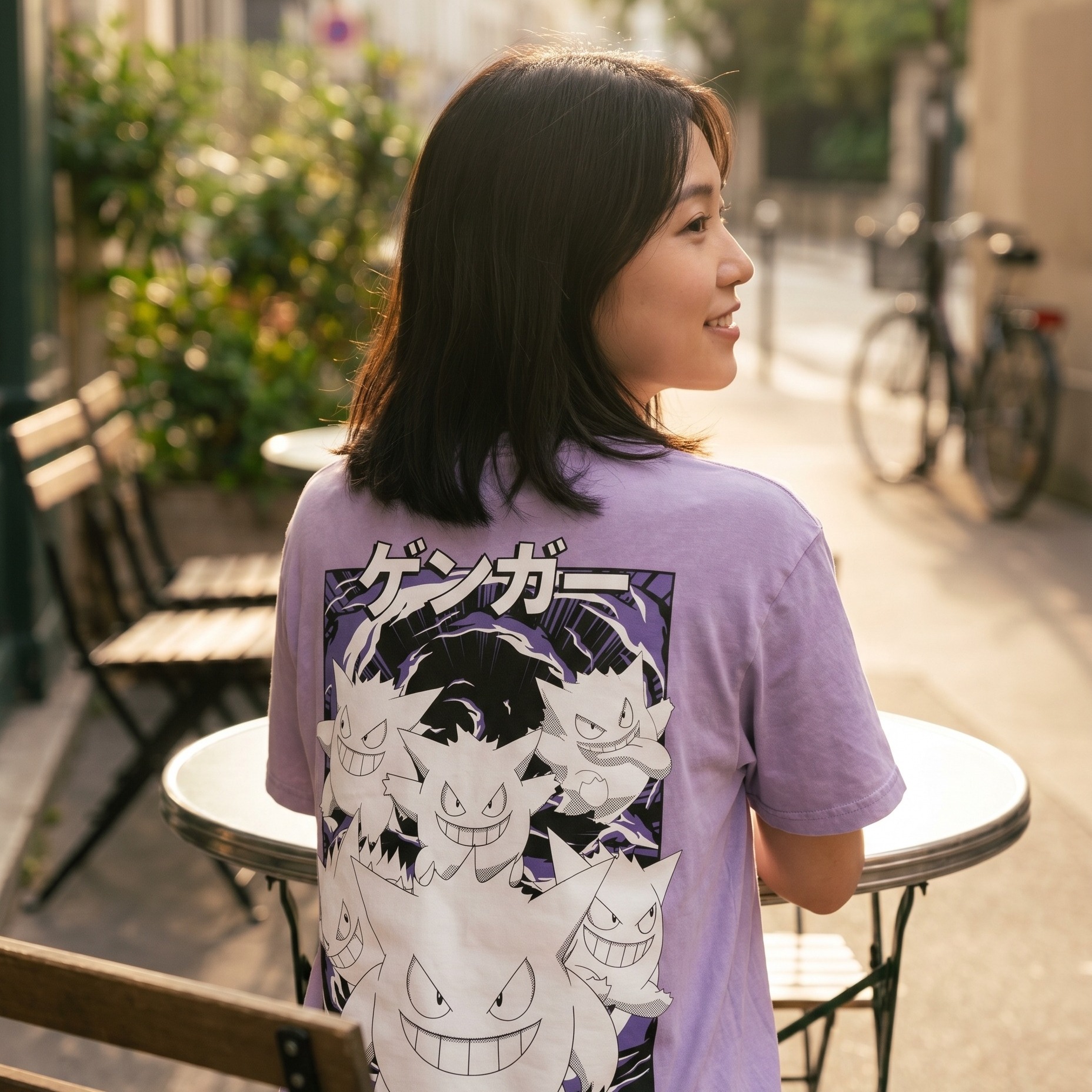
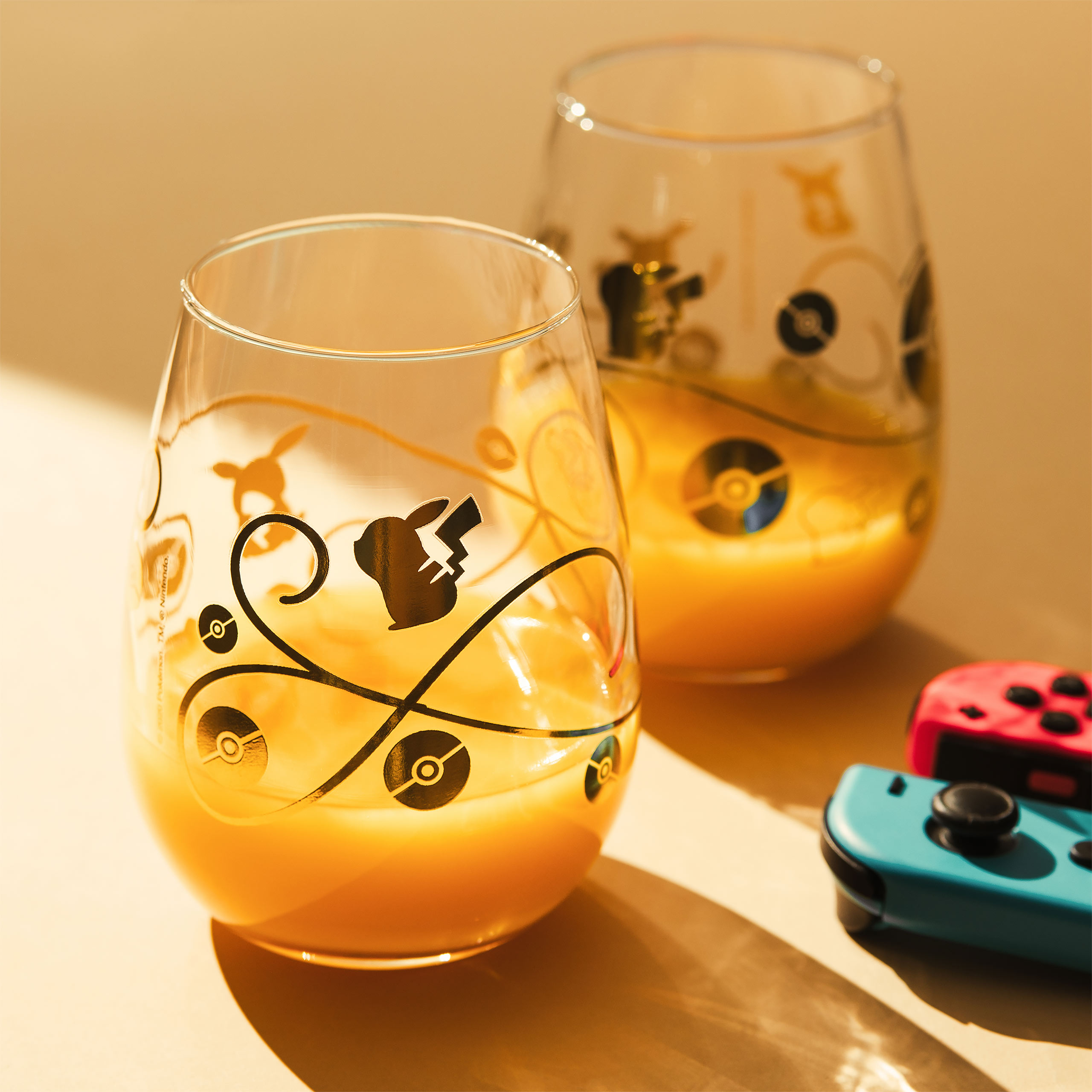
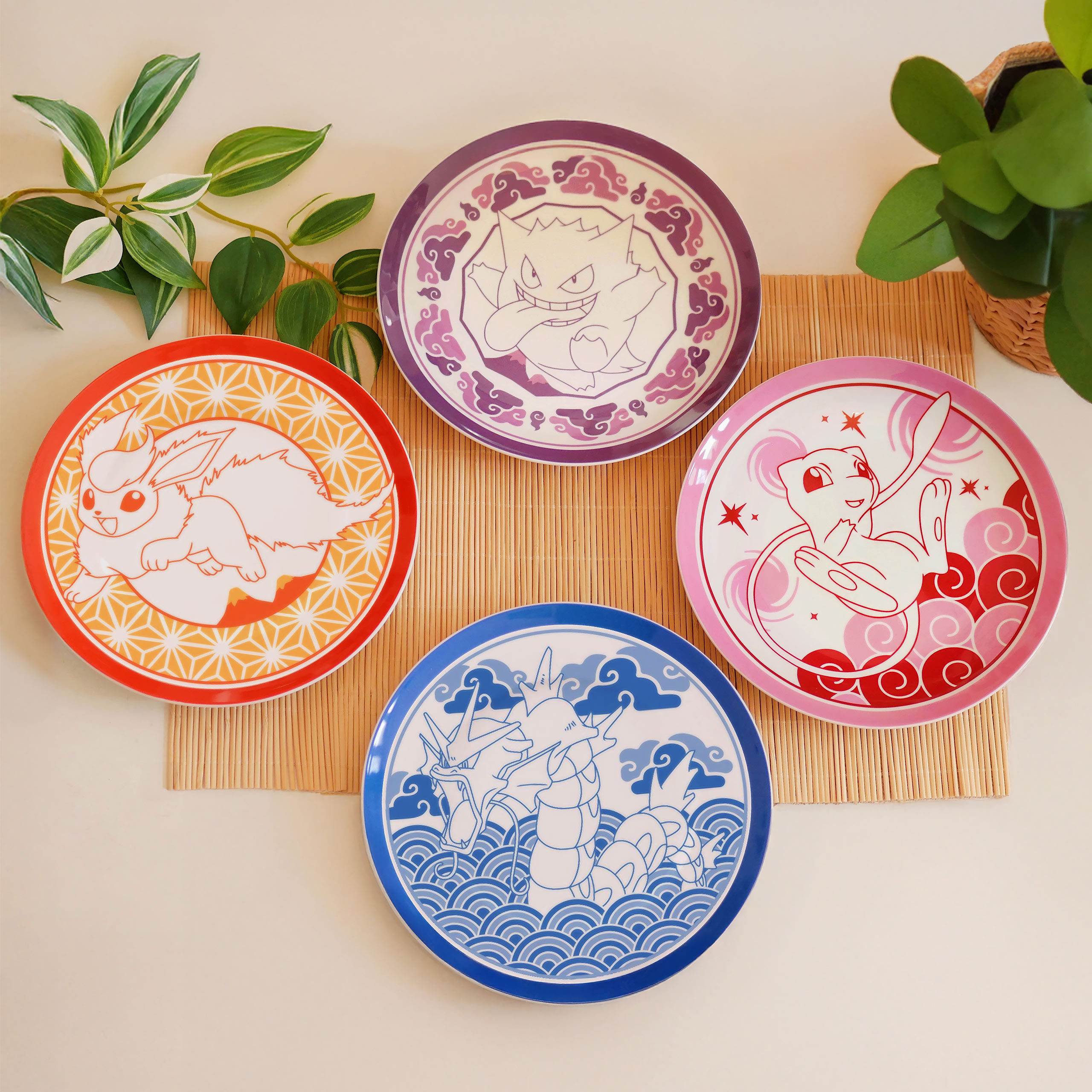
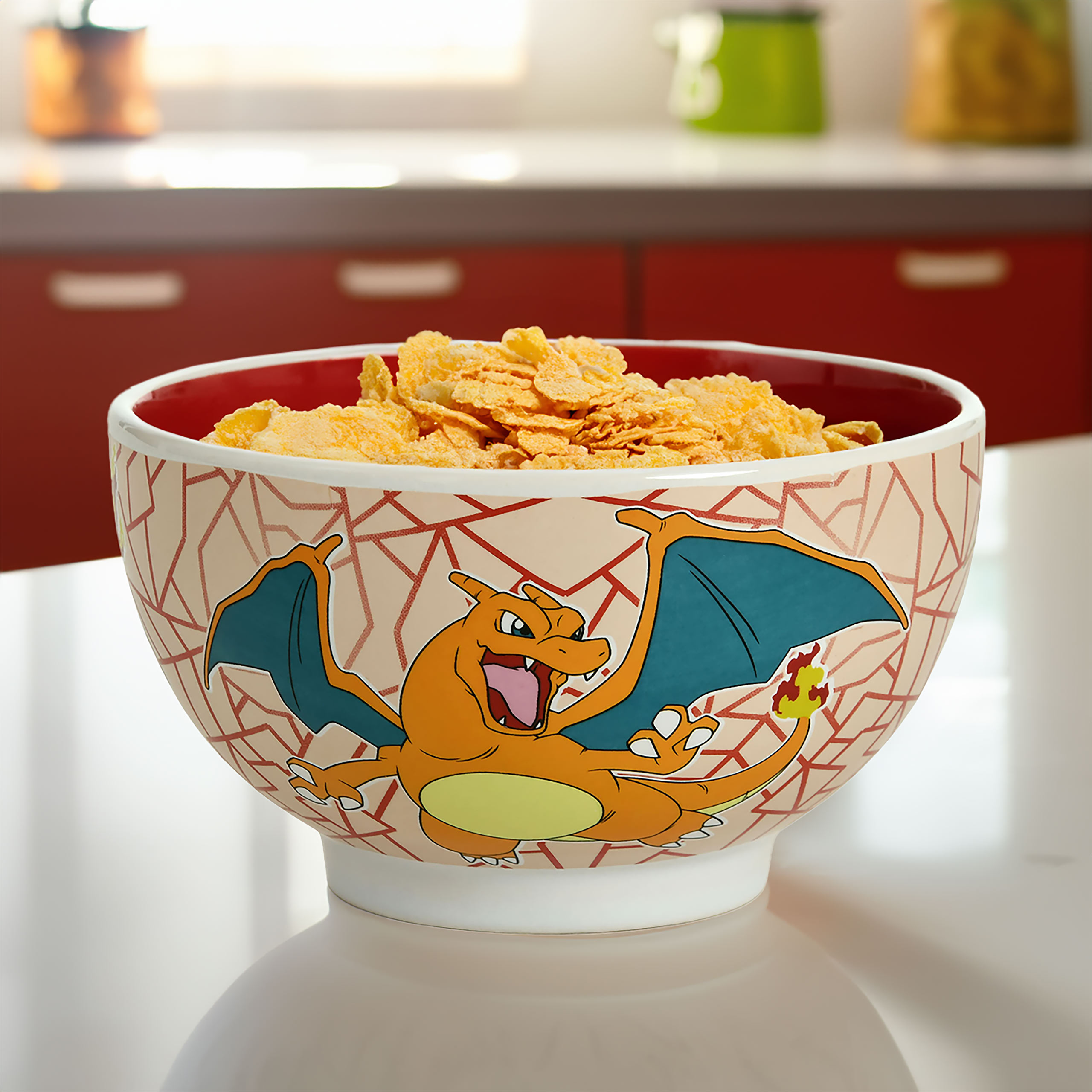
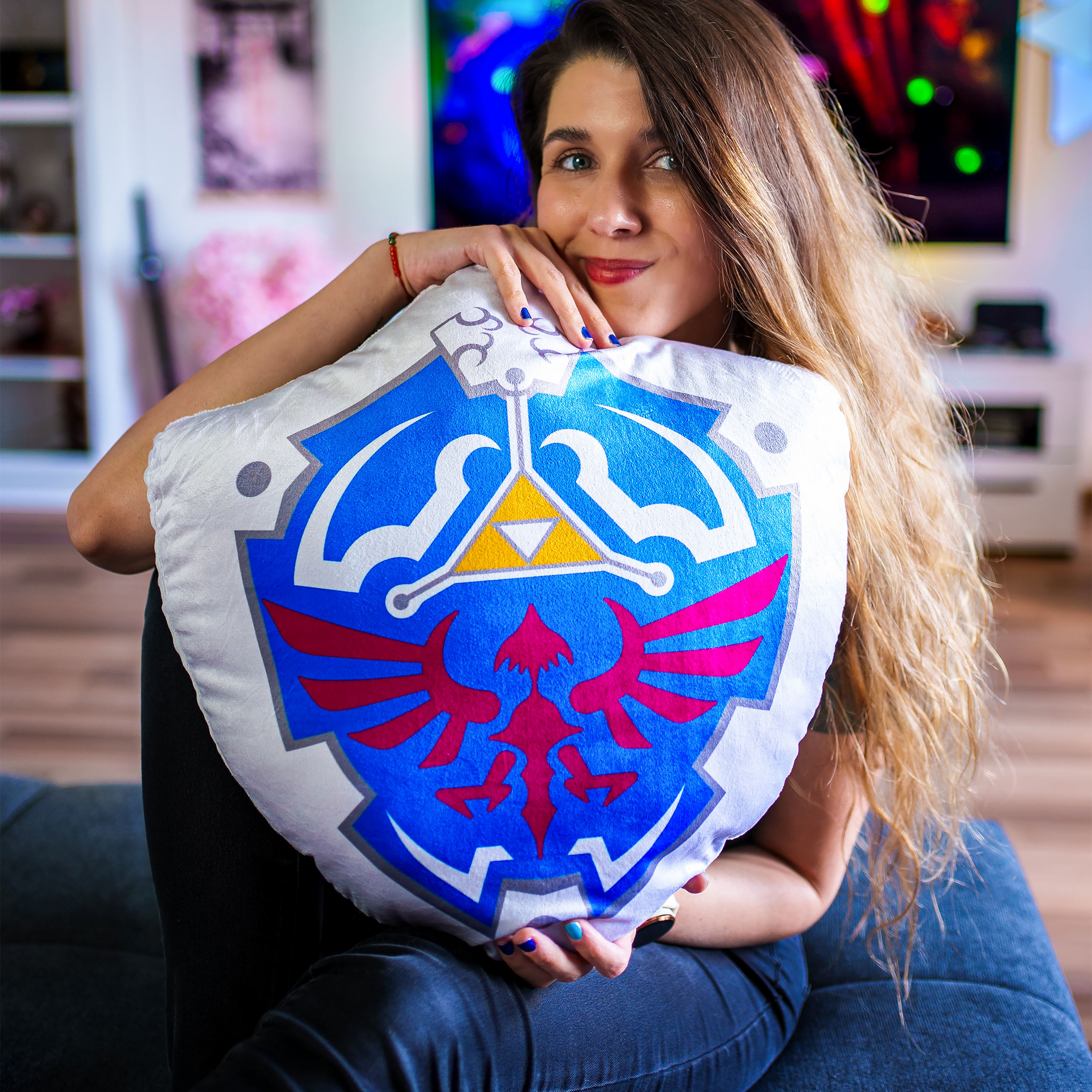
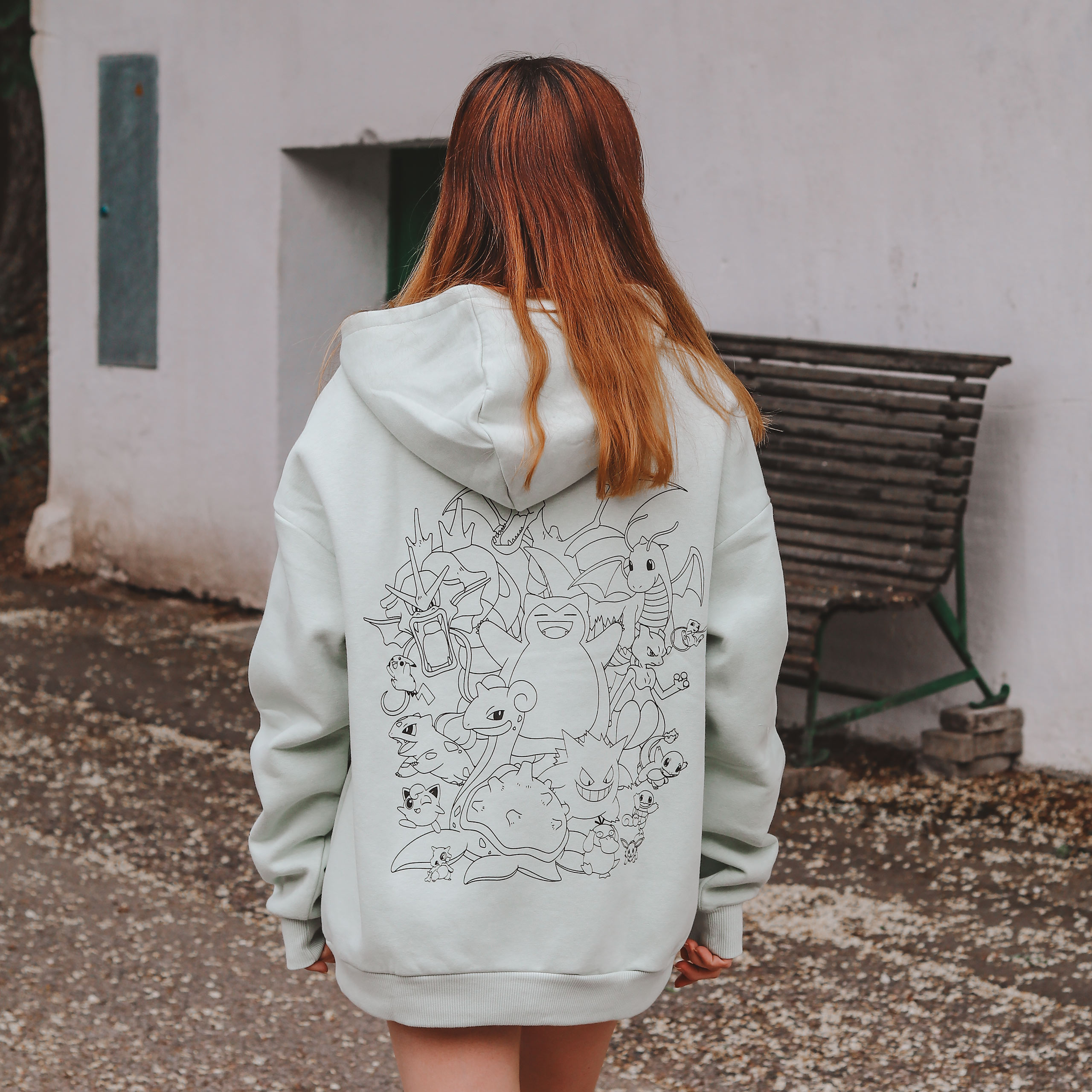
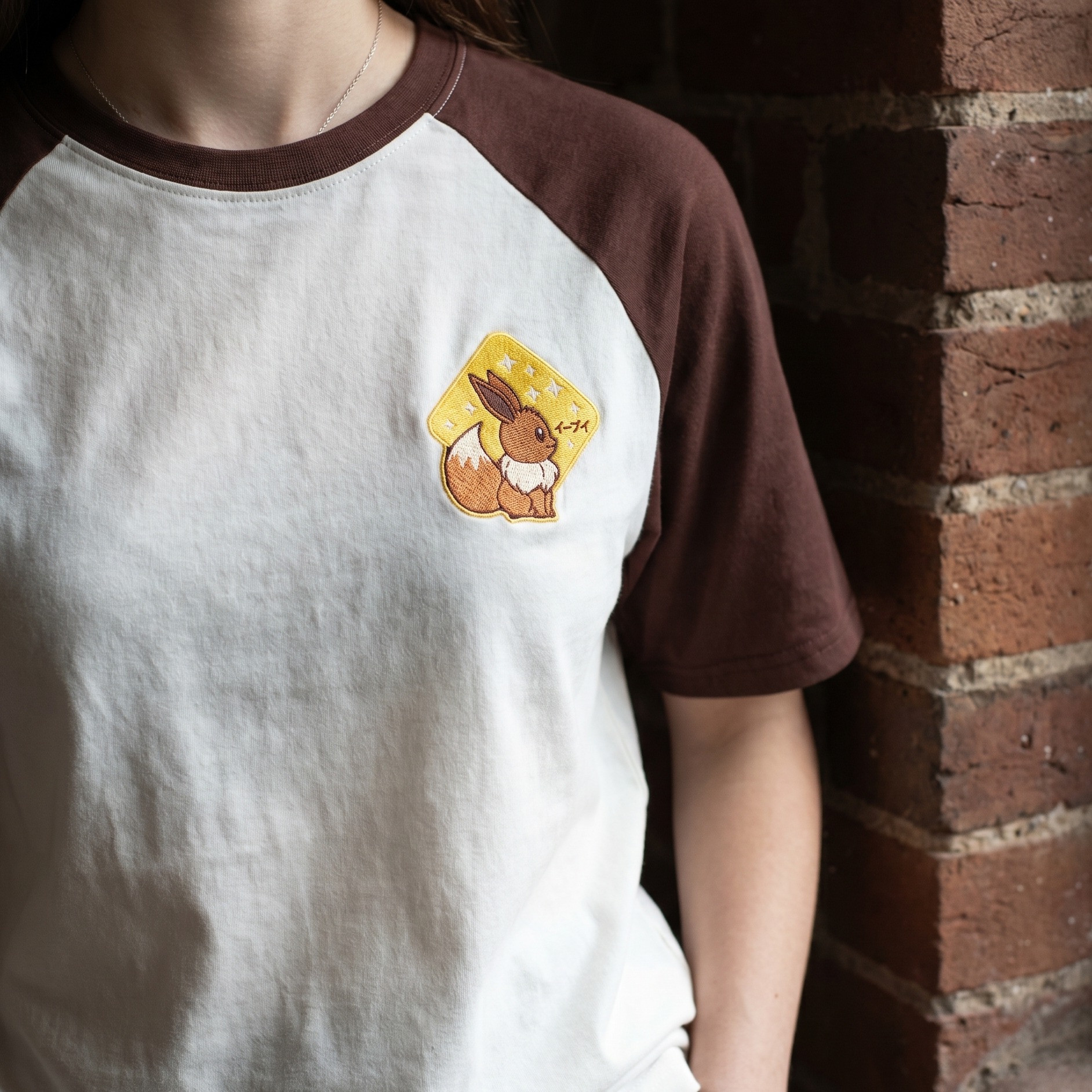
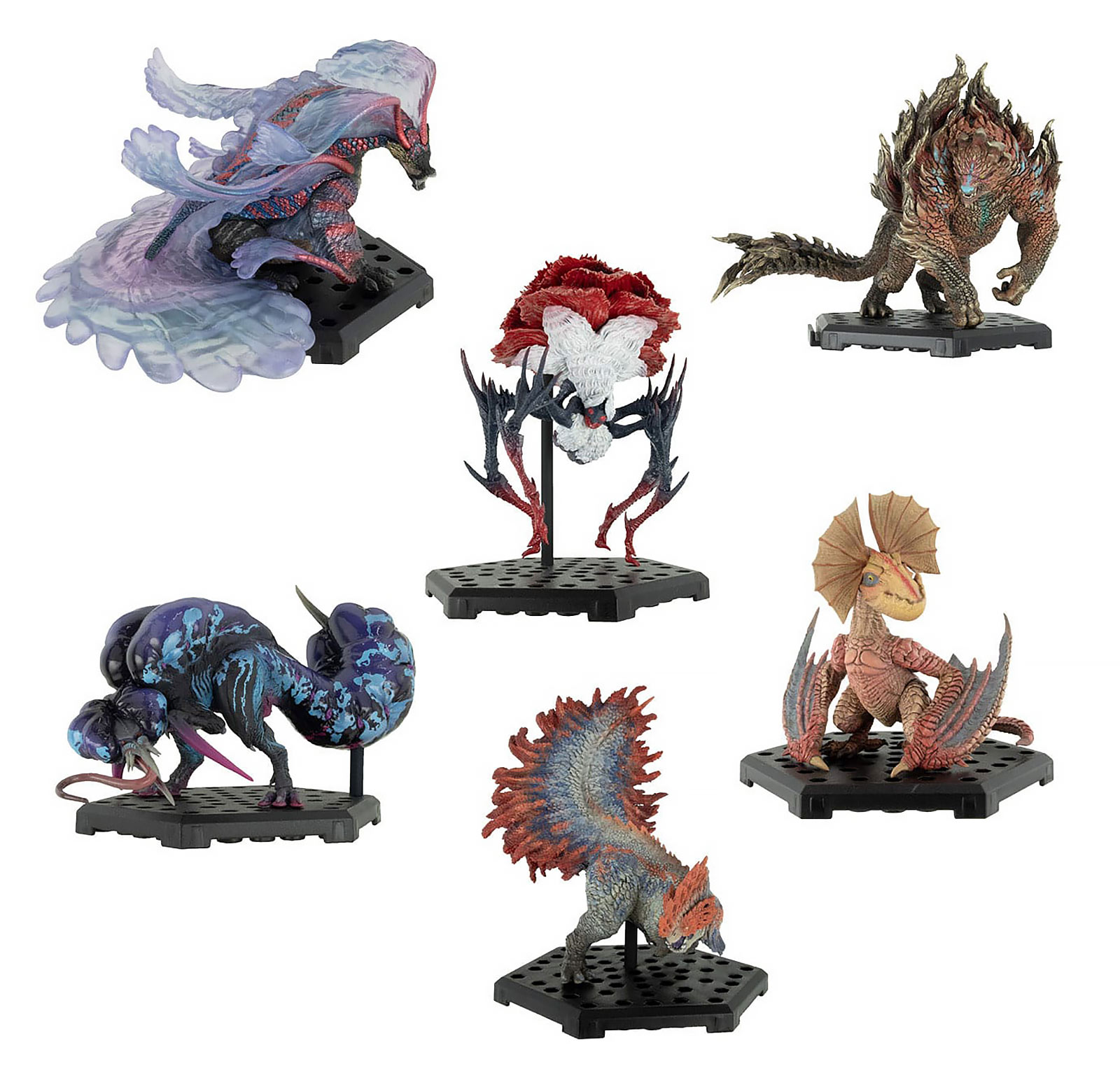
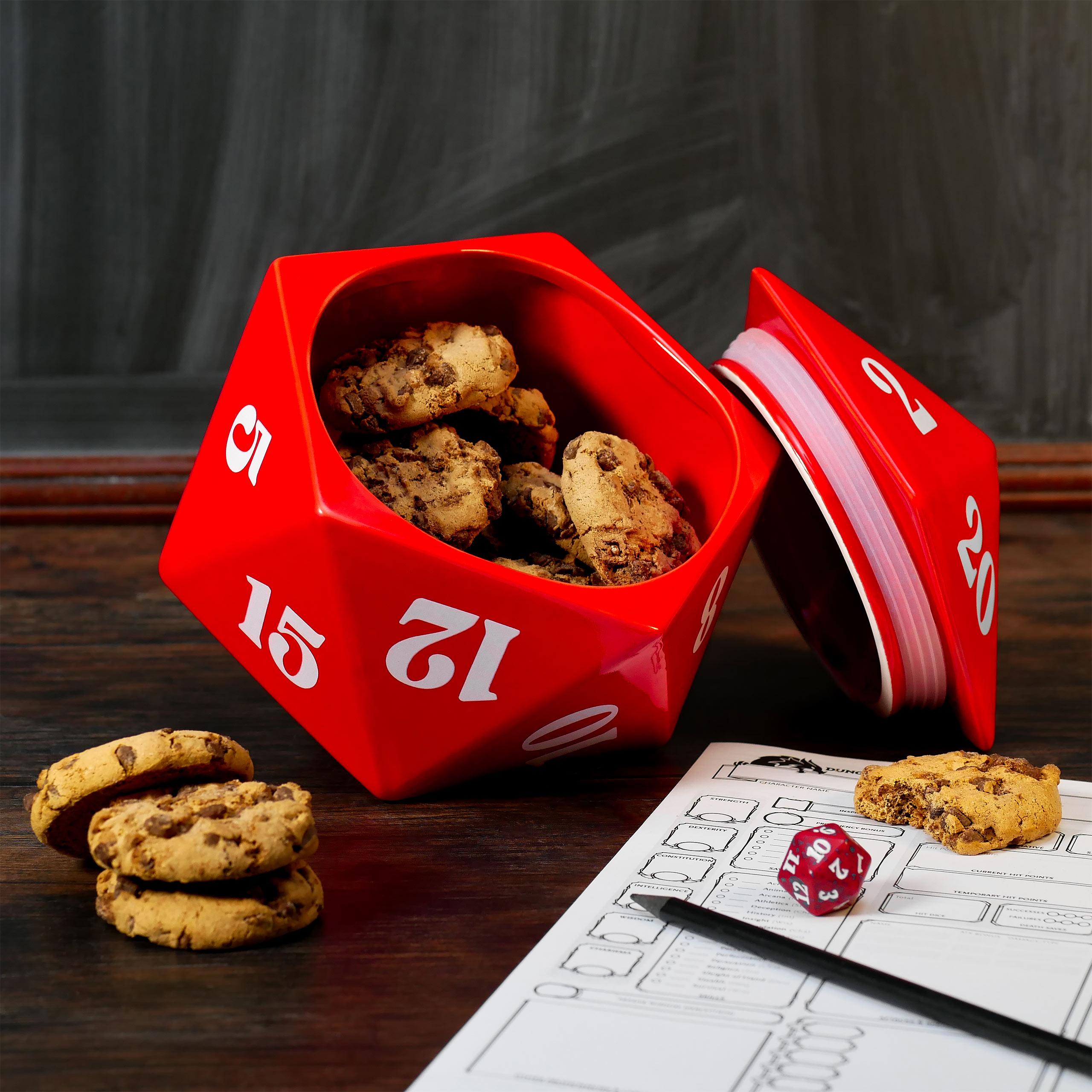
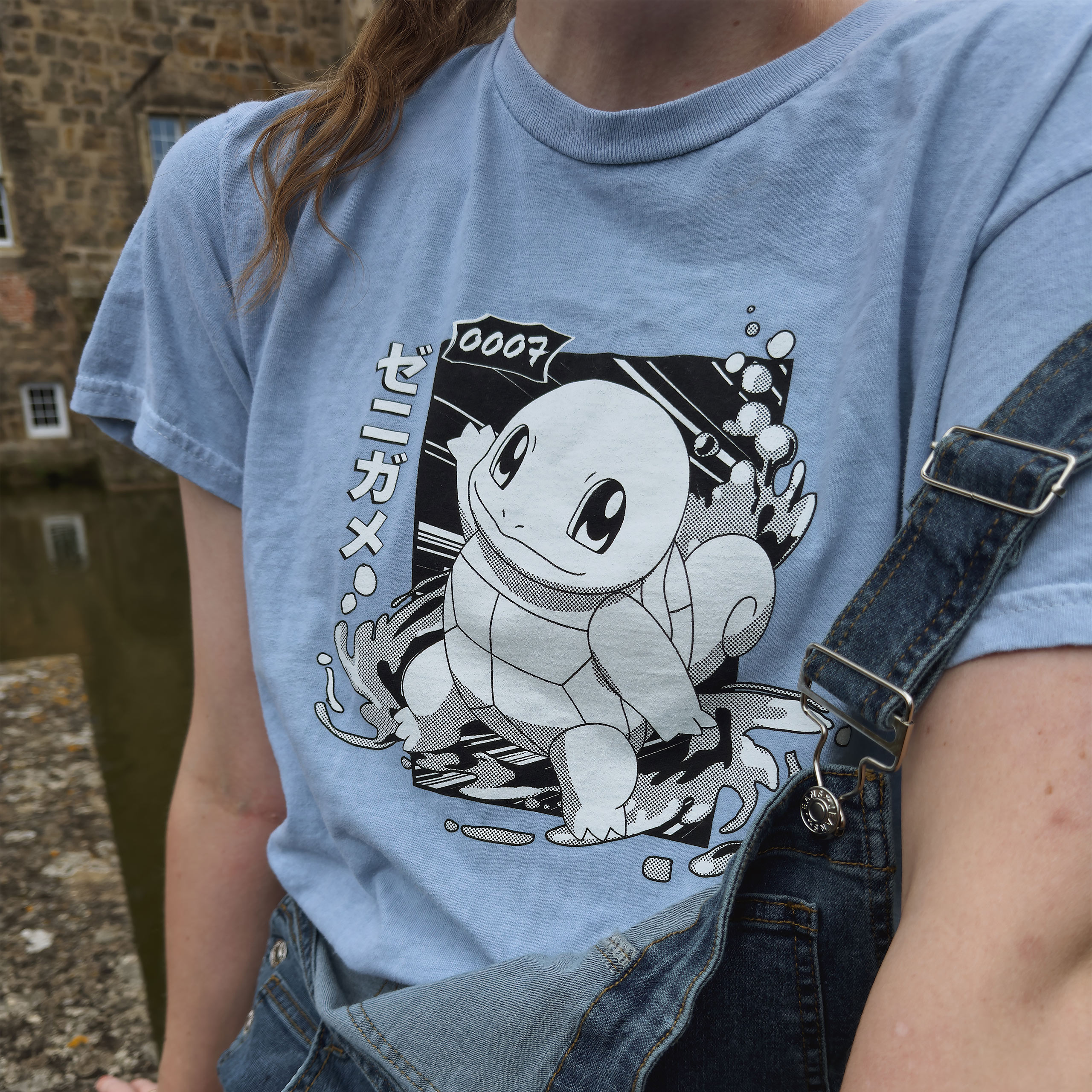
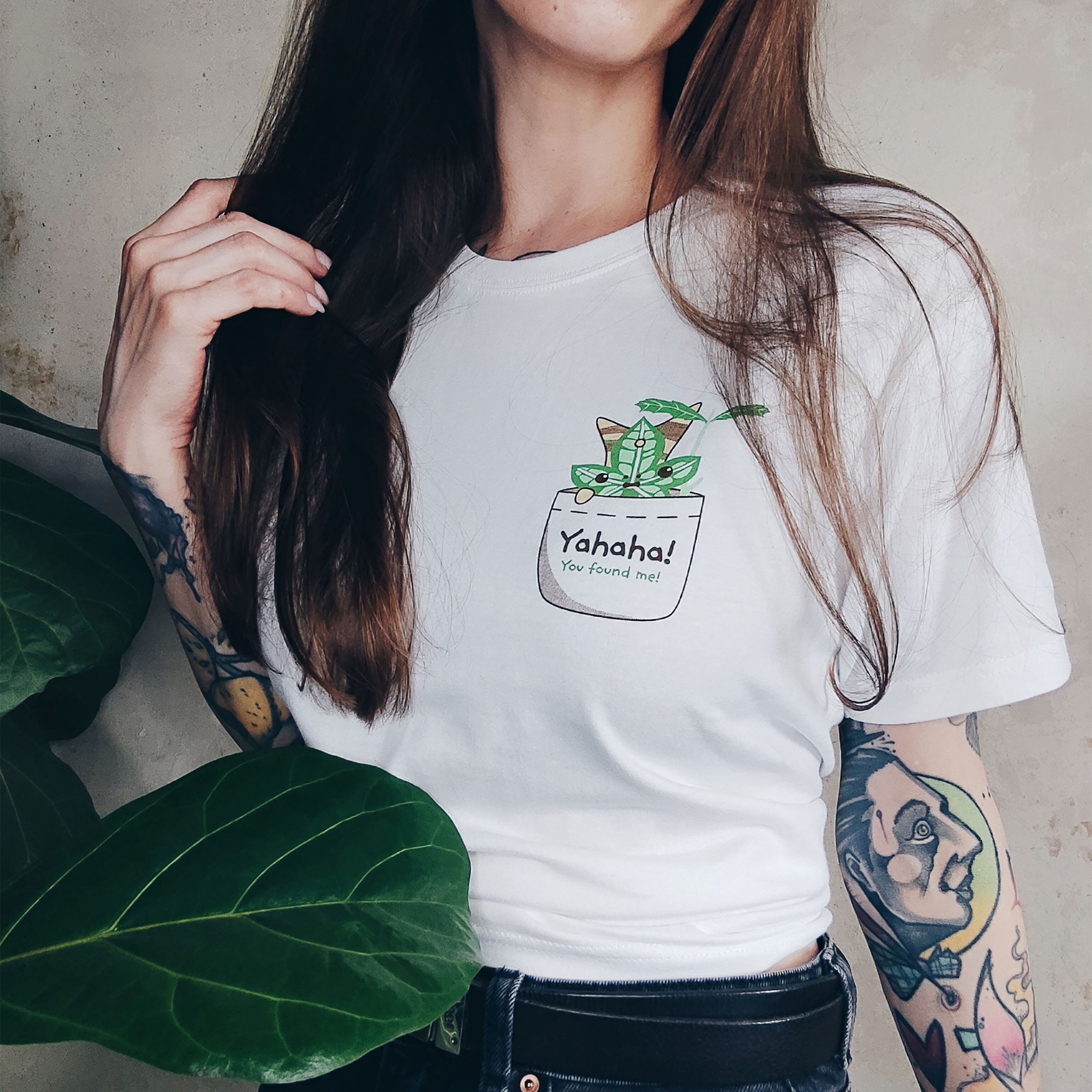
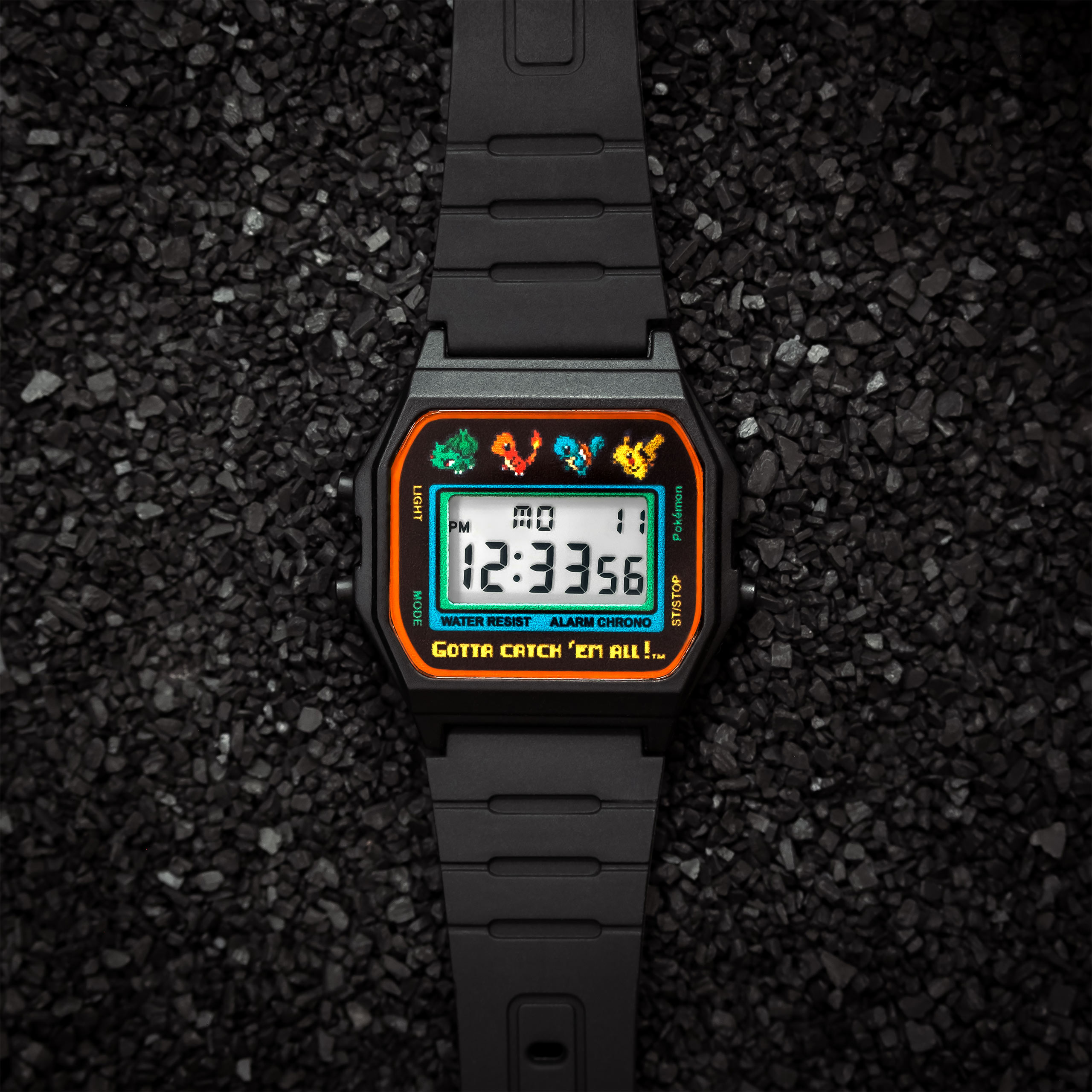
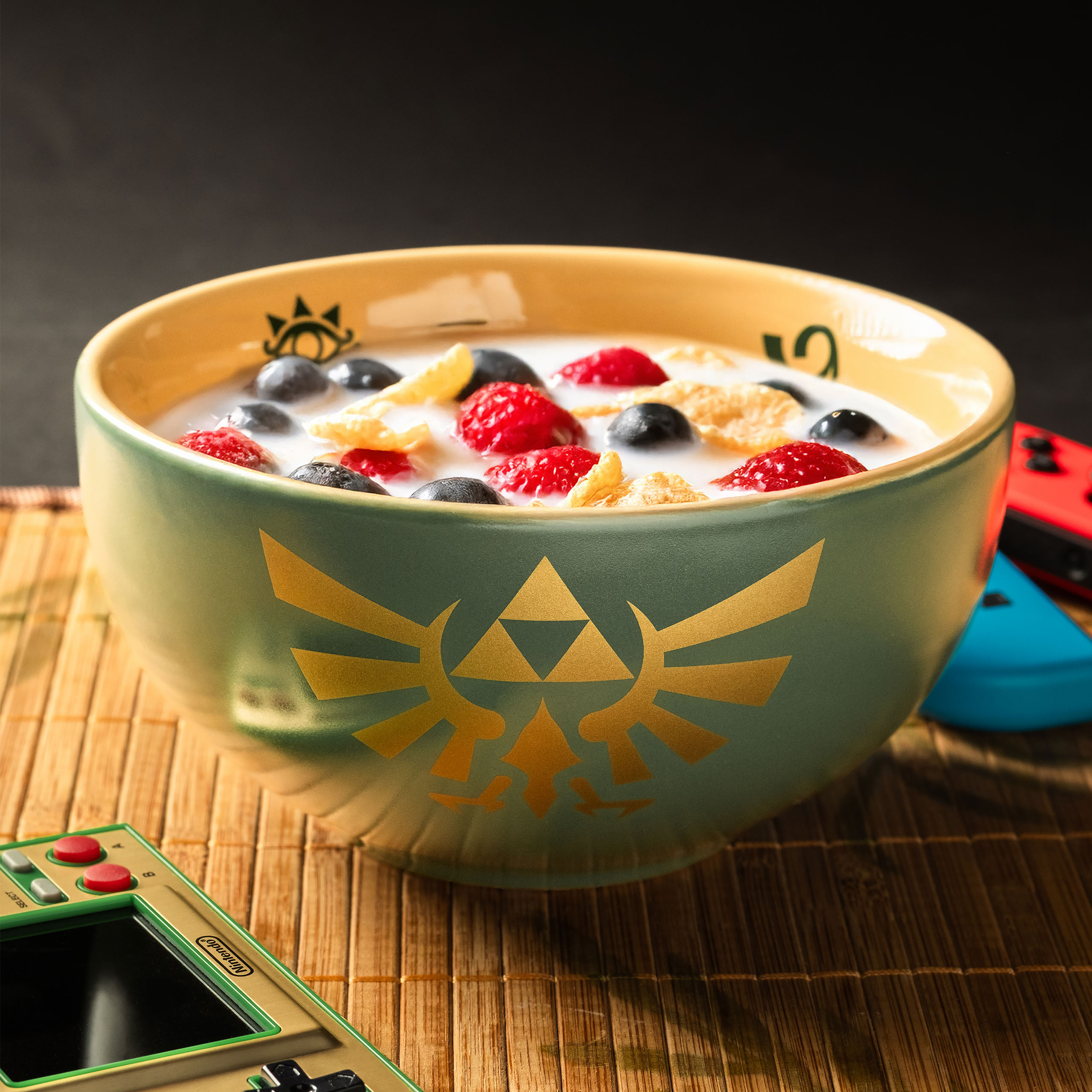
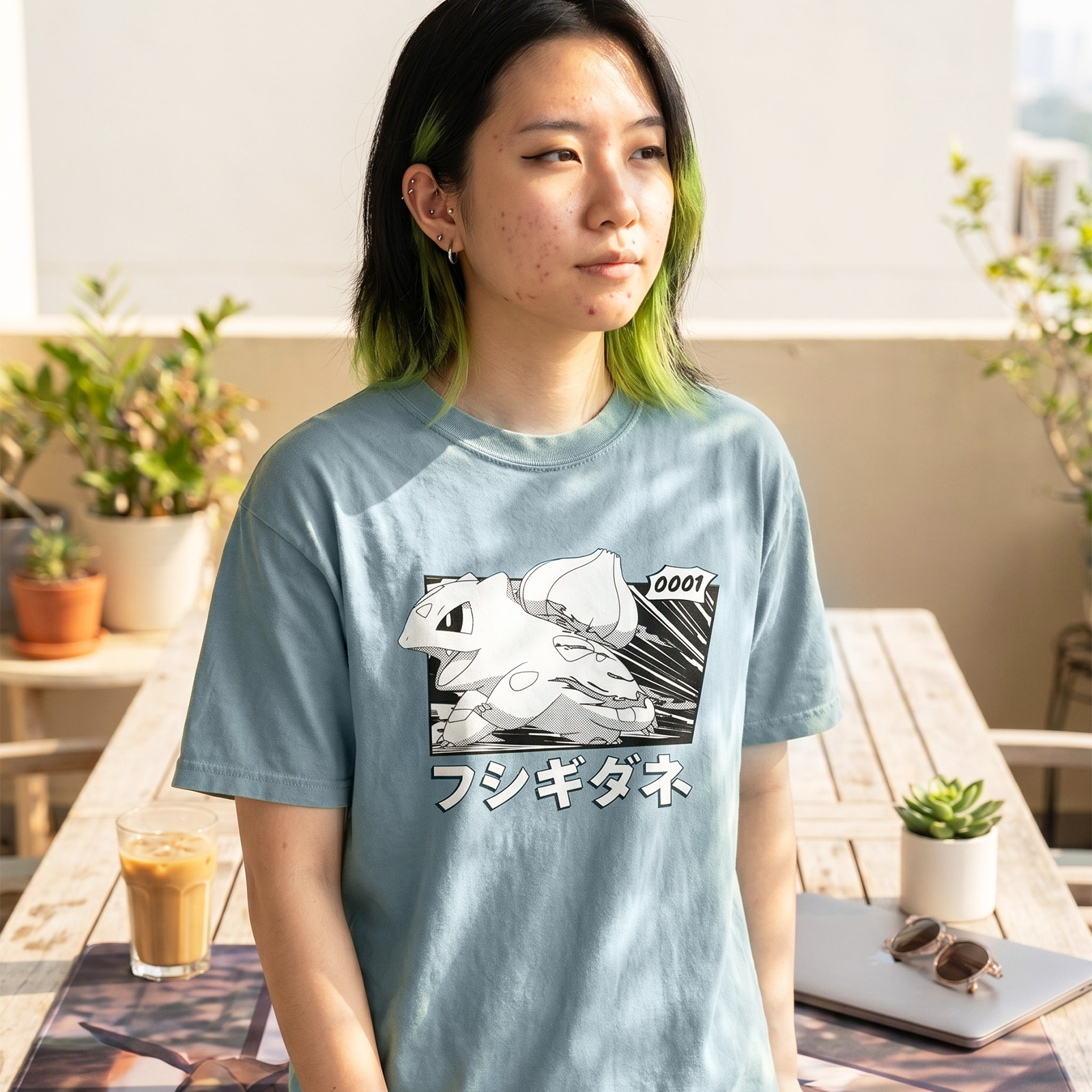
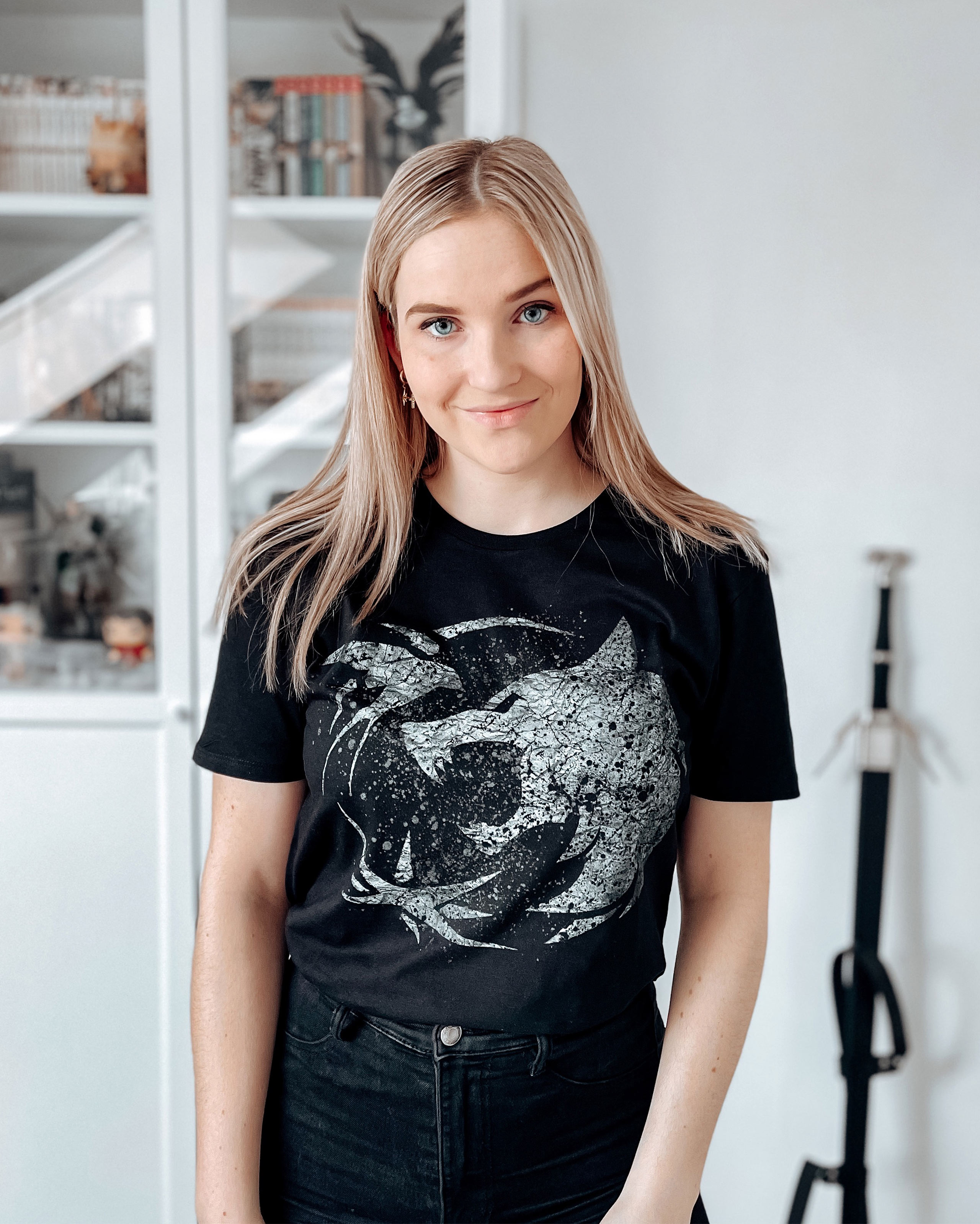
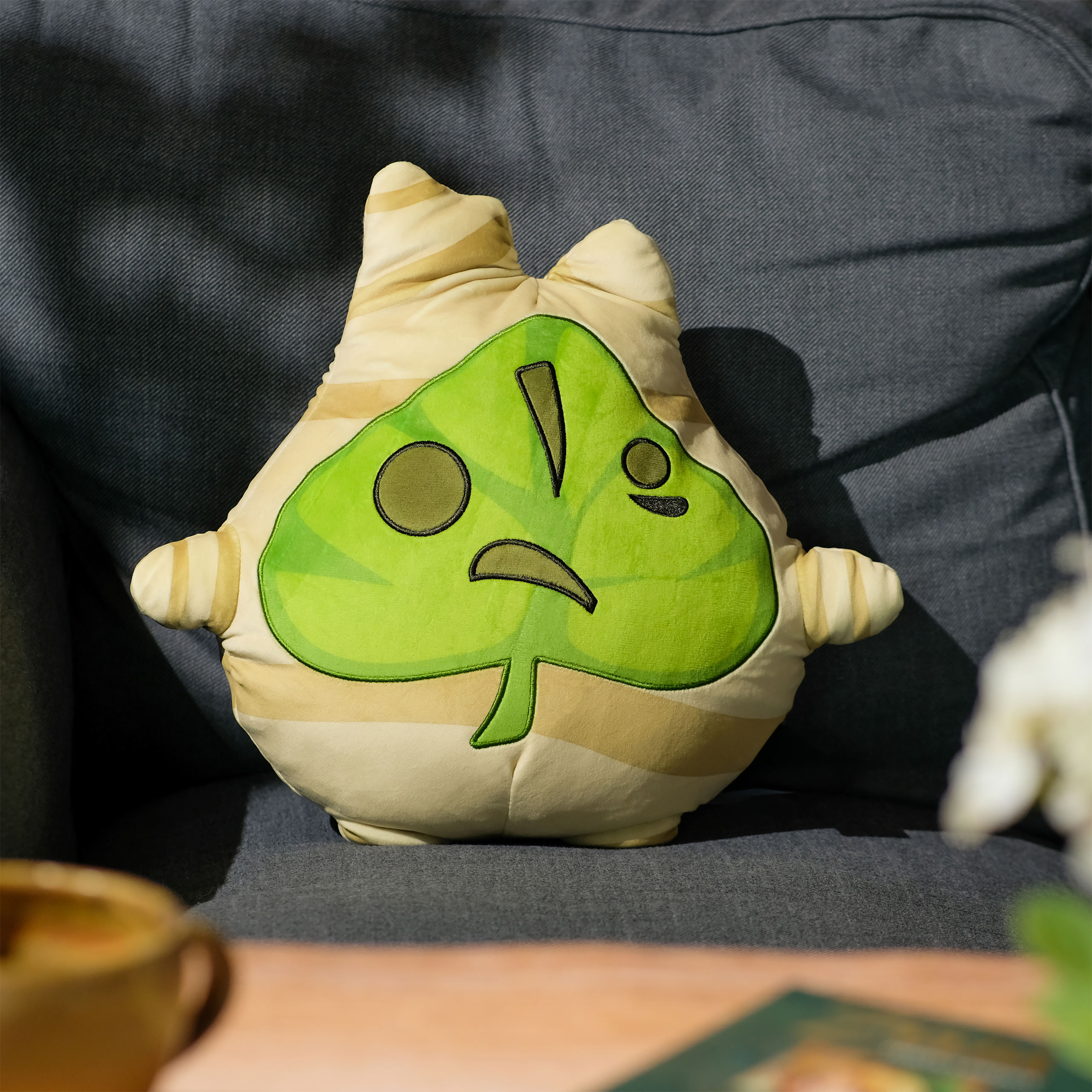
Gaming merchandise encompasses licensed products derived from video game intellectual properties. This includes apparel, accessories, home goods, collectibles, and lifestyle items featuring characters, iconography, and designs from game franchises. The category spans properties from major publishers like Nintendo, Blizzard, Riot Games, and Bethesda, as well as independent studios. Gaming merchandise serves both as functional everyday items and as collectible displays of fandom, bridging the gap between interactive entertainment and physical goods.
Frequently asked questions
What kinds of gaming merchandise are available?
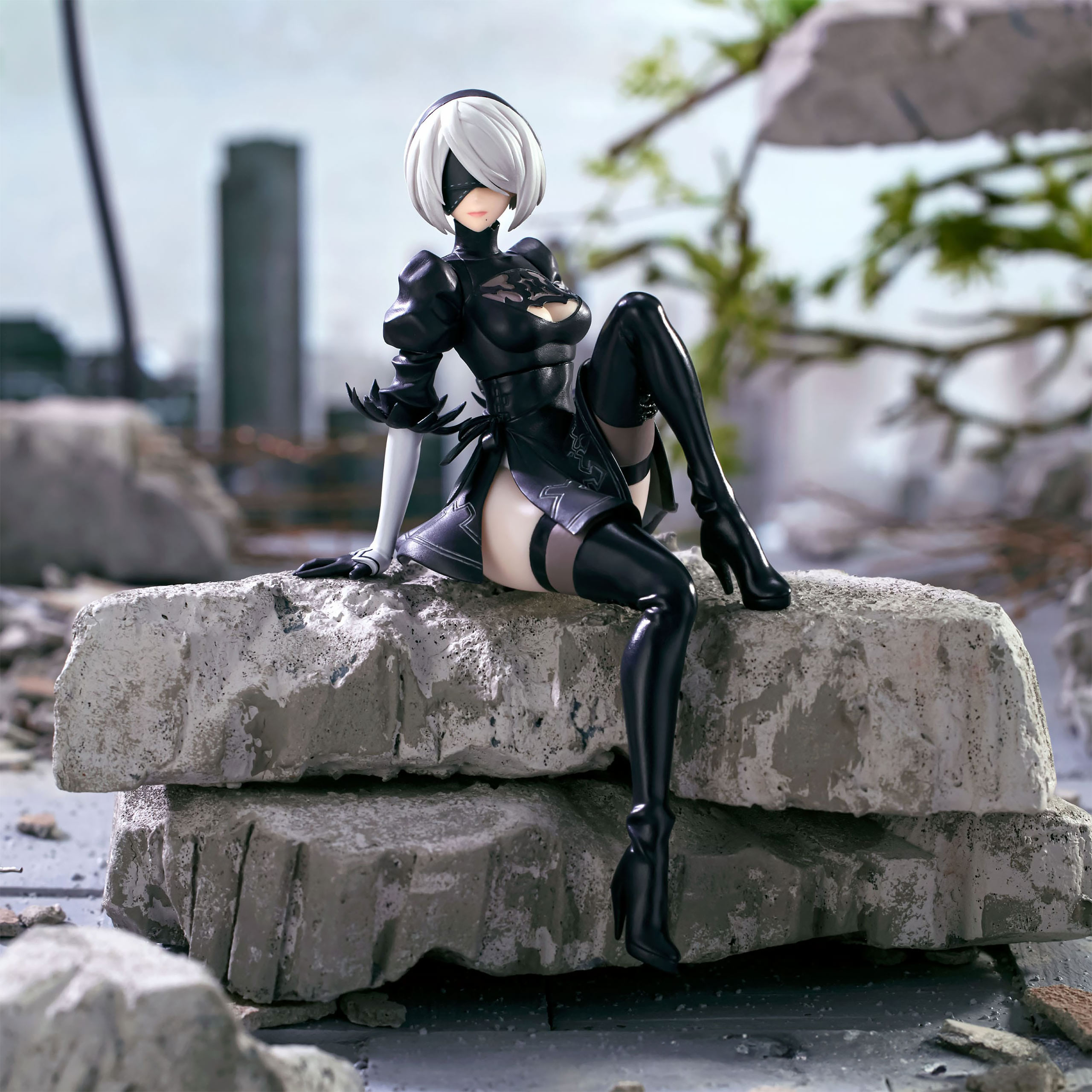
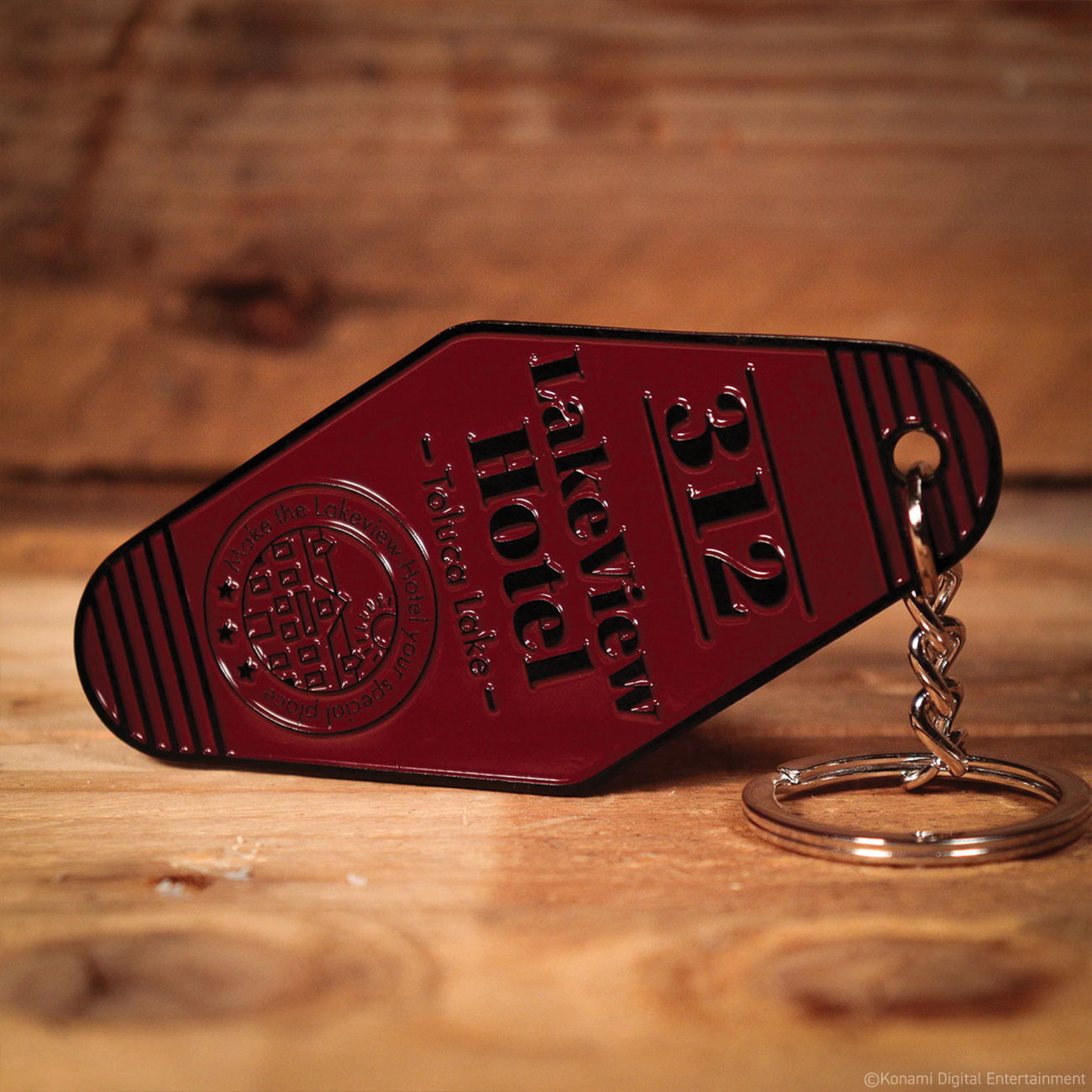
Gaming merchandise ranges from wearables like t-shirts, hoodies, and accessories to home items such as mugs, posters, and bedding. Collectibles include figures, statues, and replica items. The selection covers major franchises across different platforms and eras of gaming history.
Is gaming merchandise officially licensed?
Yes, gaming merchandise sold through established retailers carries official licensing from the respective publishers and rights holders. This ensures authentic designs, quality standards, and proper representation of the intellectual properties.
Which gaming franchises are represented?
The selection includes Nintendo properties, Blizzard titles, competitive gaming franchises, and story-driven series. Both classic franchises with decades of history and contemporary releases are represented in the catalogue.
Are gaming products suitable as gifts?
Gaming merchandise works well for gifting, provided you know the recipient's preferred franchises. Fans tend to have strong franchise loyalties, so matching the right universe matters more than the specific product type.
Assortment overview
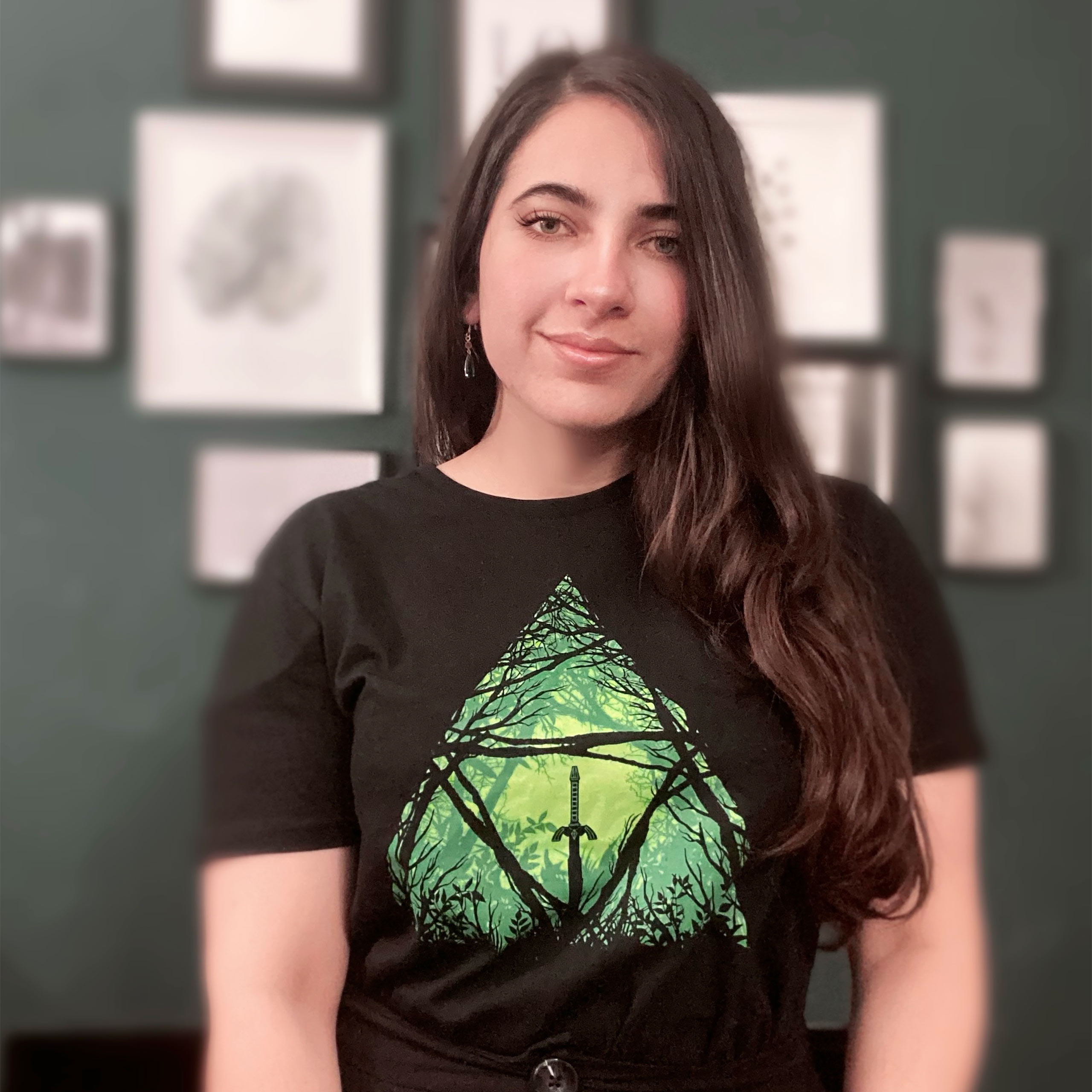
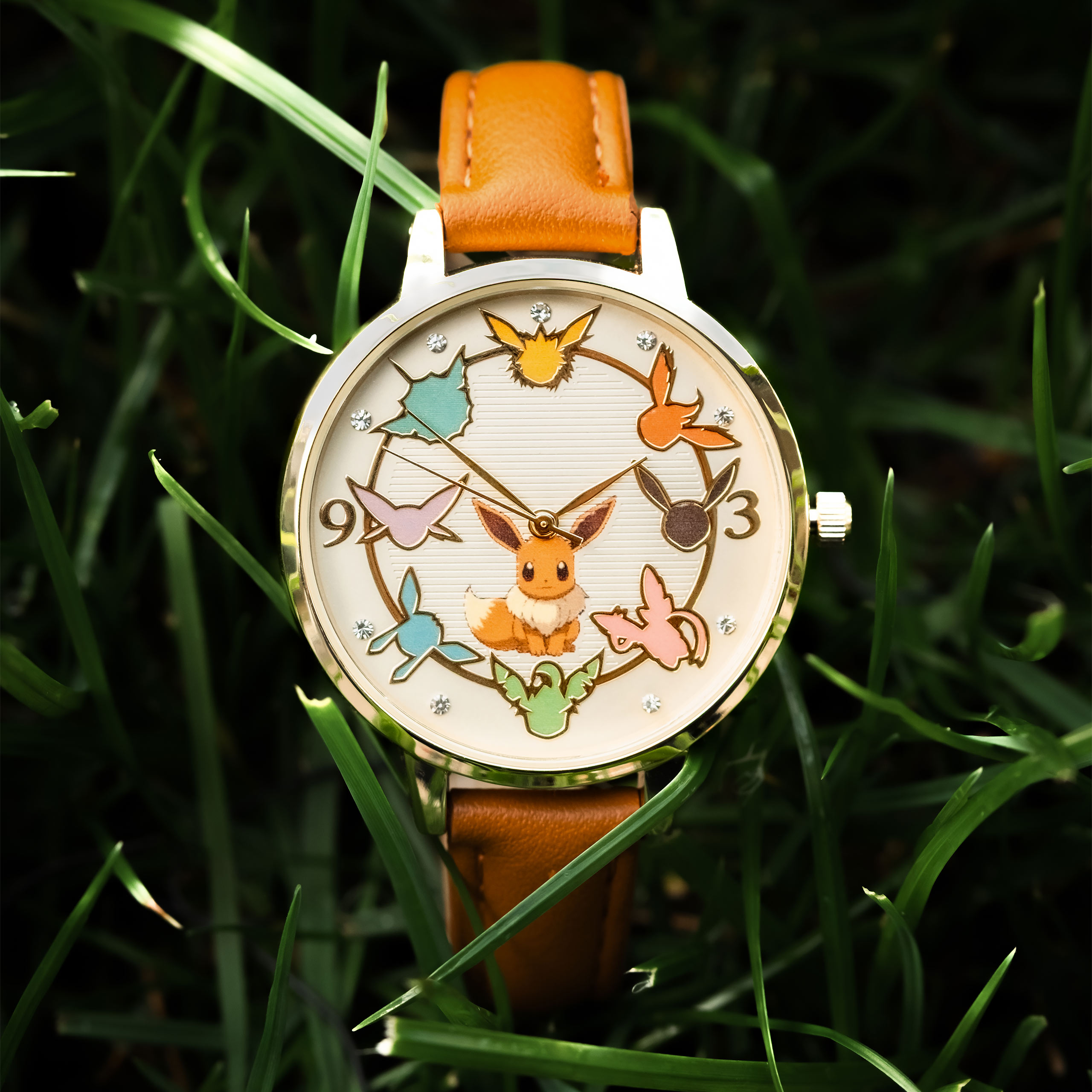
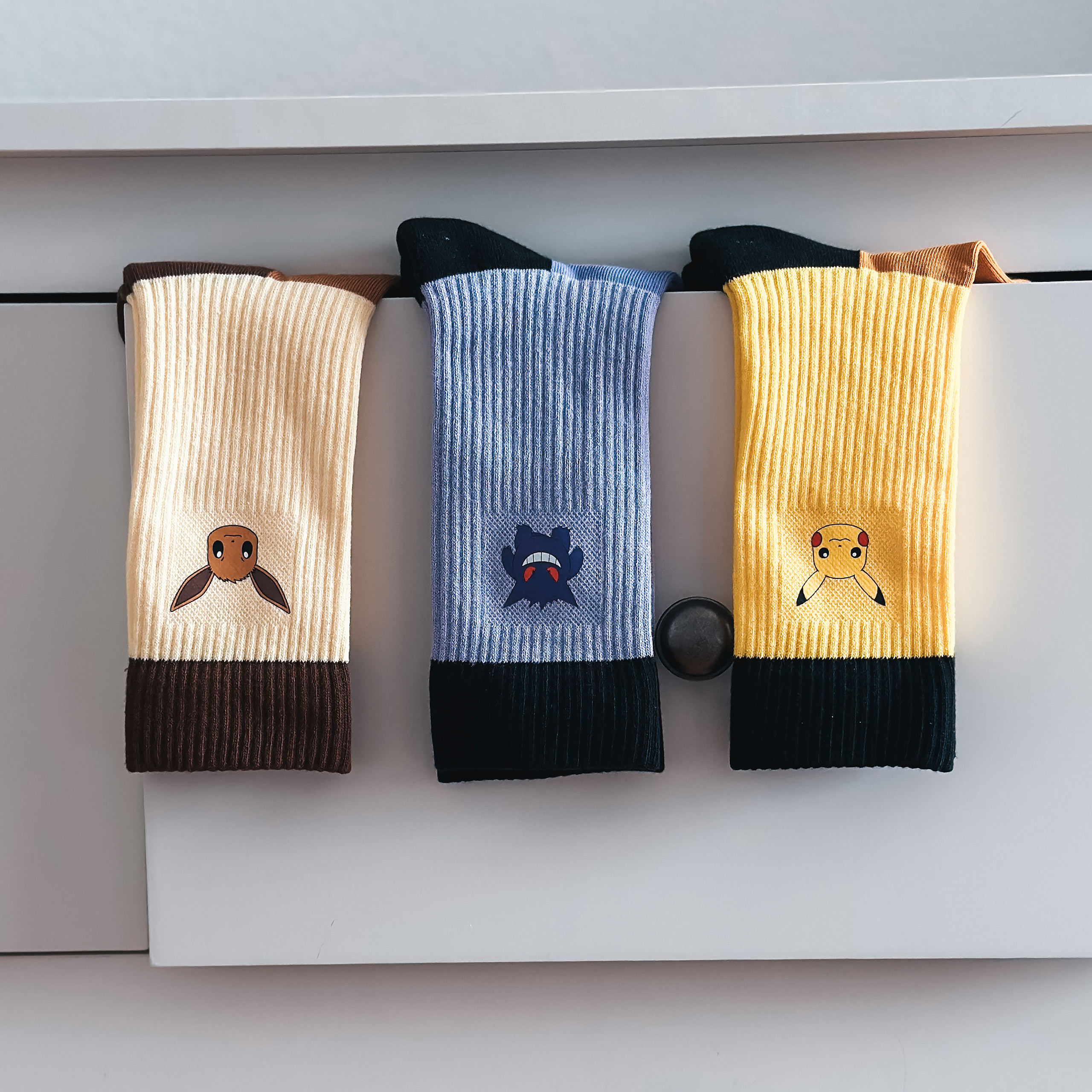
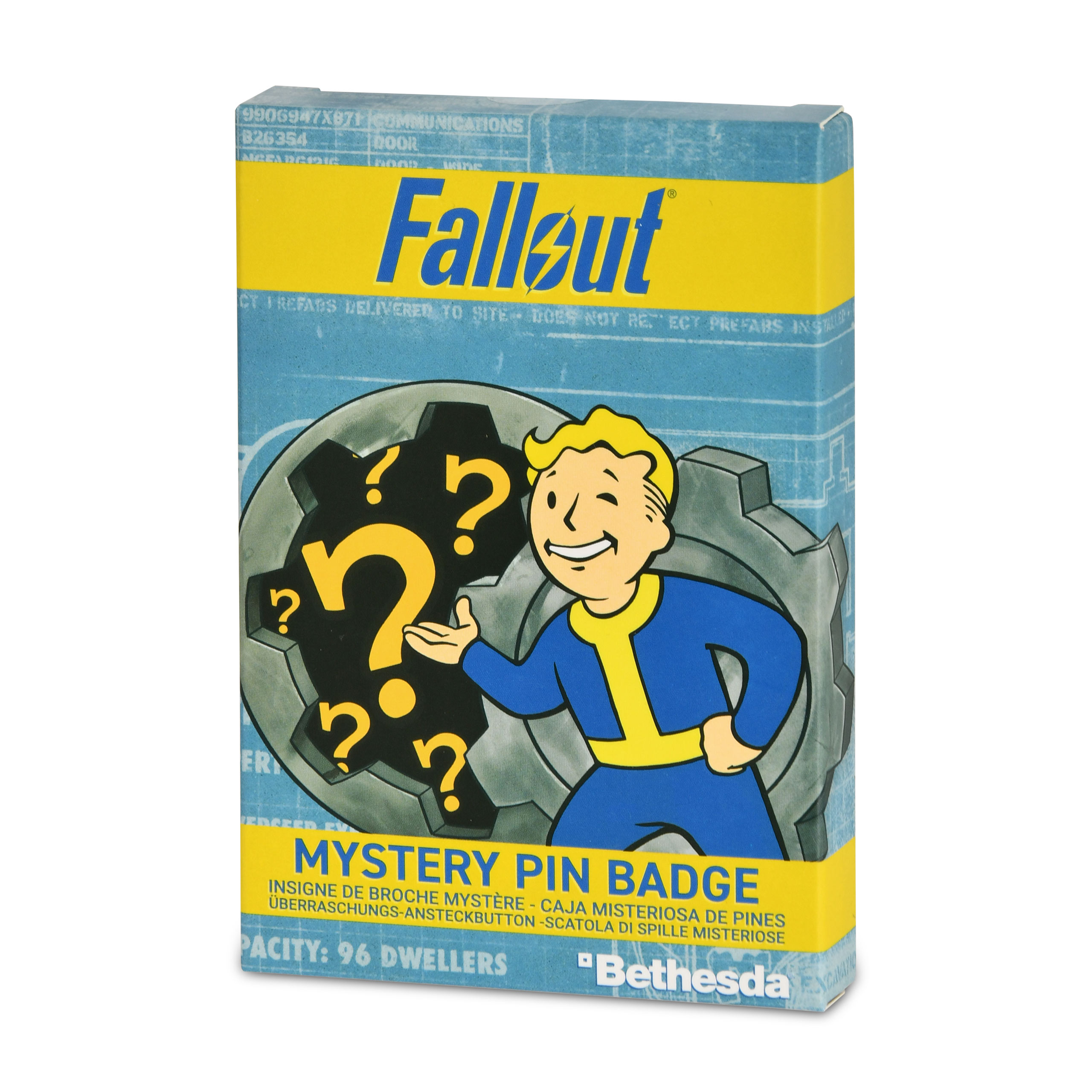
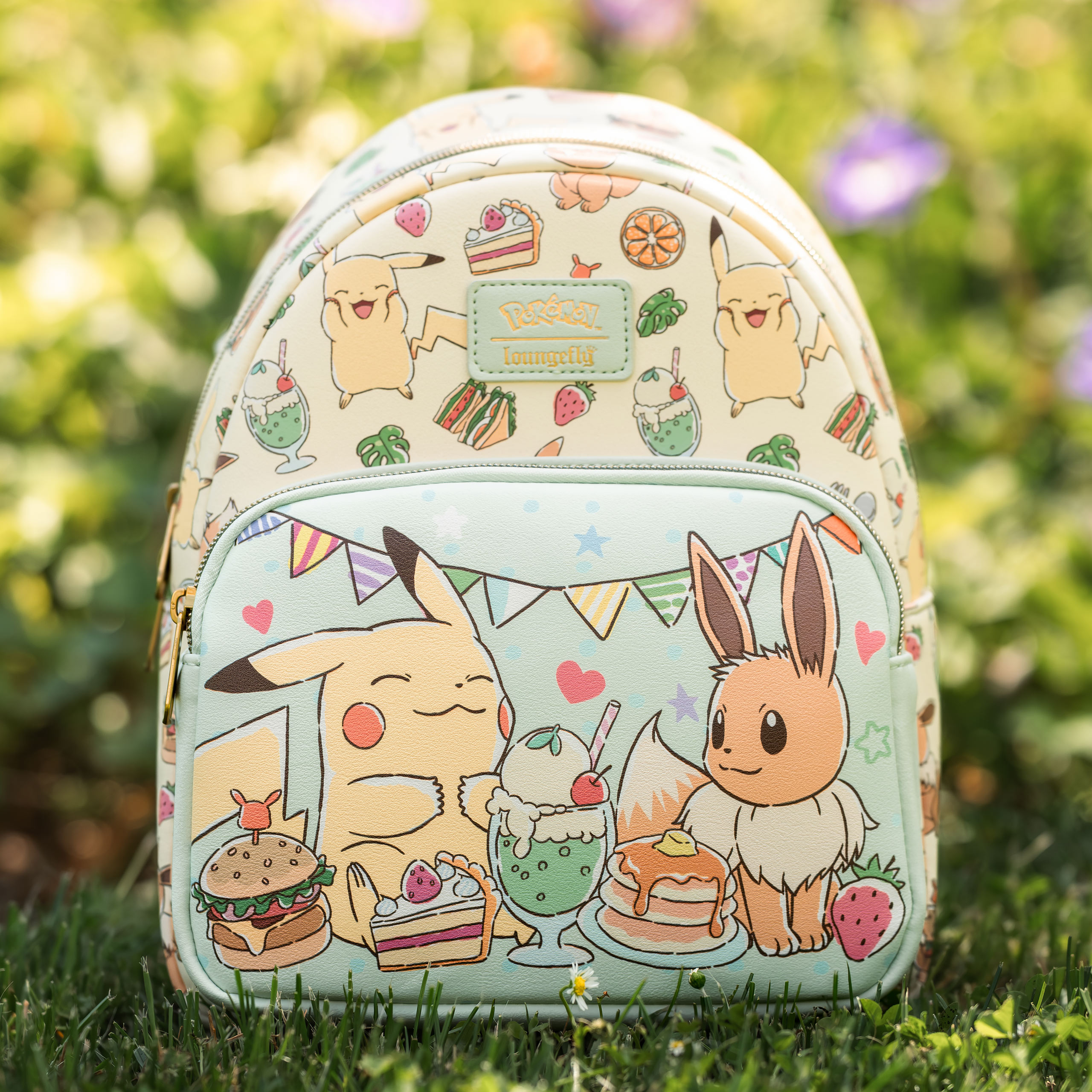
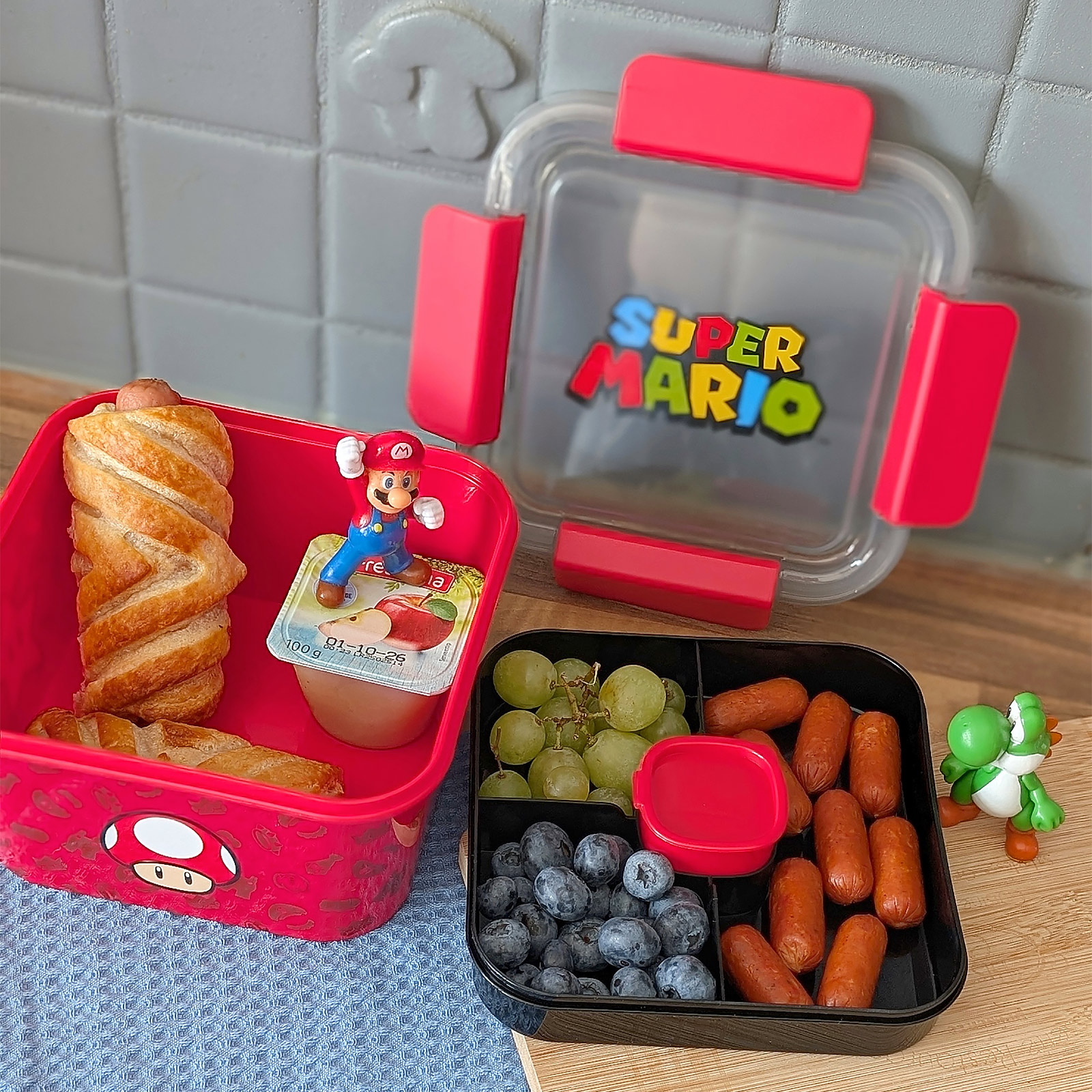
The gaming section organises by franchise, making it easy to dive into specific universes. Nintendo serves as home base for the company's broader catalogue, while individual series like Zelda, Super Mario, and Pokémon have dedicated sections. Blizzard fans can explore World of Warcraft, Overwatch, and Diablo separately. The competitive scene is covered through League of Legends, while narrative-driven experiences like The Last of Us and Fallout cater to story-focused players. Minecraft and Destiny round out the selection with their respective communities.
What goes well with this?
Gaming rarely exists in isolation — many franchises share DNA with fantasy, sci-fi, and anime. Zelda fans often appreciate broader fantasy aesthetics, while Fallout enthusiasts might find common ground with retro-futurism elsewhere in the shop. And honestly, the Venn diagram between "plays JRPGs" and "watches anime" is practically a circle. Worth exploring the neighbouring aisles.