Middle Ages Merchandise – A Thousand Years of History to Wear
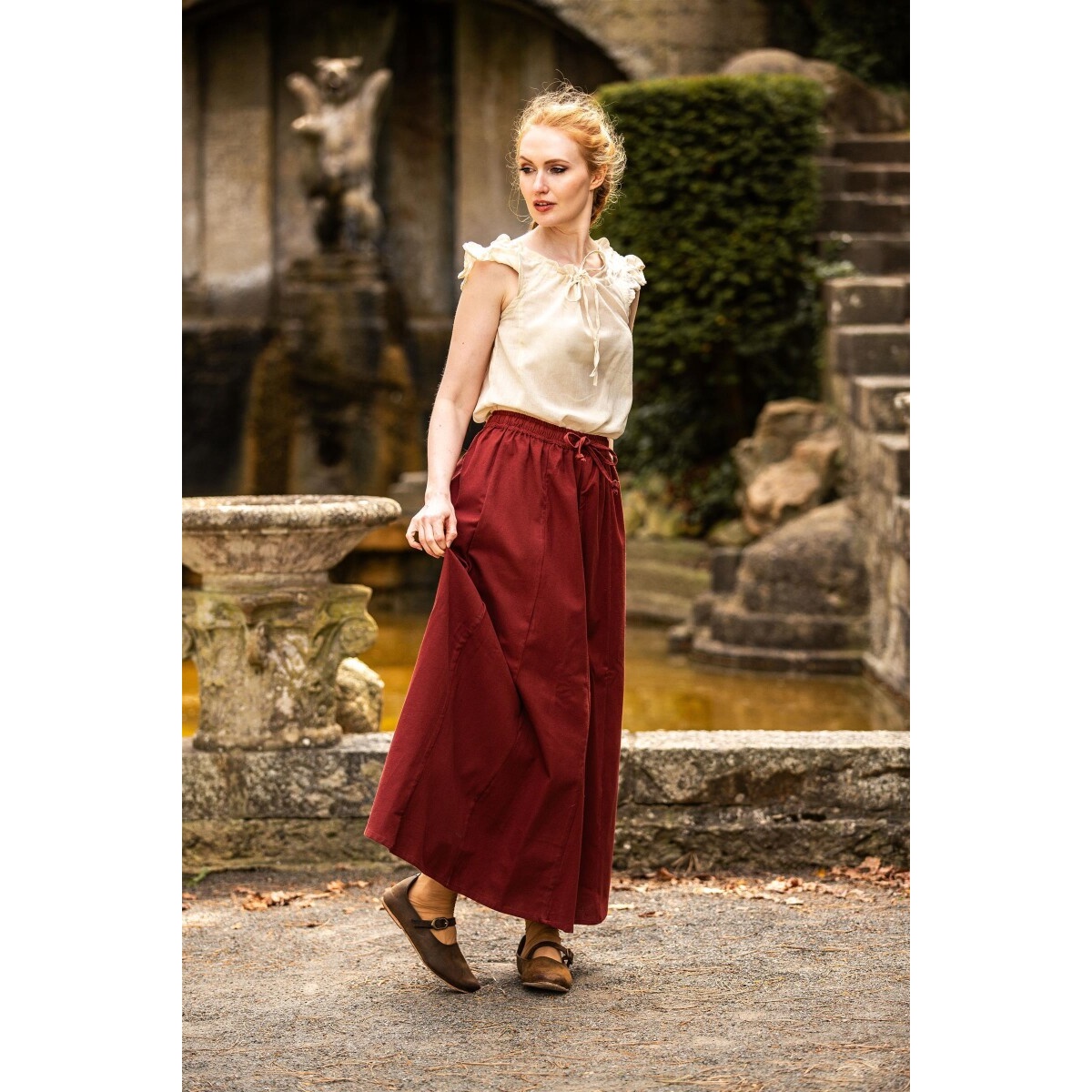
Here's the thing about medieval merchandise: it's not really about accuracy in the museum-catalogue sense. It's about capturing something — the weight of a proper cloak, the satisfying heft of a drinking horn, the way a well-made tunic actually moves when you walk. Whether you're a dedicated LARP participant, a medieval market regular, or someone who just thinks modern fashion could use more capes, this collection has something for your particular flavour of historical appreciation.
What defines the Middle Ages?
The Middle Ages describes a period of European history spanning approximately the 6th to 15th centuries. Historians typically divide this era into three phases: the Early Middle Ages (roughly 6th to 11th century), the High Middle Ages (11th century to around 1250), and the Late Middle Ages (1250 to approximately 1500). The boundaries between these periods remain fluid, as historical transitions rarely align with single events. The term itself was coined by Renaissance scholars who positioned their era as distinct from what they considered a less enlightened age — though the medieval period saw significant developments in trade, urban growth, university founding, and the eventual invention of the printing press.
Frequently asked questions
What is Middle Ages merchandise used for?
Medieval merchandise serves various purposes: LARP events, medieval markets and fairs, Renaissance festivals, historical reenactment, theatrical productions, themed parties, and everyday wear for those who appreciate historical aesthetics. The garments and accessories work both as costumes and as functional clothing items.
How do I choose the right medieval outfit?
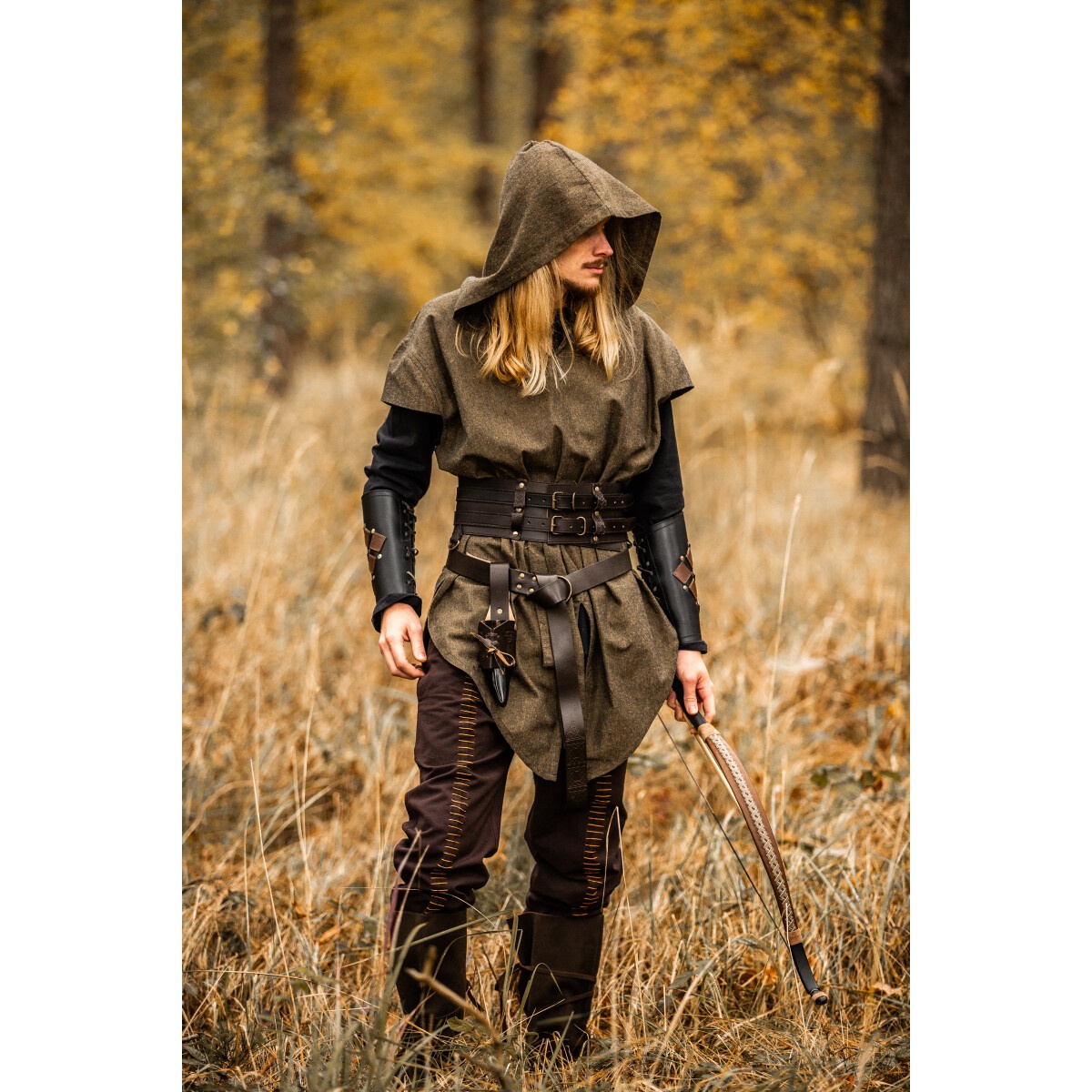
Consider your intended use first. For LARP and reenactment, layered outfits with tunics, vests, and cloaks offer authenticity and practicality. For medieval markets and festivals, dresses and blouses provide period-appropriate style with modern comfort. Accessories like belts and headgear complete any look without requiring a full costume commitment.
Are drinking horns practical for actual use?
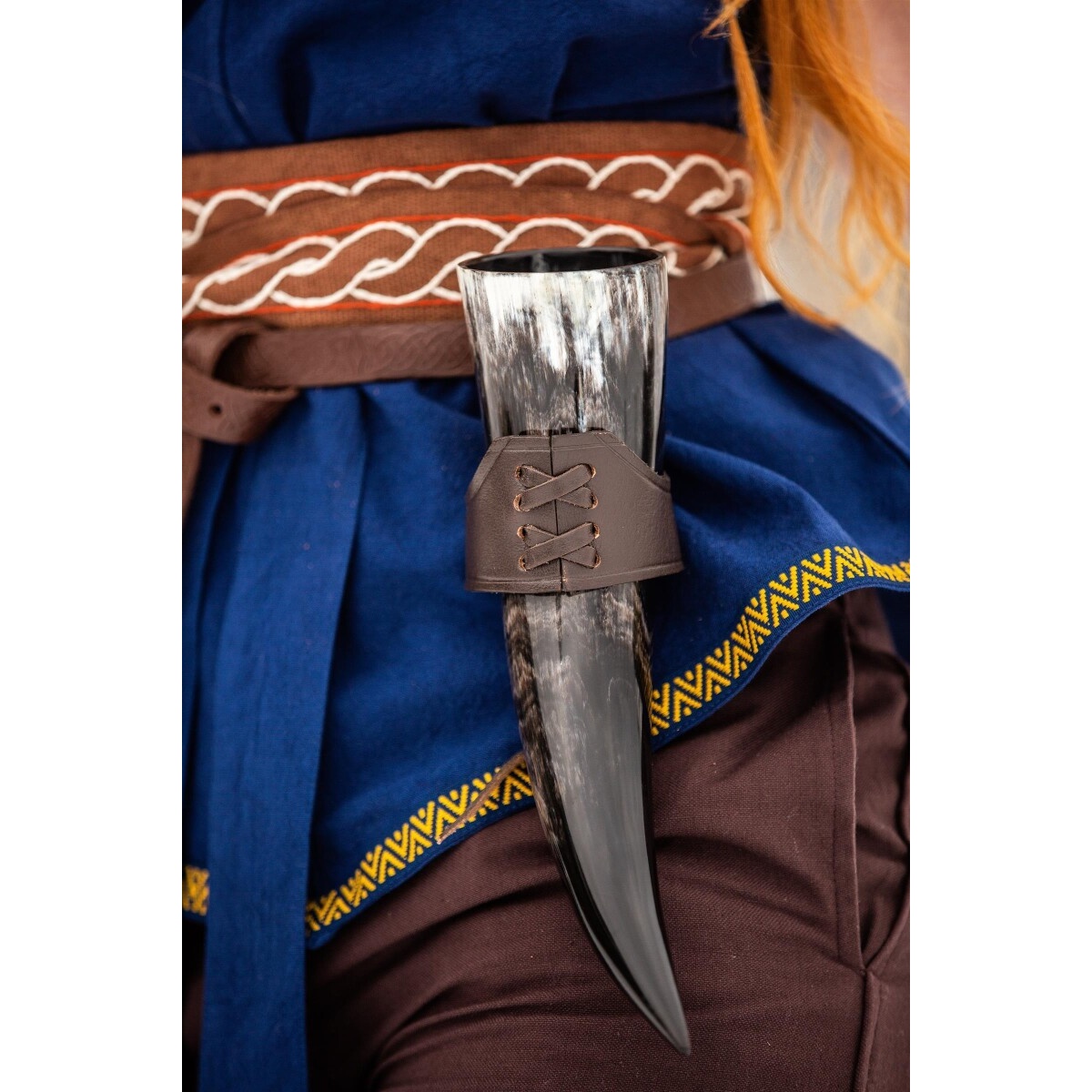
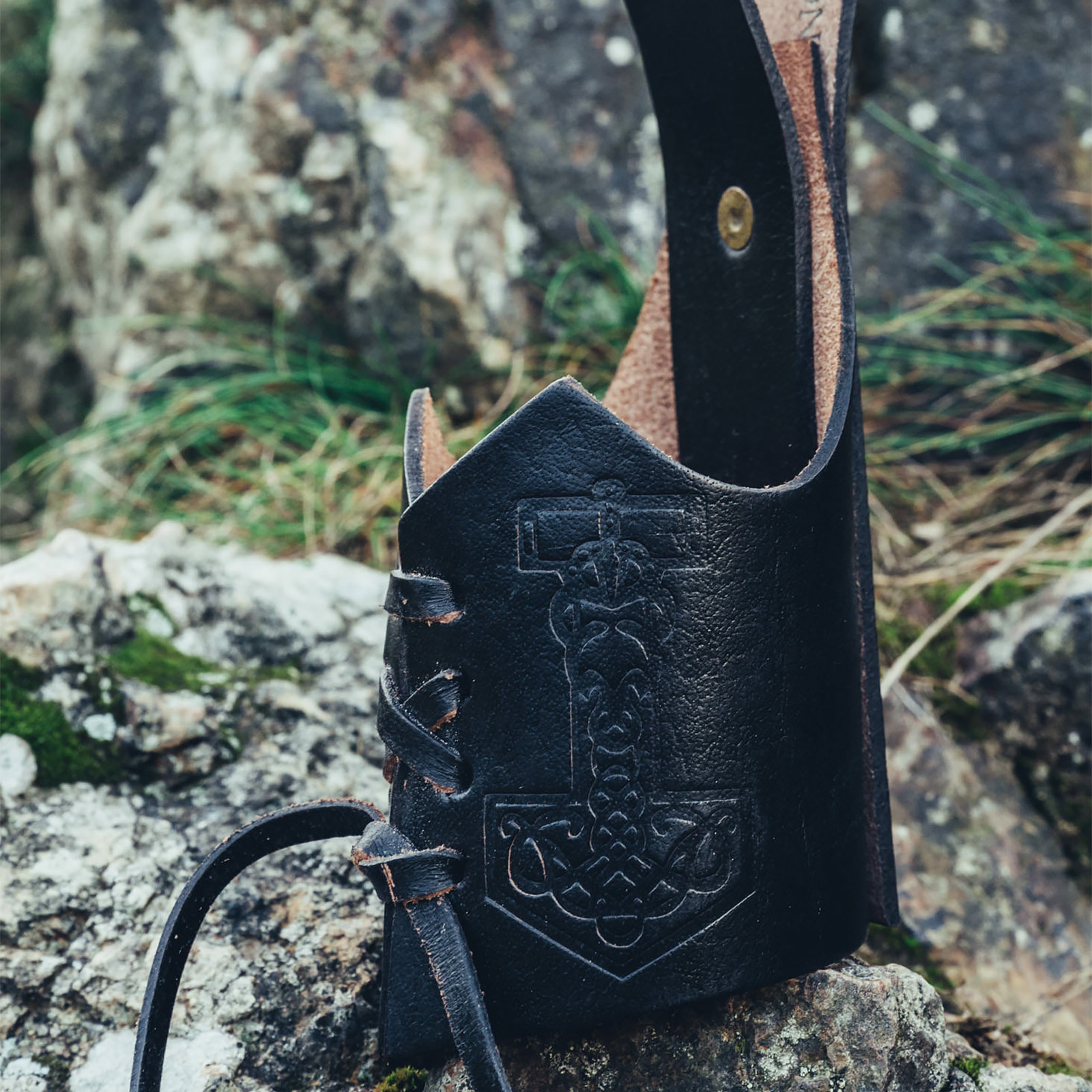
Drinking horns are fully functional vessels, though they require a stand or holder when not in hand — the pointed end means they cannot be set down upright. They work well for mead, ale, and other beverages at events and themed gatherings. Proper care involves hand-washing and occasional treatment to maintain the horn's condition.
Assortment overview
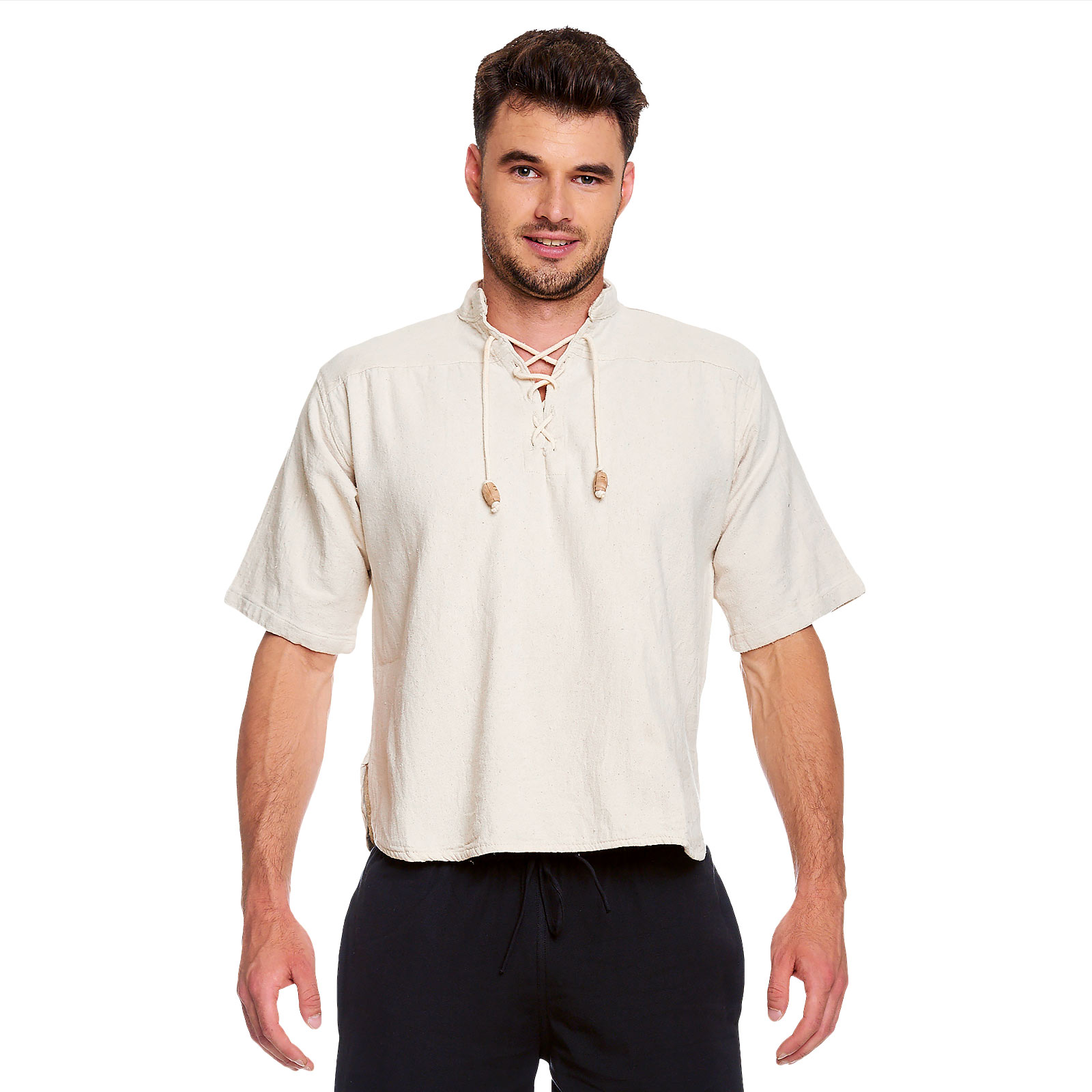
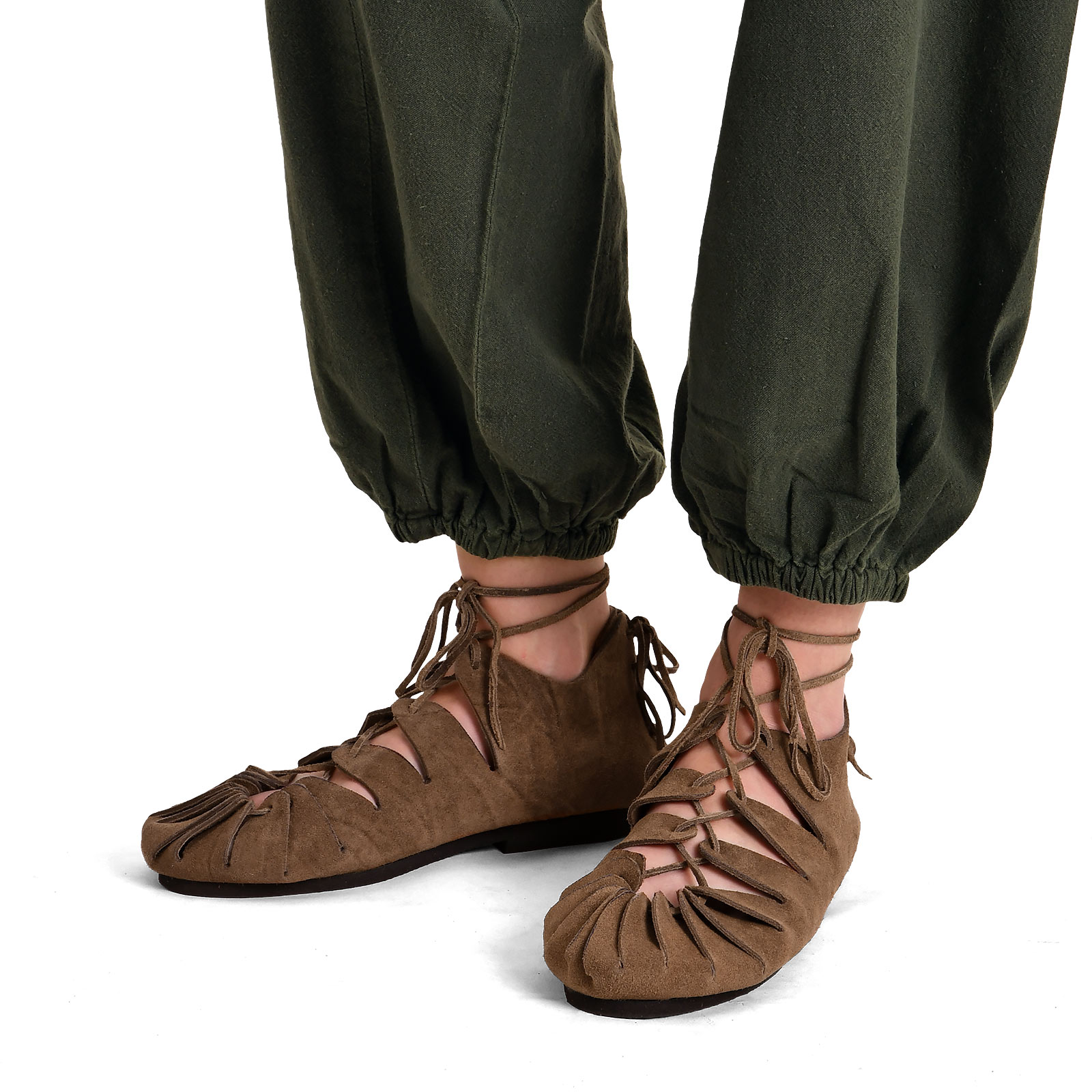
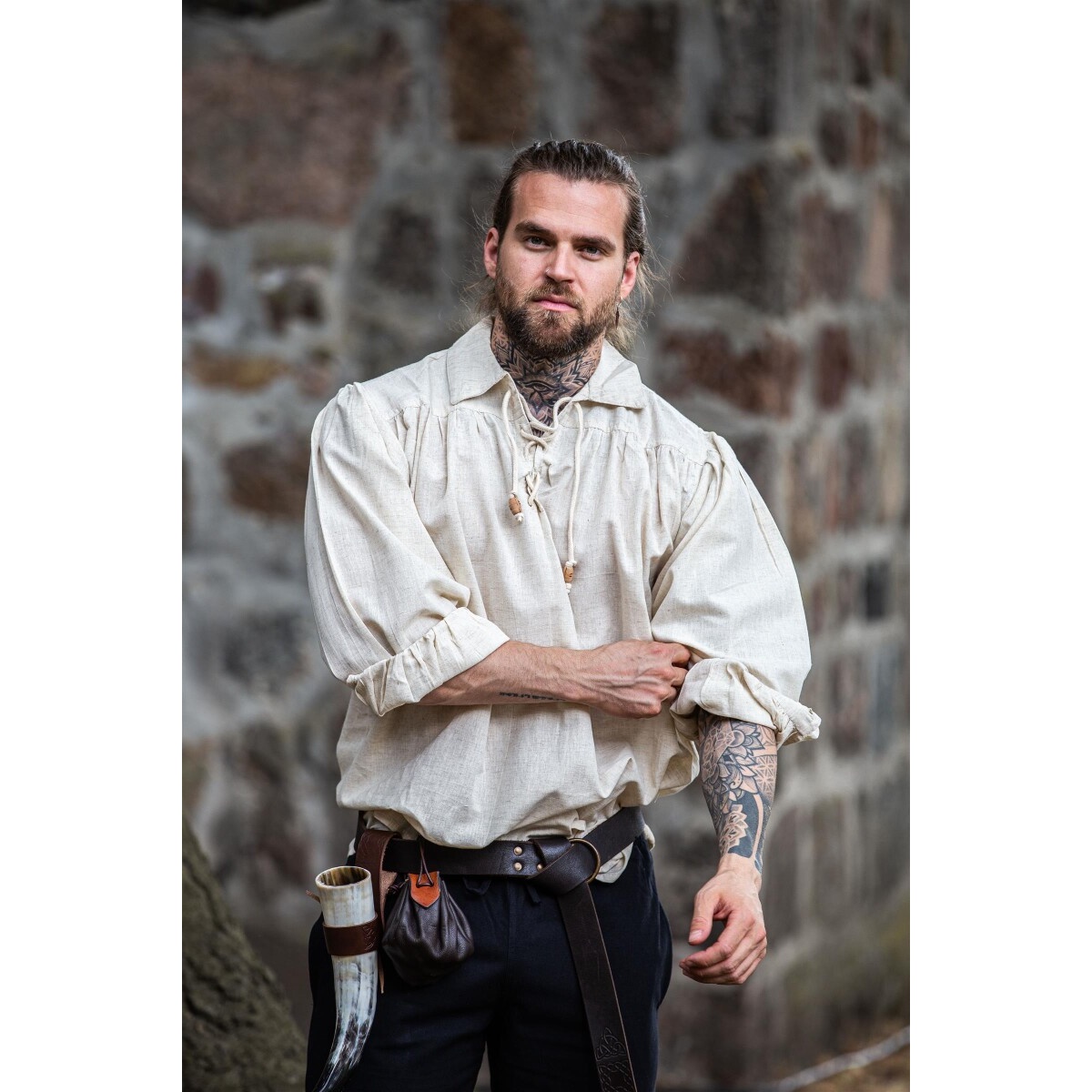
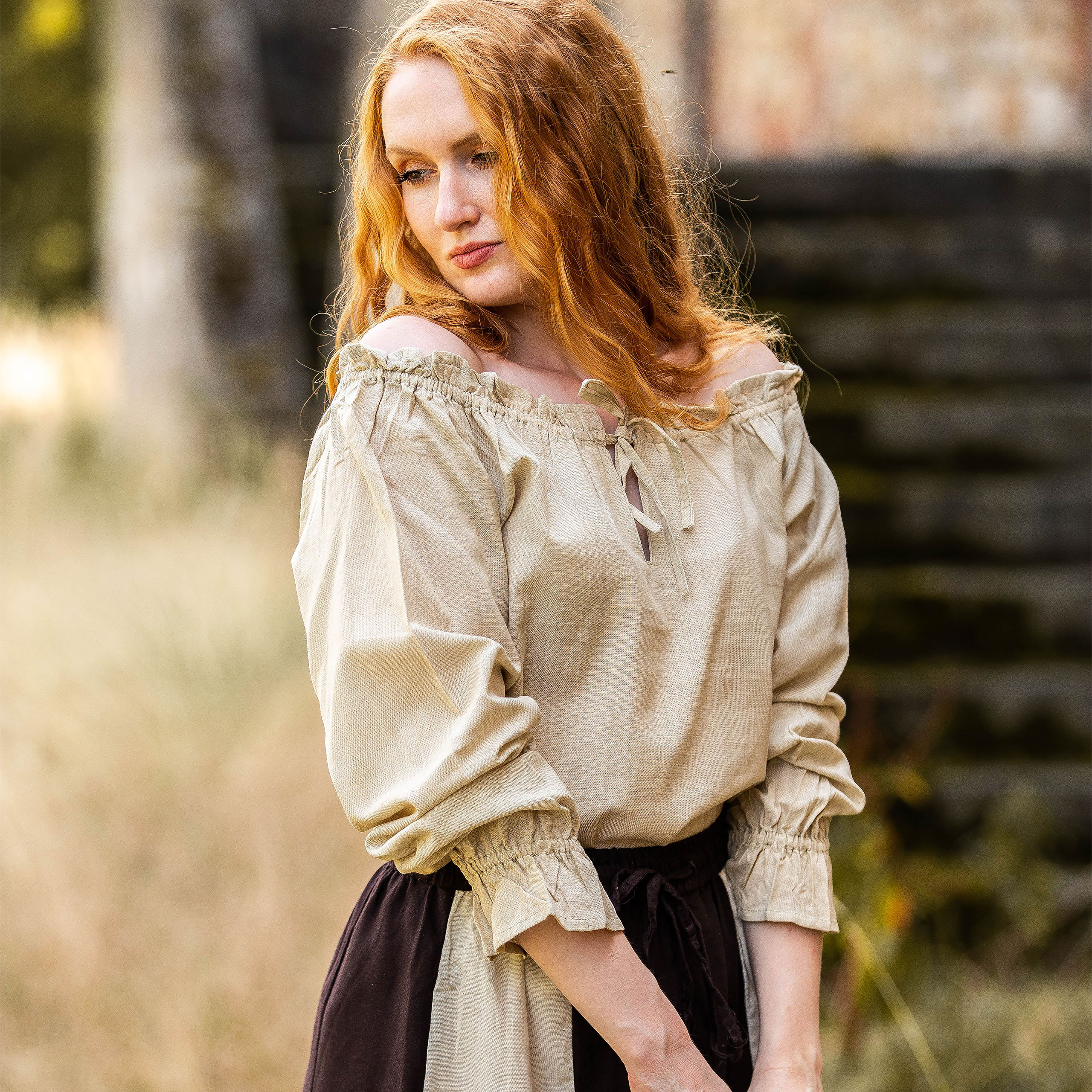
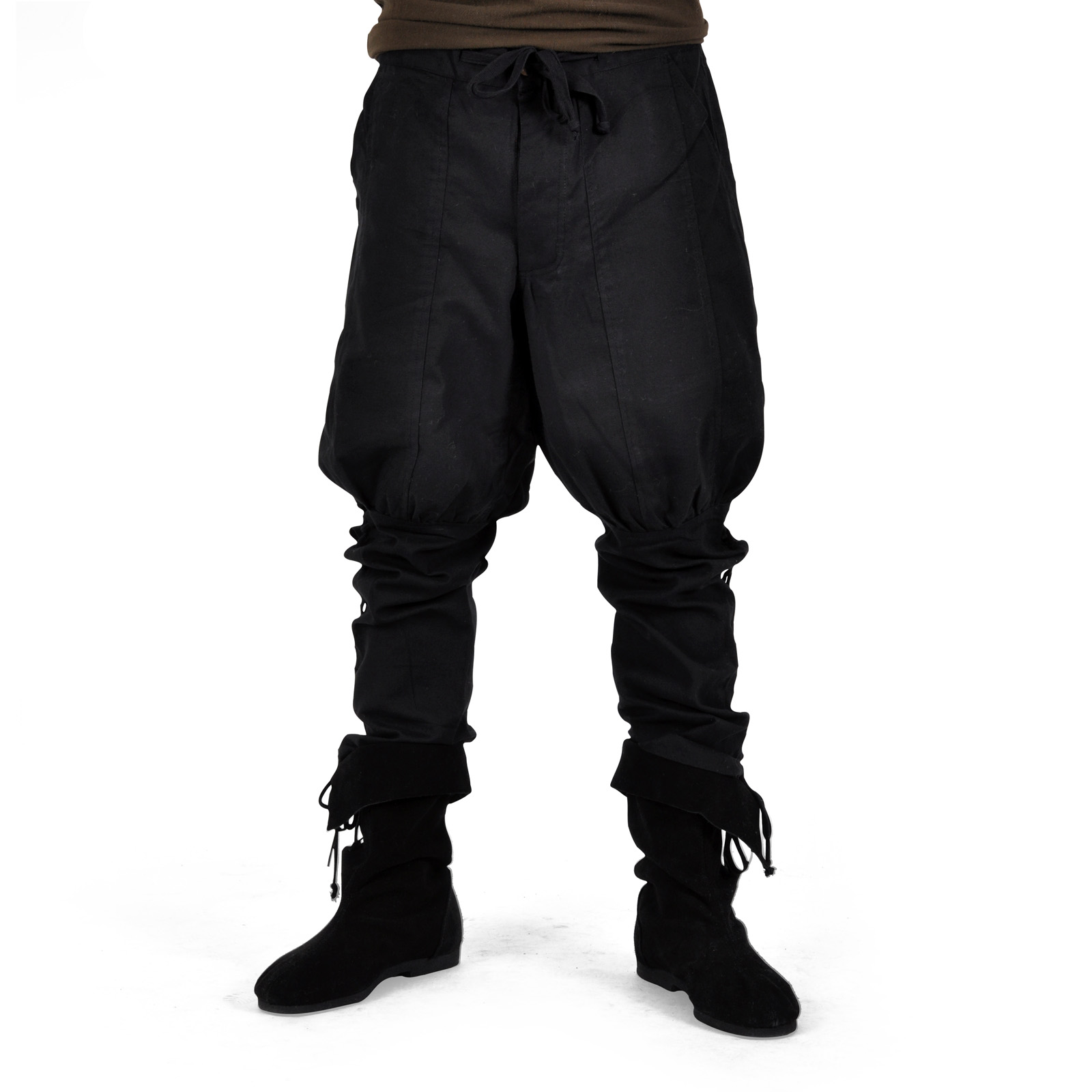
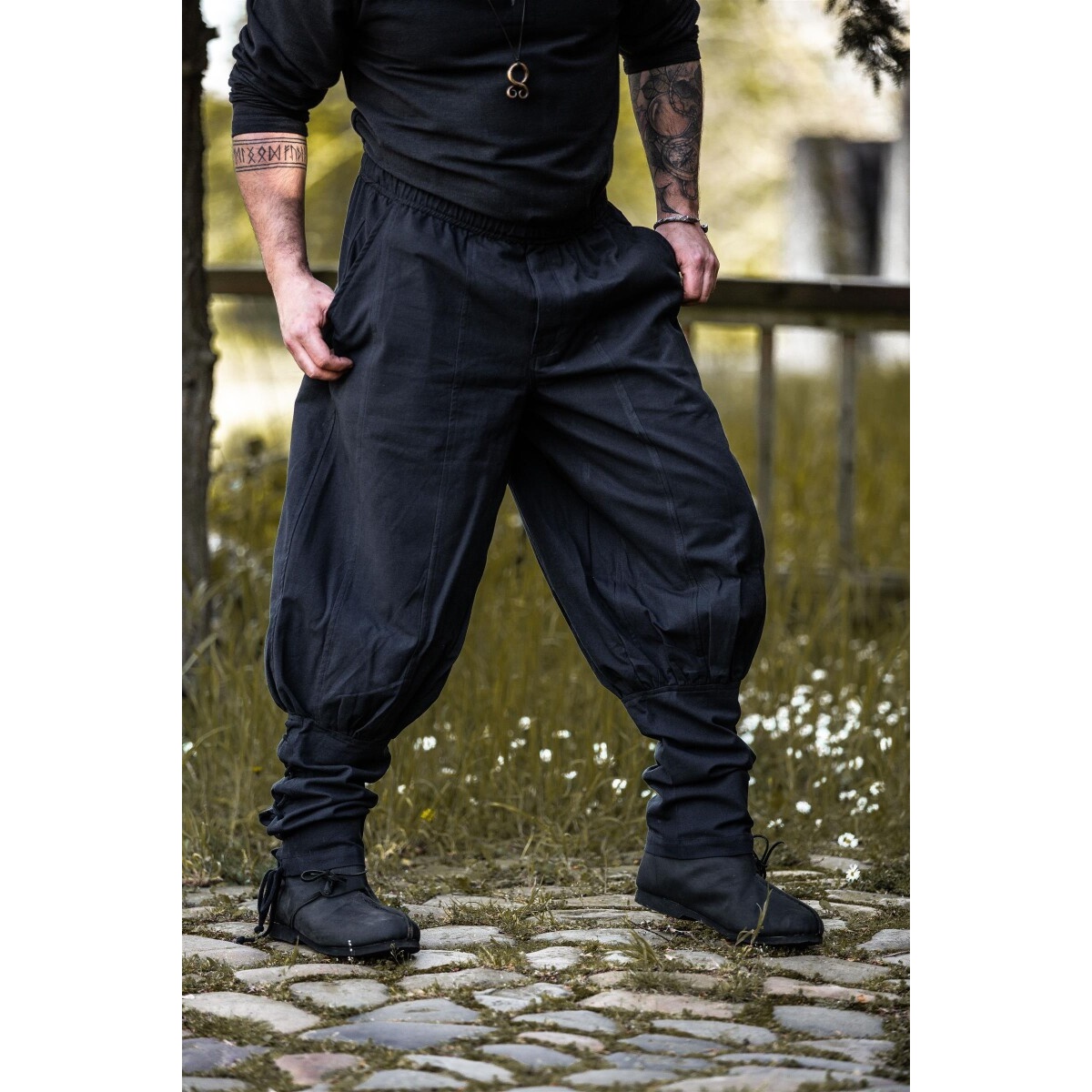
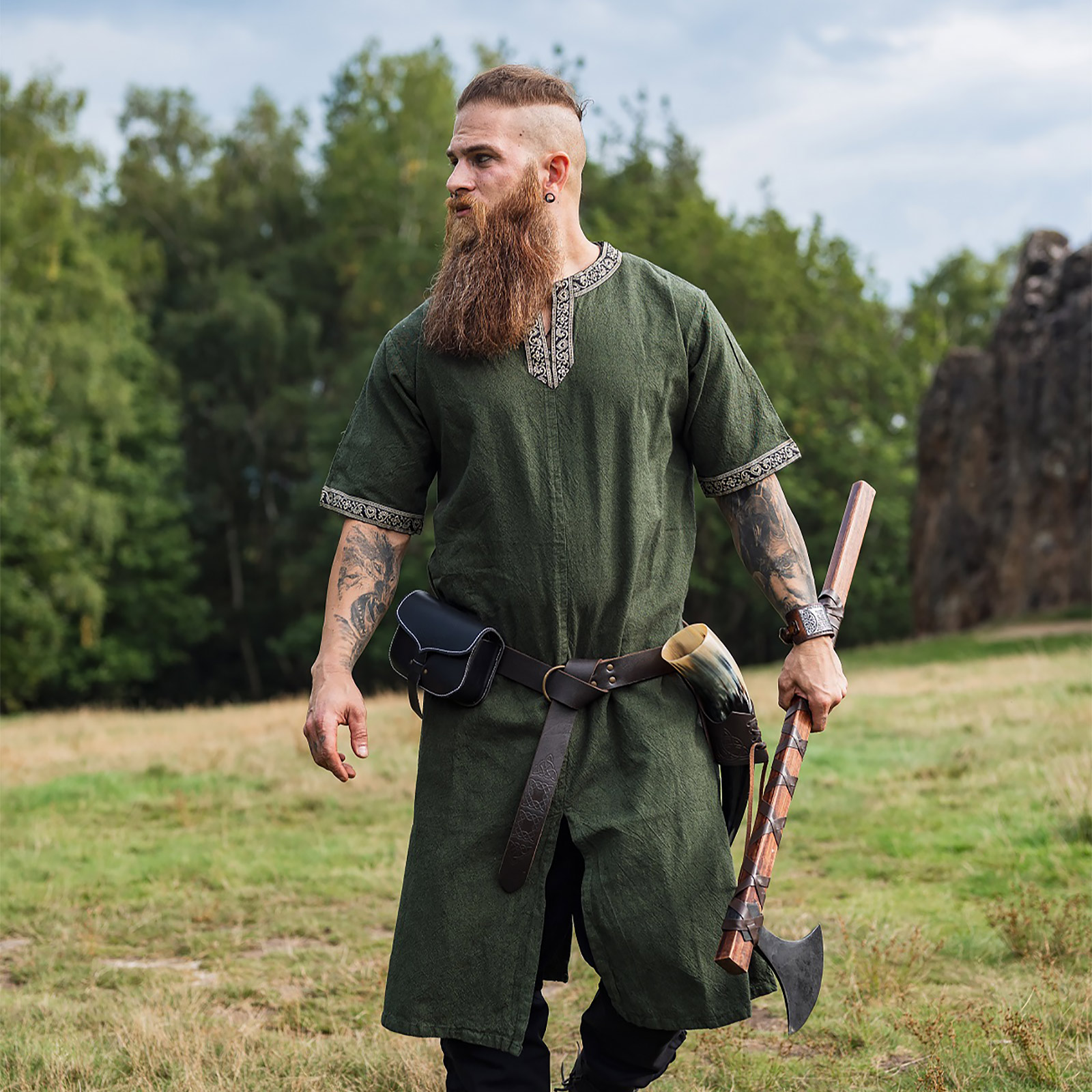
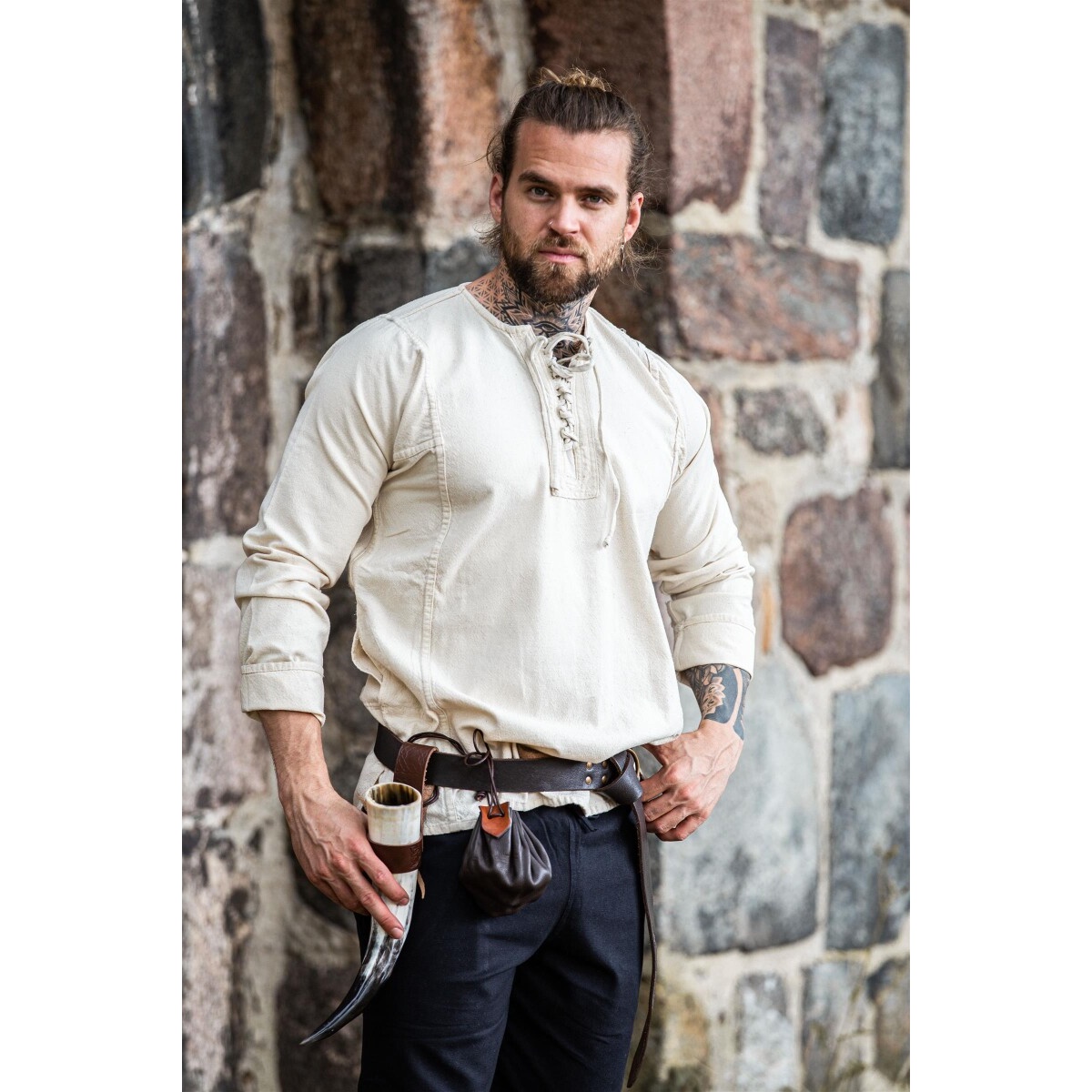
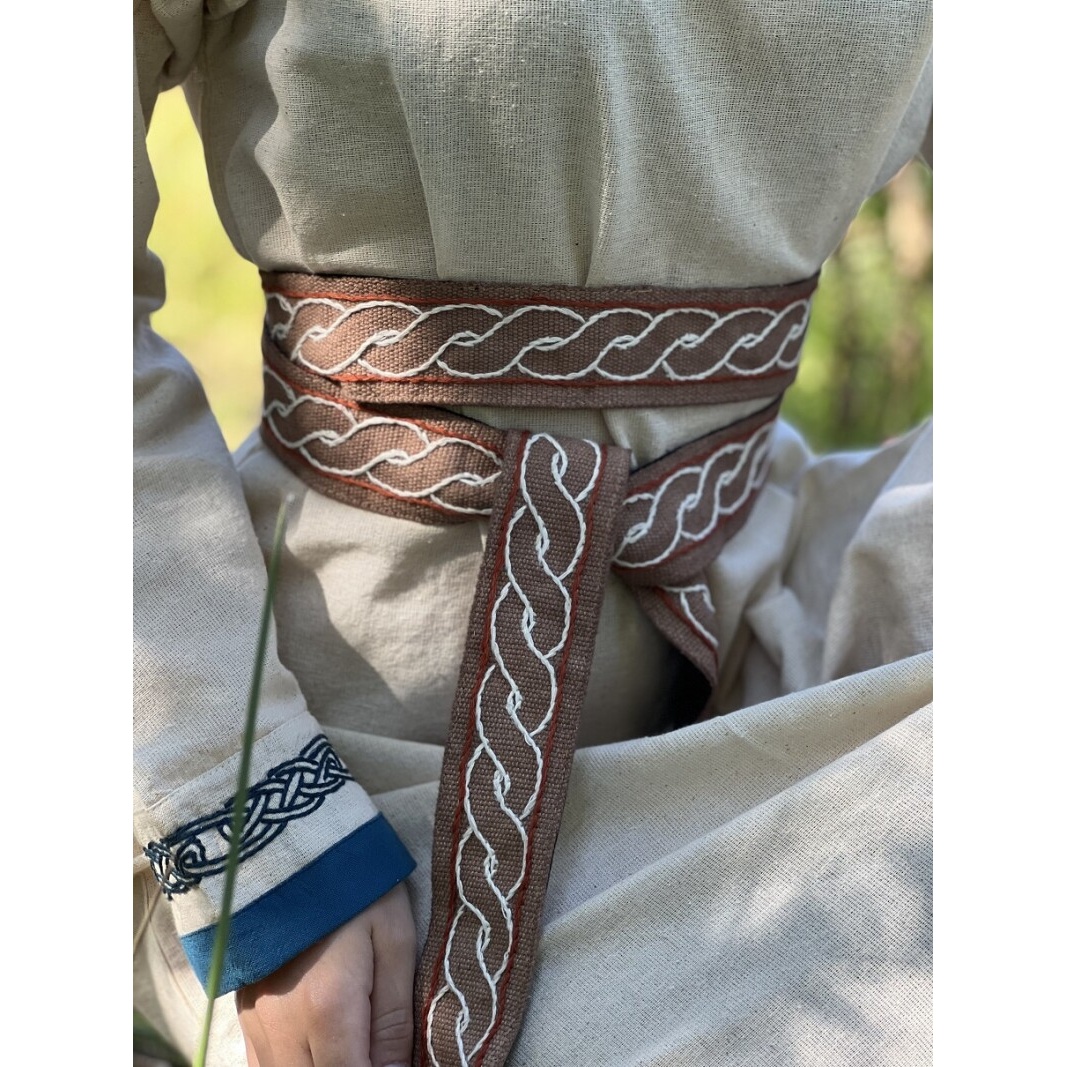
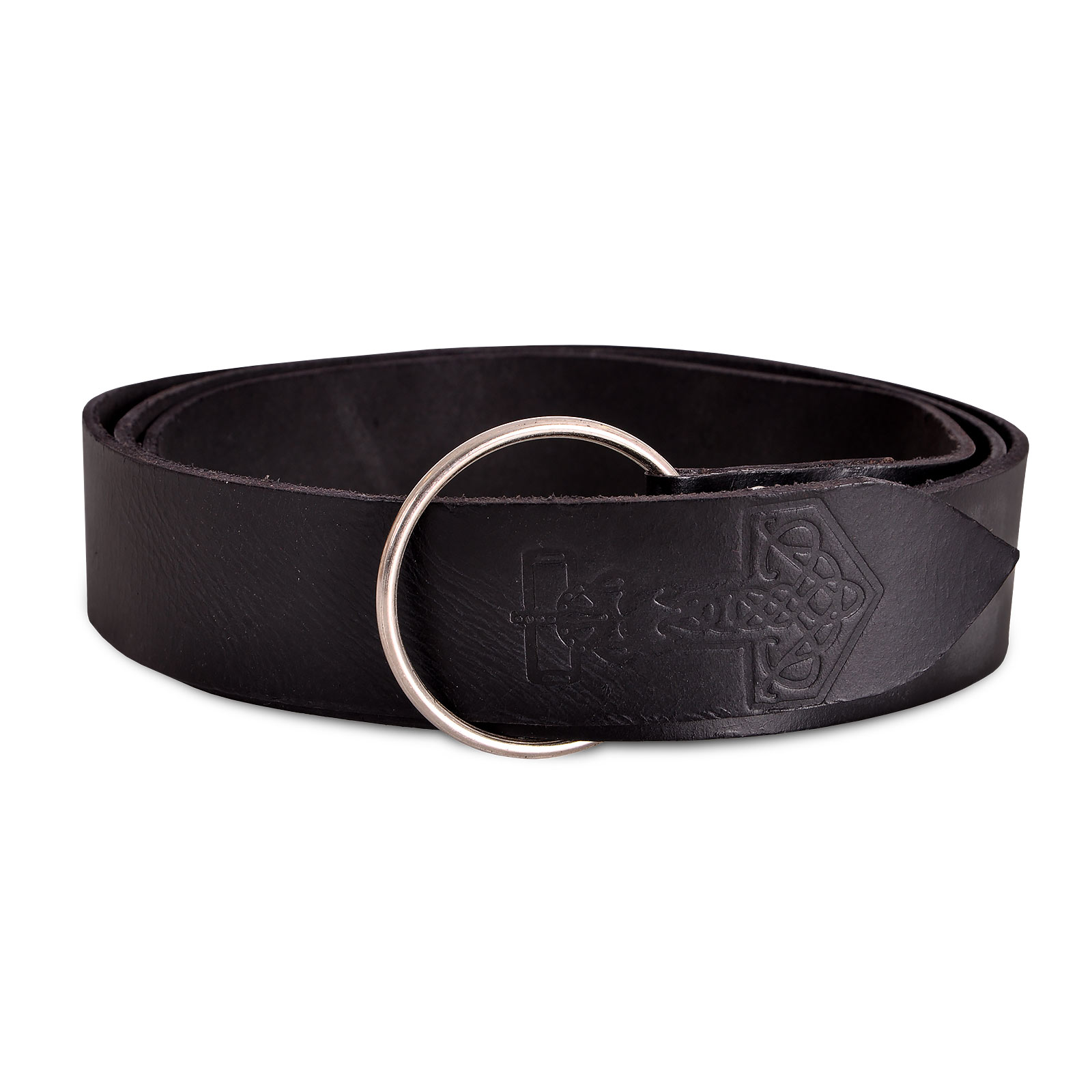
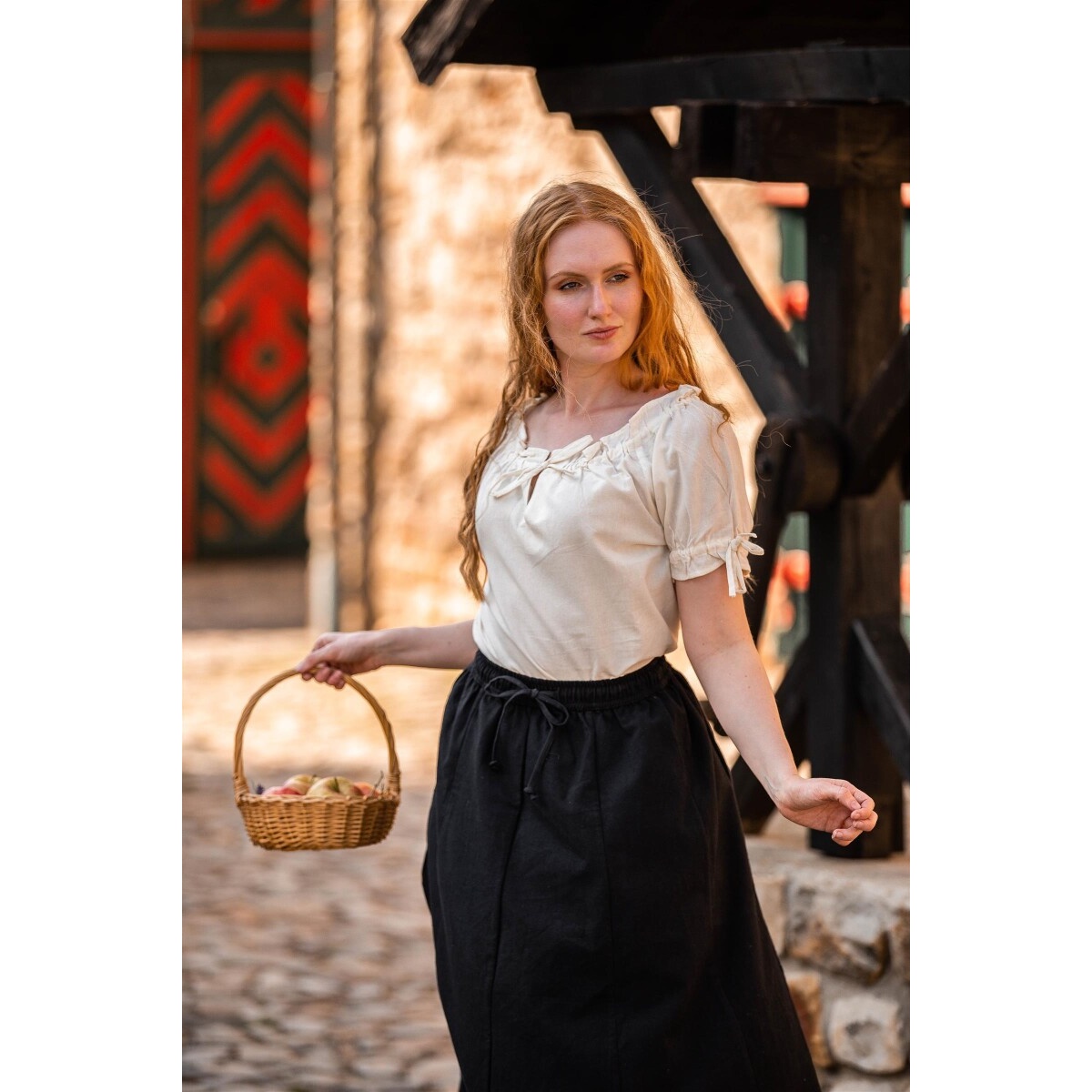
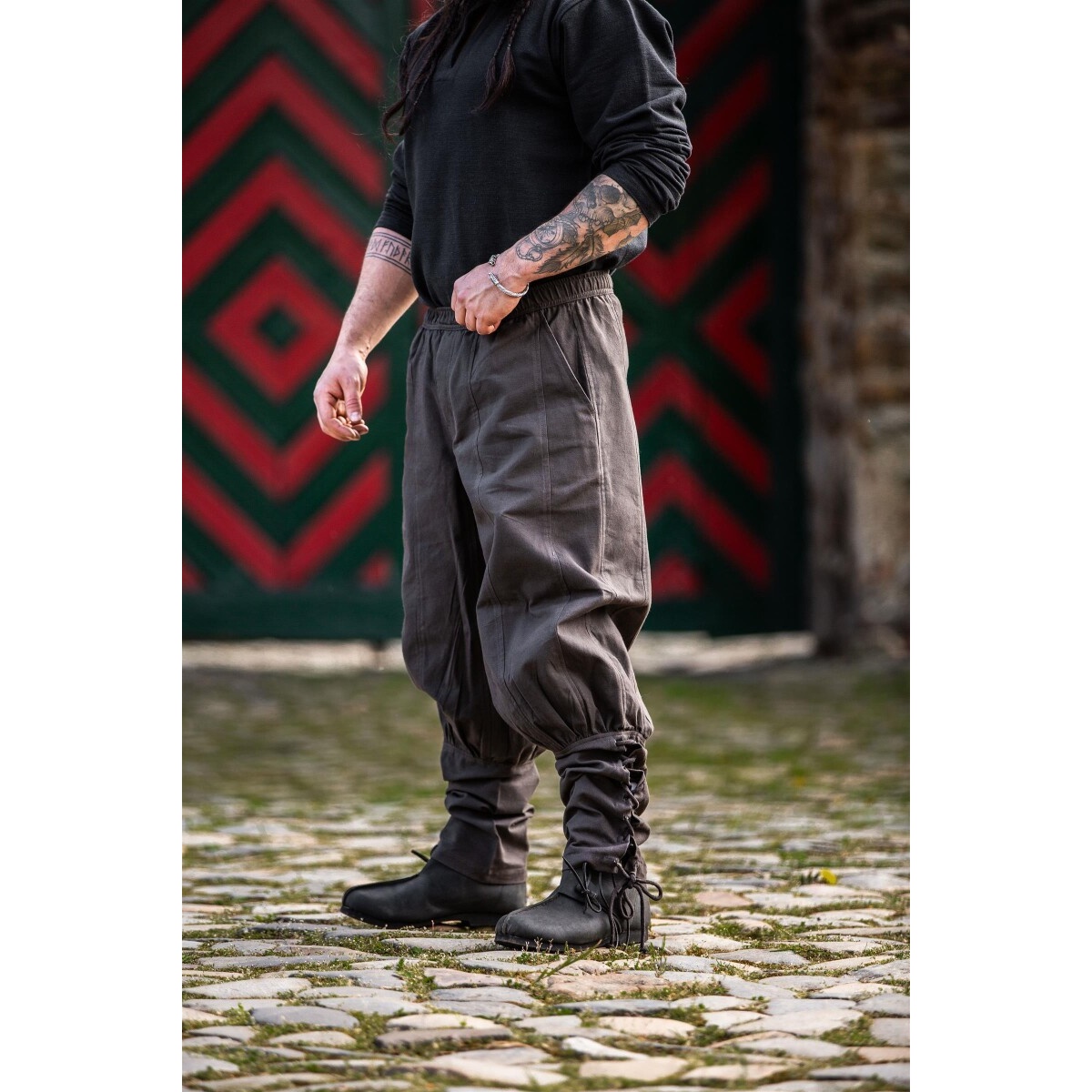
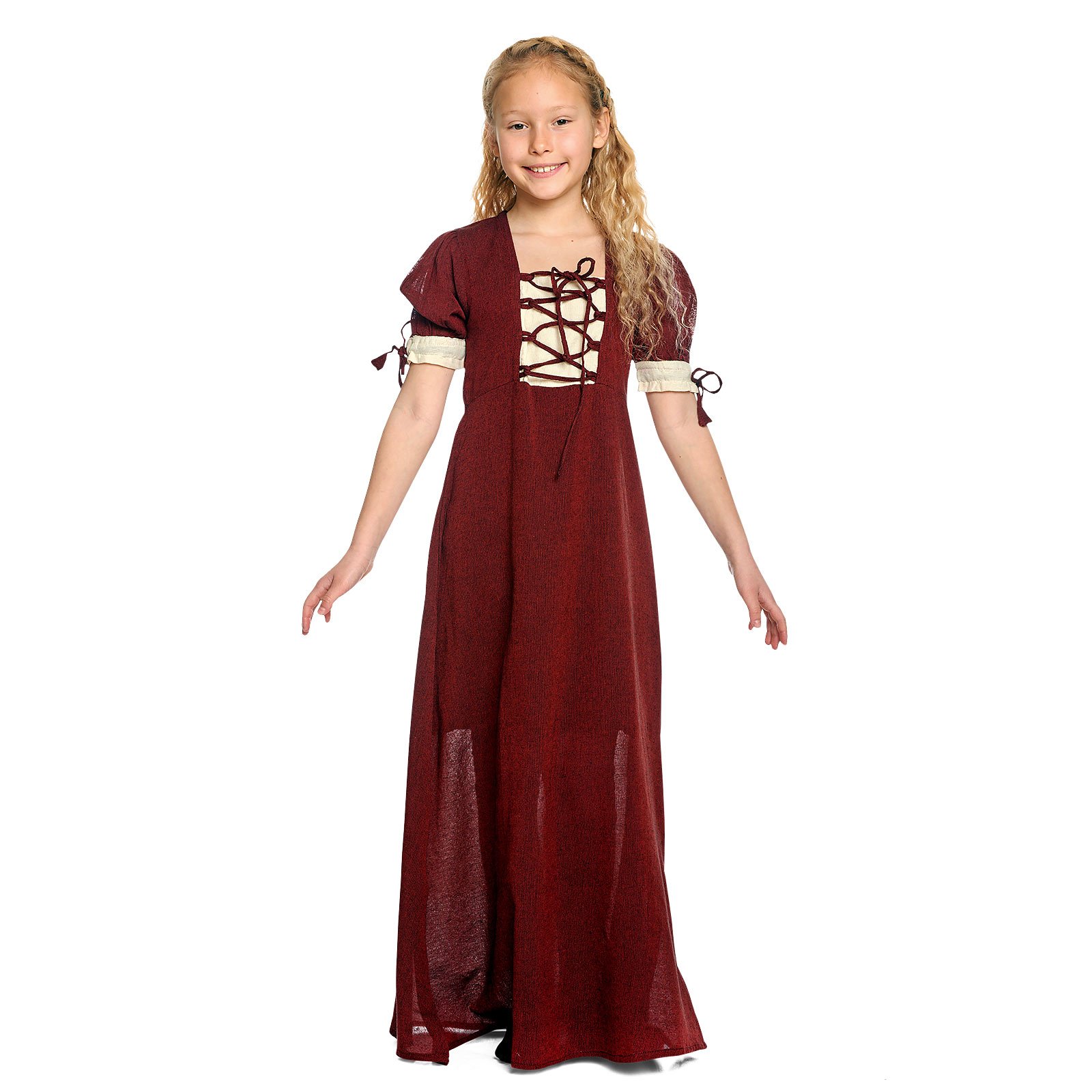
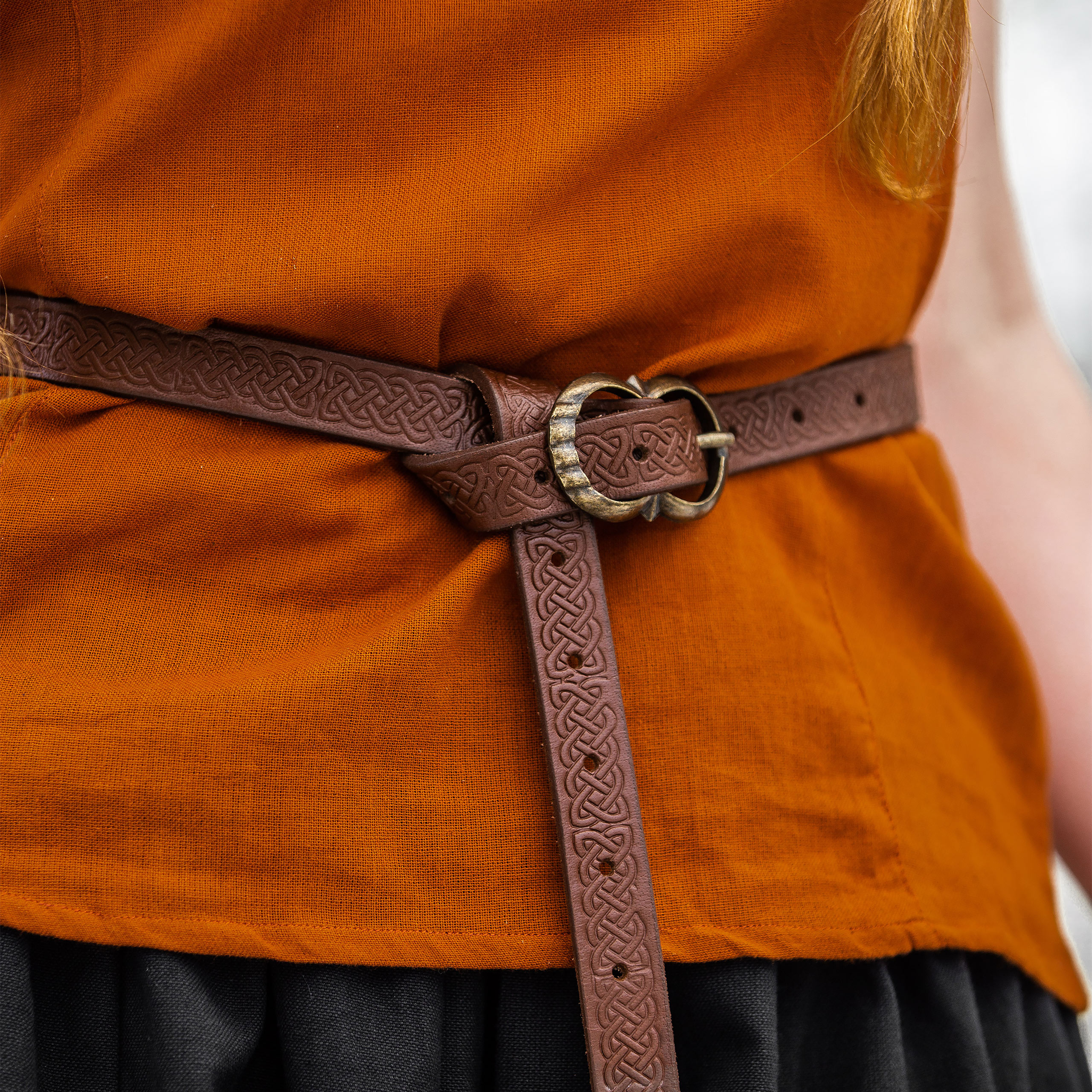
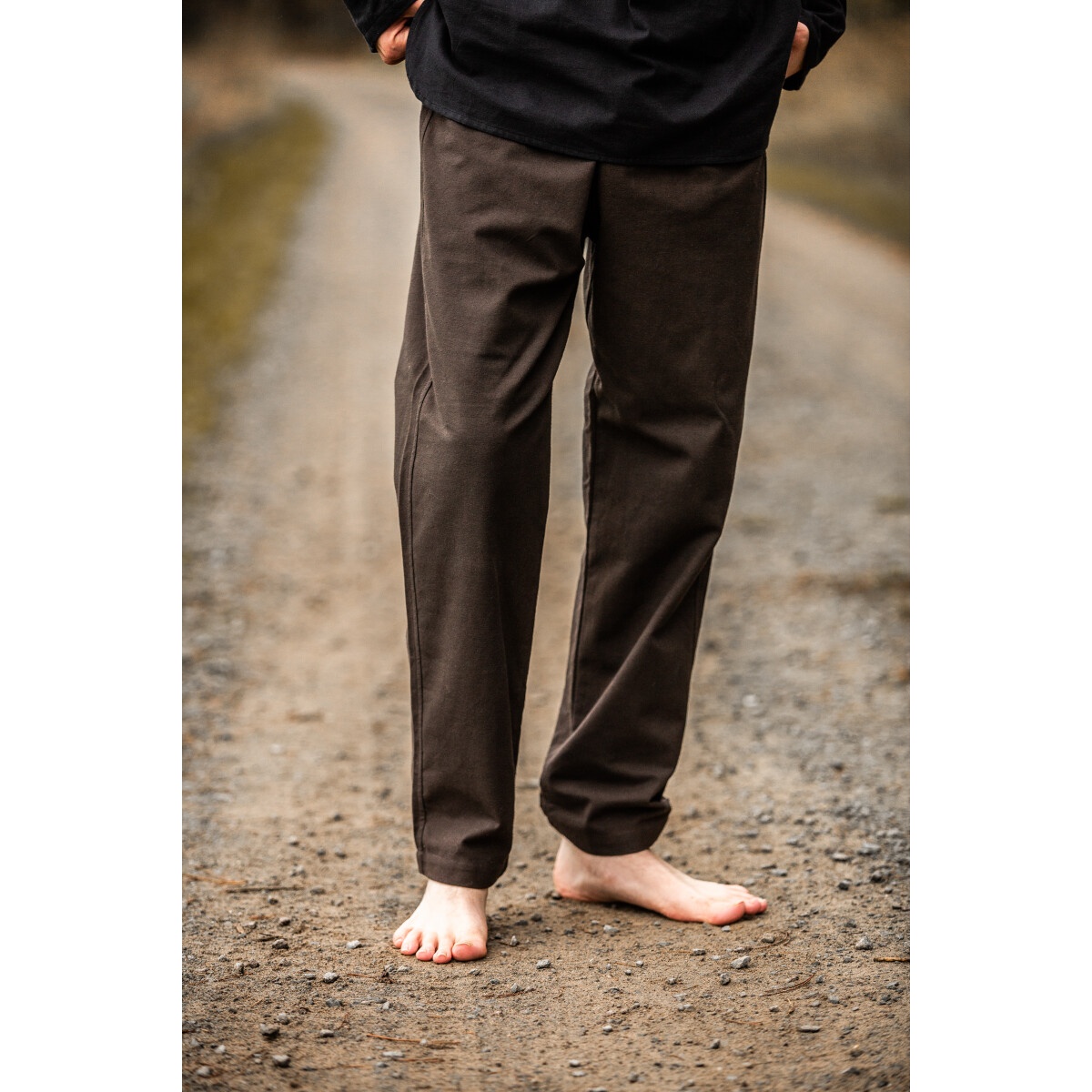
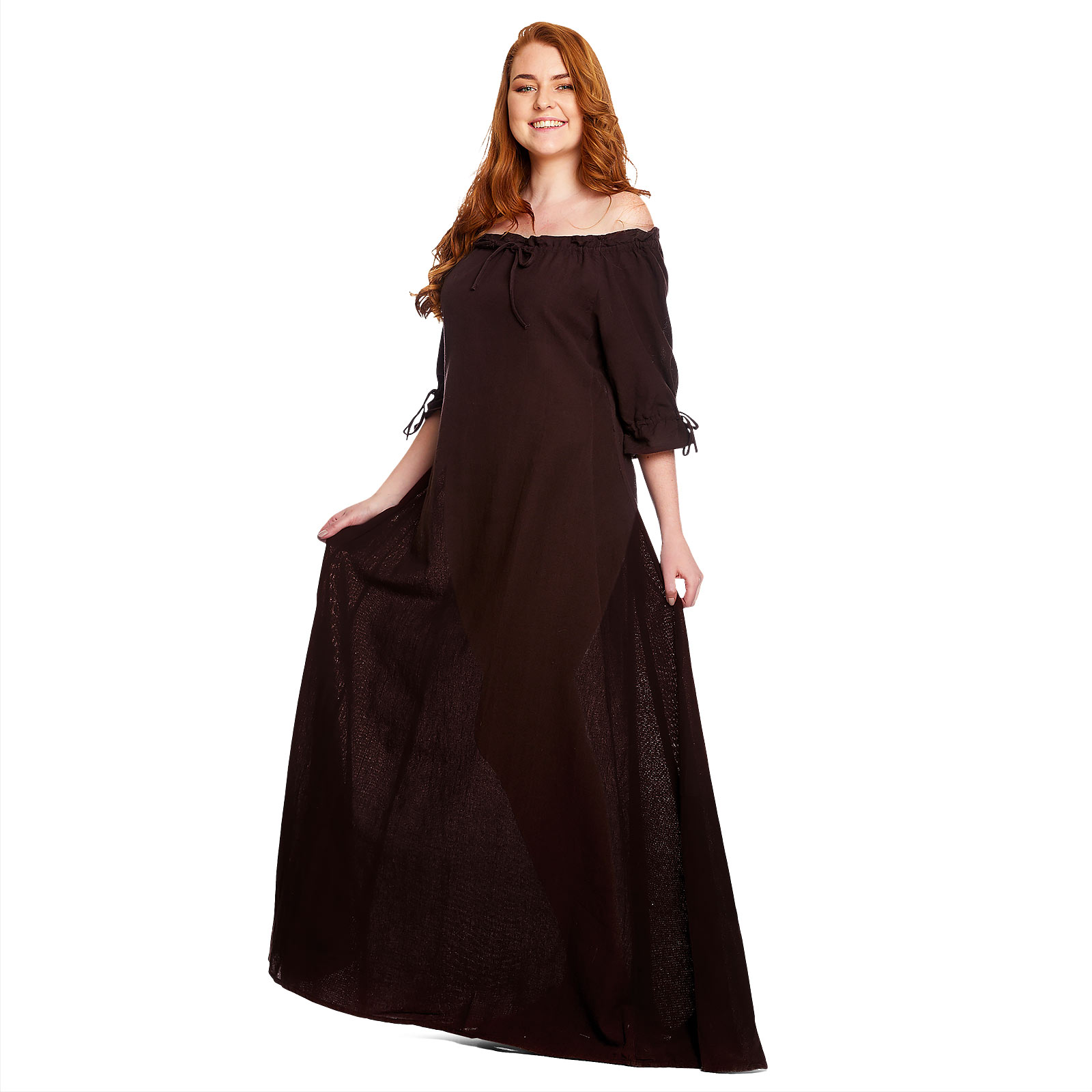
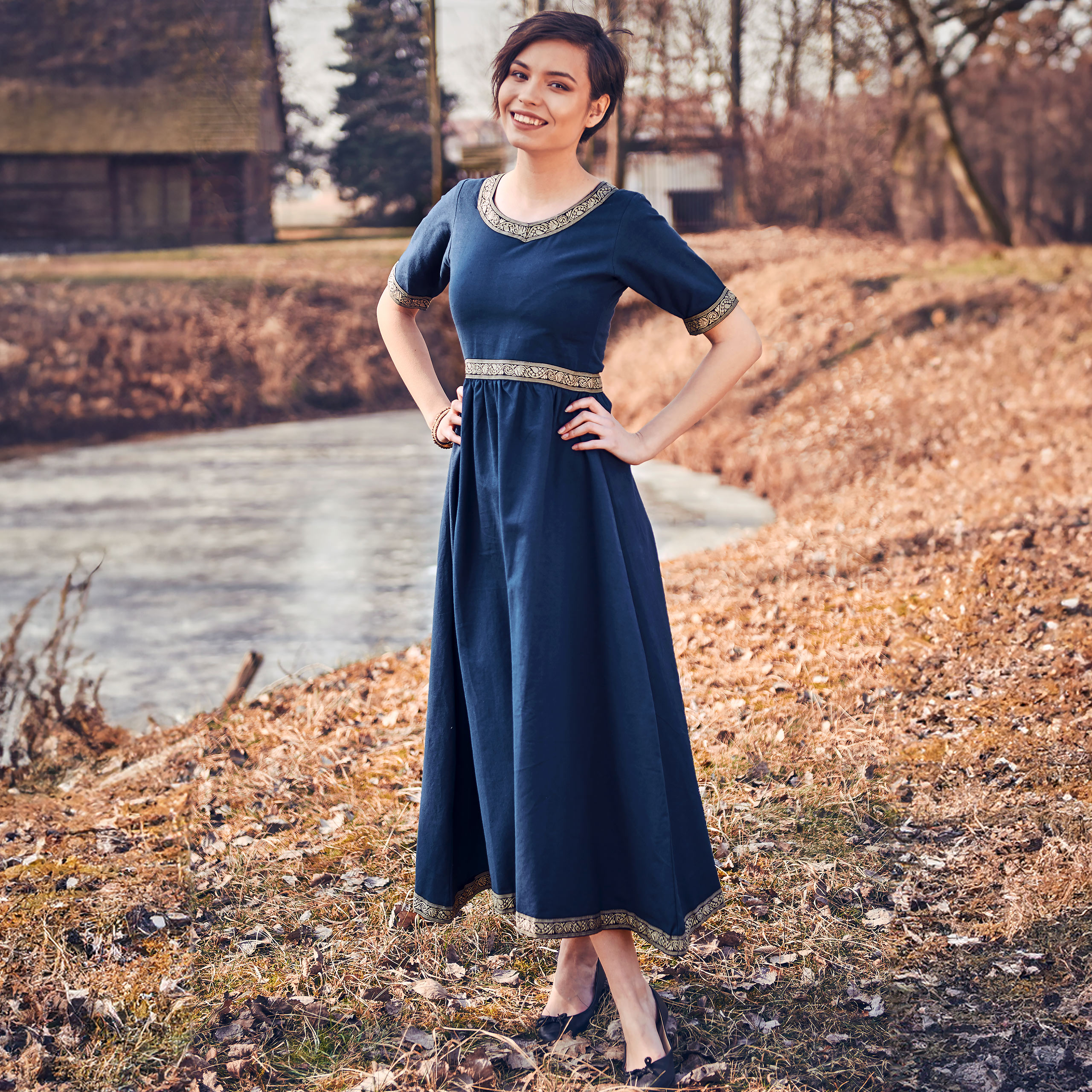
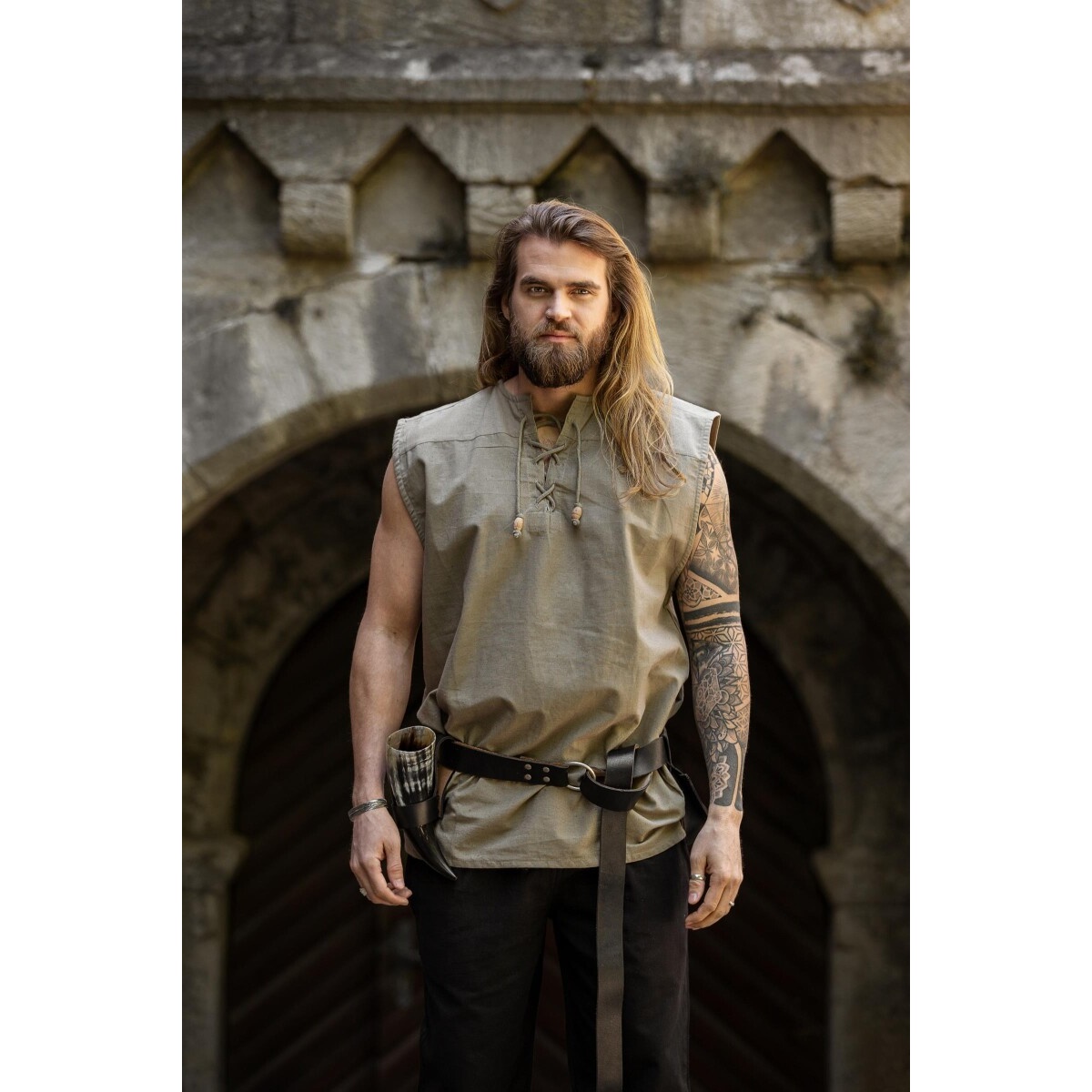
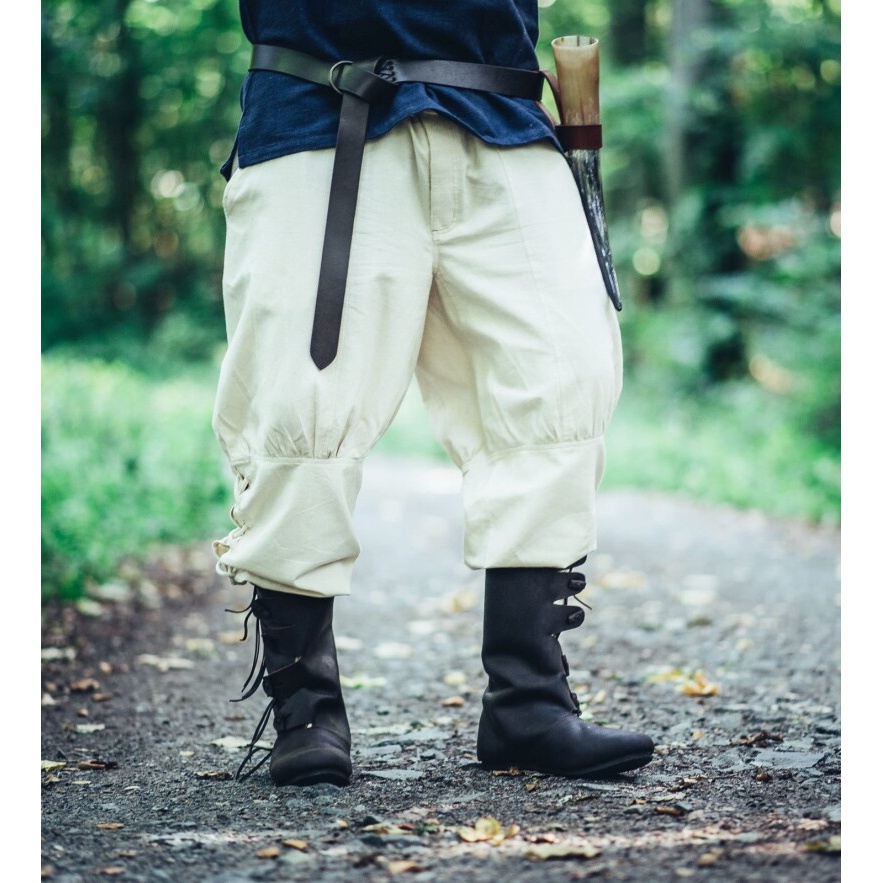
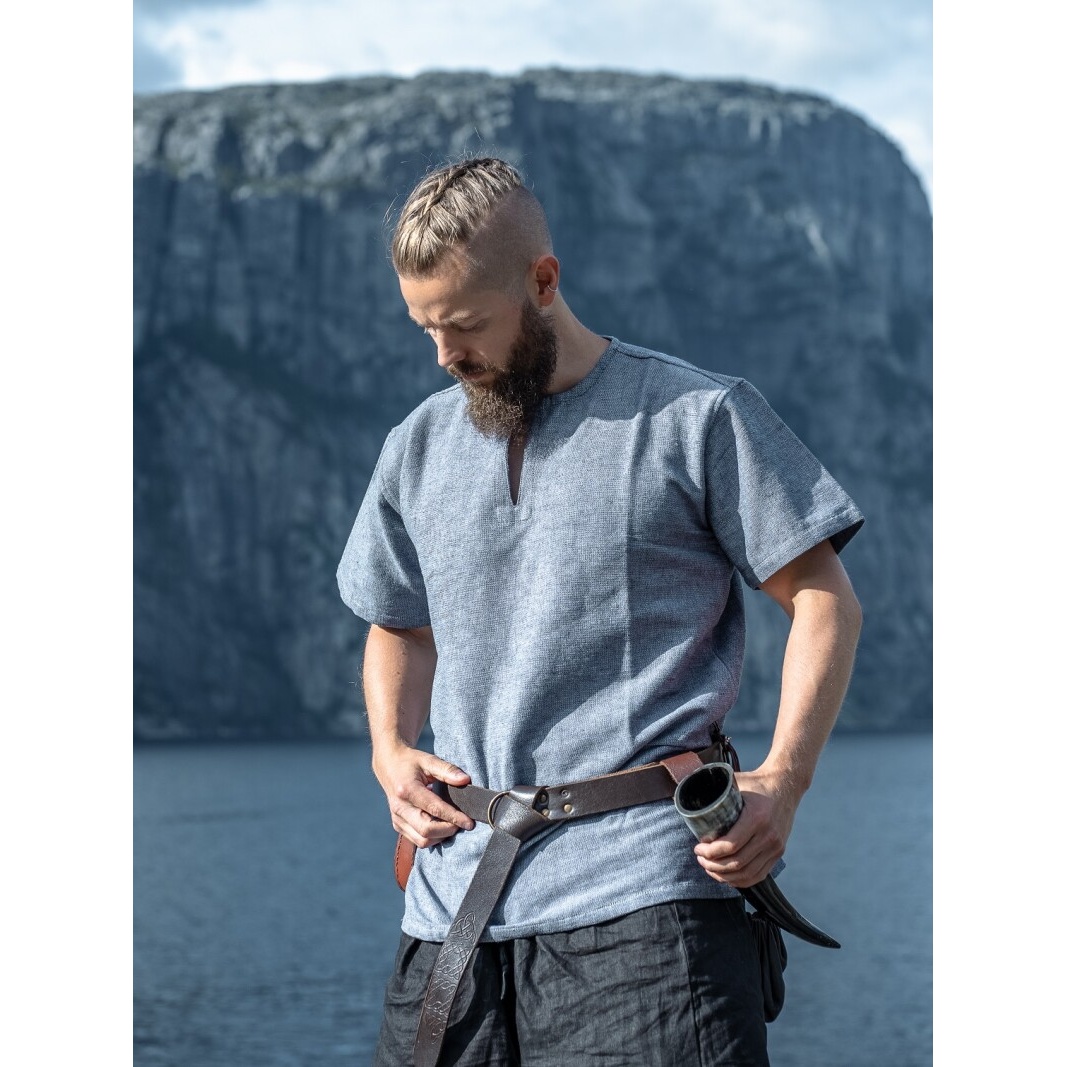
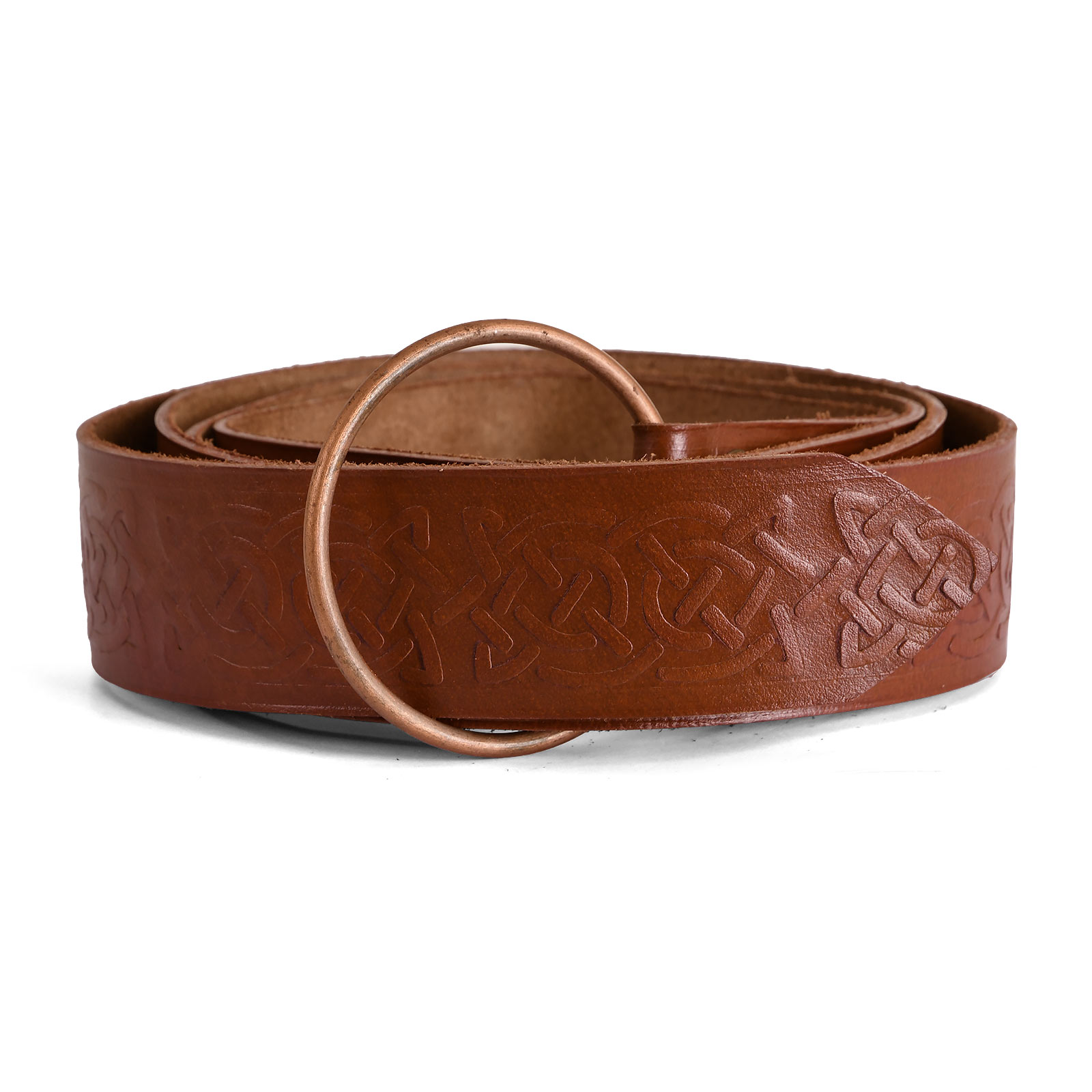
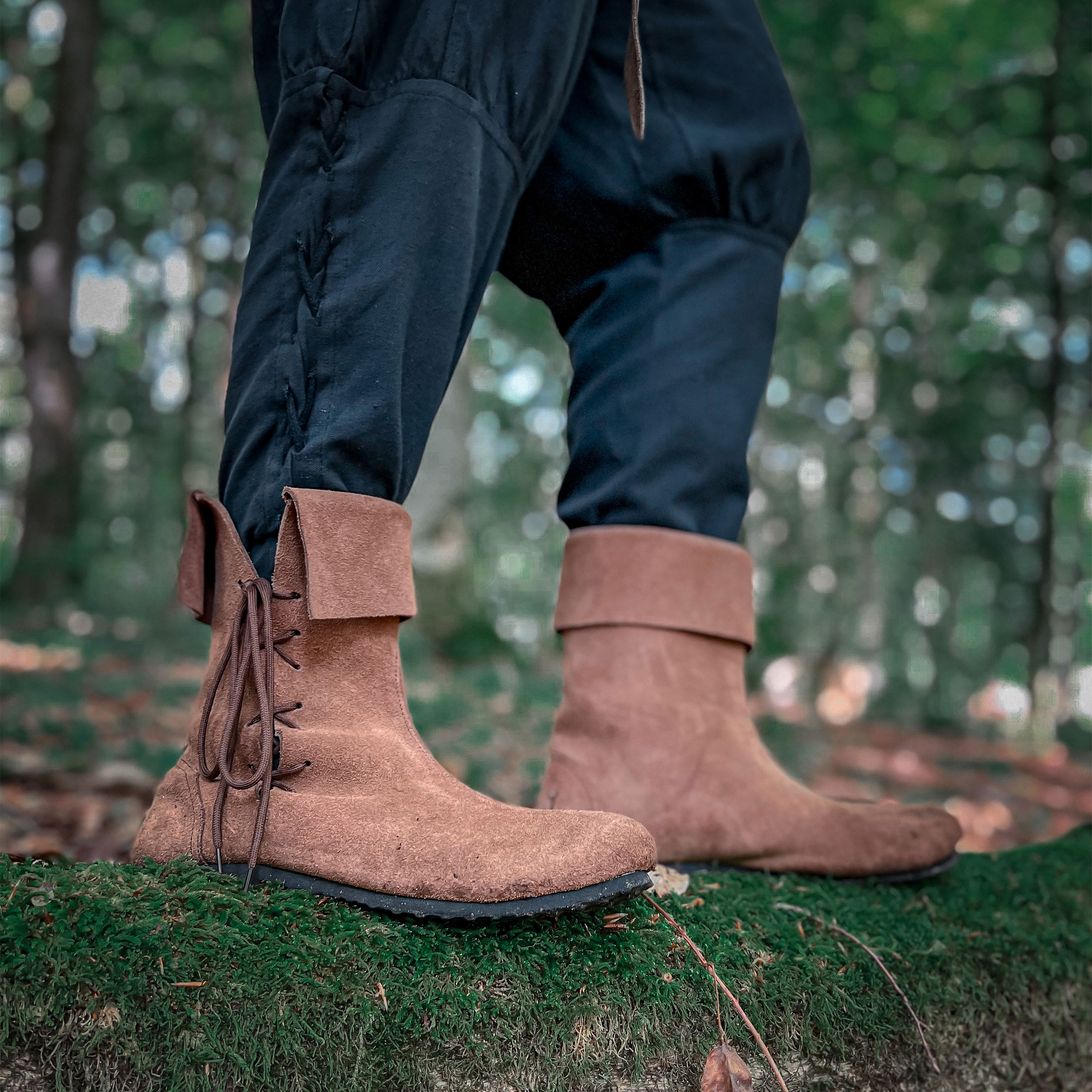
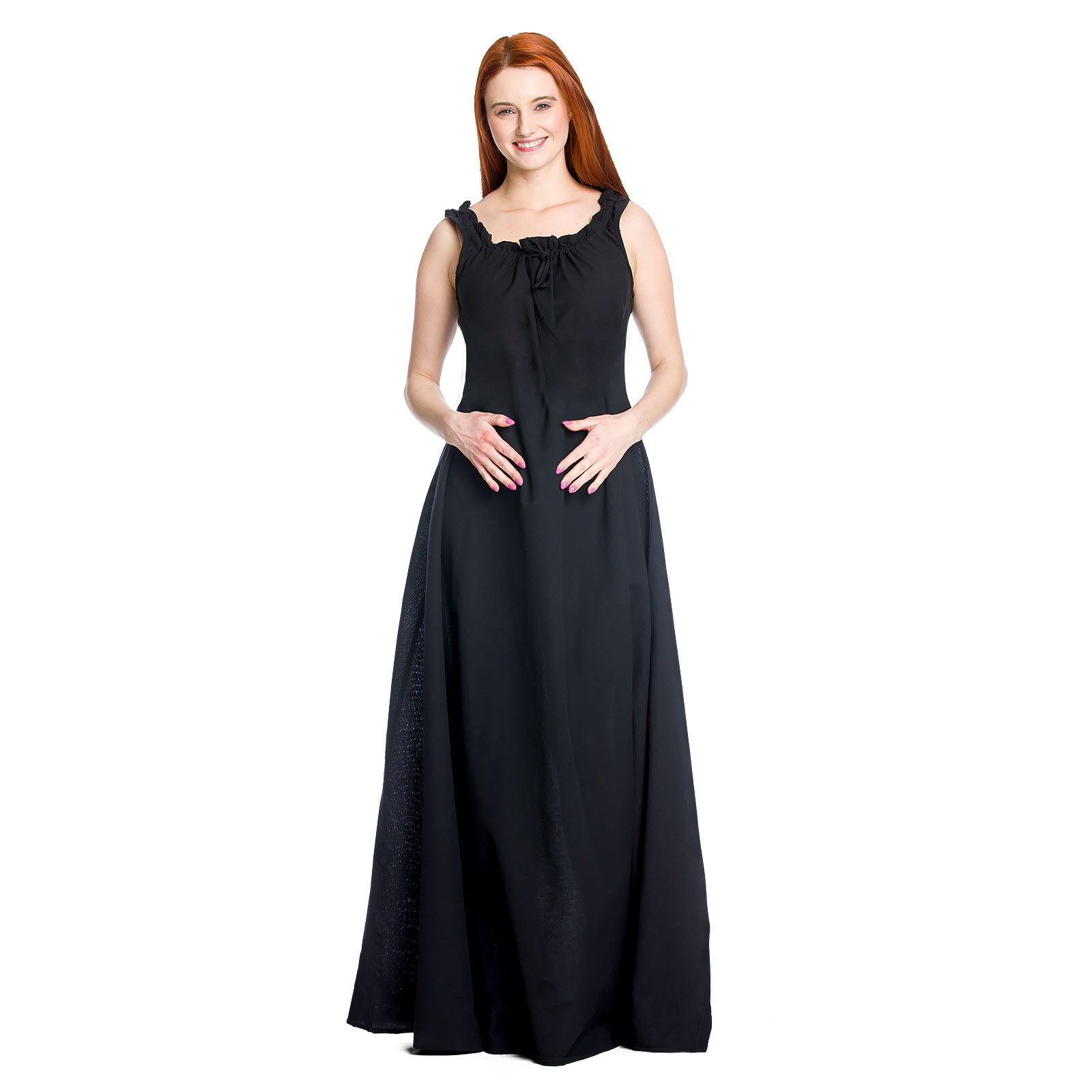
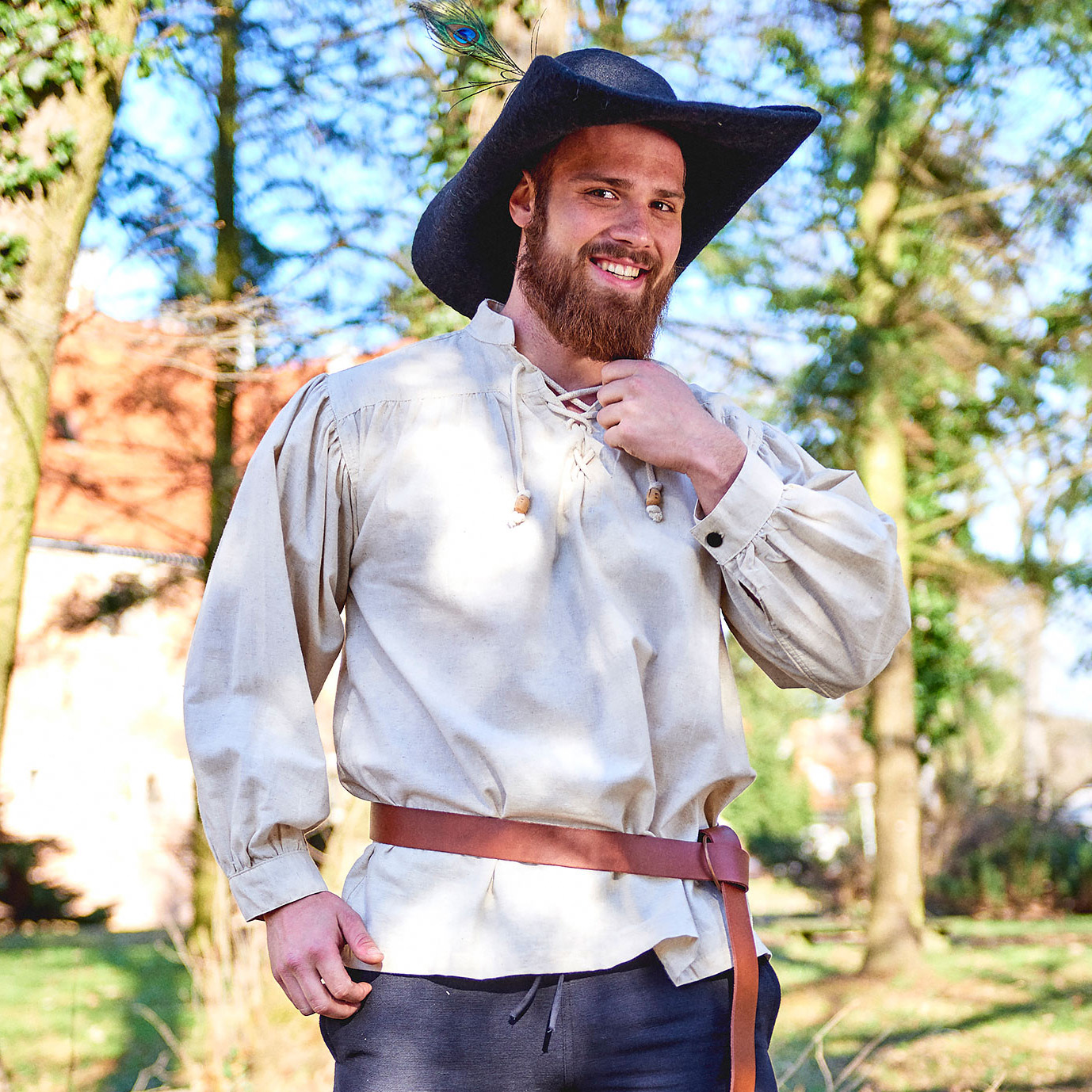
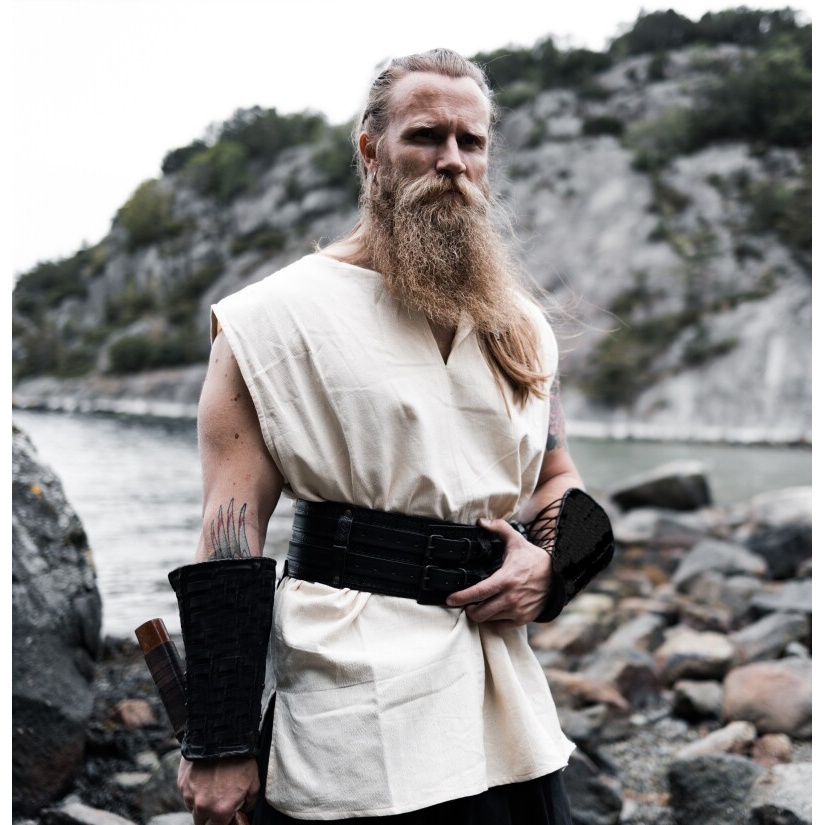
The medieval collection covers garments and accessories across the historical spectrum. Dresses range from simple working styles to elaborate gowns suited for noble characters. Shirts and tunics provide the foundational layer for any medieval outfit, while vests and tunics add structure and visual interest. Coats and capes offer warmth and dramatic presence — essential for outdoor events. Blouses and trousers complete the wardrobe basics. For footwear, medieval shoes maintain the period look from head to toe. Headgear and belts provide finishing touches. Beyond clothing, drinking horns bring medieval atmosphere to any gathering, while decoration weapons add authentic detail to costumes and displays.
What goes well with this?
Medieval garments pair naturally with fantasy merchandise — after all, most fantasy settings borrow heavily from medieval aesthetics. If you're building a character for LARP or convention appearances, consider whether your outfit leans historical or fantastical, then accessorise accordingly. A historically-styled tunic works just as well beneath a fantasy cloak as it does at a reenactment event. The lines between medieval and fantasy have been blurry since Tolkien, and there's no reason your wardrobe can't reflect that.