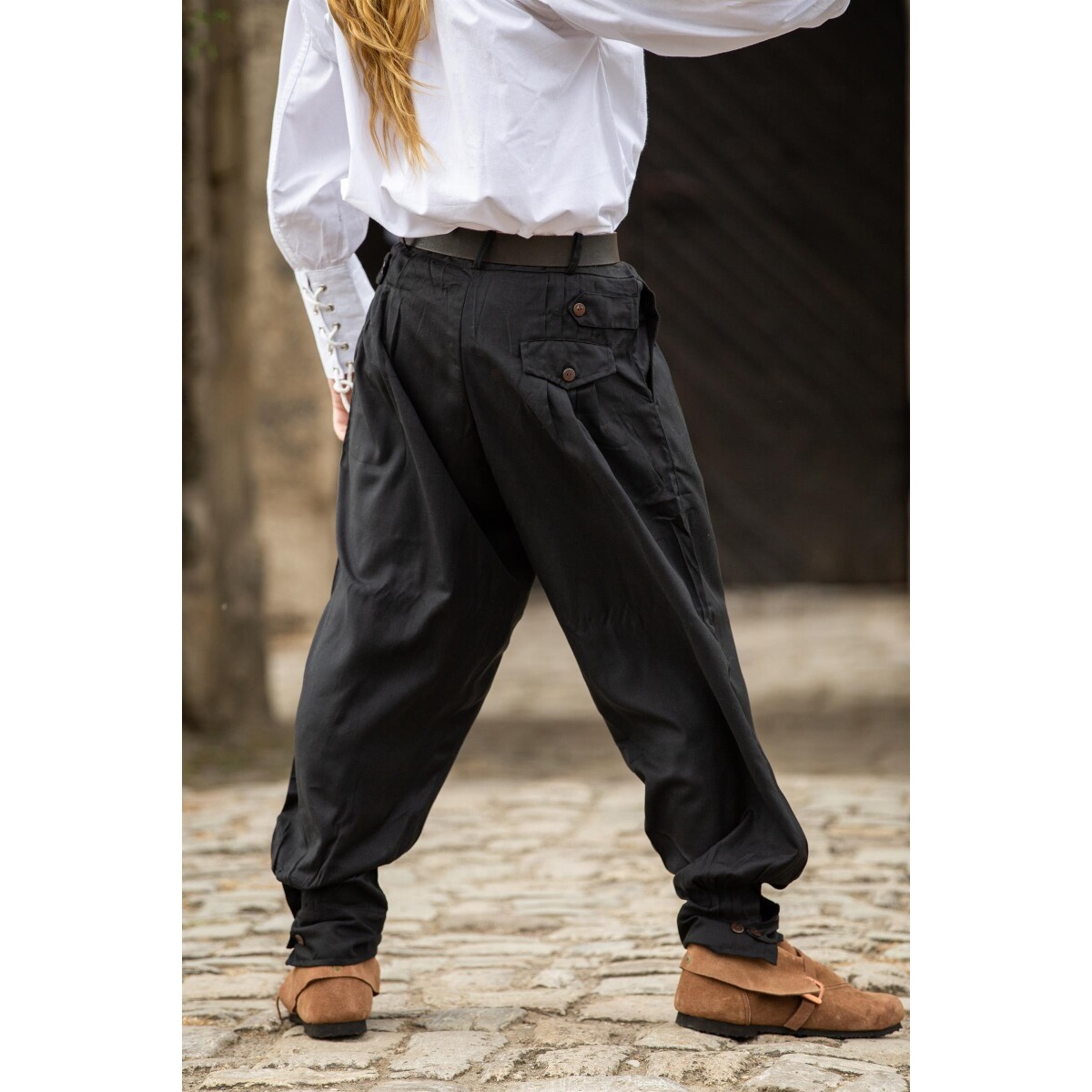
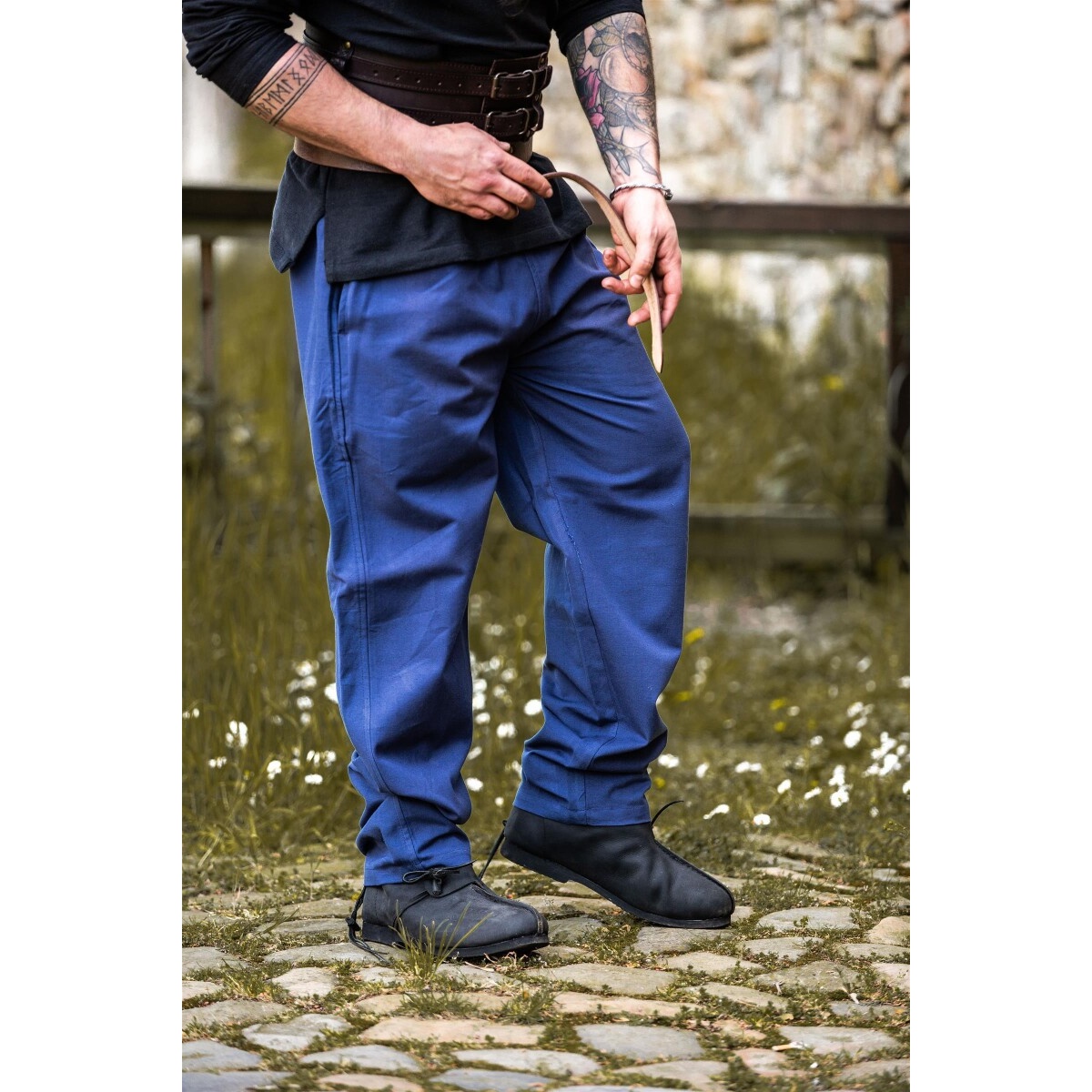
Medieval Pants – Where Comfort Meets Centuries Past
There's something oddly satisfying about trousers that don't require a belt with seventeen holes and a prayer. Medieval pants offer a refreshingly straightforward approach to legwear: generous cuts, natural fabrics, and closures that actually make sense. Whether you're a seasoned reenactor or someone who's discovered that modern fashion occasionally gets things wrong, this category has you covered — literally, from waist to ankle.
What defines medieval pants?
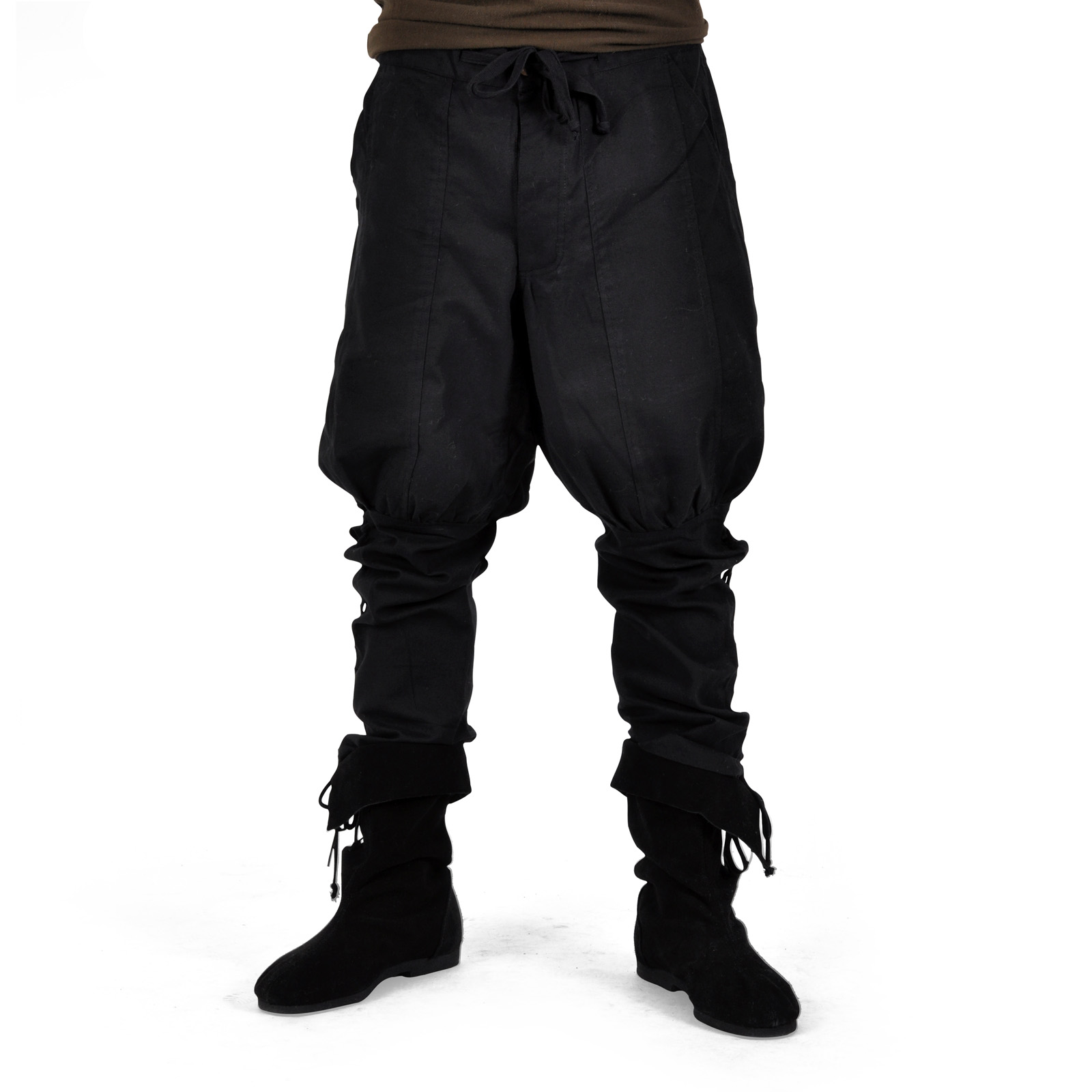
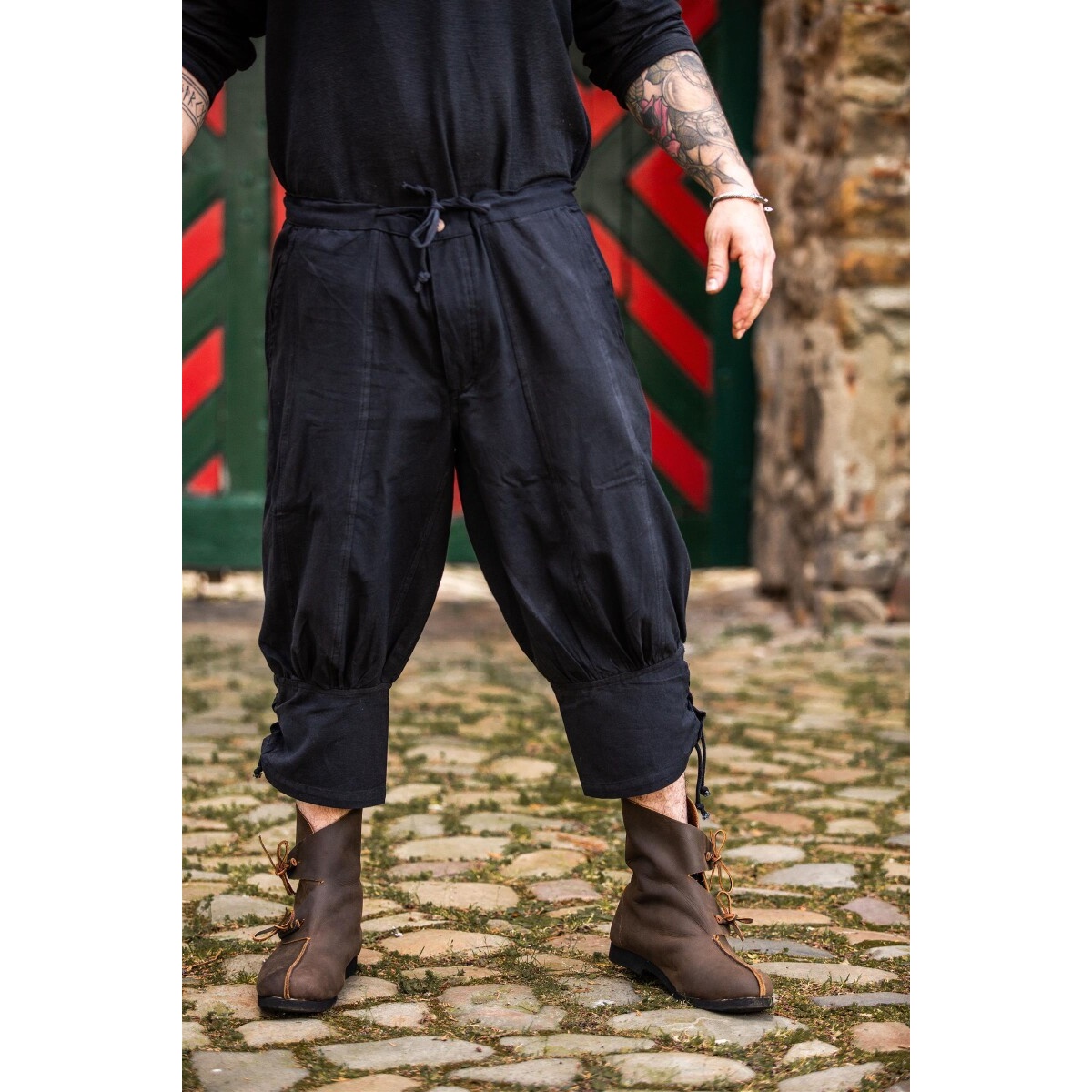
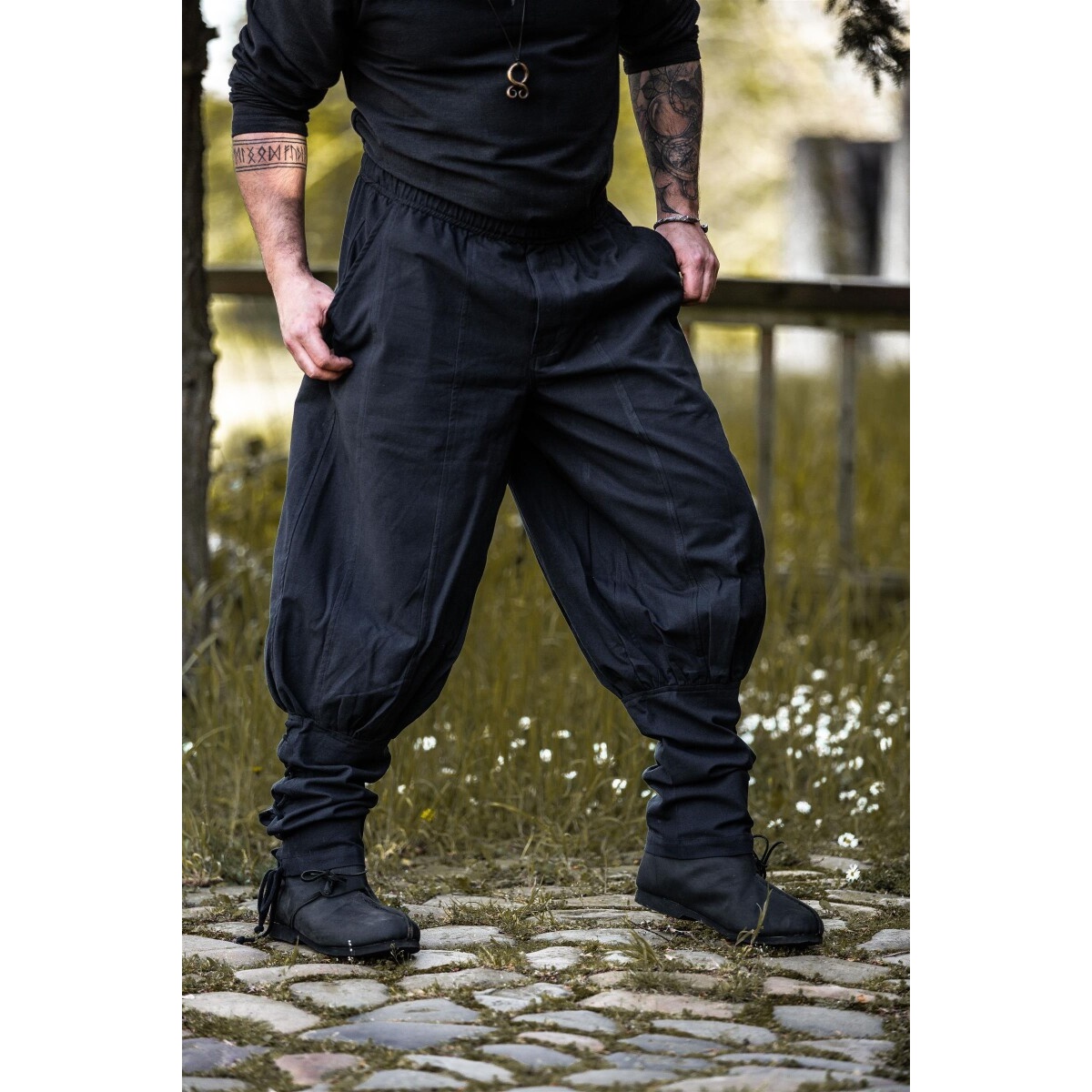
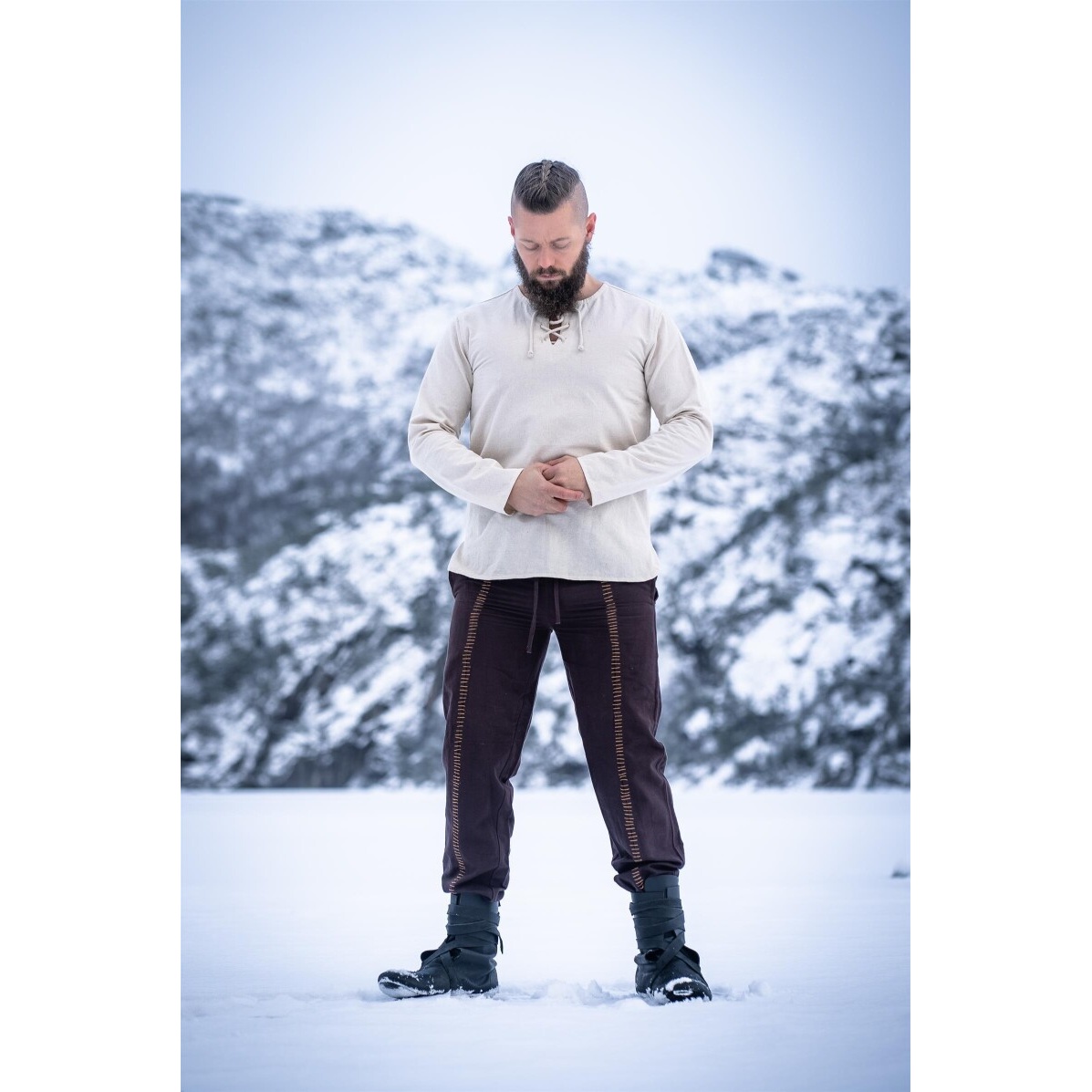
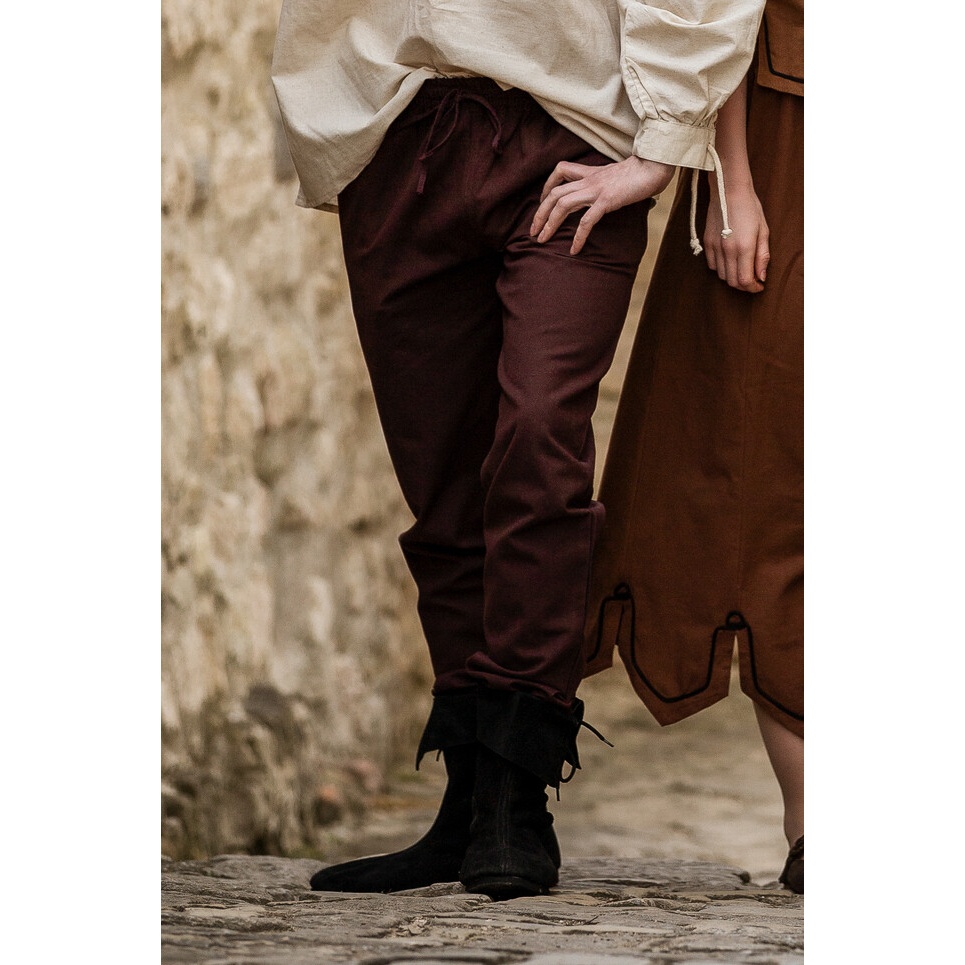
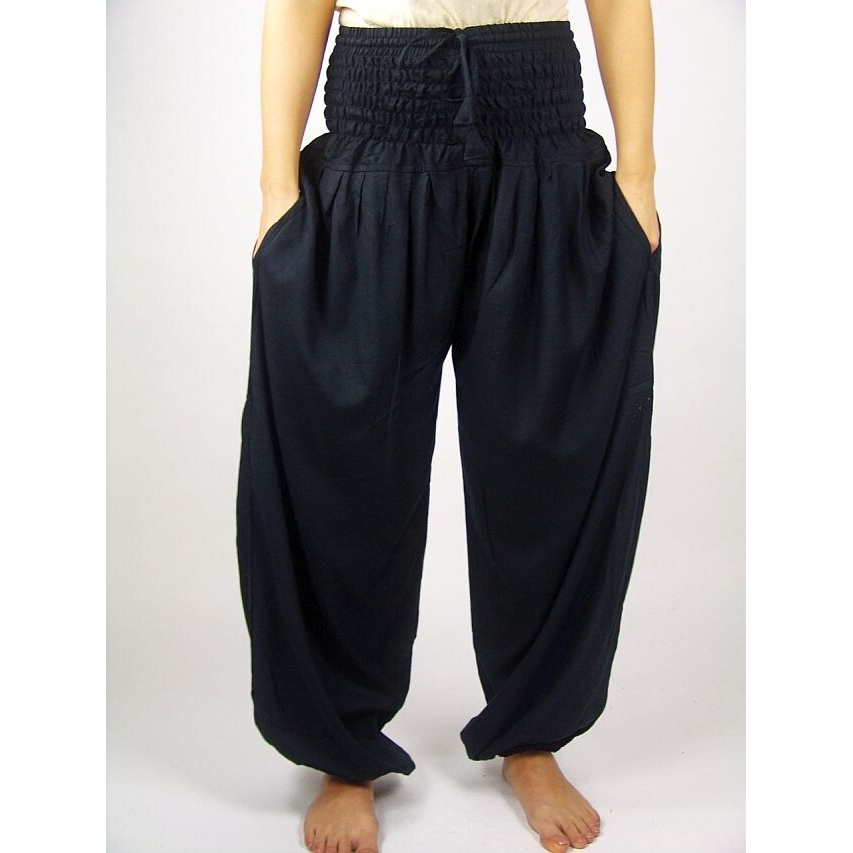
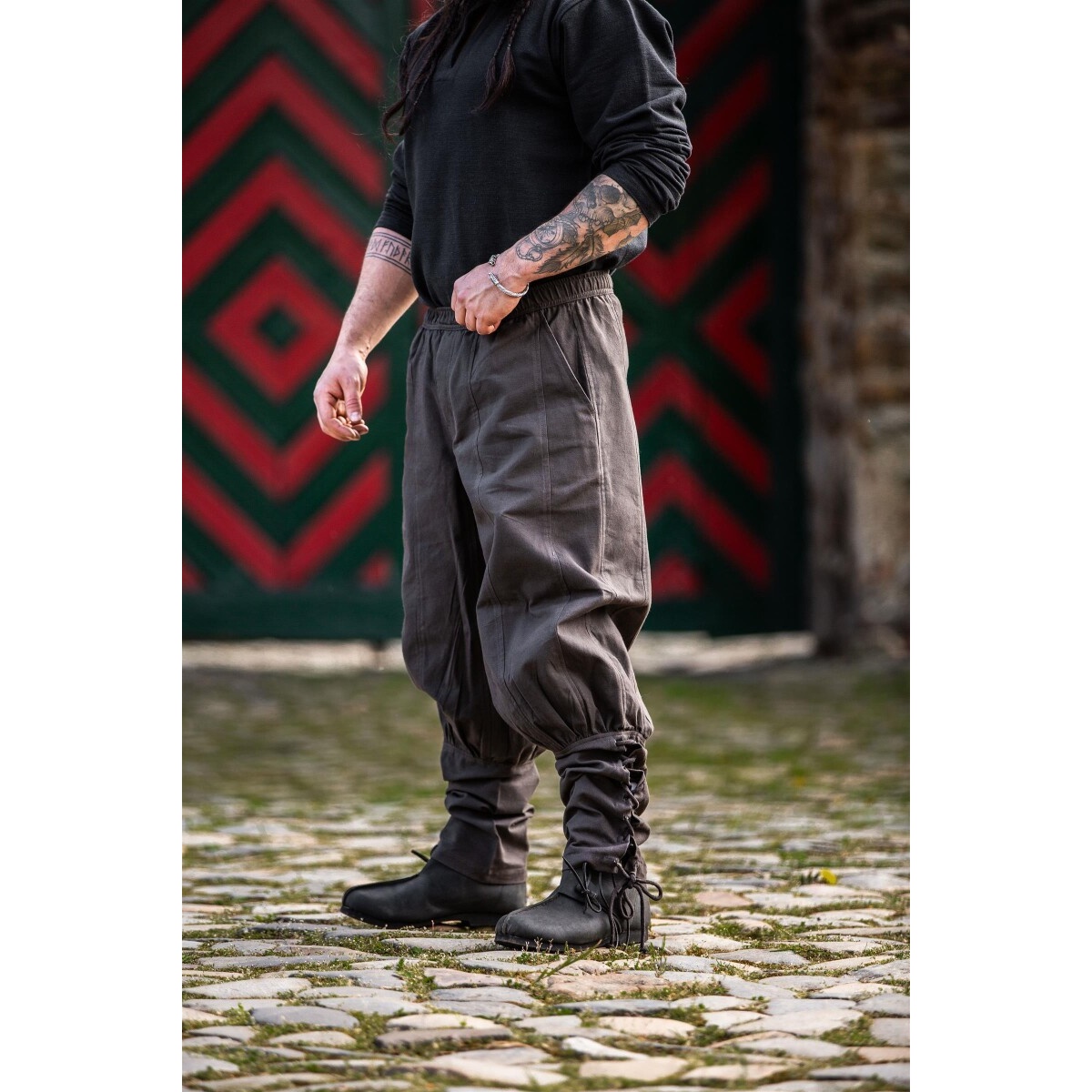
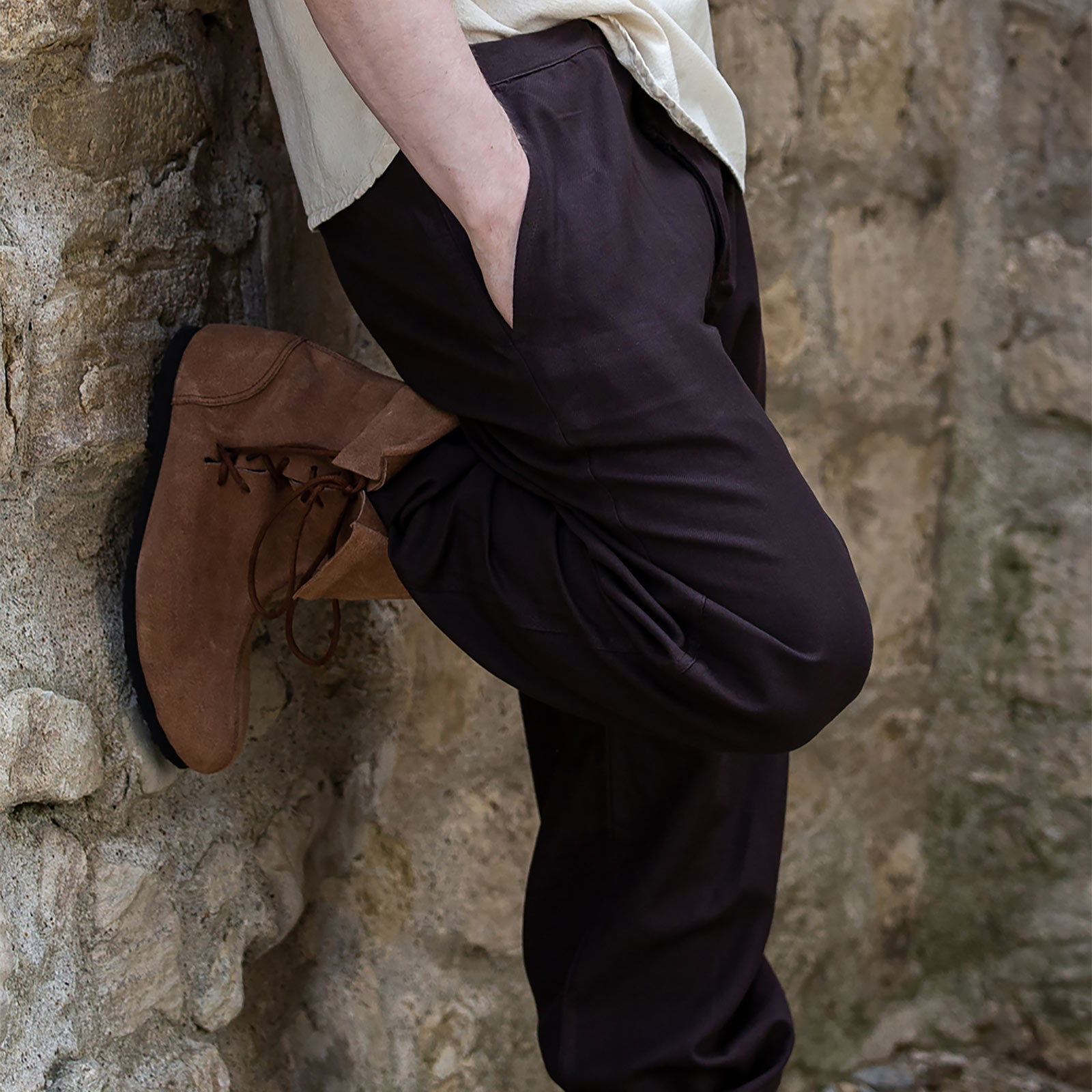
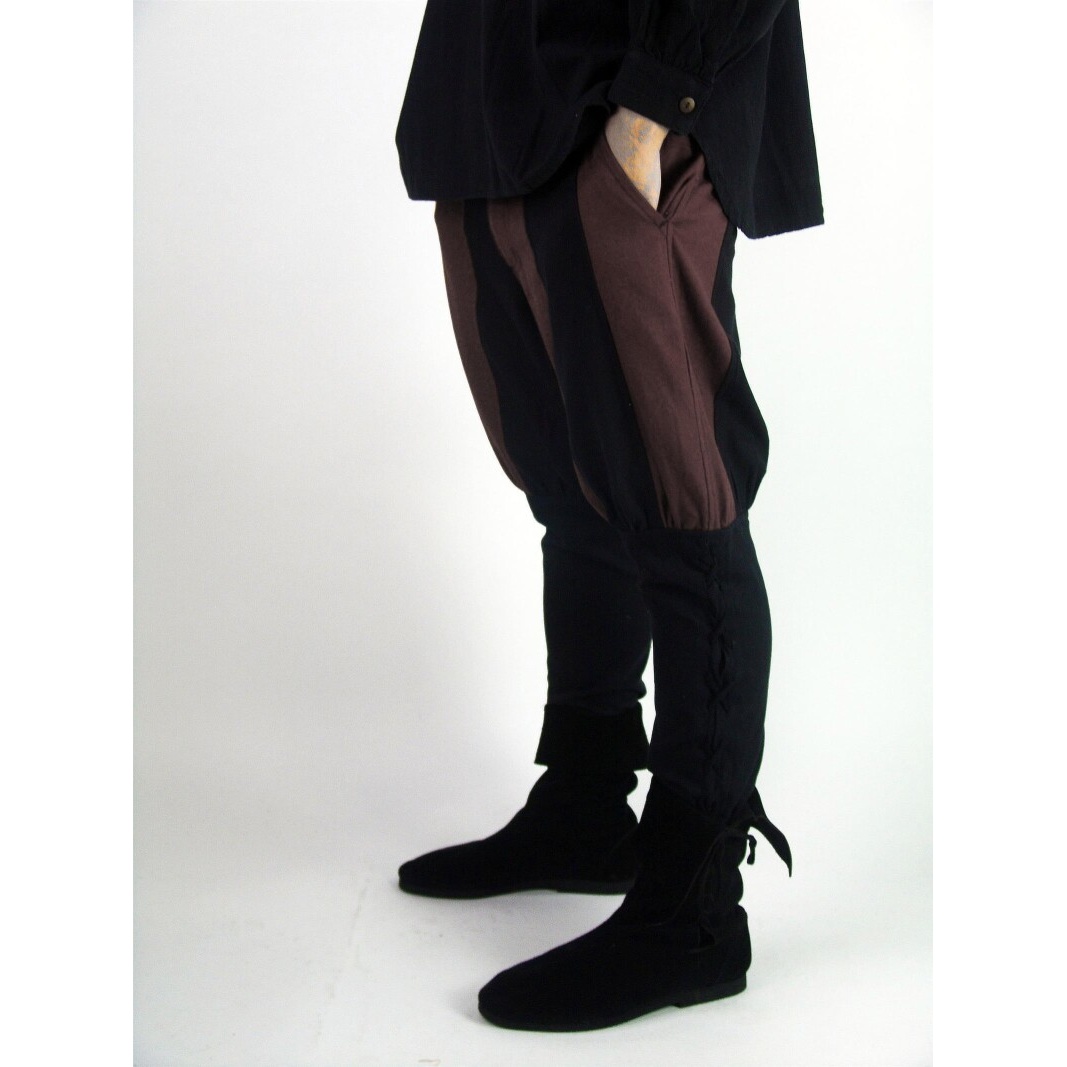
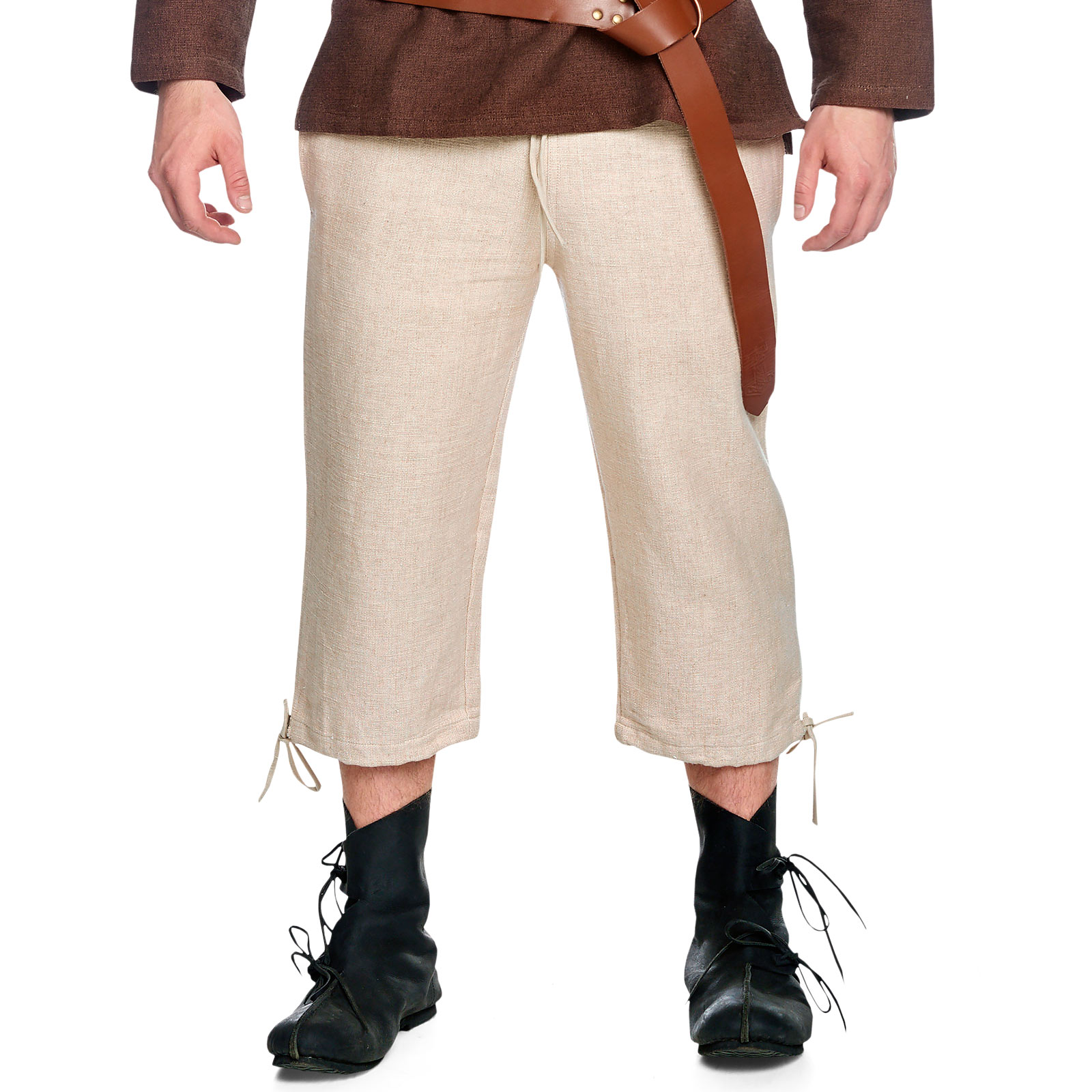
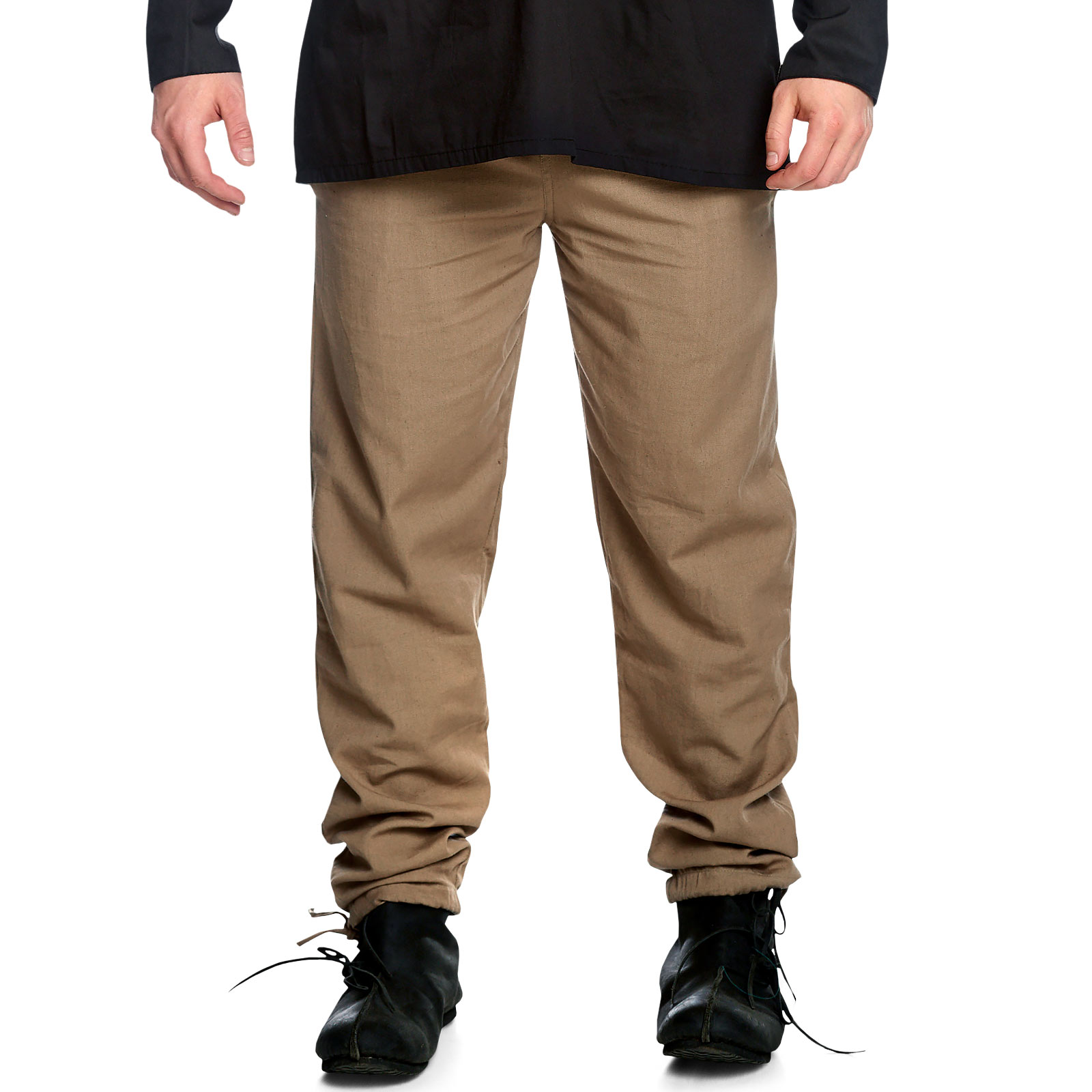
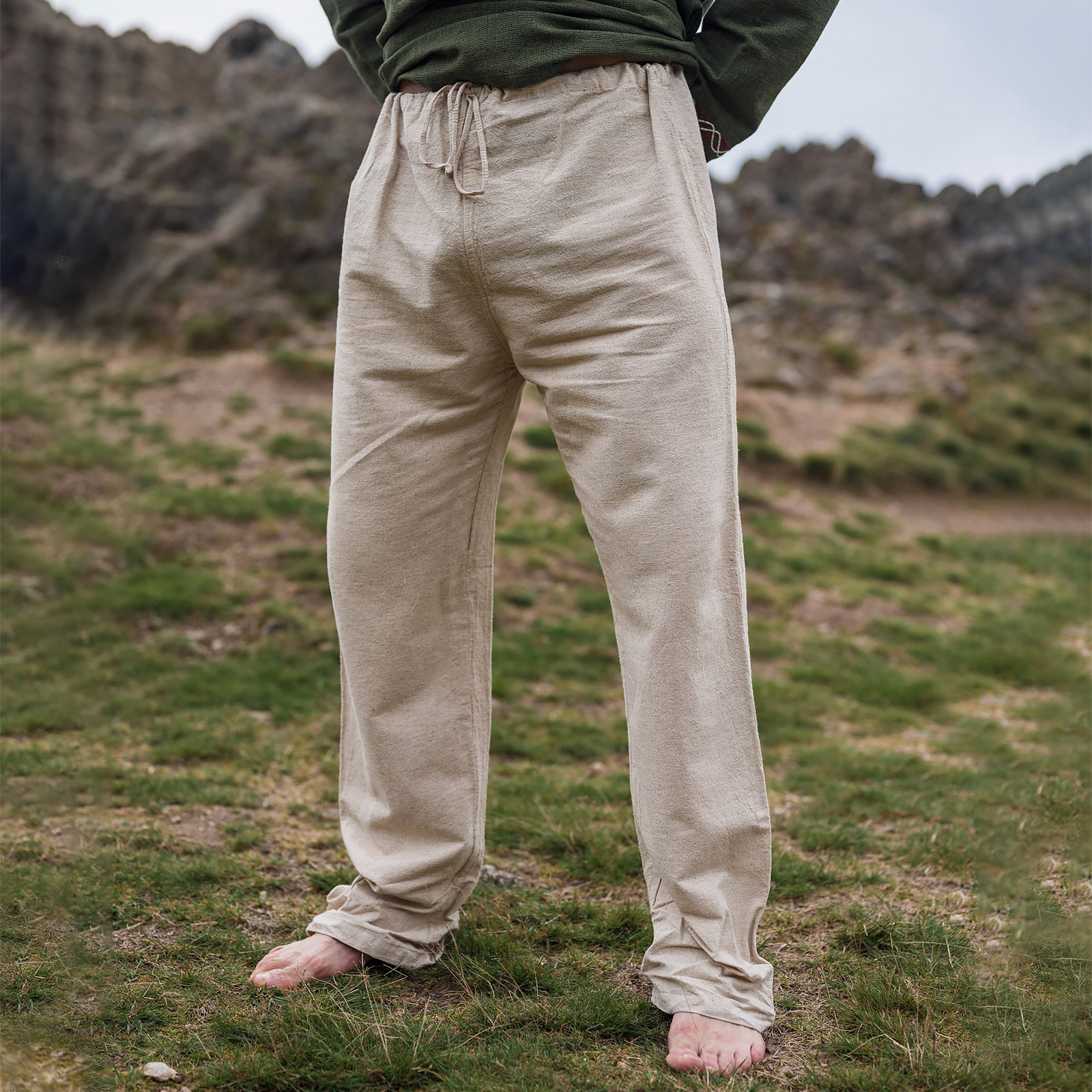
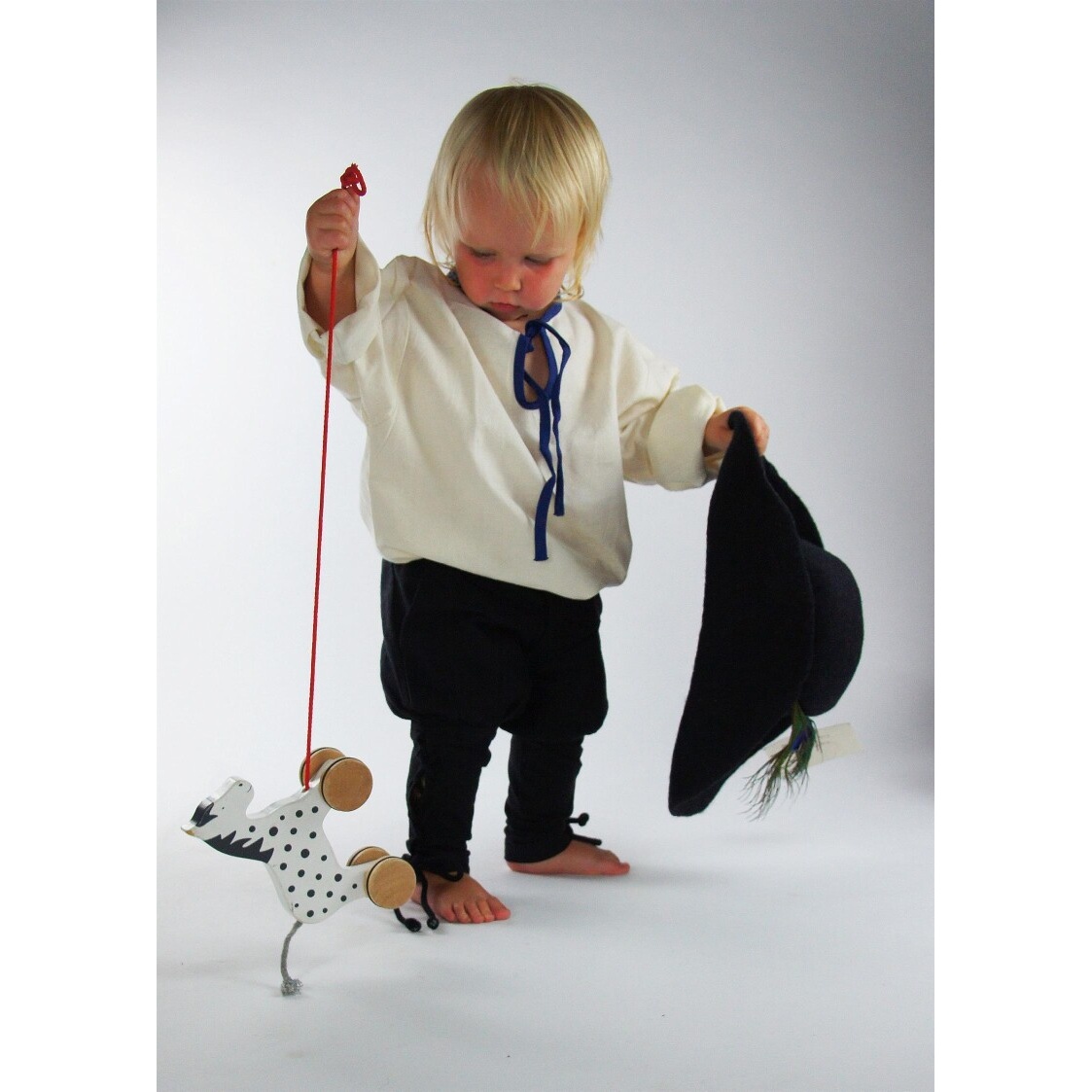
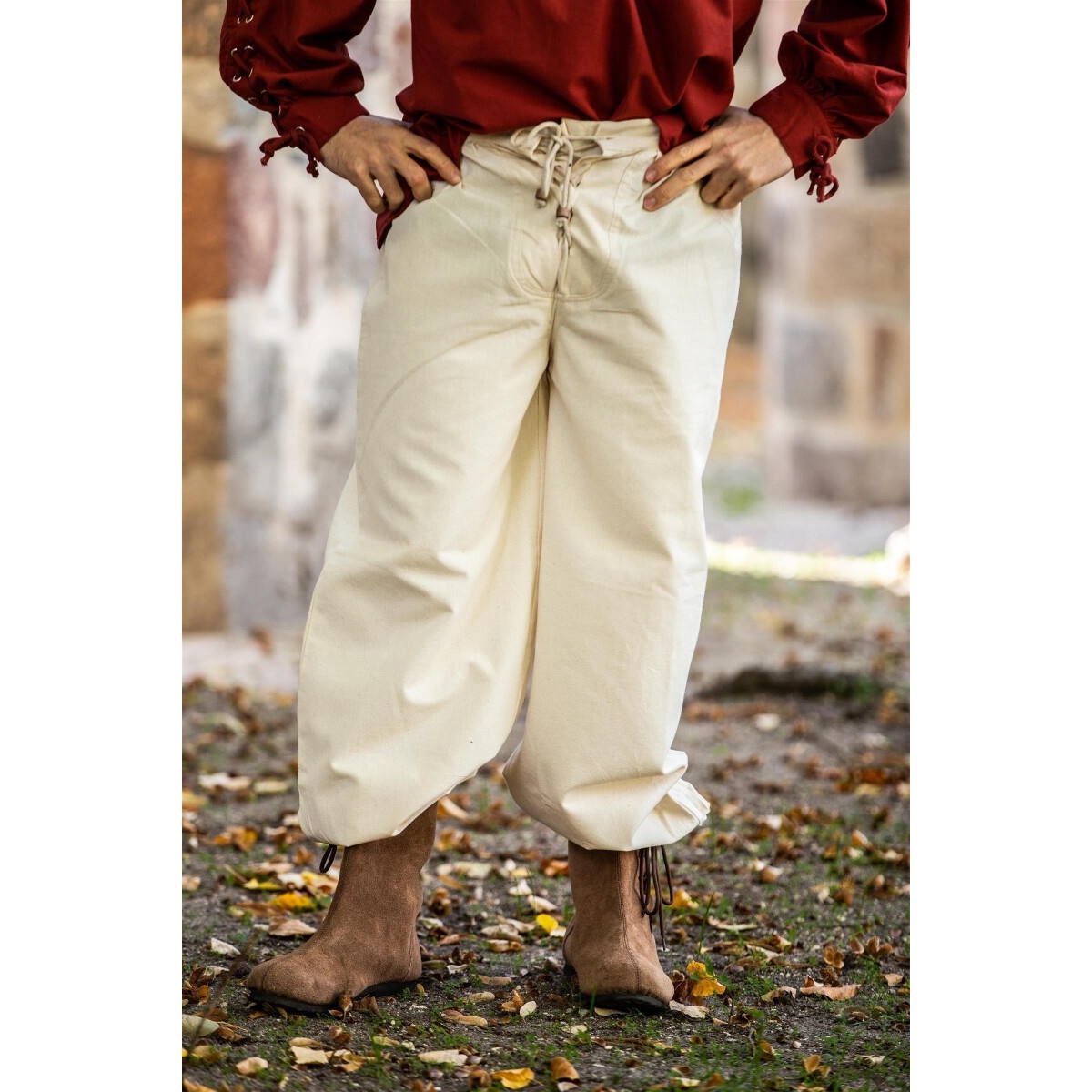
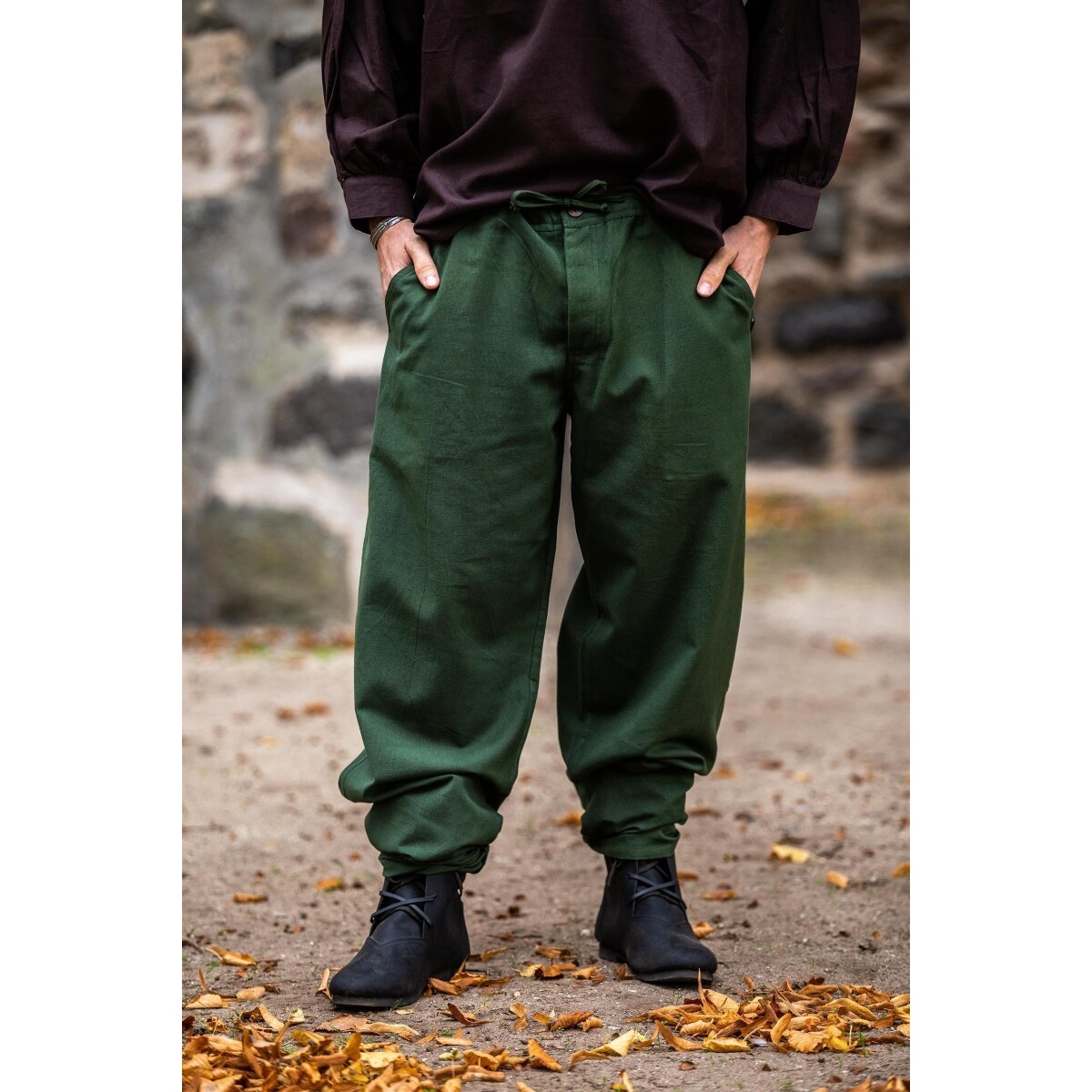
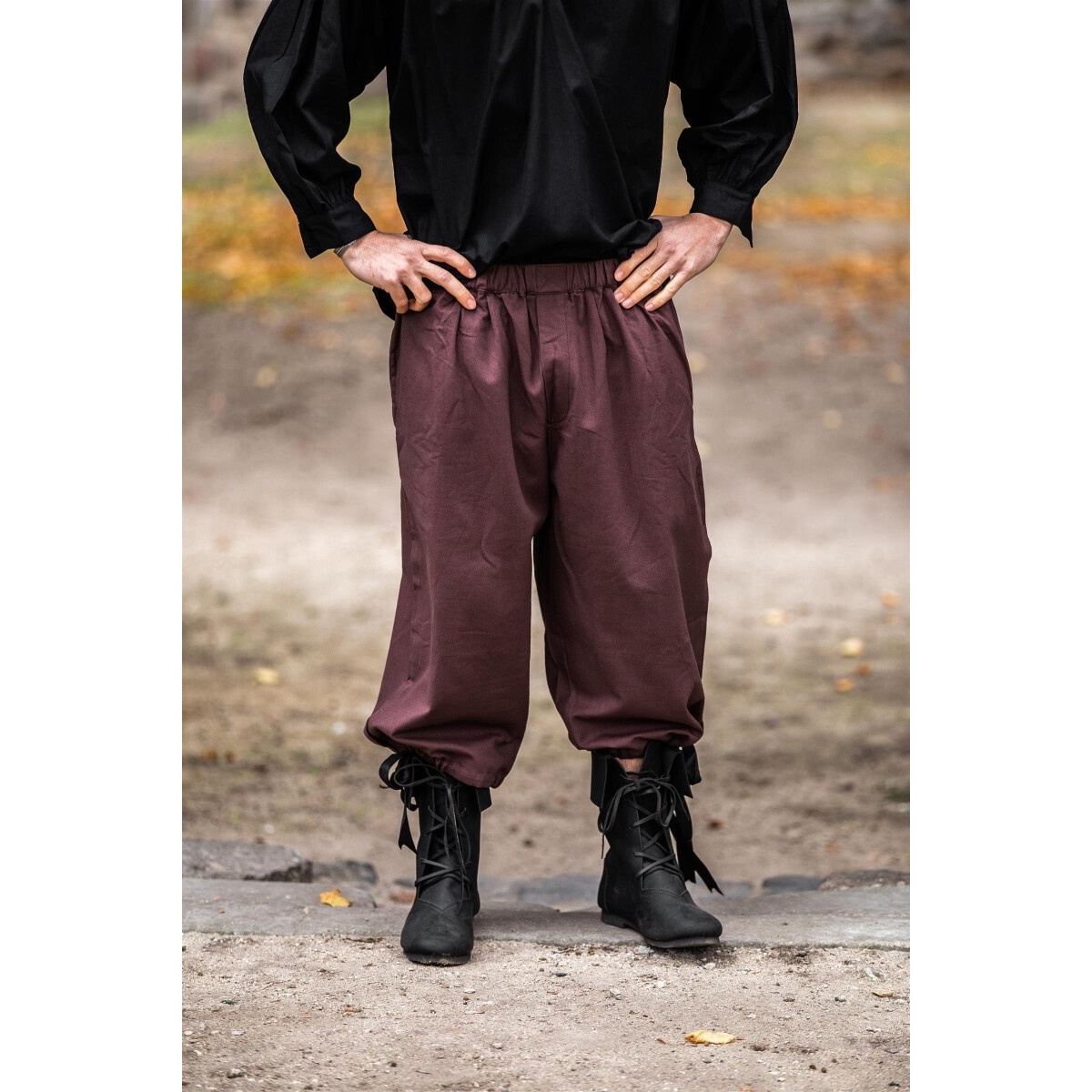
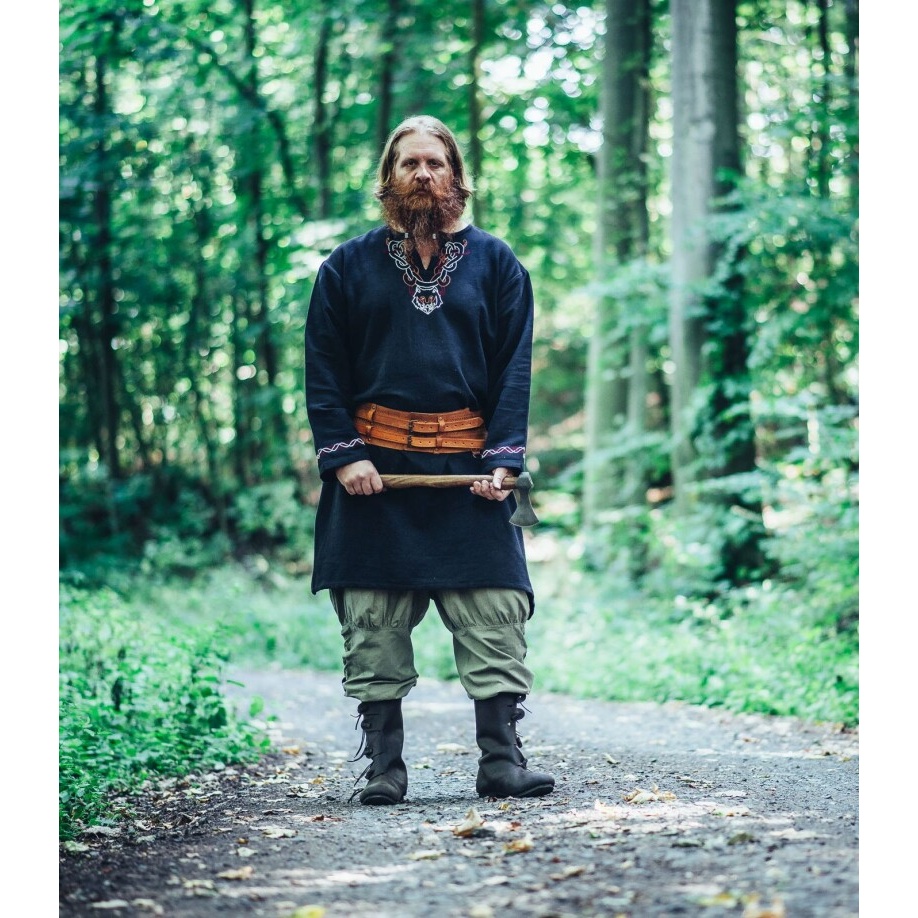
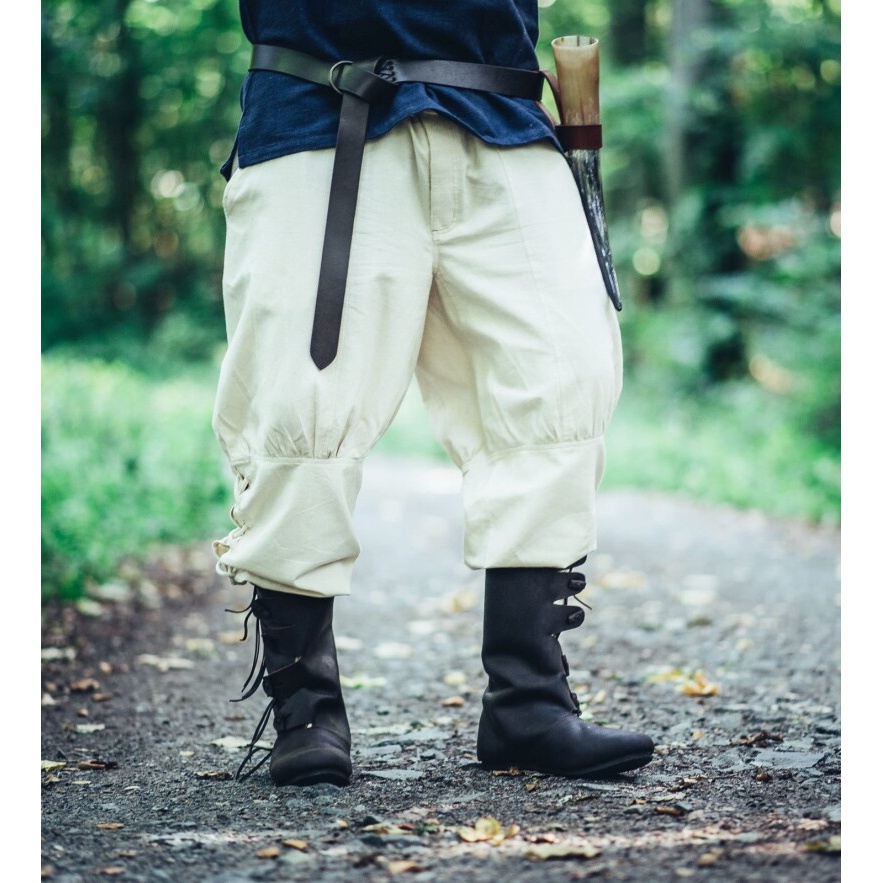
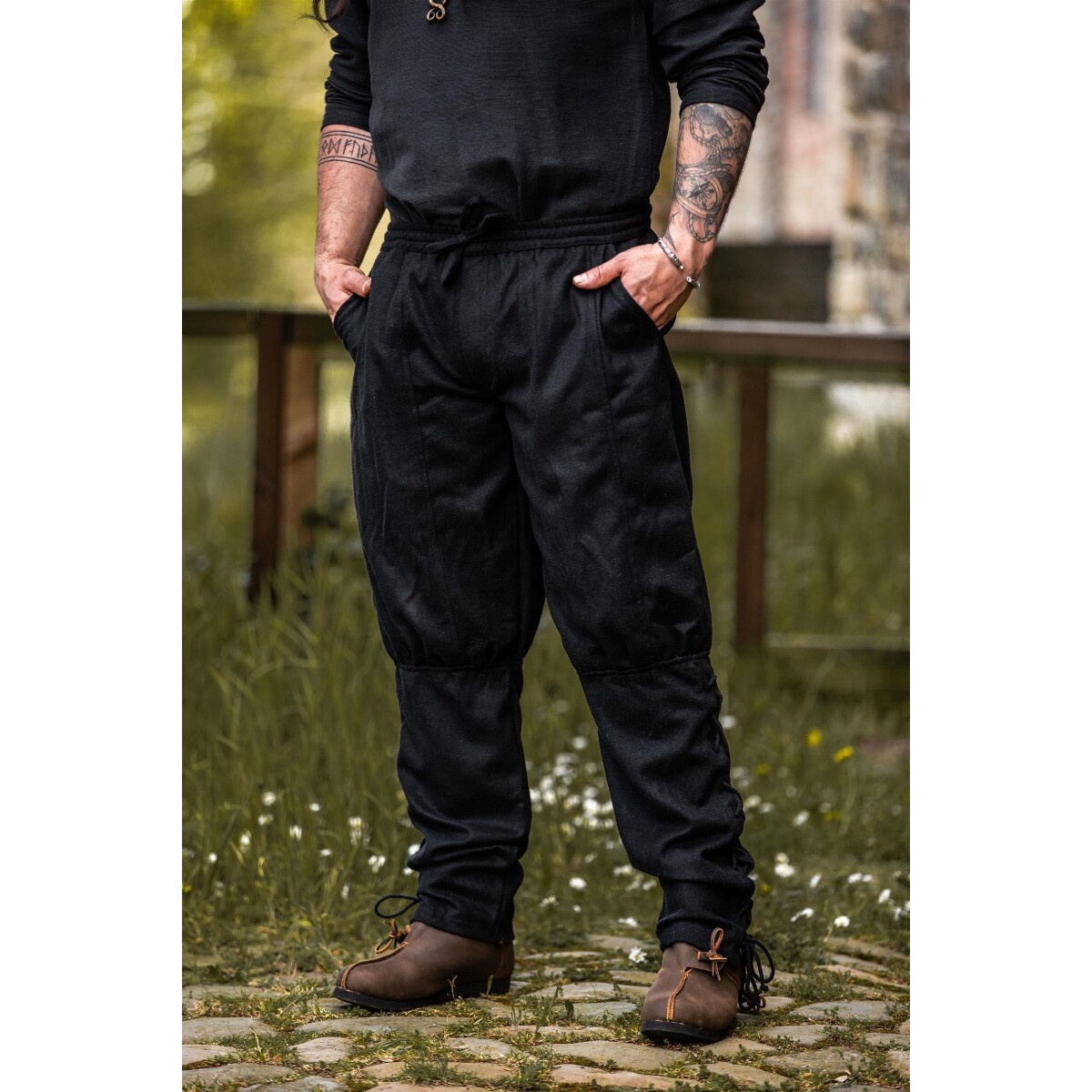
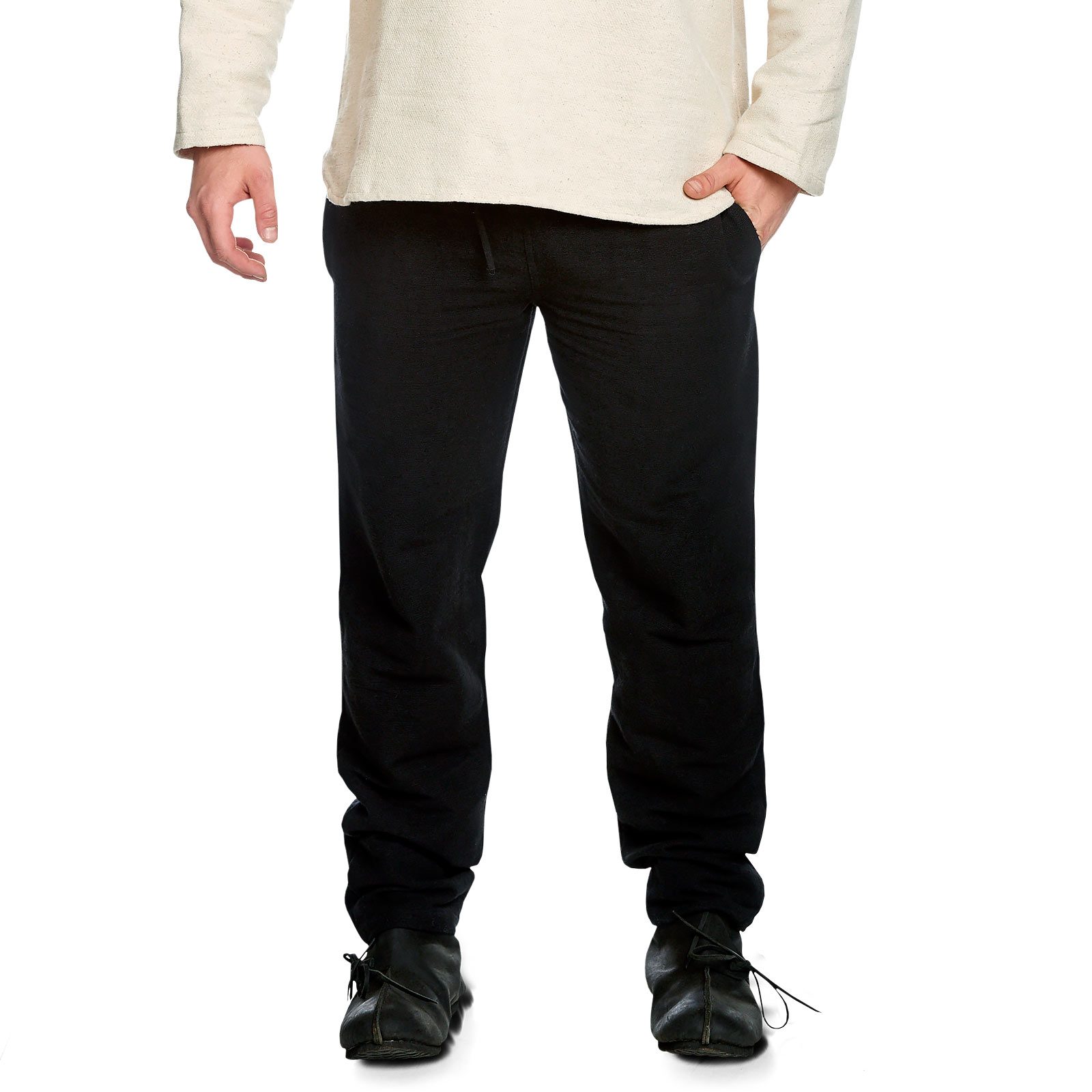
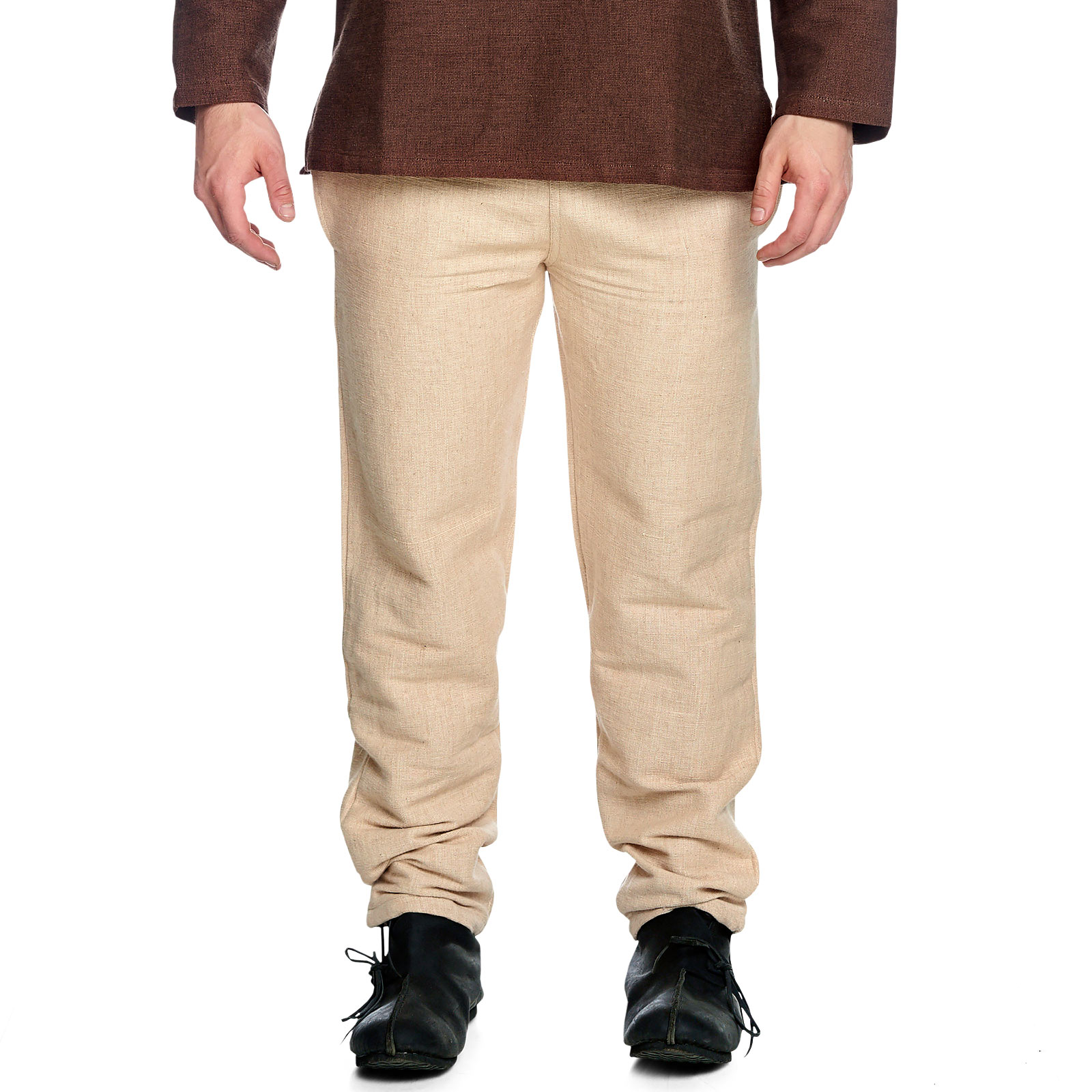
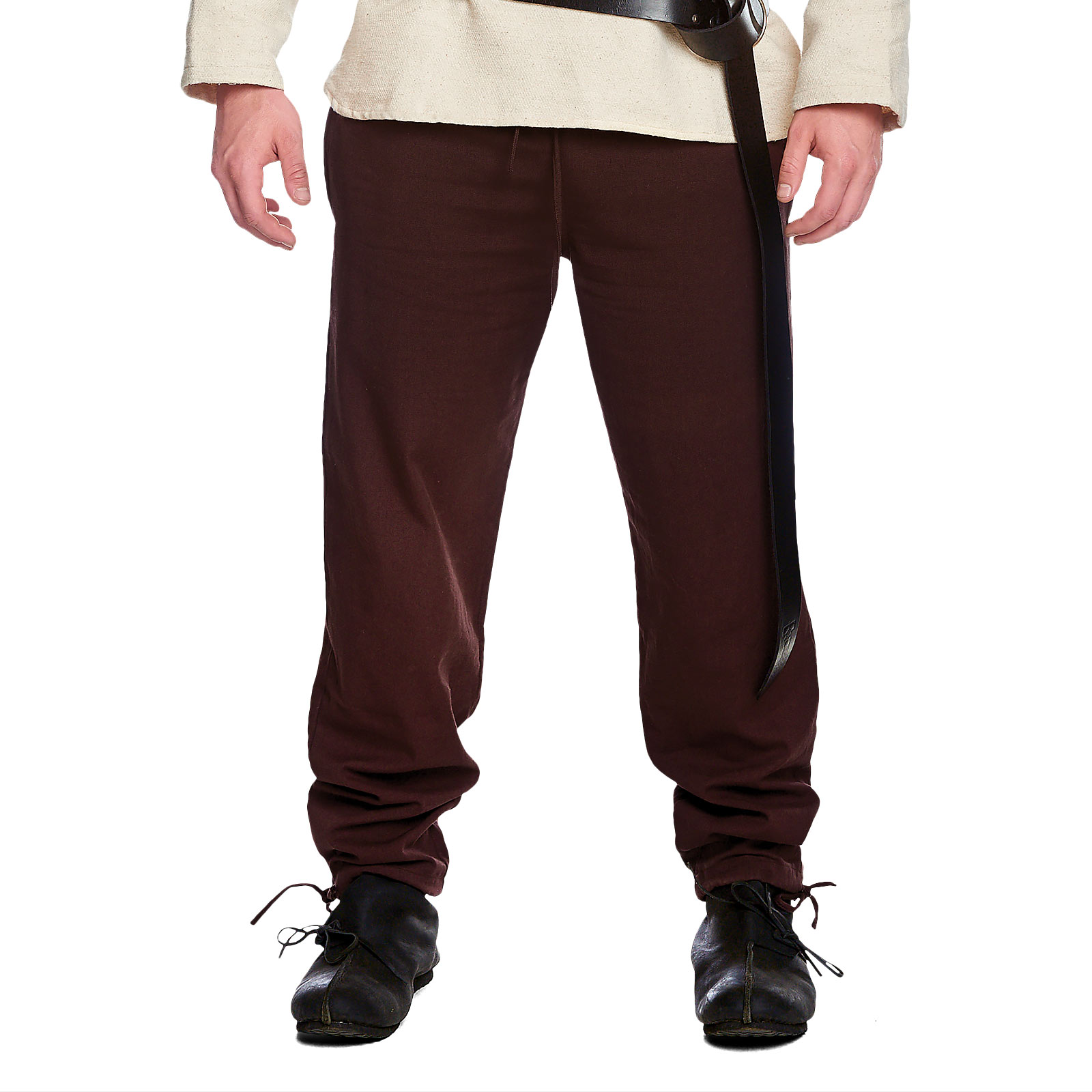
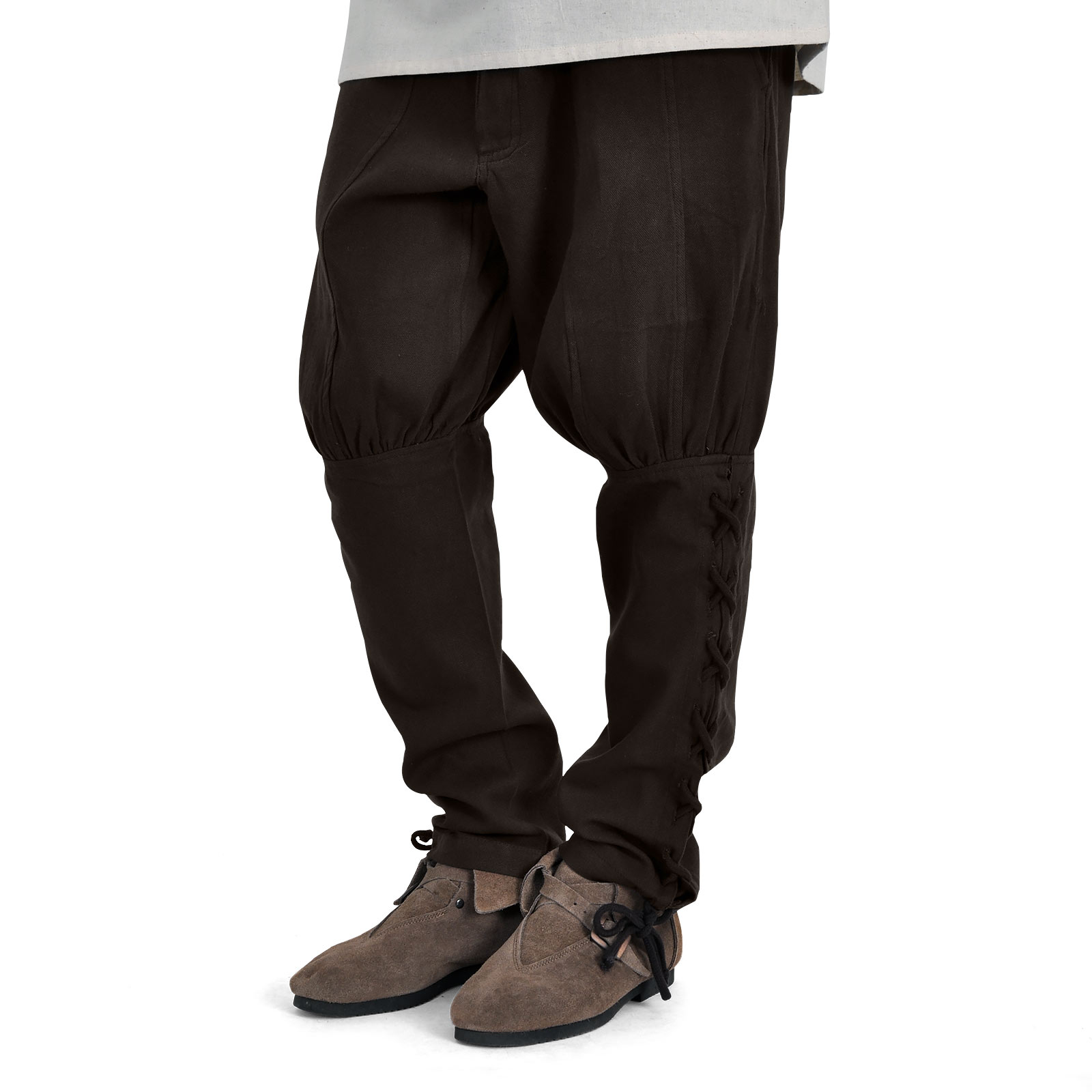
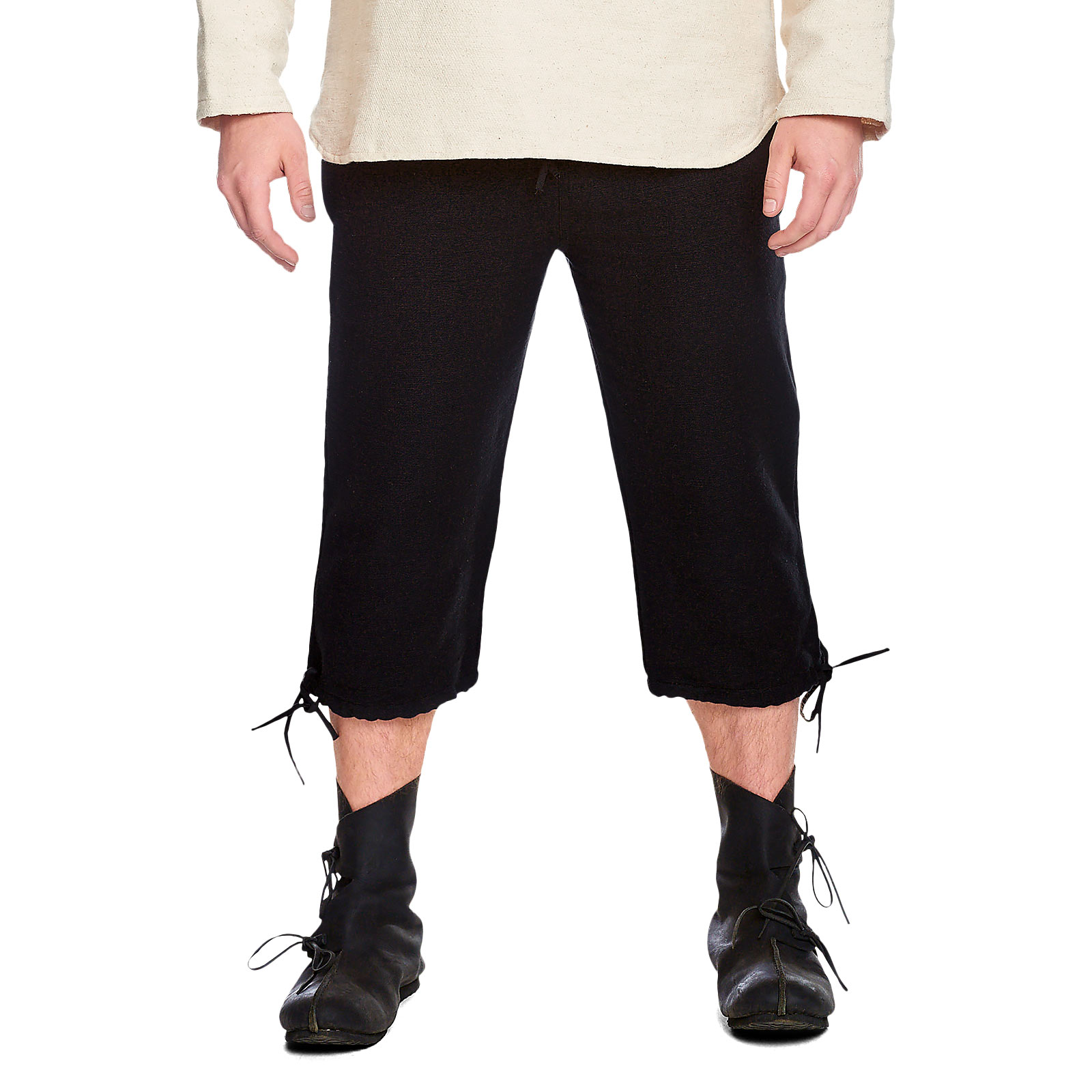
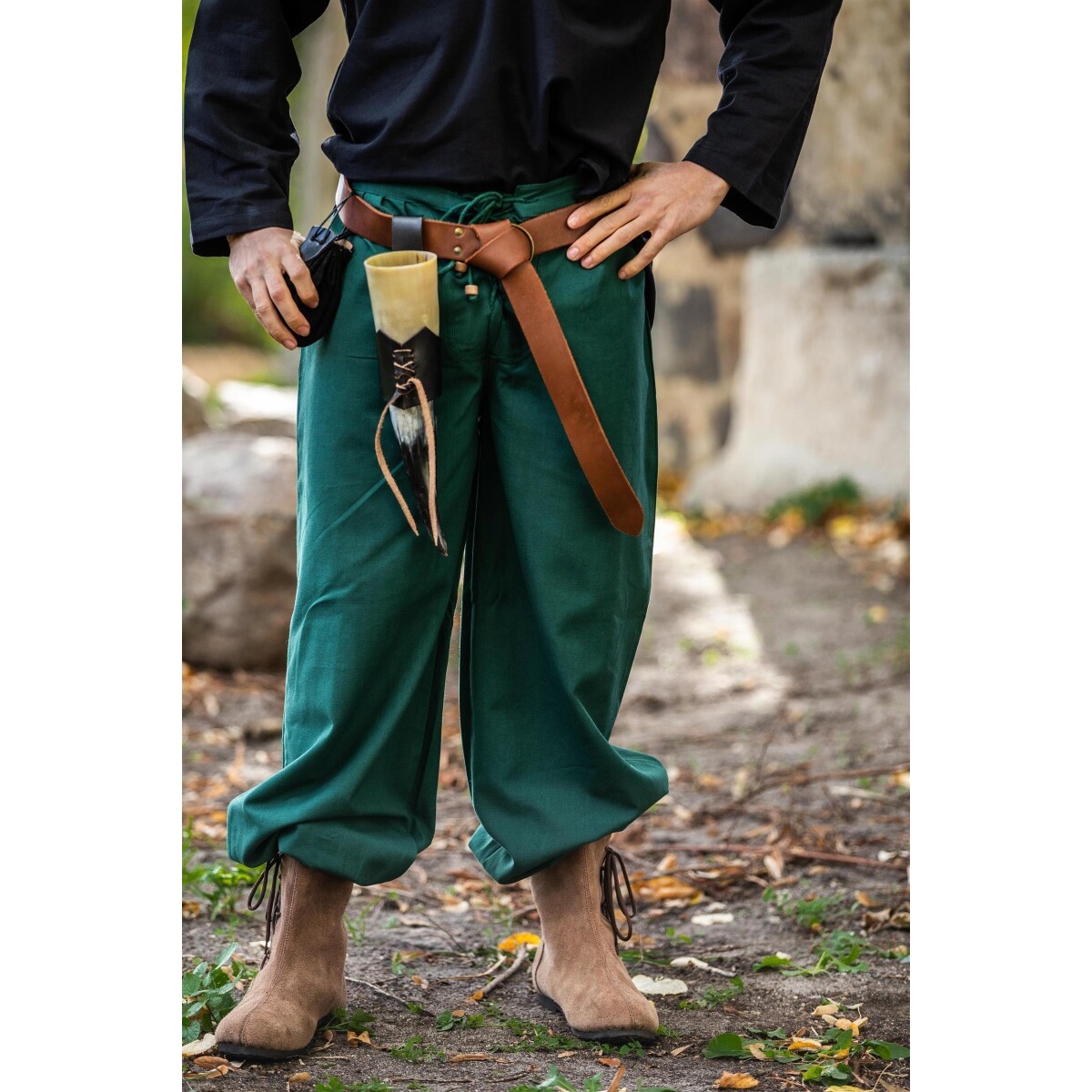
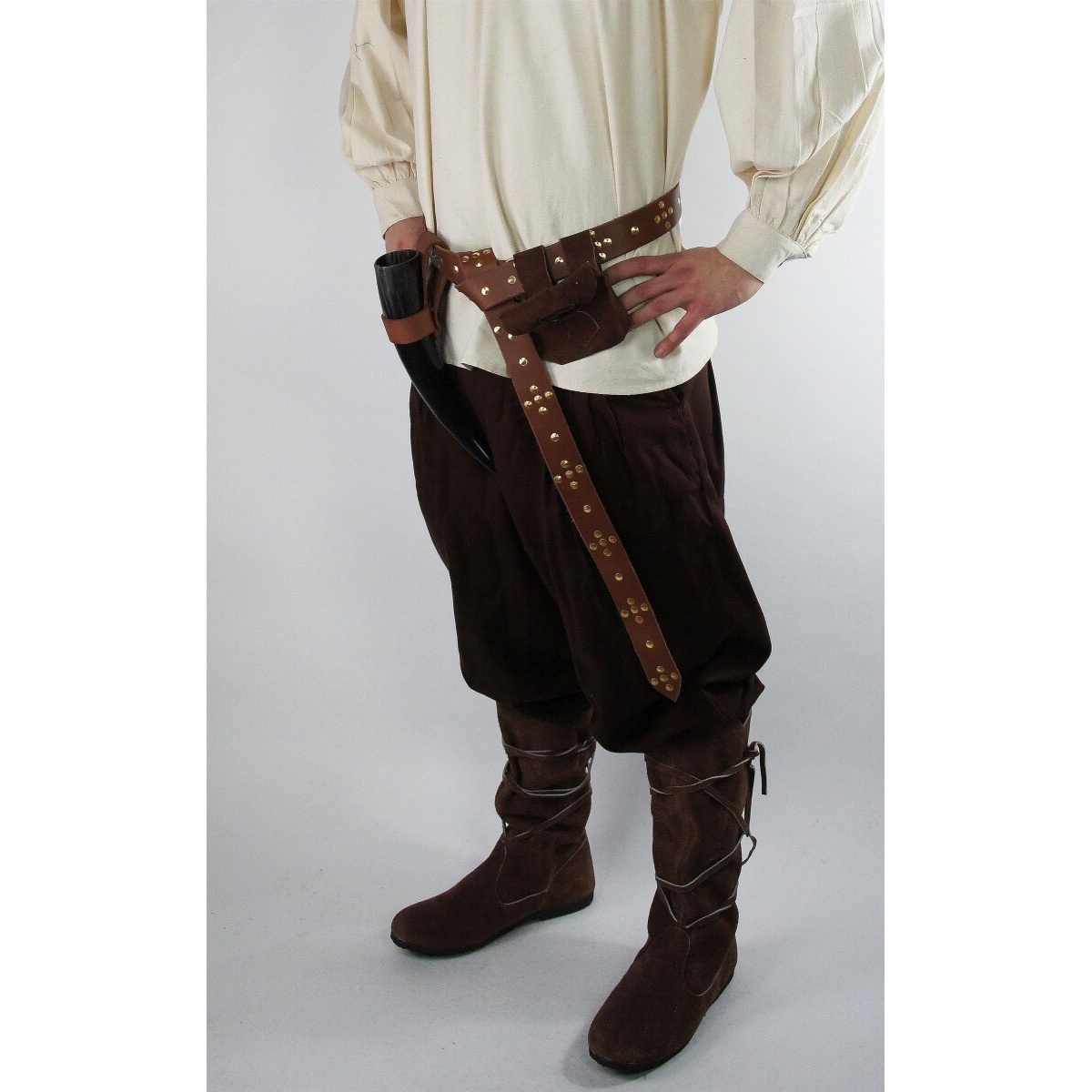
Medieval trousers encompass a range of historical styles spanning roughly from the early Middle Ages through the Renaissance period. Common characteristics include natural materials such as linen, cotton, and wool, along with period-appropriate construction techniques like drawstring waists, laced closures, and simple button fastenings. Styles range from the loose braies worn as undergarments in earlier periods to the more fitted hose and breeches that became fashionable in later centuries. The cut typically allows for greater freedom of movement than many modern designs, reflecting the practical needs of people who walked, rode, and worked in their clothing rather than sitting at desks.
Frequently asked questions
What materials are best for medieval pants?
Linen and cotton work well for warm weather, offering breathability and comfort during summer events. Wool blends provide better insulation for cooler seasons and often drape more authentically for certain historical periods. For durability during active use, look for heavier cotton twills or canvas-weight fabrics.
How should medieval trousers fit?
Fit varies by historical period and character type. Earlier medieval styles tend toward loose, relaxed cuts, while later Renaissance breeches often fit more closely through the thigh. For LARP and reenactment purposes, prioritise ease of movement — you should be able to walk, sit, and potentially run without restriction.
Can medieval pants be worn casually?
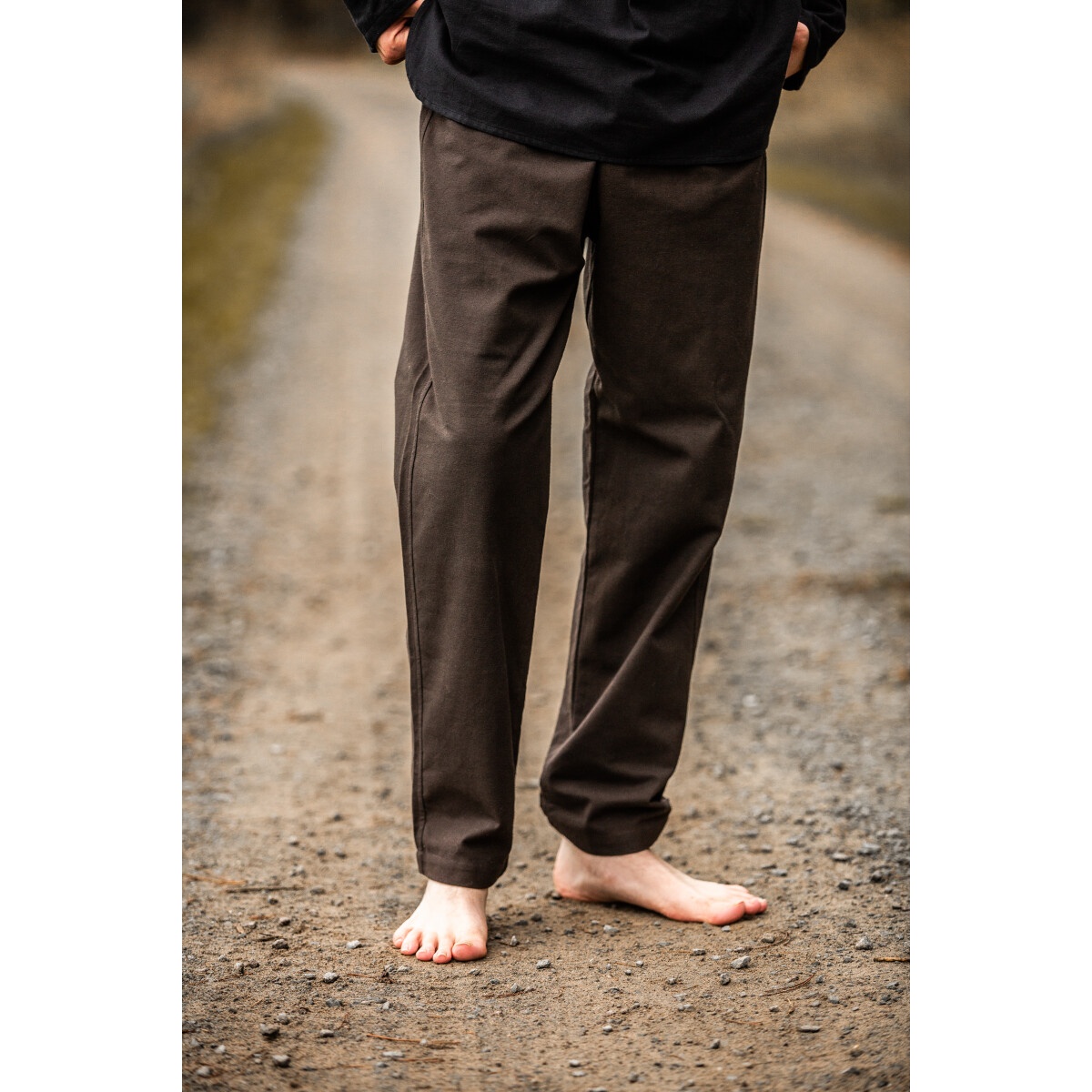
Many styles translate surprisingly well to everyday wear. Simpler designs in neutral colours work as alternative casual trousers, particularly paired with modern shirts. The comfortable fit and natural materials often make them more pleasant to wear than their contemporary equivalents.
Assortment overview
The medieval pants selection includes various styles suited to different historical periods and character concepts. Browse the available options to find trousers matching your specific requirements, whether you need simple workwear for a peasant costume or more refined garments for noble portrayals.
What goes well with this?
Medieval trousers reach their full potential when paired with appropriate companions. A well-chosen tunic transforms basic breeches into a complete outfit, while the right footwear grounds the whole ensemble — because nothing undermines a carefully assembled medieval look quite like trainers peeking out beneath your authentic Viking braies.