Middle Ages

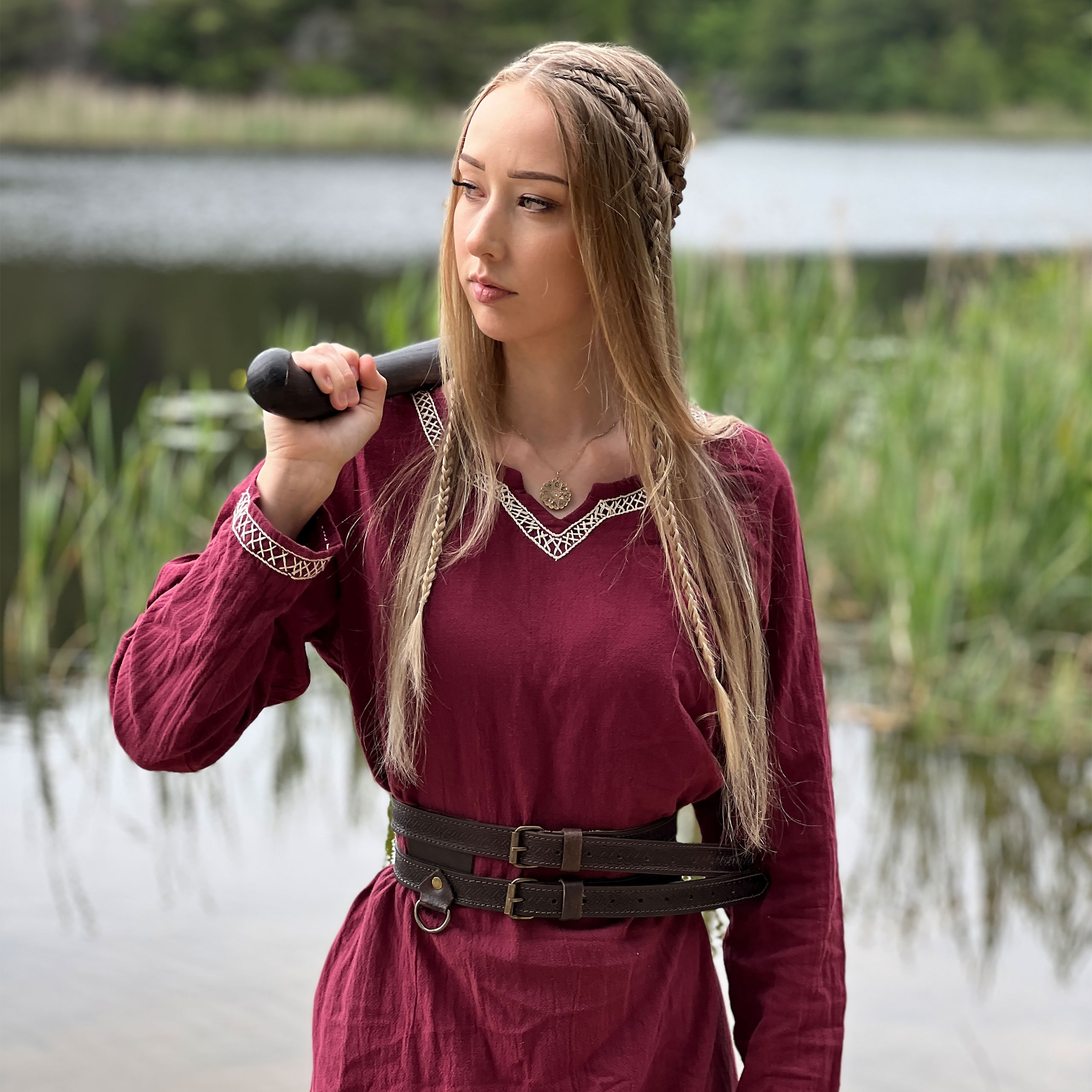
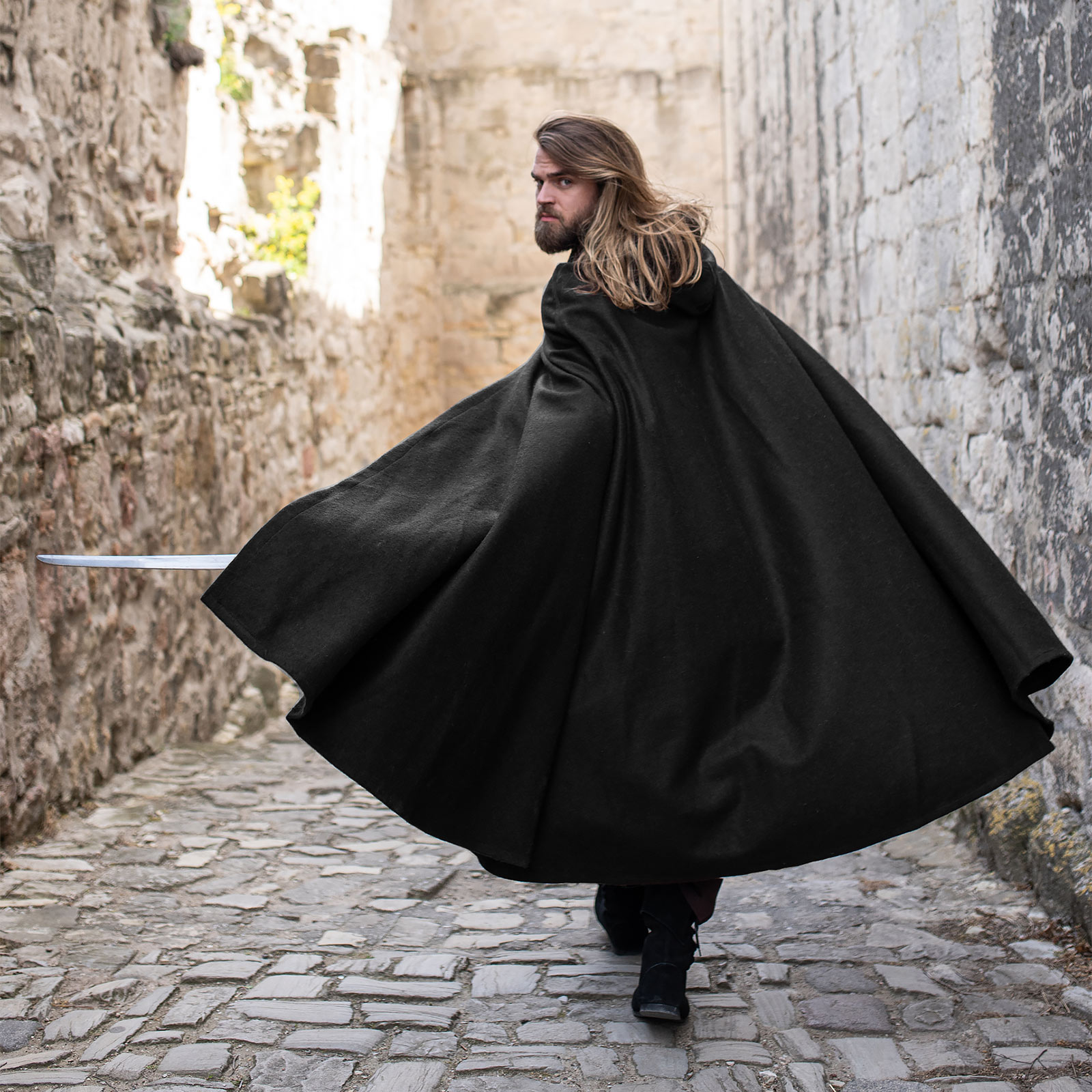
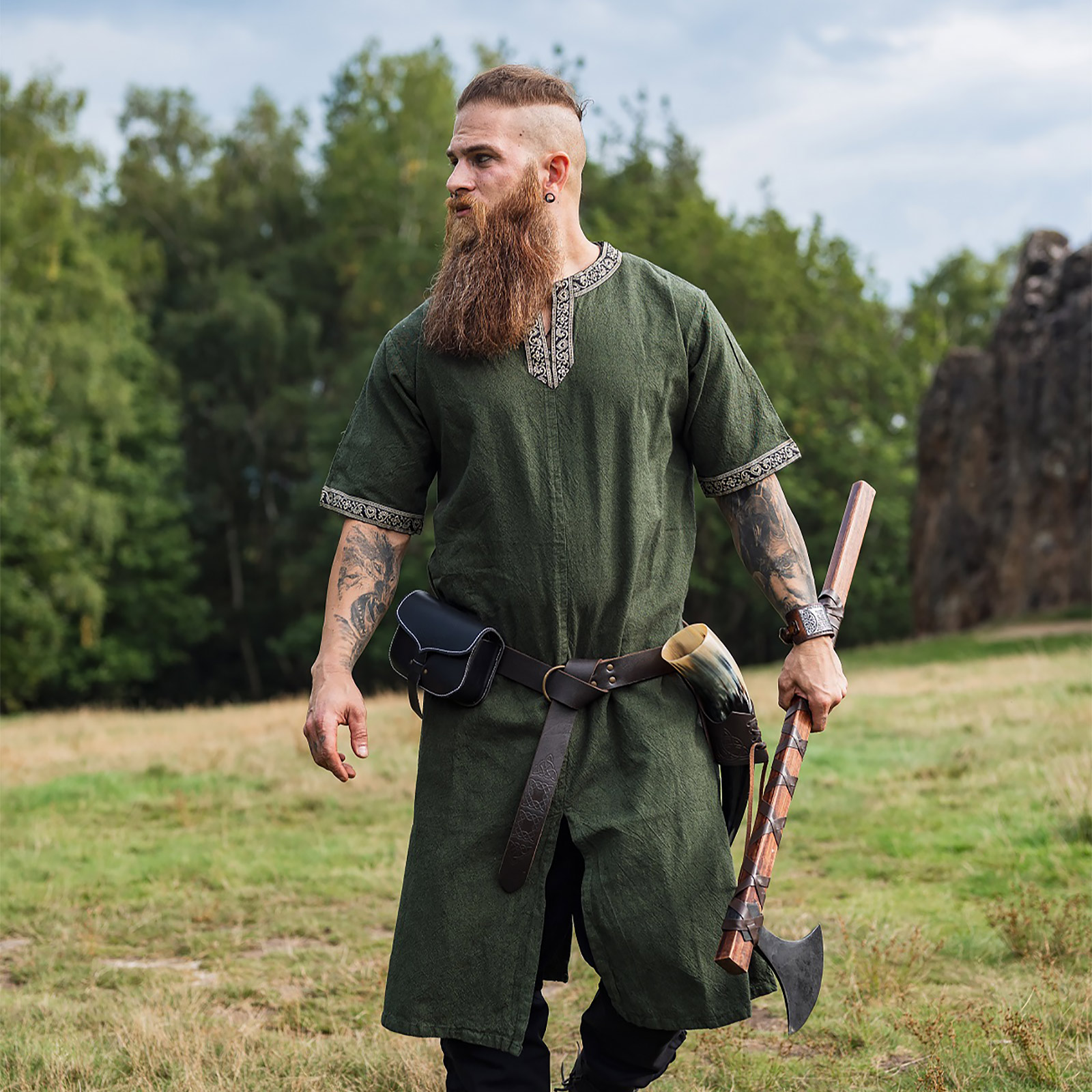
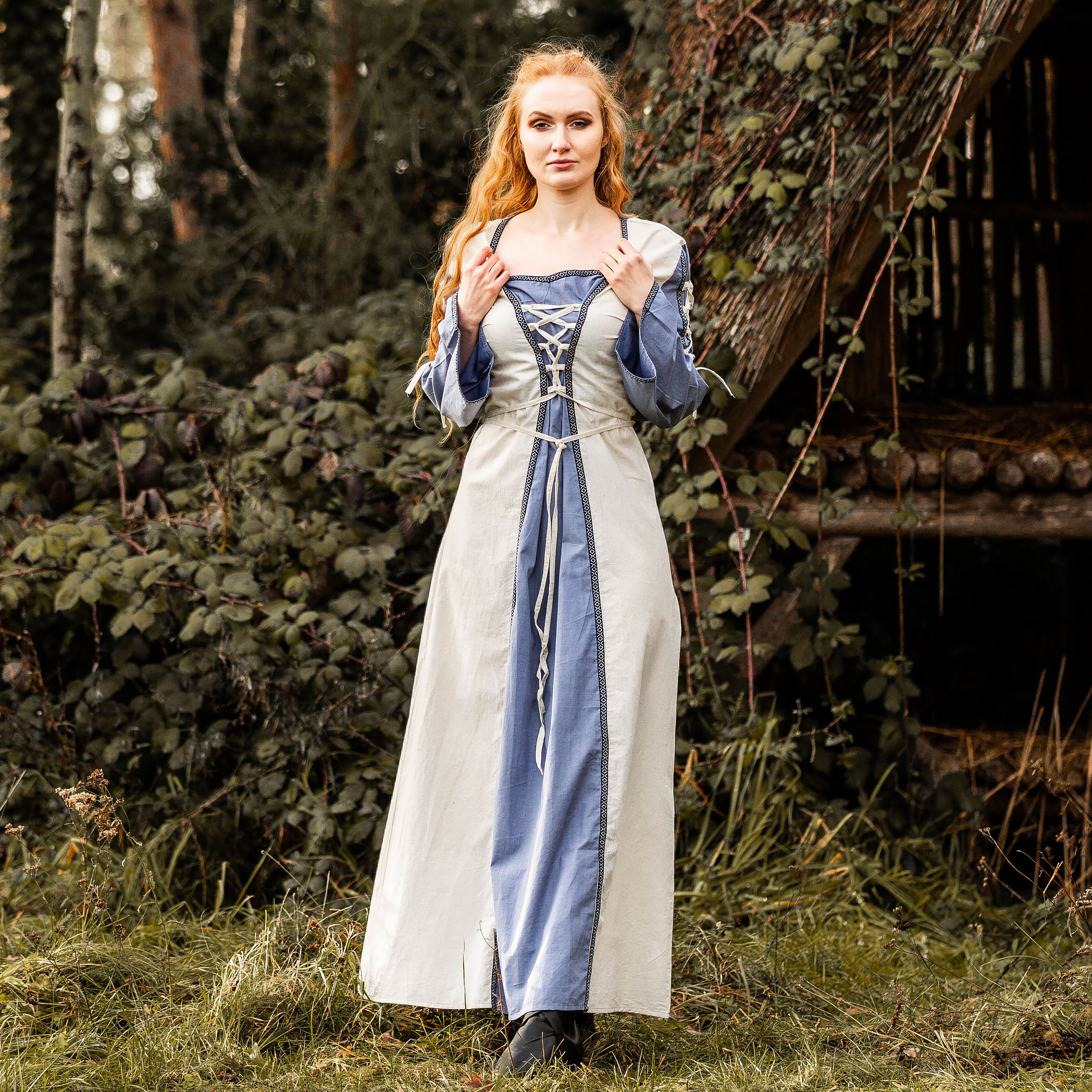
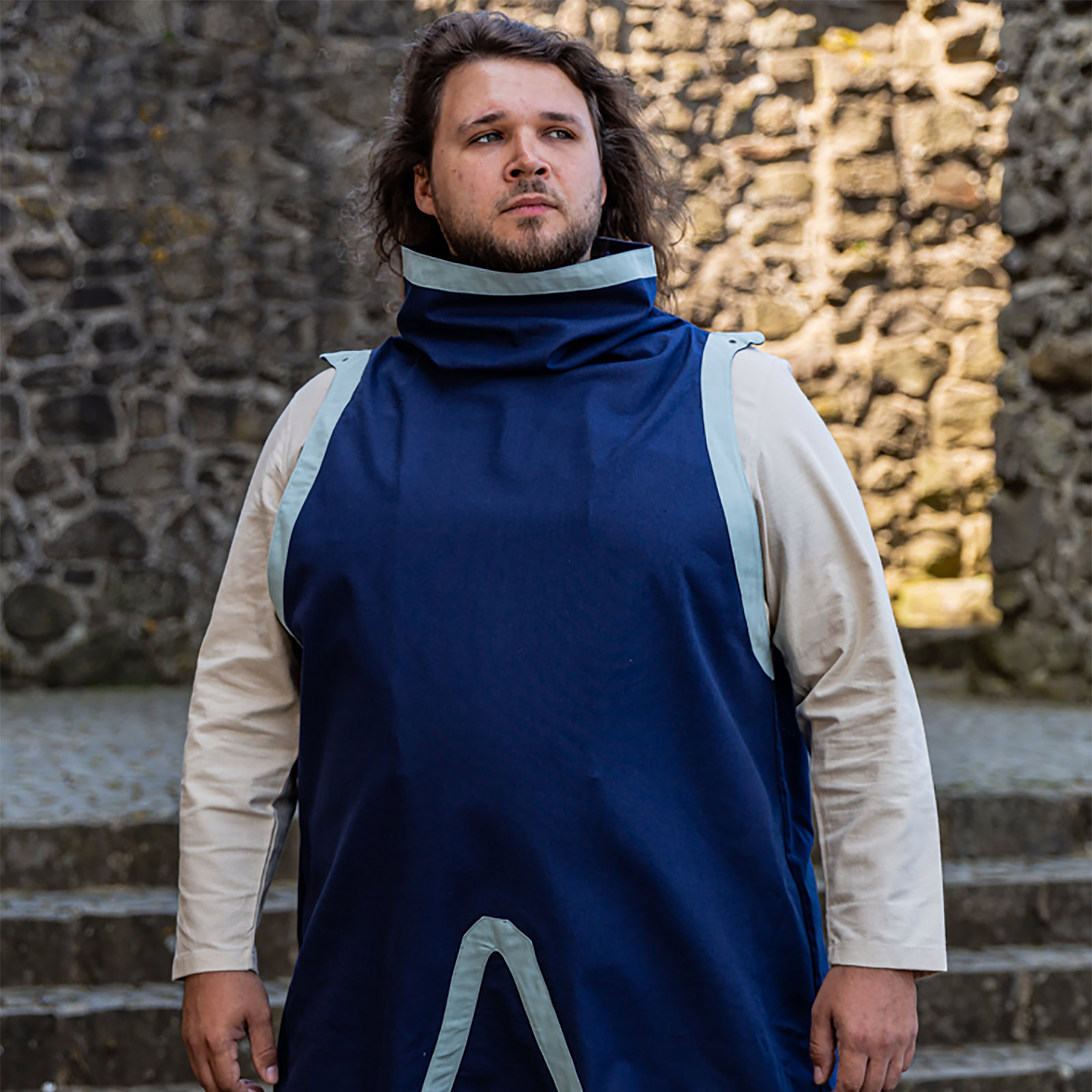
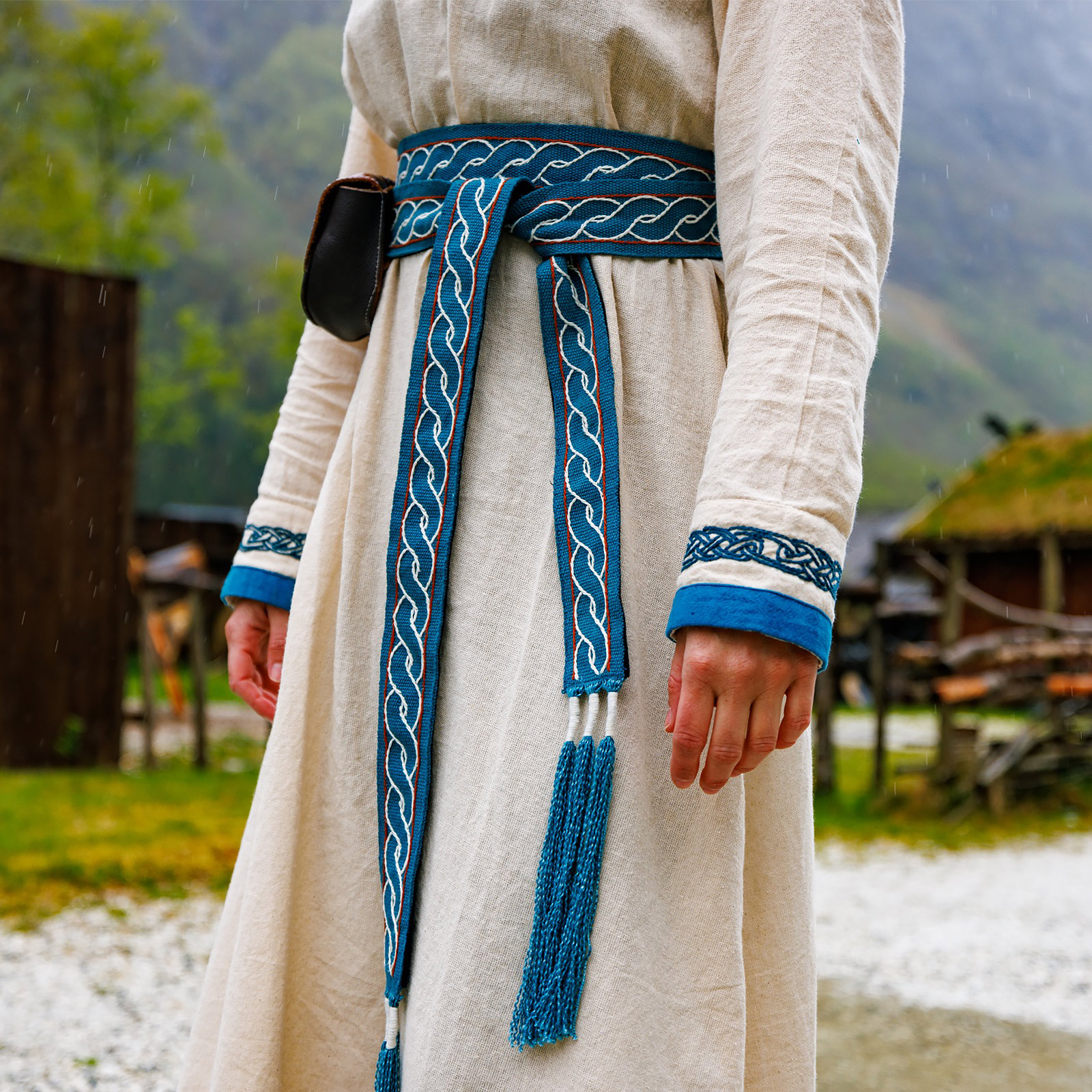
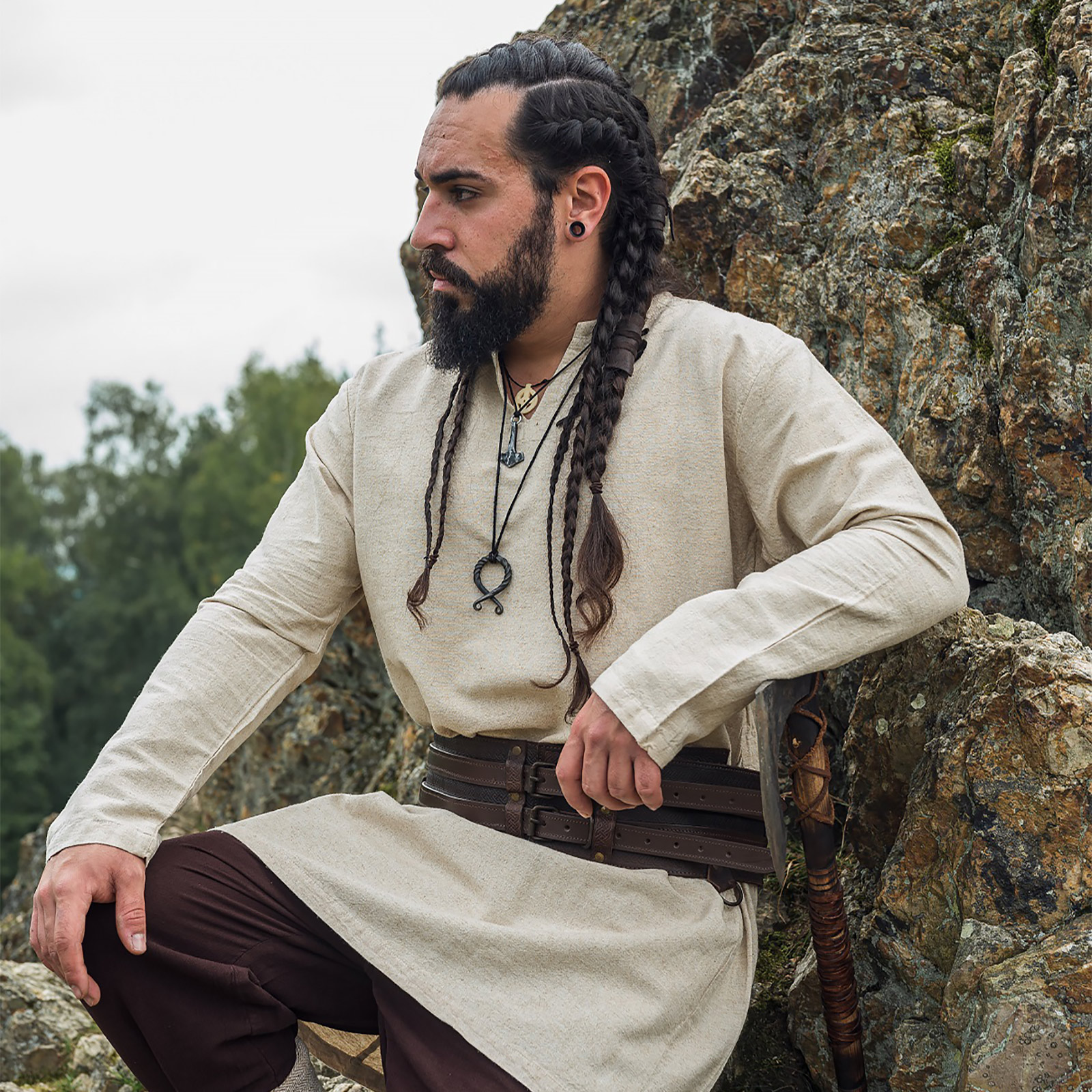
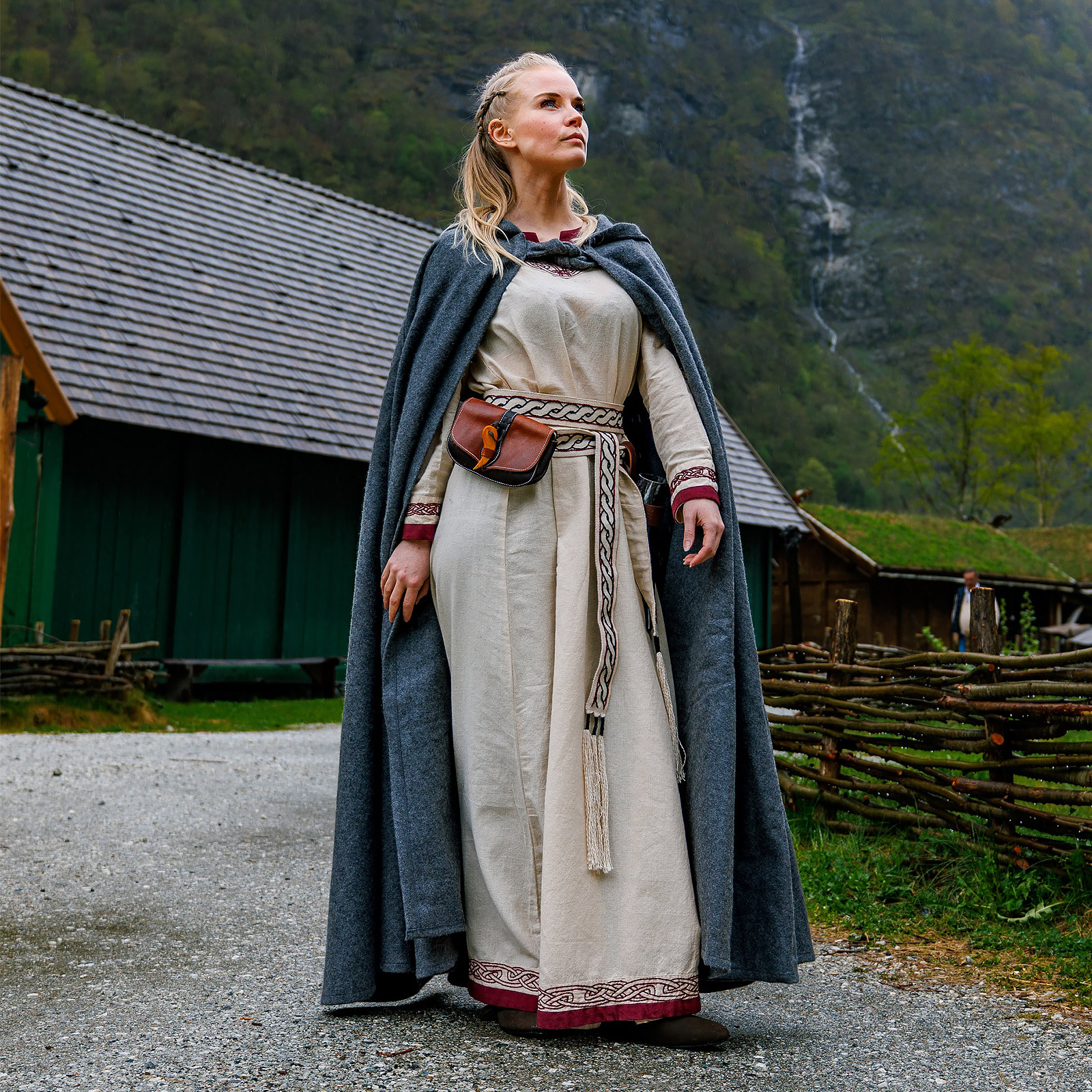
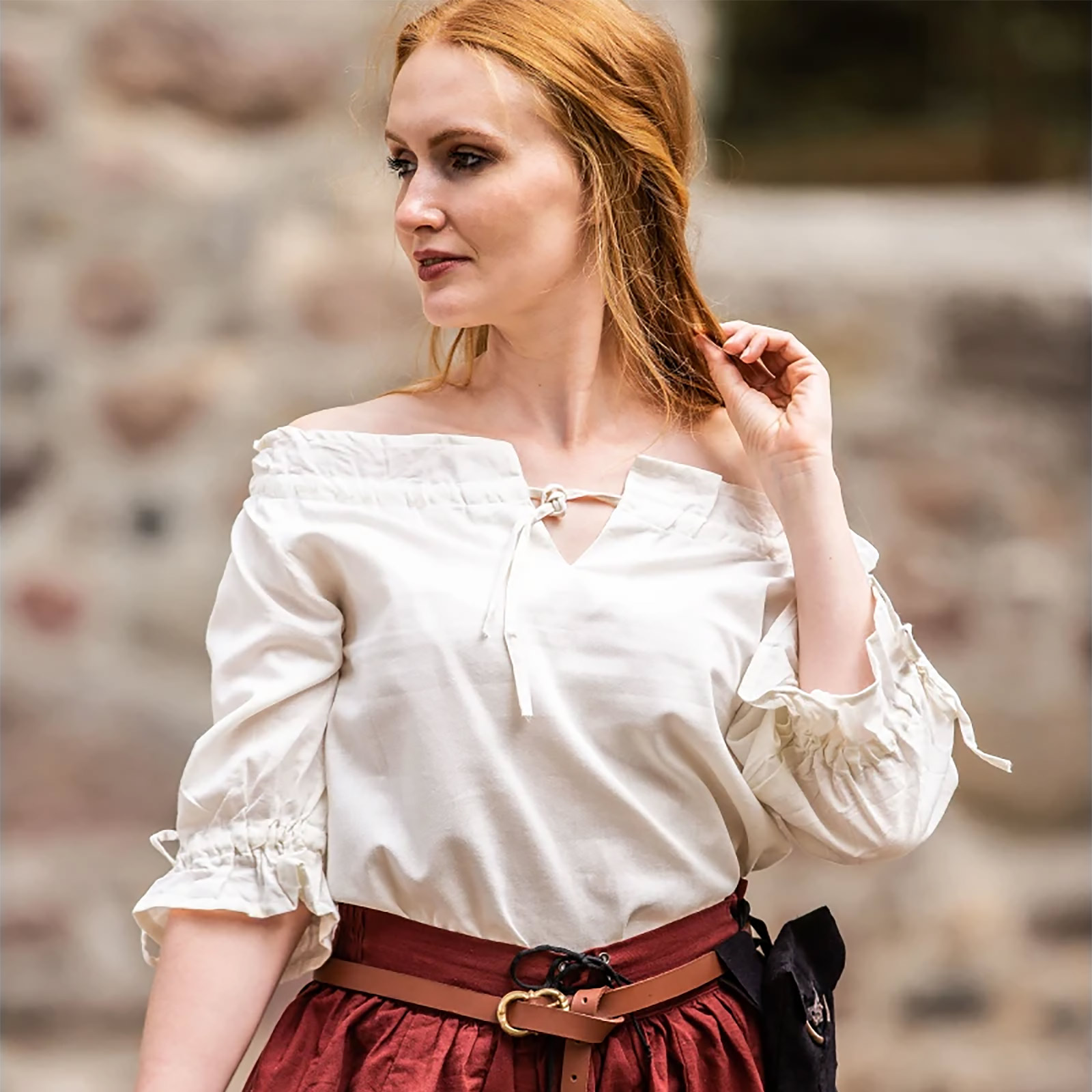
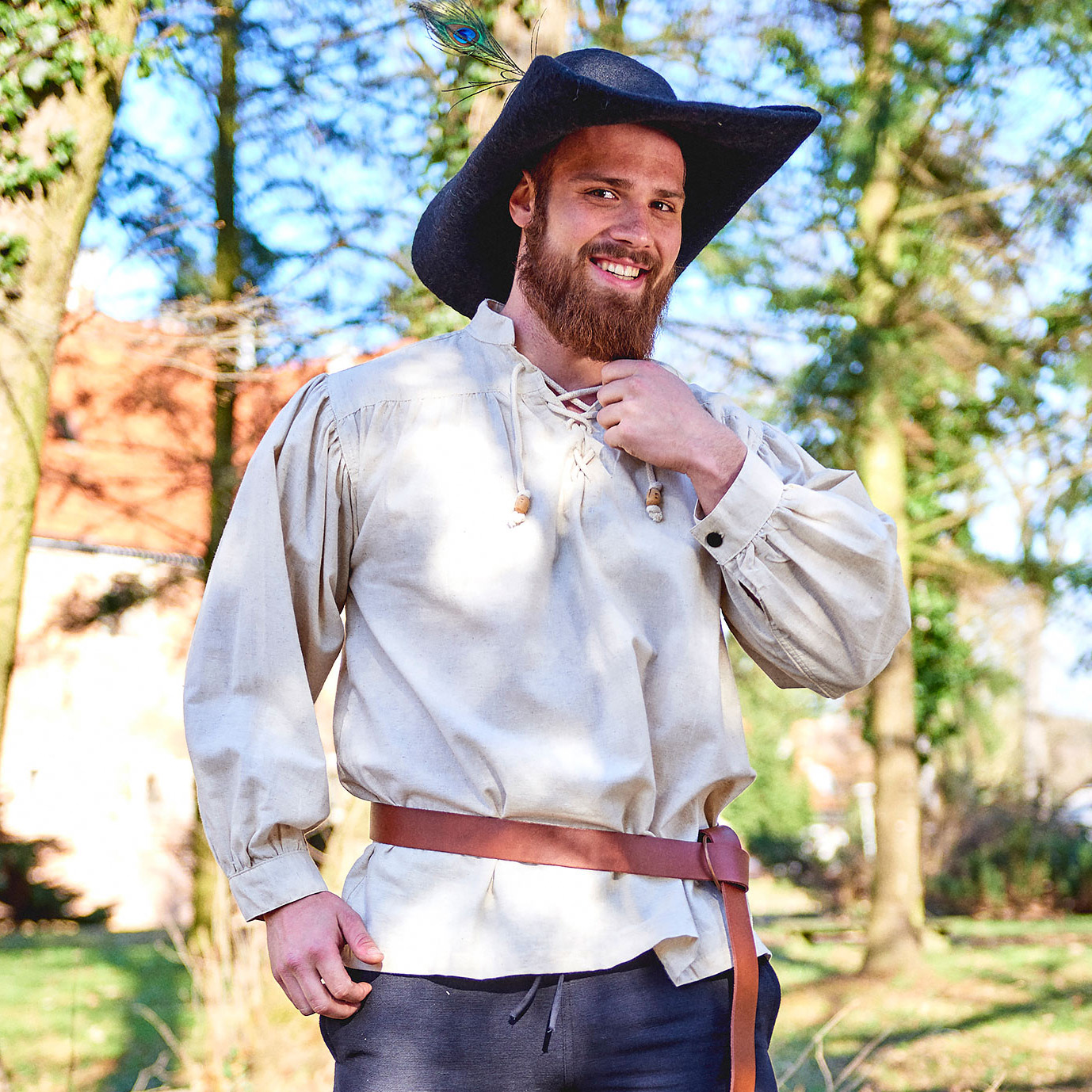
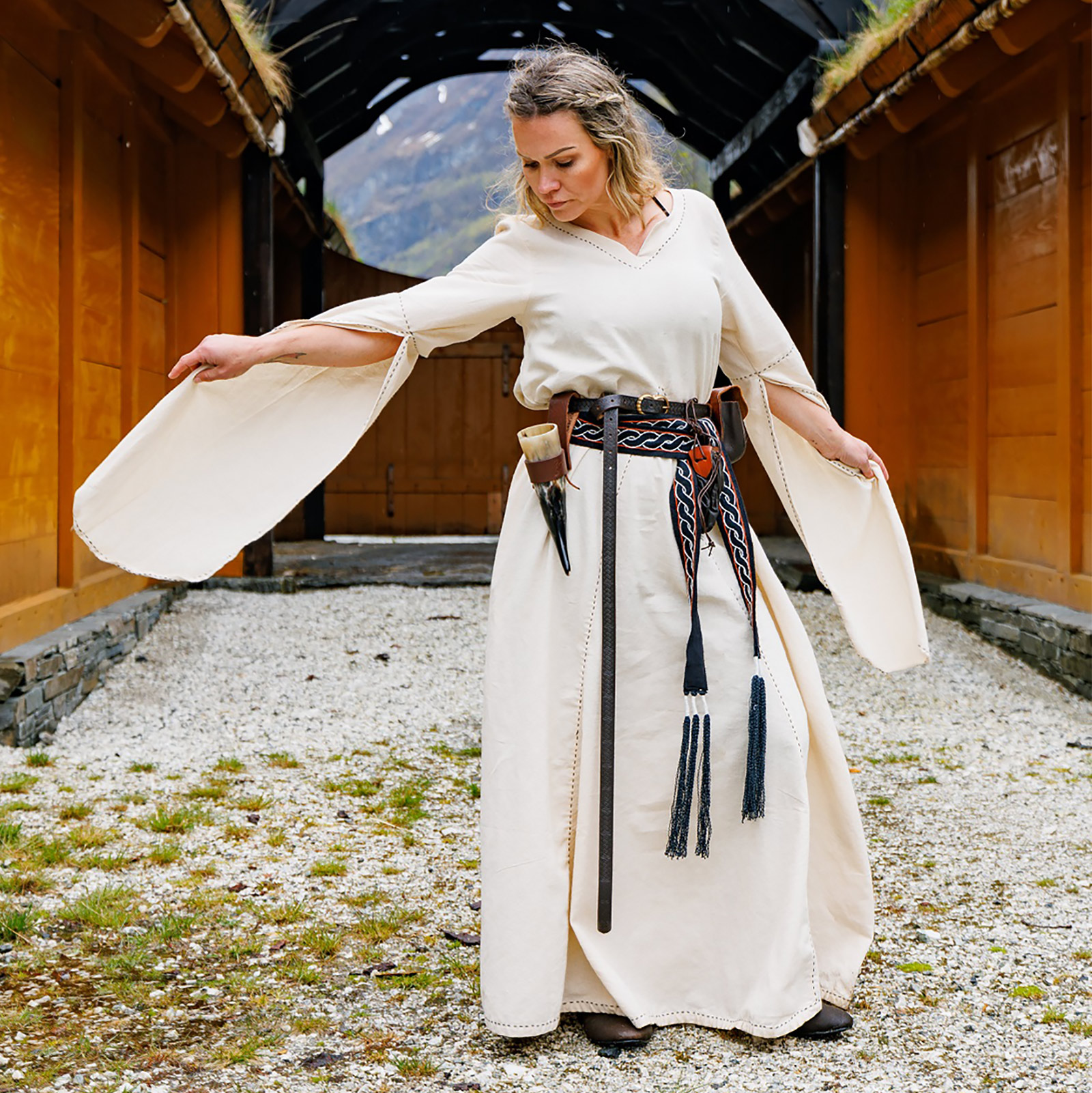
Medieval clothing for those who take their historical garb seriously. Whether you're outfitting for a LARP campaign, a renaissance faire, or simply prefer your wardrobe to predate the industrial revolution, this collection covers the essentials: tunics and shirts, flowing dresses, sturdy belts, and the cloaks that make dramatic exits possible. Authenticity optional, commitment encouraged.

Middle Ages Merchandise – Garb for history enthusiasts and fantasy adventurers

There's something satisfying about clothing that doesn't require a size chart debate with modern vanity sizing. Medieval garb follows simpler rules: it should fit, it should move with you, and ideally it shouldn't look like you bought it from a party shop the night before the faire. This collection serves LARP players, historical re-enactors, renaissance faire regulars, and anyone who's ever thought their everyday wardrobe could use more lacing.

What defines medieval clothing?

Medieval clothing spans roughly a thousand years of European fashion history, from the early Middle Ages through the Renaissance. Common characteristics include natural fabrics like linen, wool, and cotton, loose silhouettes that allow movement, and construction techniques that predate industrial sewing. Garments typically feature lacing, toggles, or simple ties rather than modern fasteners. Tunics served as the basic garment for most social classes, while layering provided both warmth and social signalling. The styles represented here draw from various periods and social contexts within this broad historical range, adapted for modern wearability.

Frequently asked questions

What's the difference between a tunic and a shirt in medieval terms?

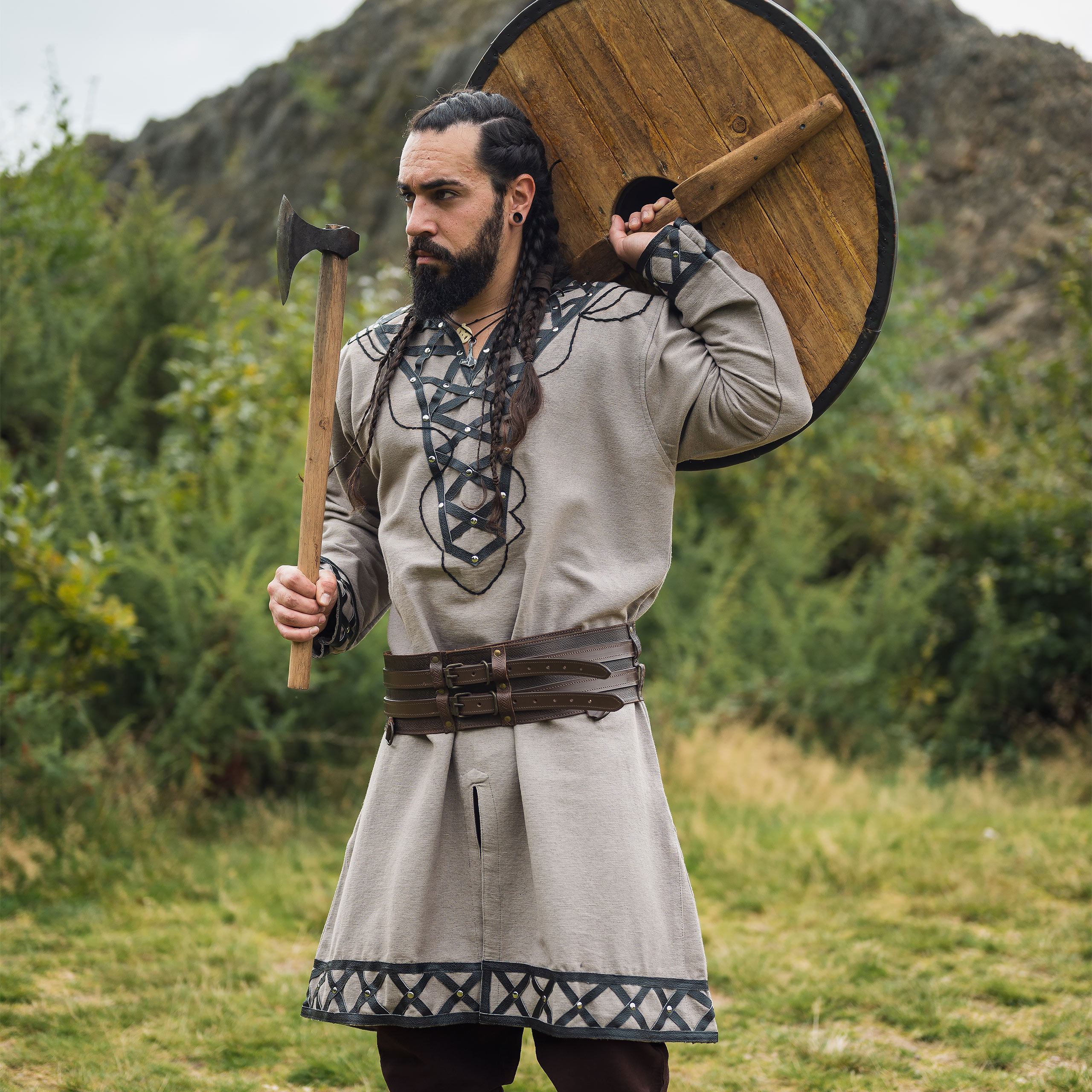
A tunic typically refers to a longer garment reaching mid-thigh or below, often worn as an outer layer, while a shirt tends to be shorter and functions as an undergarment or base layer. Both share the characteristic loose fit and simple construction of medieval clothing.

Can medieval clothing be worn at LARP events?

Yes, medieval garb works well for LARP, fantasy festivals, and historical re-enactment. The practical construction and durable materials suit active wear, and the styles form a versatile base that can be adapted to specific character concepts or historical periods.

How should I layer medieval garments?

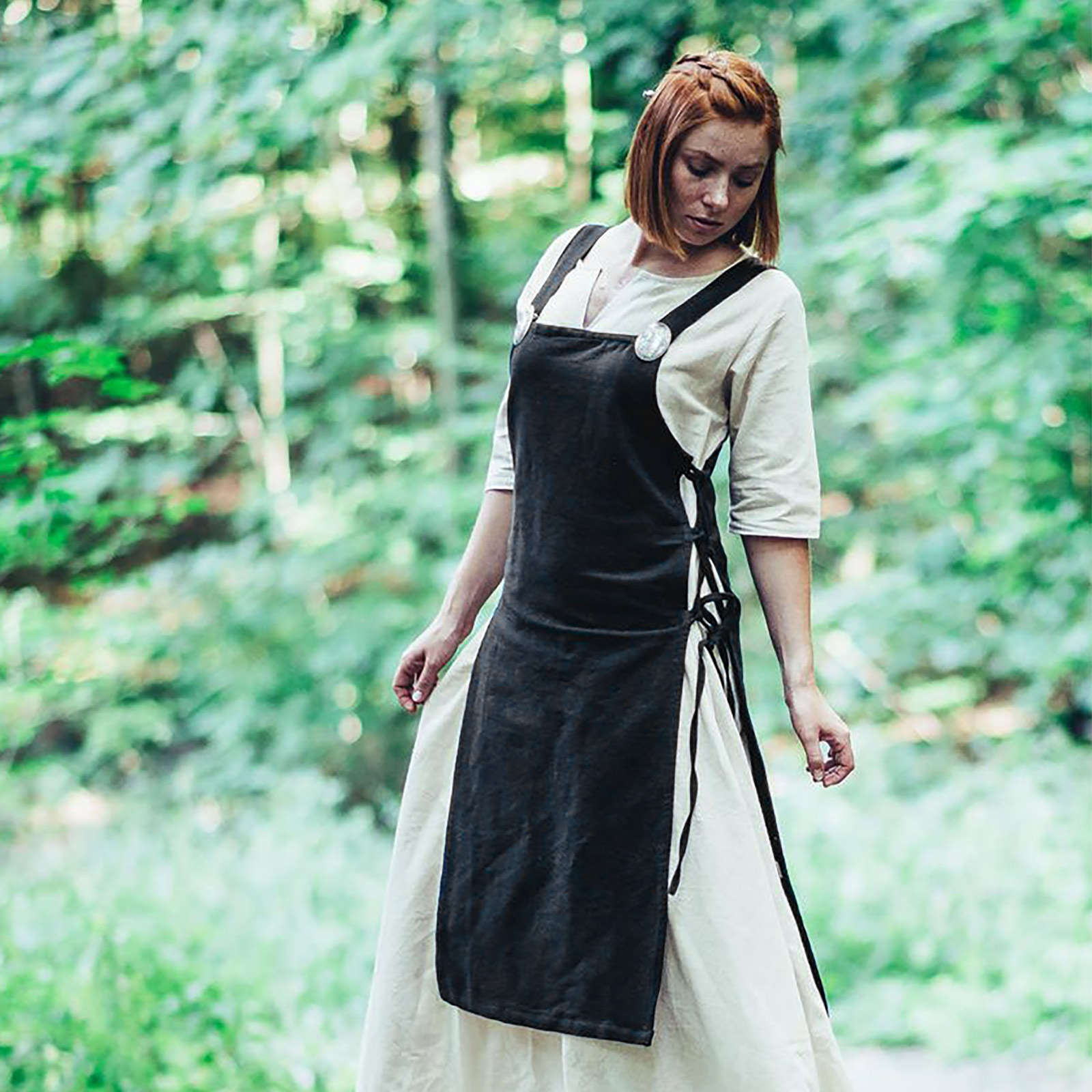
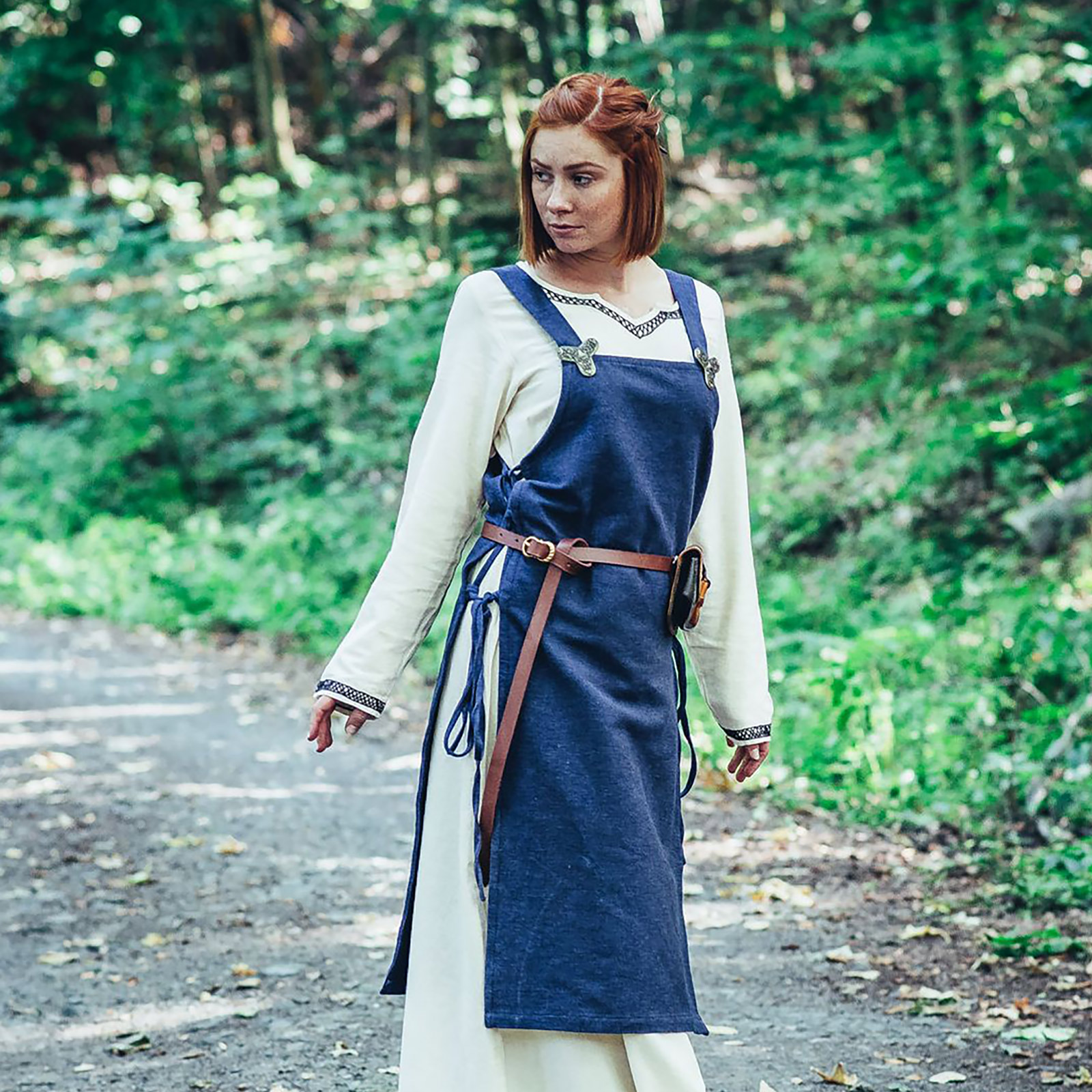
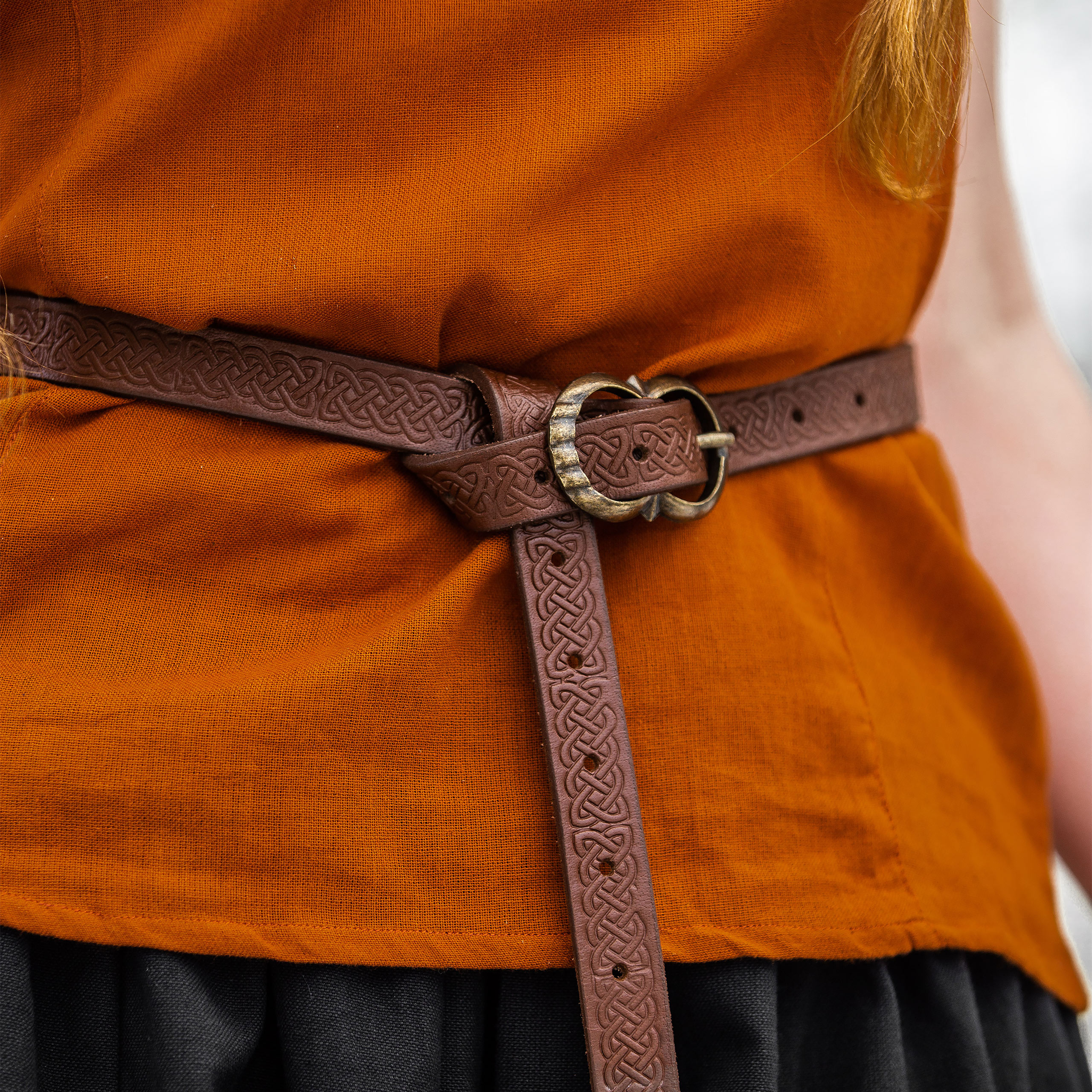
Start with a base shirt or chemise, add a tunic or dress as the main layer, secure with a belt at the waist, then add outer layers like vests or capes for warmth and visual interest. Proper layering also helps regulate temperature at outdoor events.

Assortment overview

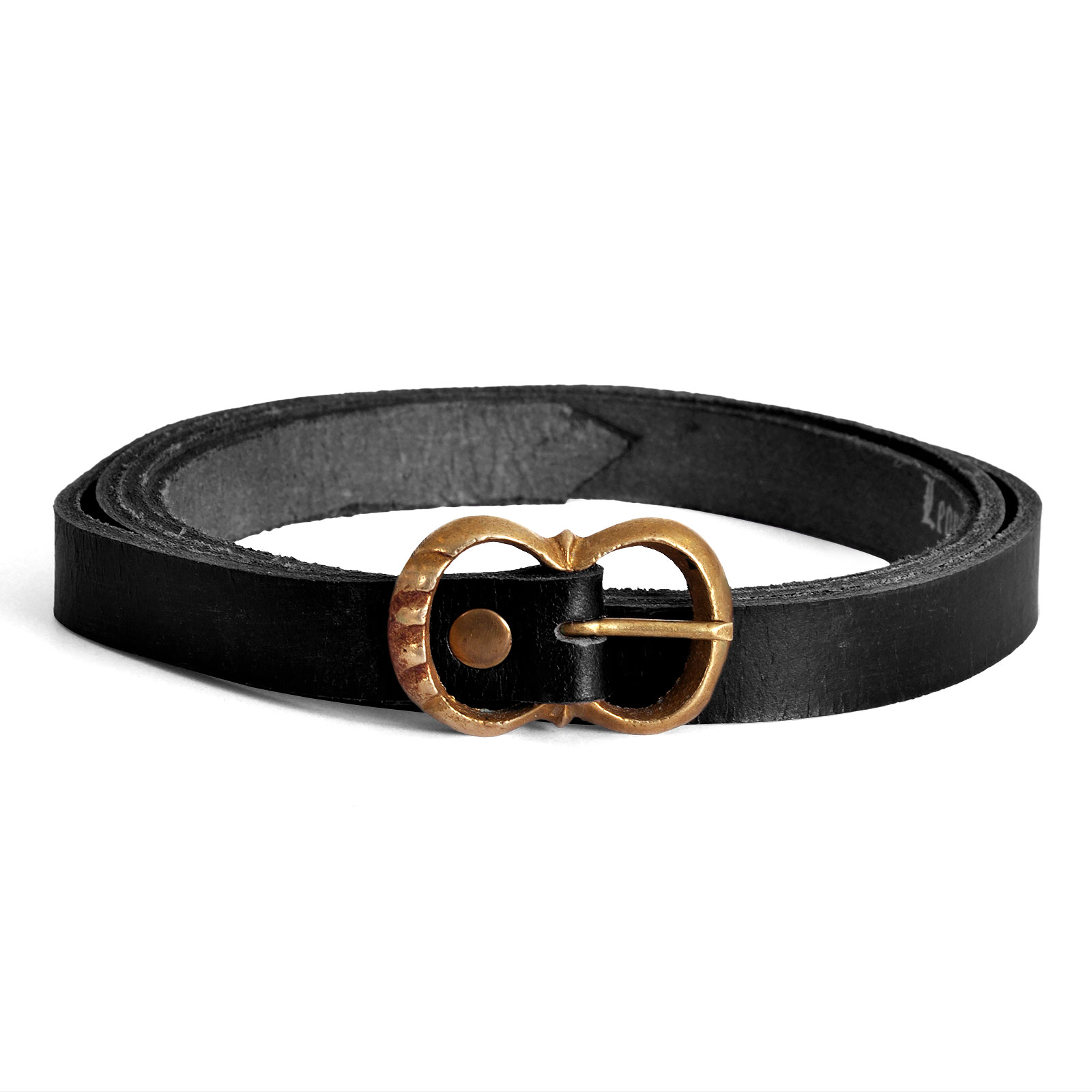
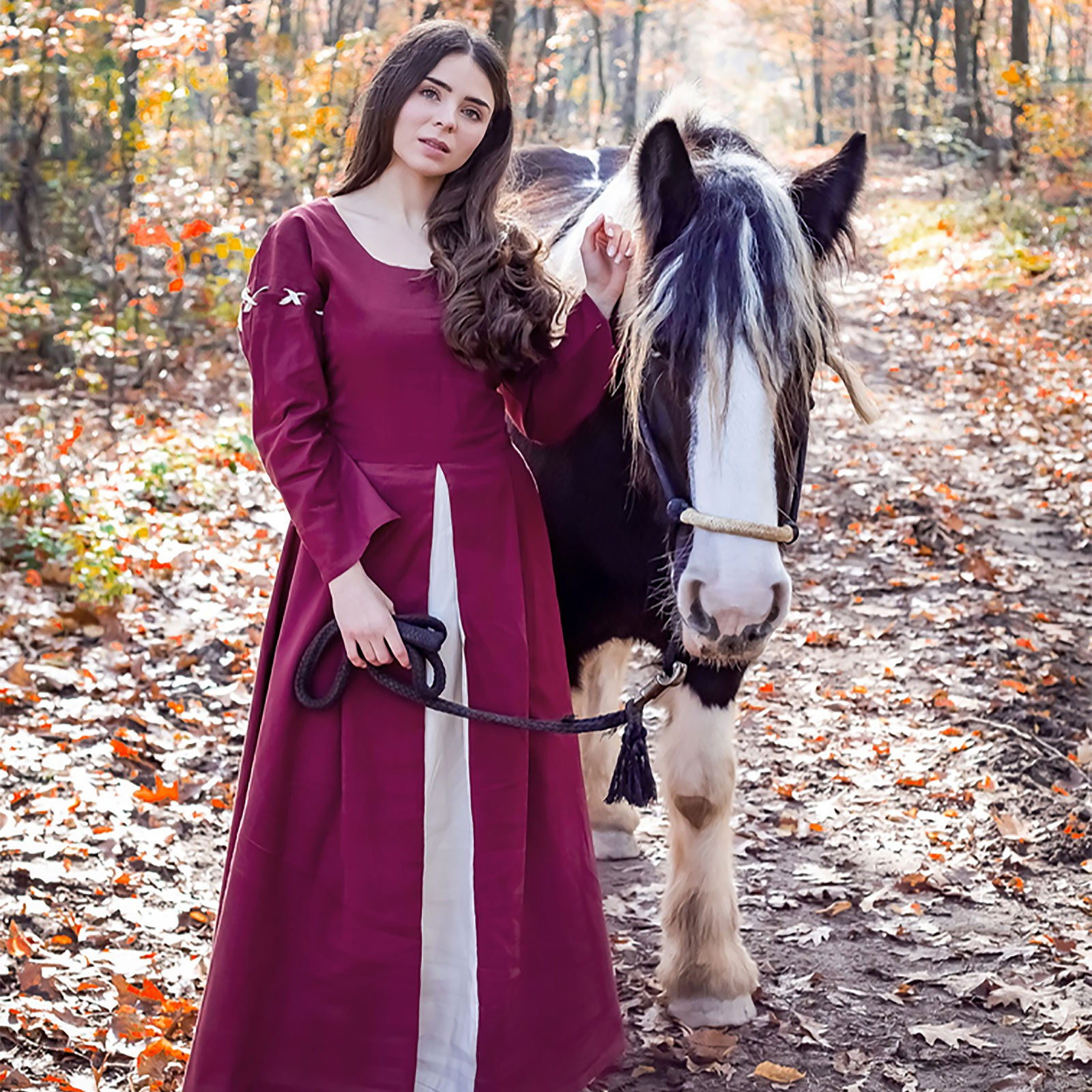
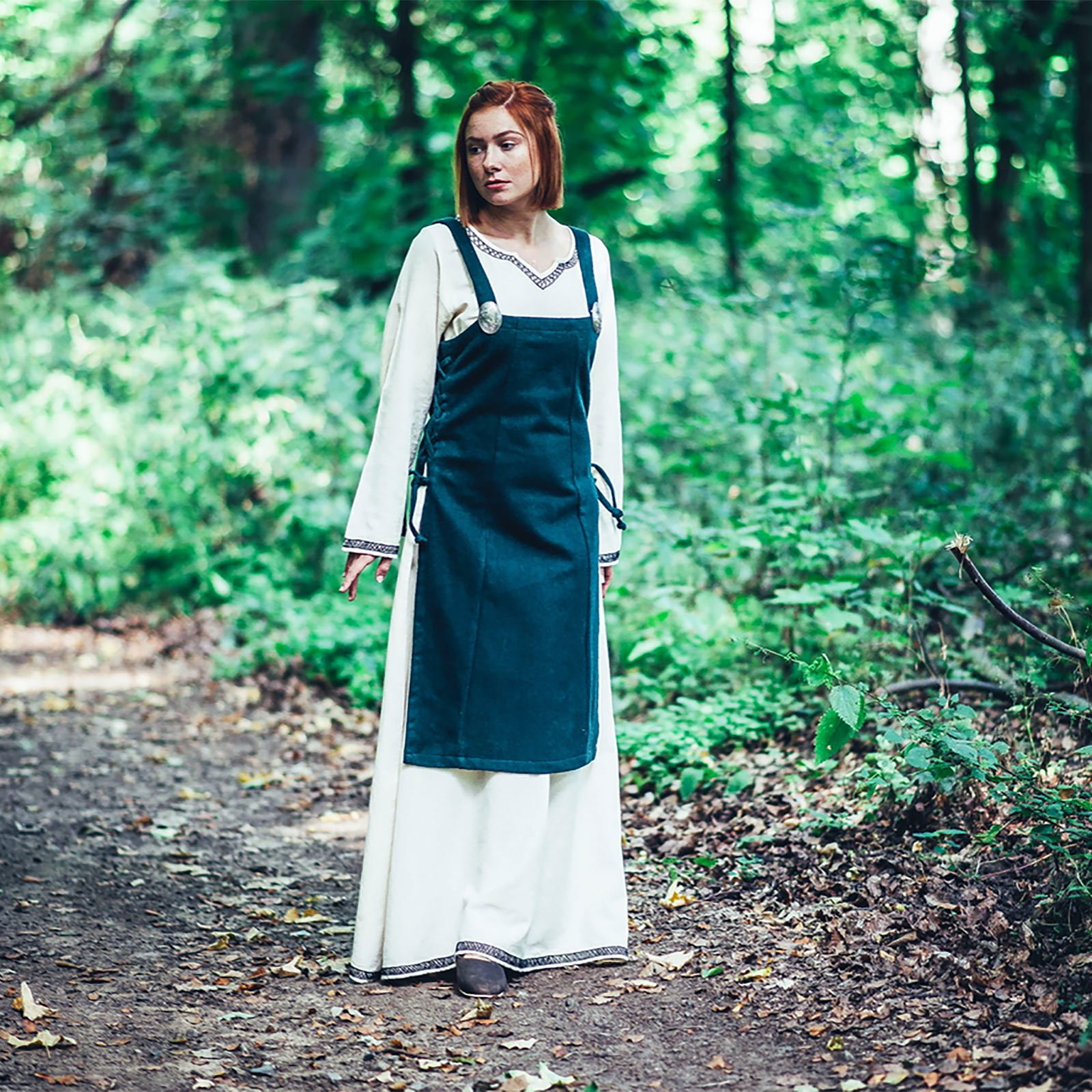
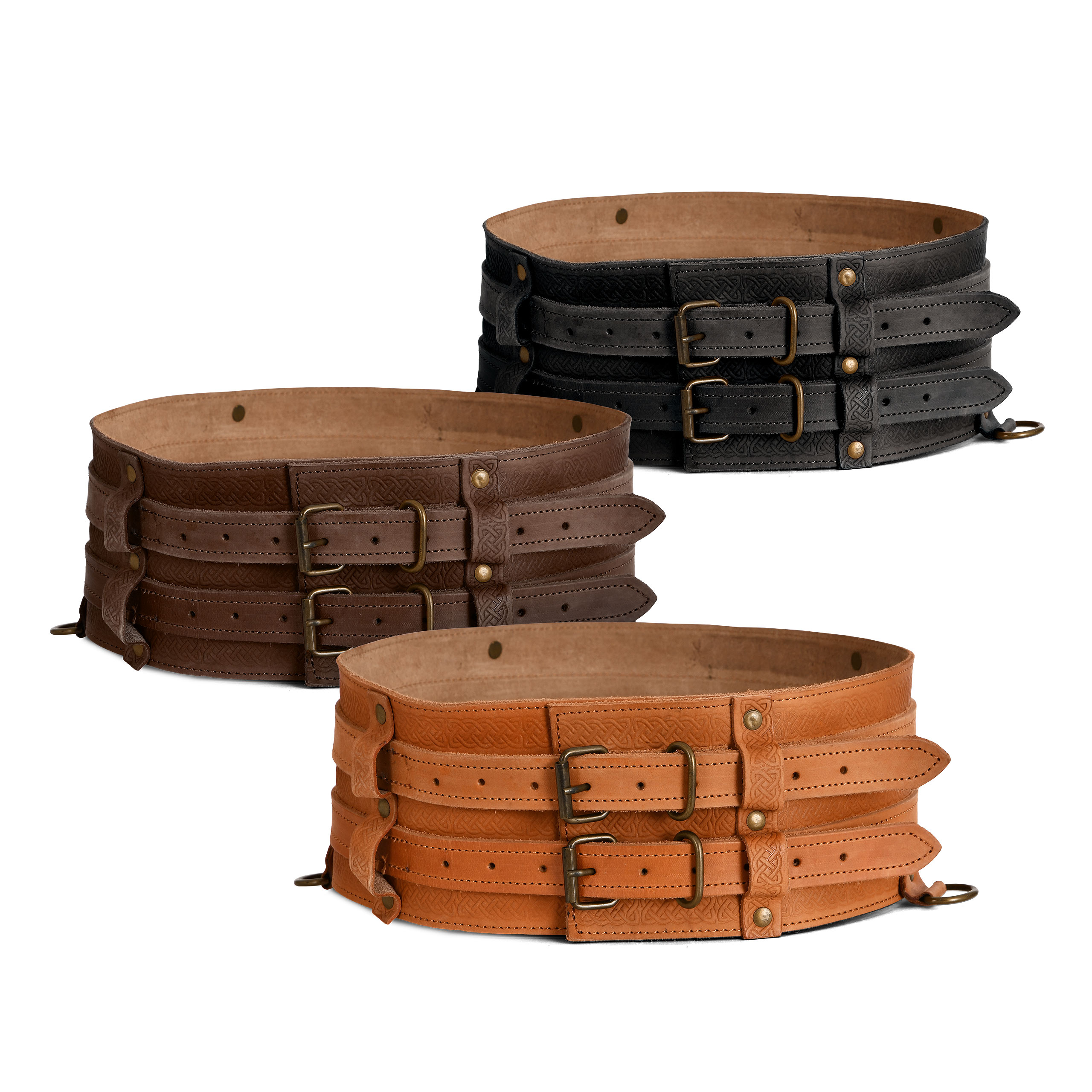
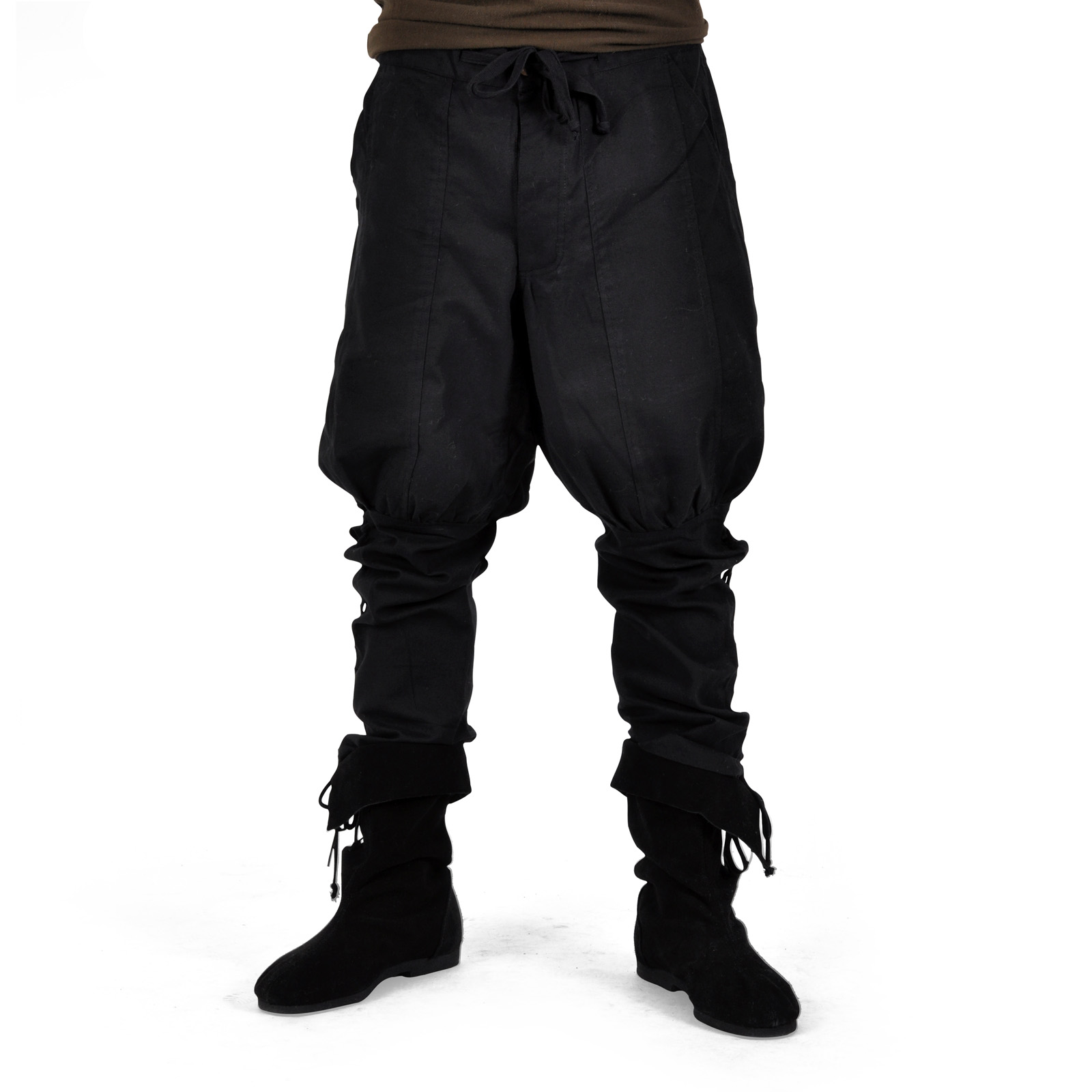
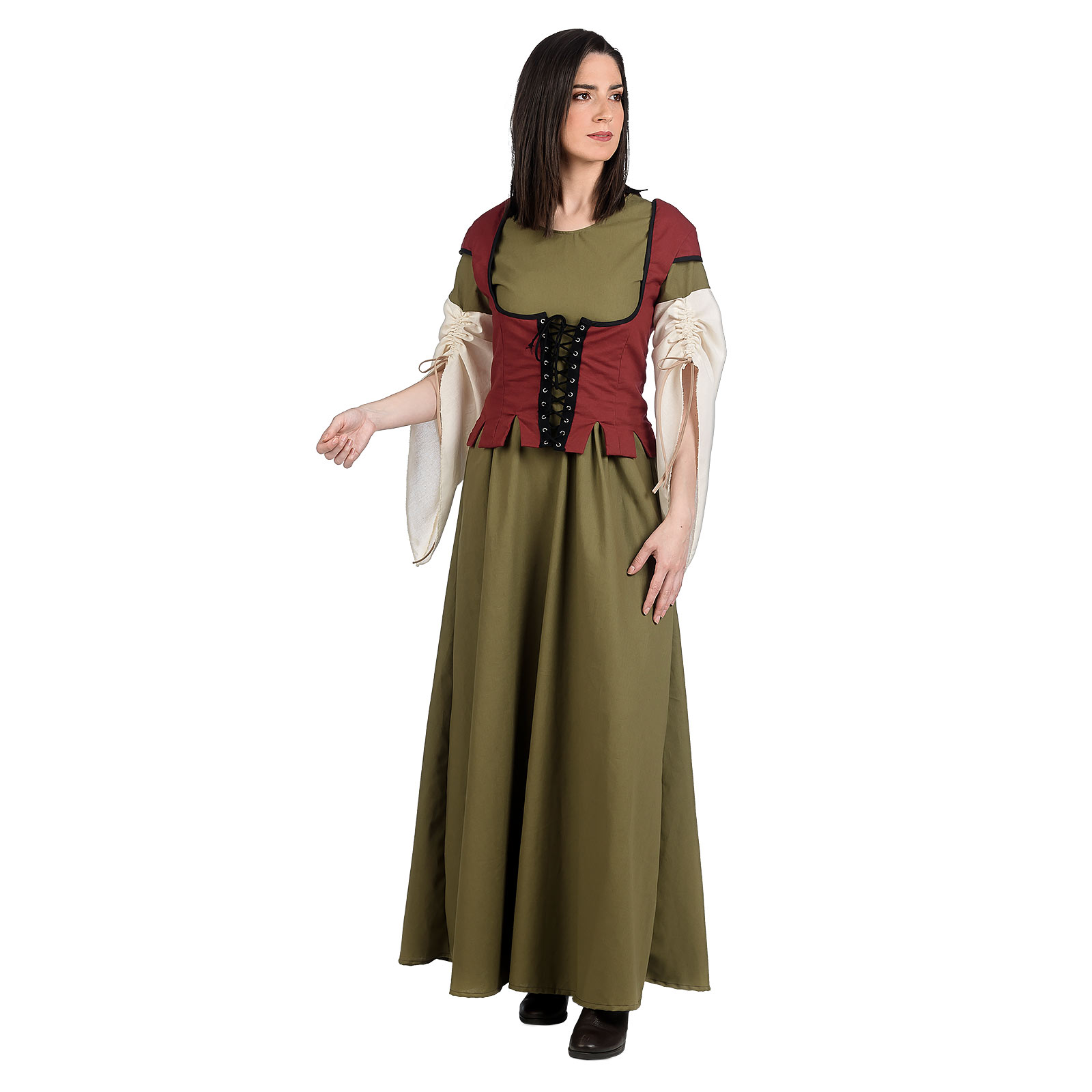
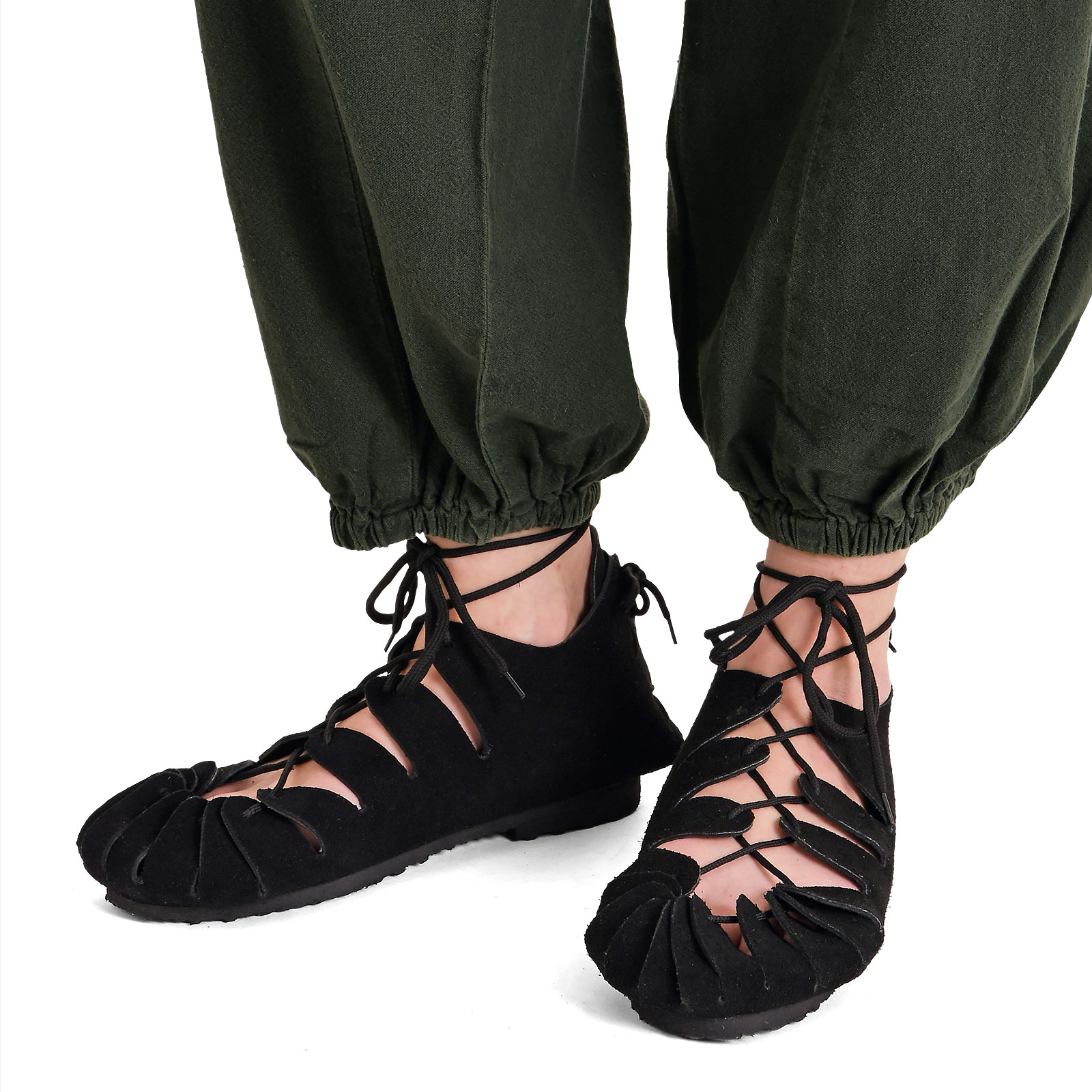
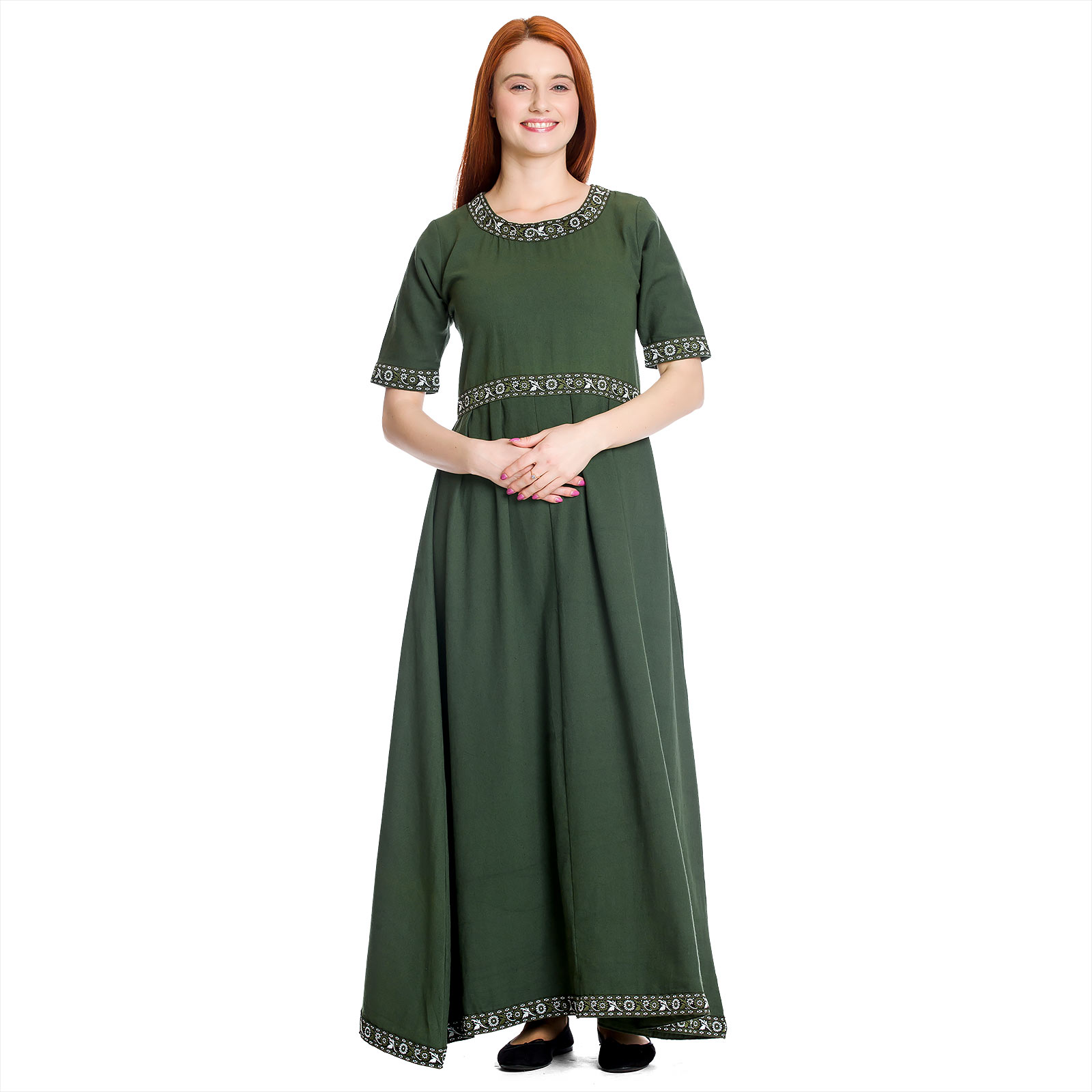
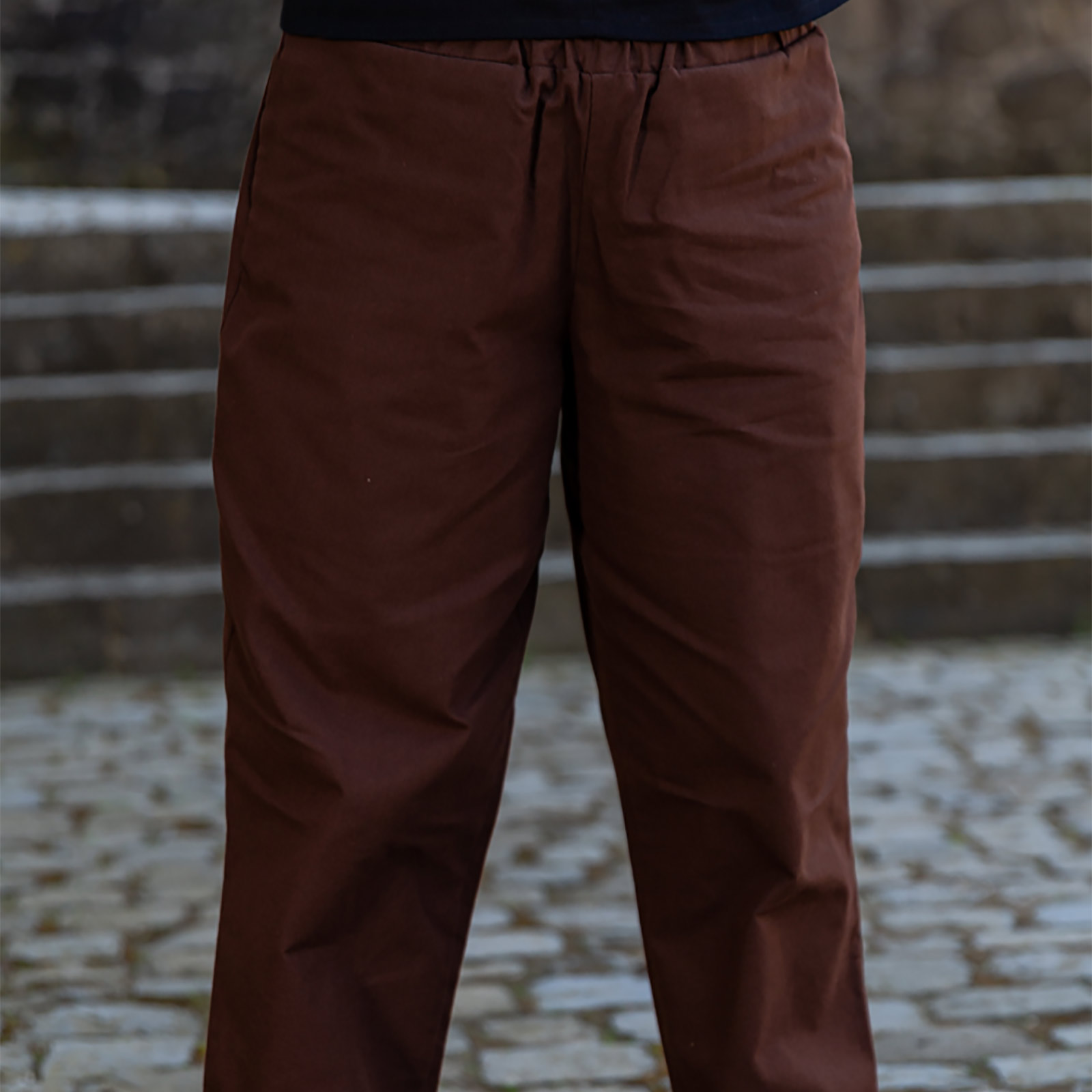
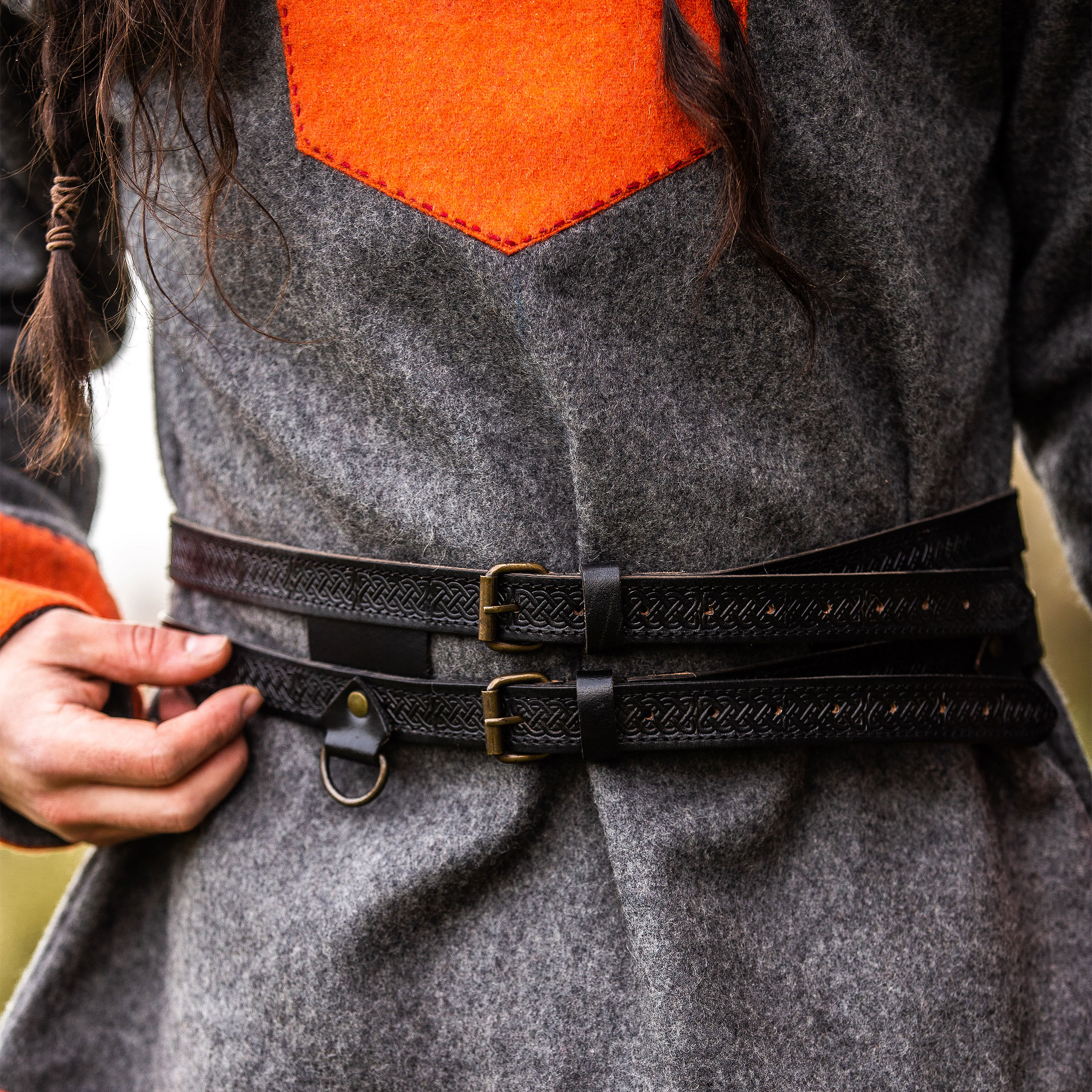
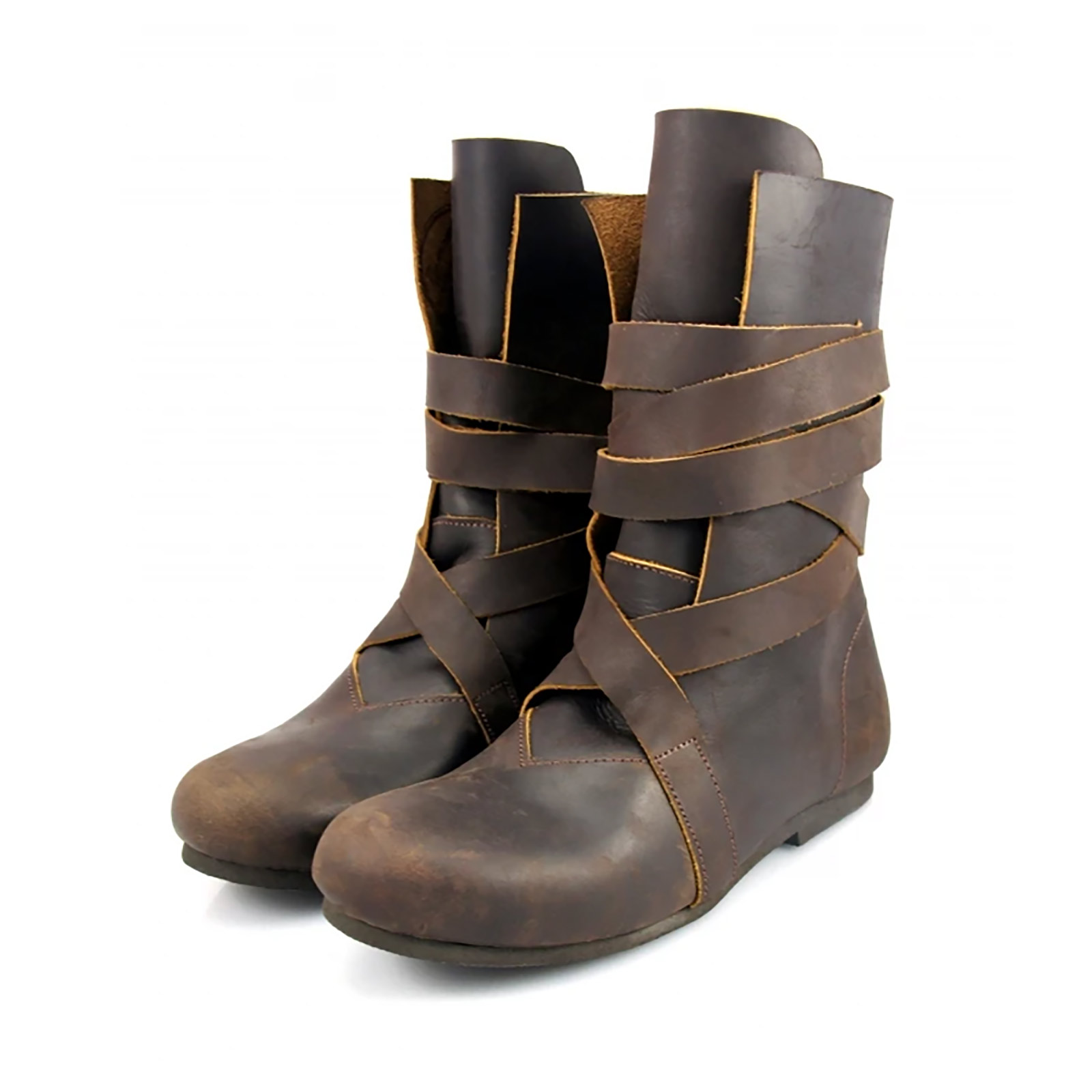
The foundation pieces live in shirts and tunics, while dresses cover complete looks in one garment. Build your lower half with trousers and skirts, then add structure with belts and vests. Outerwear options include coats and capes for dramatic arrivals and practical warmth. Complete the look with footwear, headgear, bags, and blouses for lighter layering.

What goes well with this?

Medieval clothing tends to look slightly incomplete without accessories — a phenomenon the actual Middle Ages understood perfectly well. After all, what's a tunic without a belt to cinch it, or a cloak without a brooch to keep it from sliding off mid-quest? The details sell the silhouette.