Sailor Moon Merchandise – For Guardians of Love, Justice, and Good Taste
There's a reason the transformation sequence still gives you chills. Sailor Moon wasn't just an anime — it was a gateway, an awakening, the moment many of us realised that animation could be epic, emotional, and absolutely unashamed of its glitter. This collection is for everyone who remembers exactly where they were when Usagi first held the Moon Stick. And for those who discovered her later: welcome to the club. We've been saving you a seat.
What defines Sailor Moon?
Sailor Moon is a magical girl manga series created by Naoko Takeuchi, first published in December 1991. The story follows Usagi Tsukino, a seemingly ordinary teenager who transforms into the Guardian of Love and Justice to protect Earth from supernatural threats. The manga was adapted into a landmark anime television series by Toei Animation, running for five seasons and 200 episodes under directors including Junichi Sato and Kunihiko Ikuhara. A theatrical film followed in 1995, directed by Hiroki Shibata. The franchise is credited with popularising the magical girl genre internationally and remains one of the most influential anime properties in the West, introducing countless viewers to Japanese animation during the 1990s.
Frequently asked questions
Why did Sailor Moon become so influential in the West?
Sailor Moon arrived at the perfect moment — the mid-90s, when anime was beginning to break through internationally. Its blend of action, romance, and relatable teenage struggles resonated with audiences who had never seen anything quite like it. Usagi wasn't a flawless heroine; she was clumsy, prone to tears, and stressed about homework. That made her easy to identify with, even as she battled cosmic villains. The series essentially opened the door for anime fandom in Europe and North America.
What makes magical girl anime different from other genres?
Magical girl anime centres on young protagonists who gain supernatural abilities, typically through transformation sequences involving distinctive costumes and items. The genre combines action with themes of friendship, personal growth, and often romance. Sailor Moon refined and popularised many conventions that define the genre today, including team dynamics among multiple magical heroines and elaborate transformation scenes.
Is the original 90s anime different from newer adaptations?
Yes. The original Toei Animation series from the 1990s expanded significantly on the manga, adding filler episodes and original storylines across its 200-episode run. Later adaptations have taken different approaches to the source material. The 90s version remains beloved for its distinctive animation style, memorable soundtrack by Takanori Arisawa, and the particular charm of its era.
Assortment overview
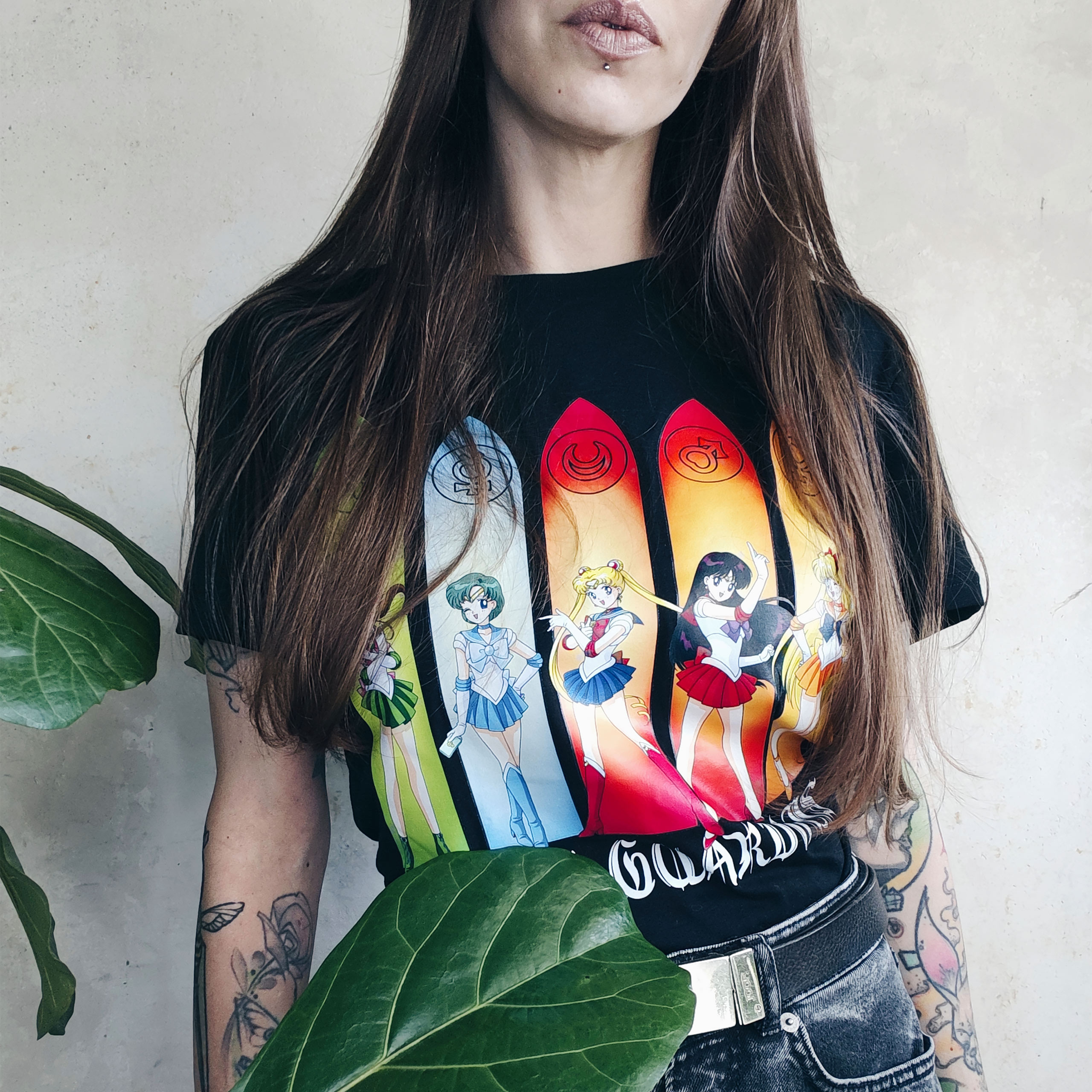
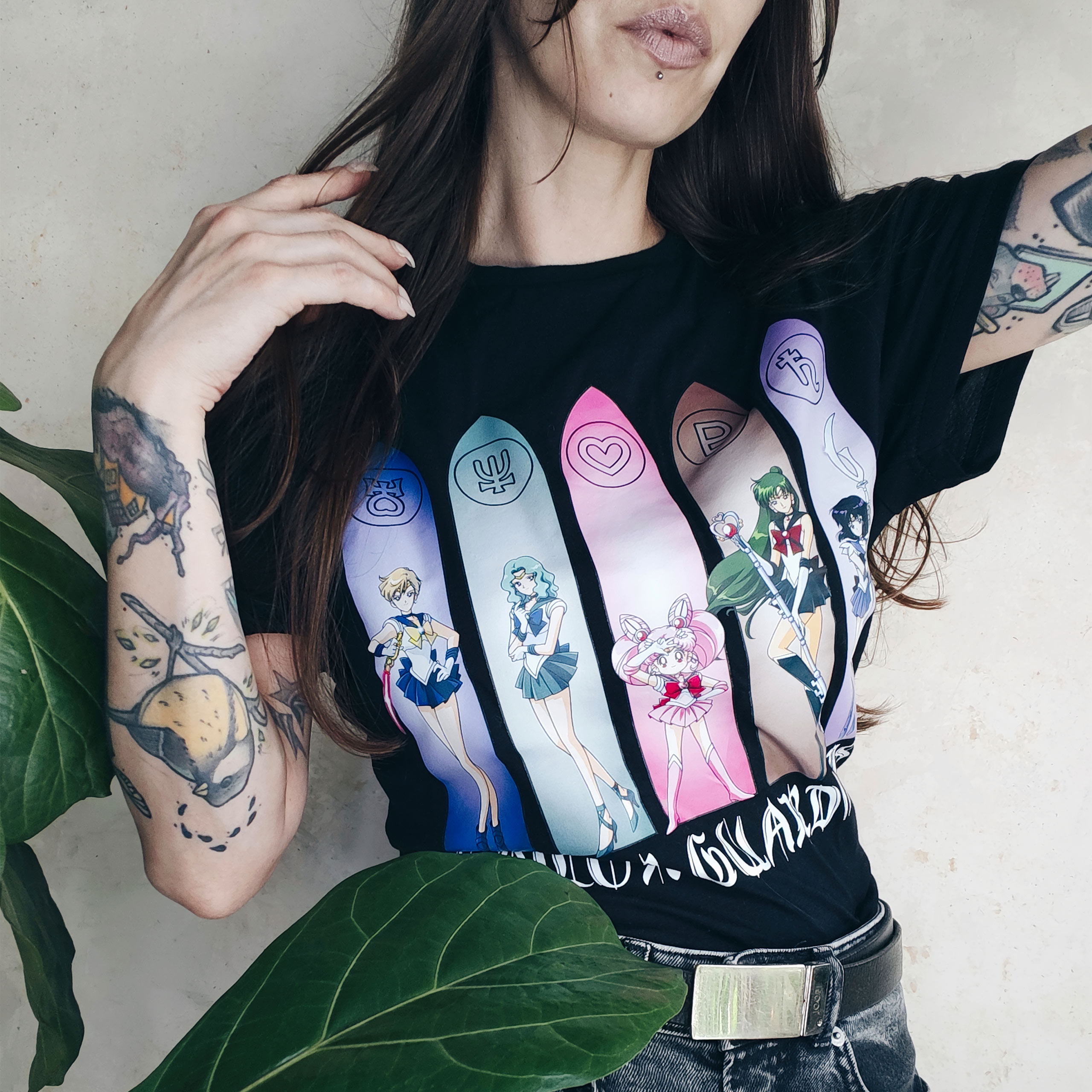
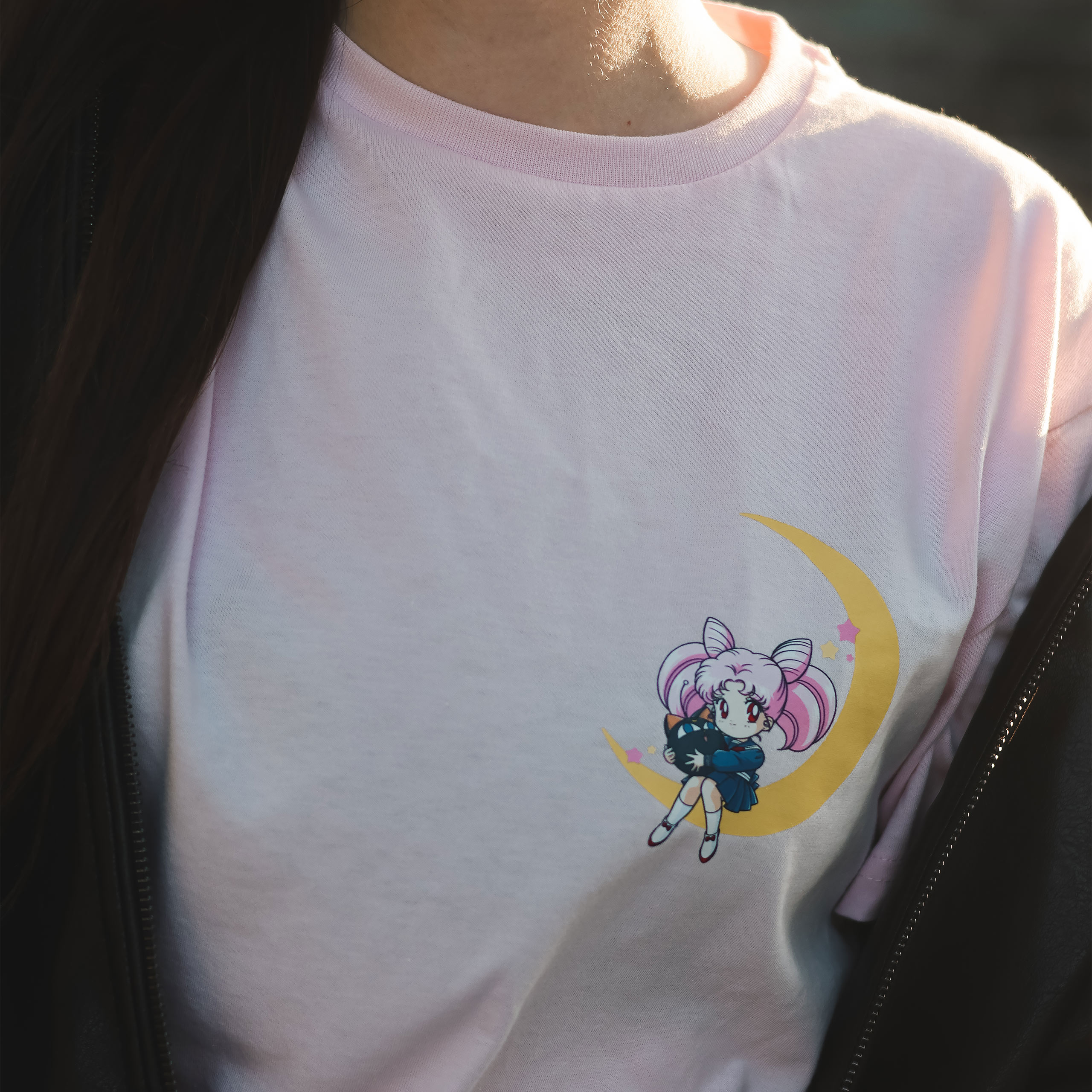
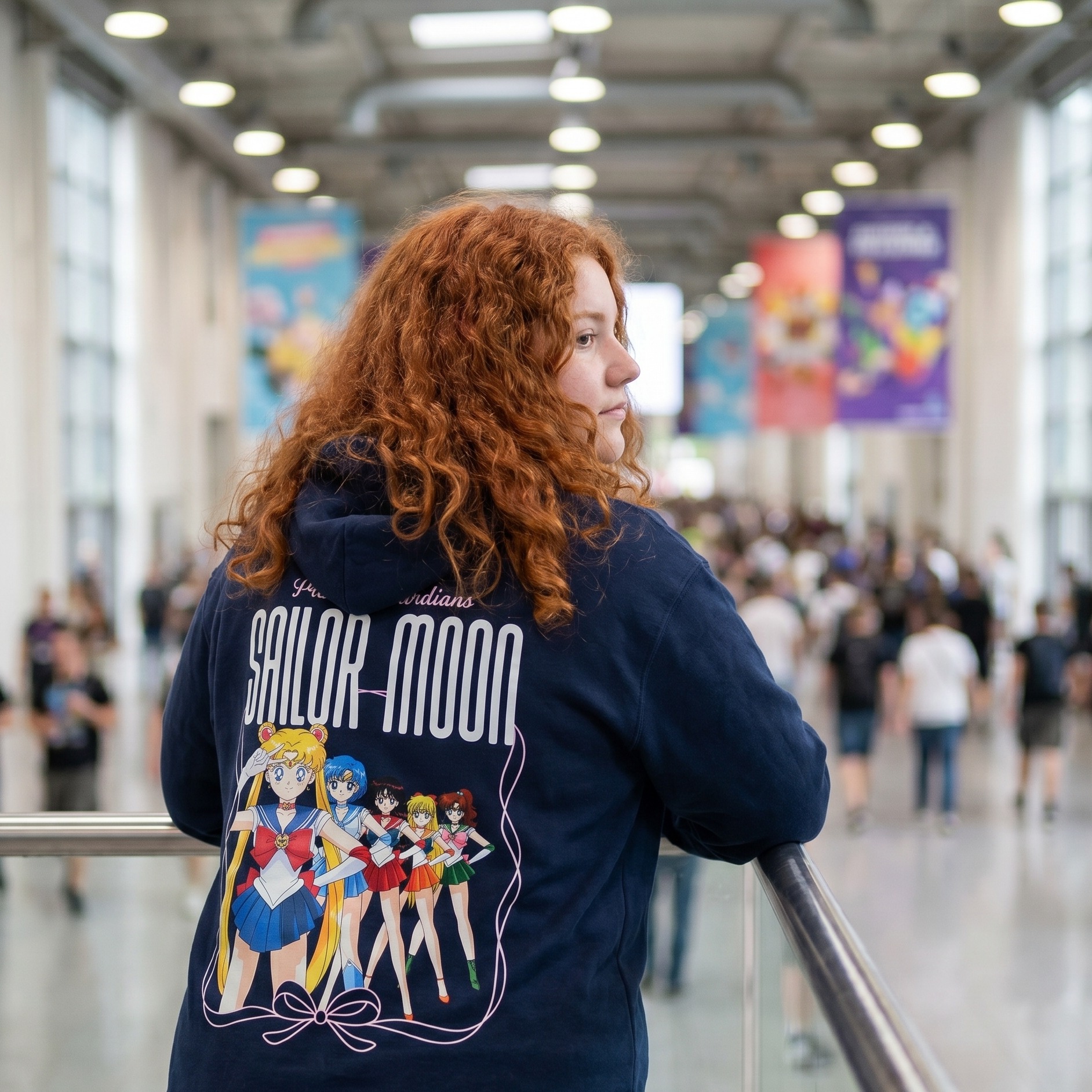
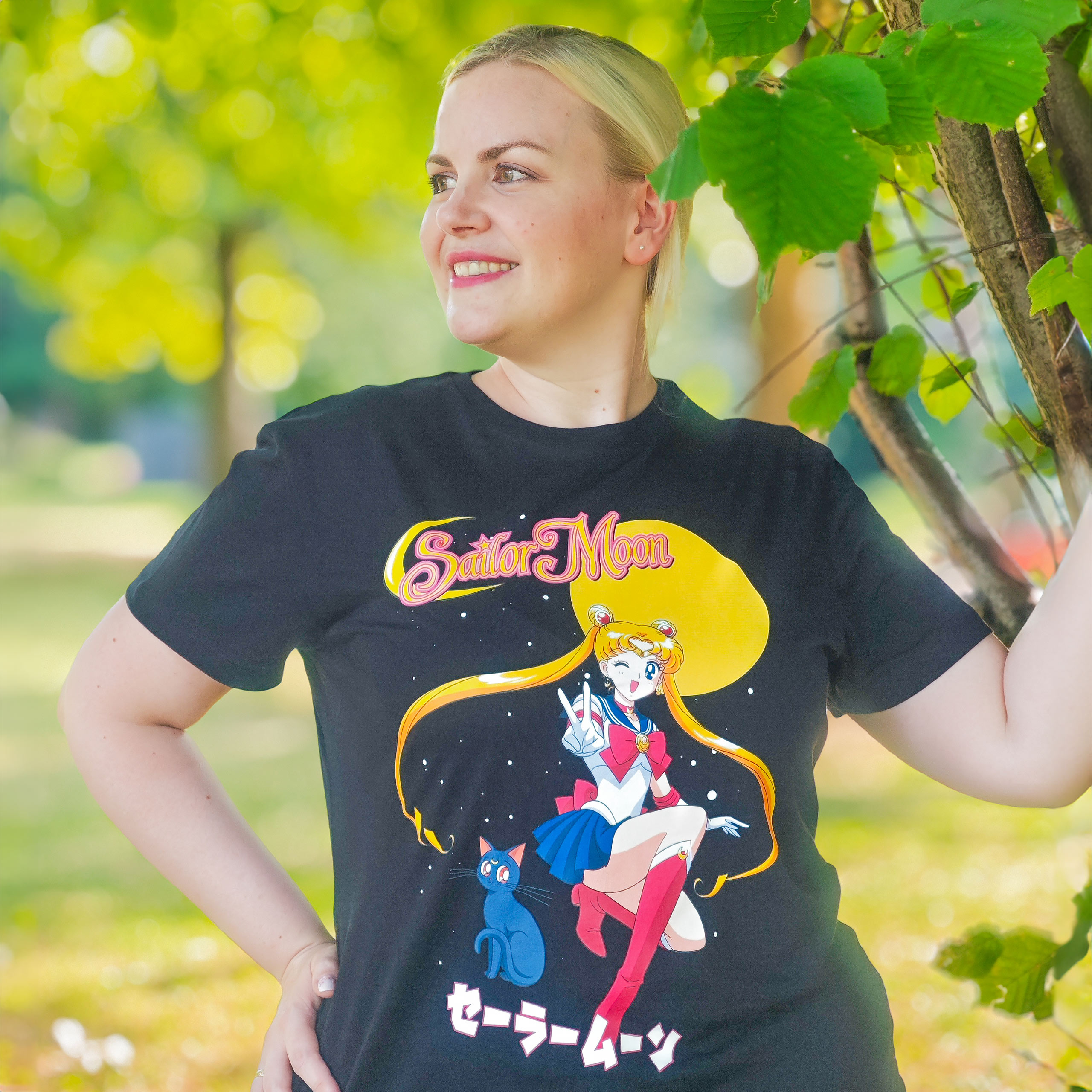
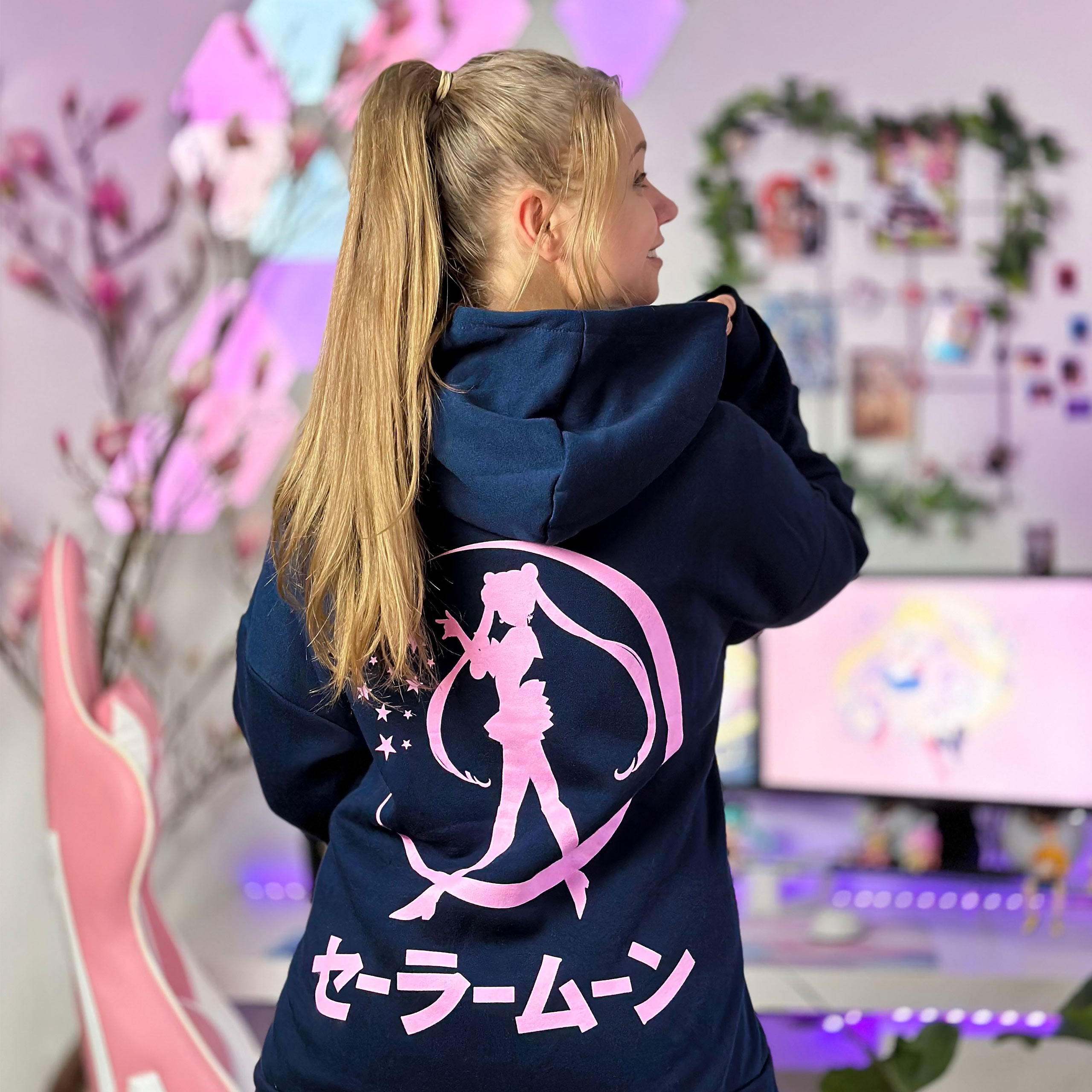
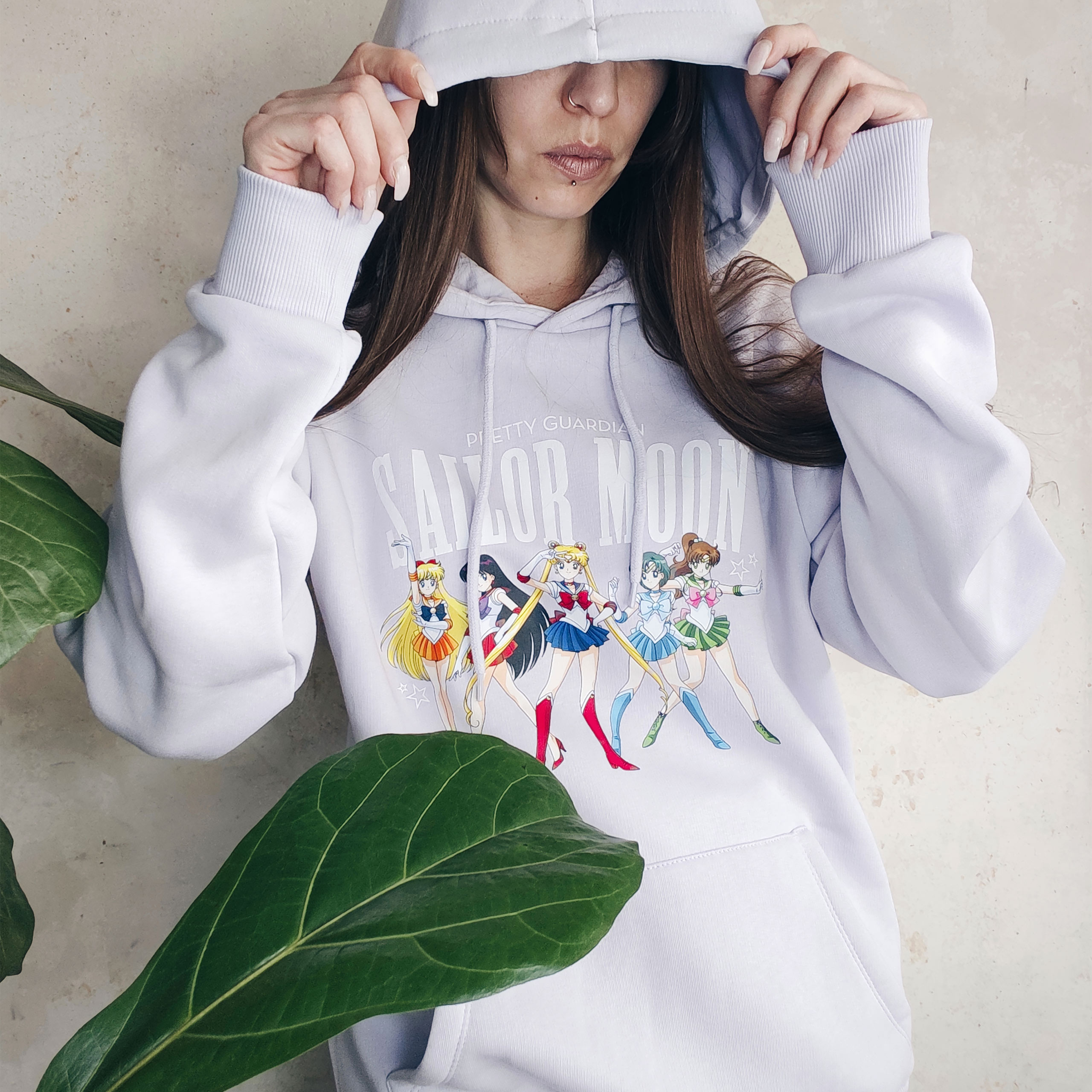
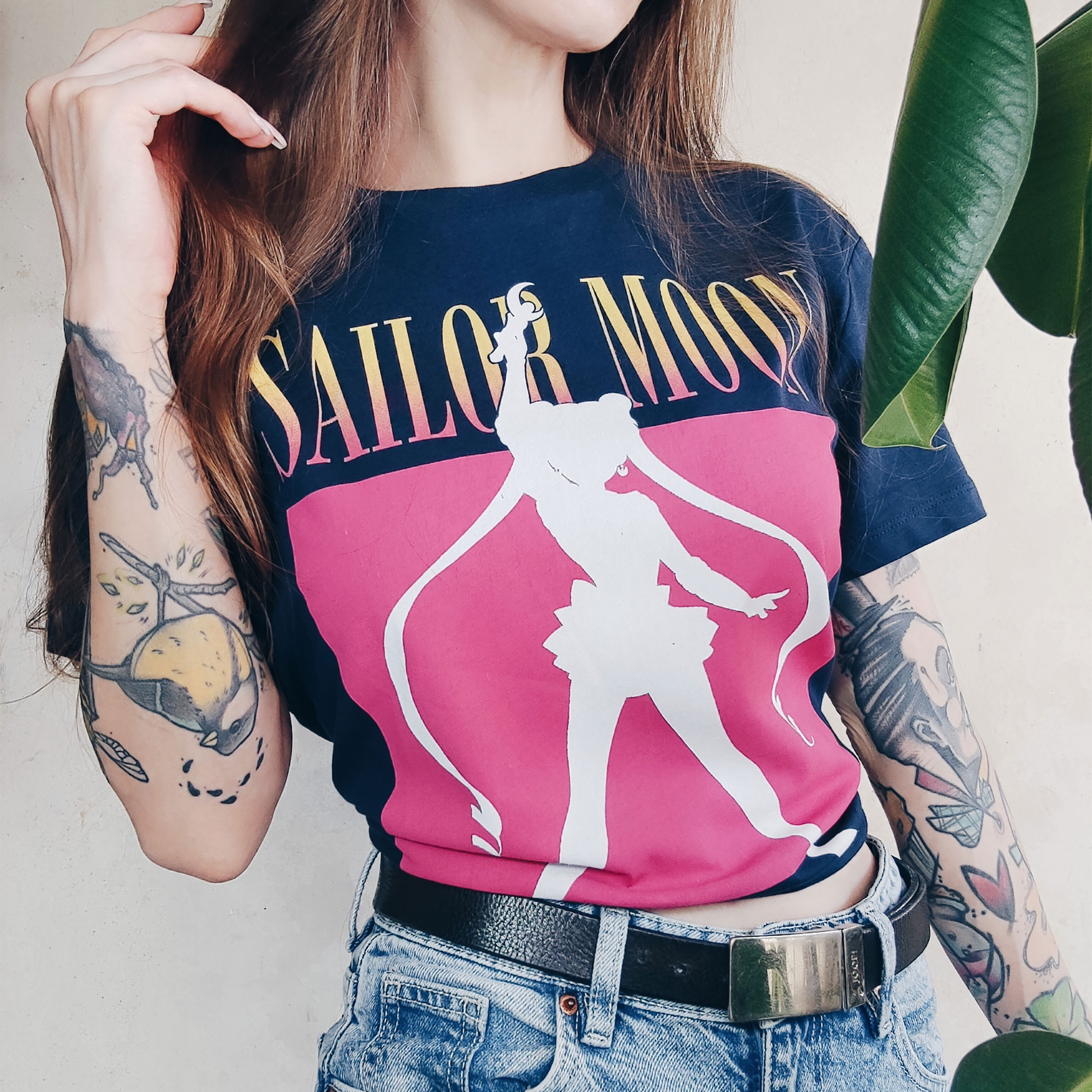
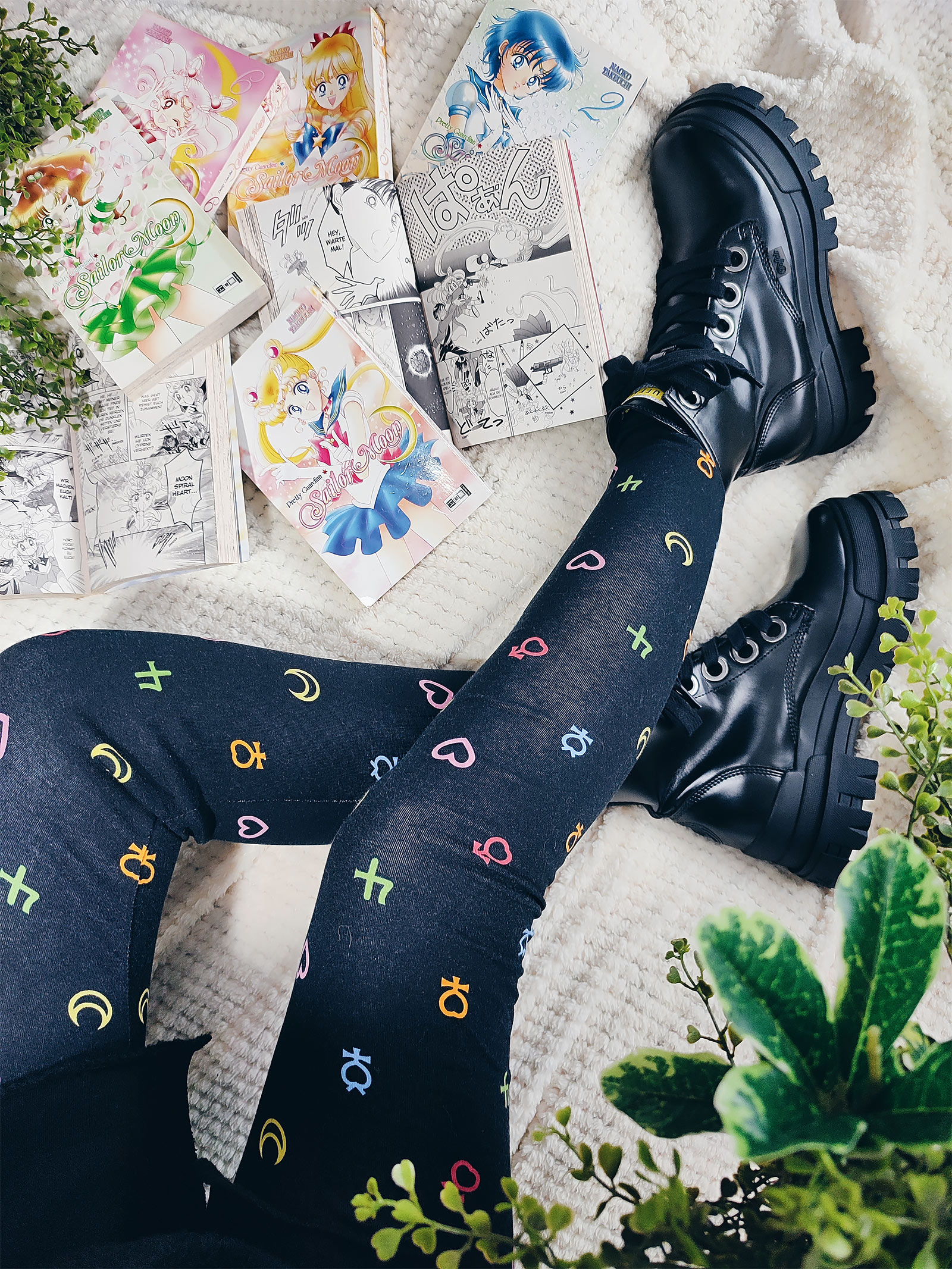
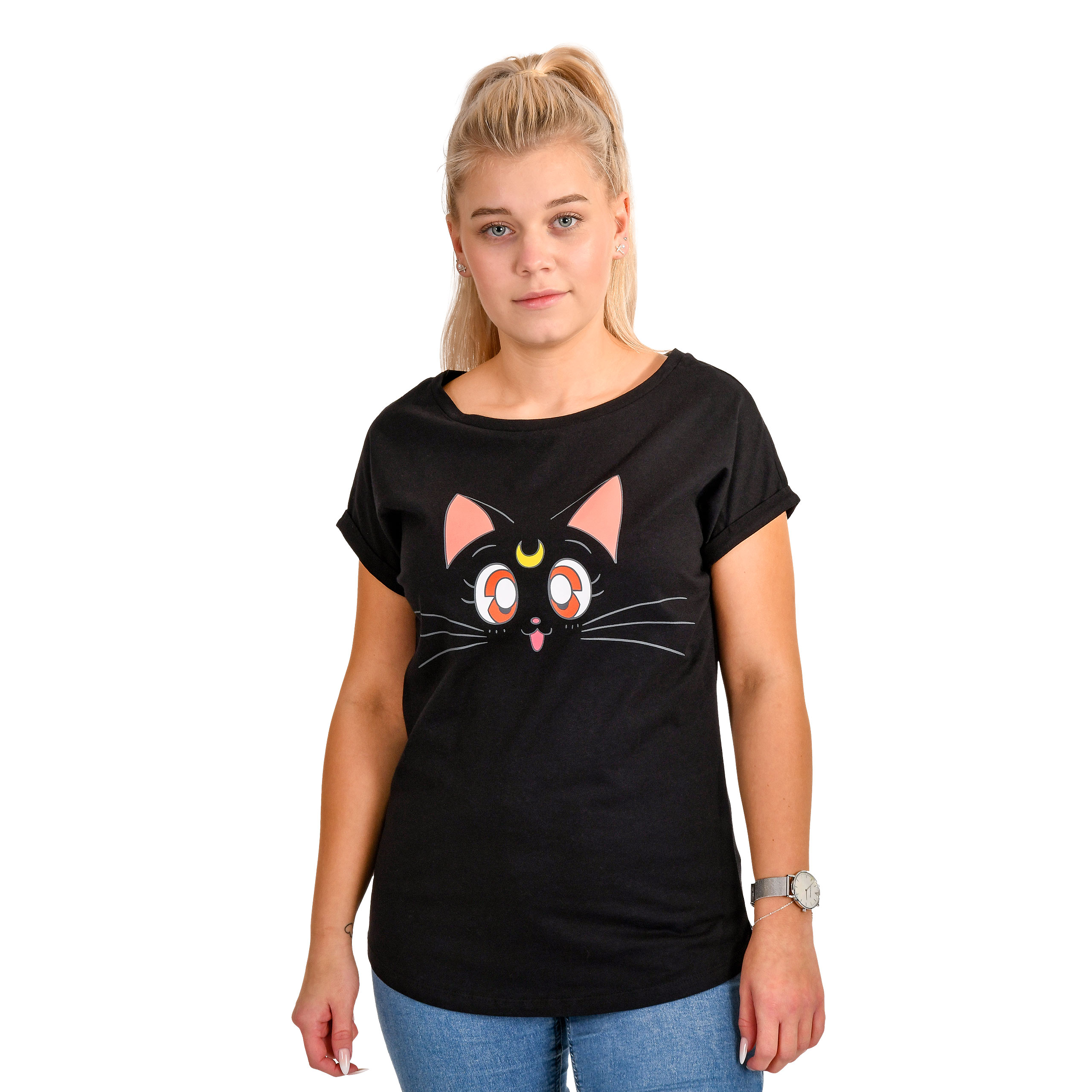
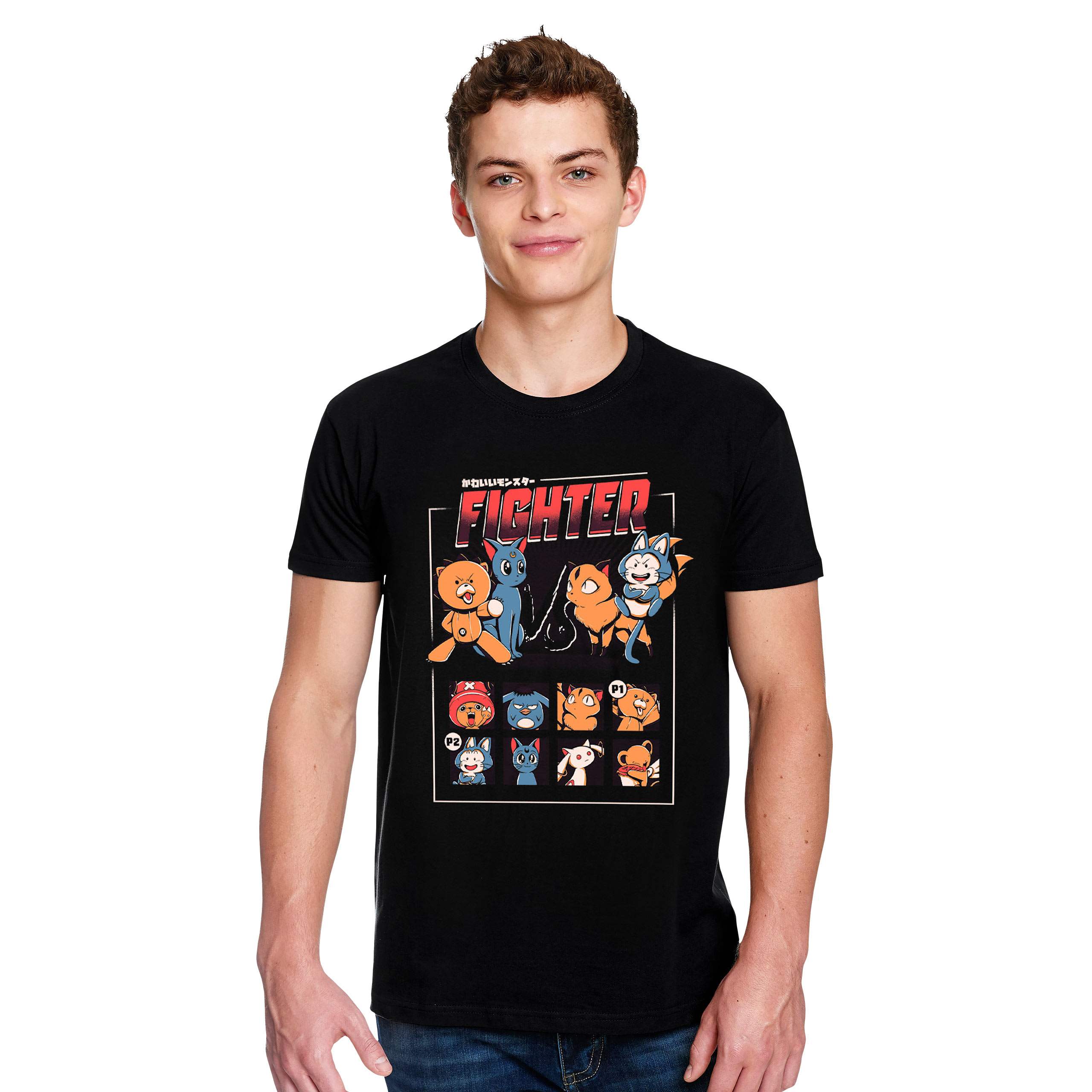
The Sailor Moon collection spans clothing and lifestyle products for fans of all dedication levels. T-shirts form the core of the apparel range, featuring transformation motifs, character art, and iconic symbols. Hoodies offer the same aesthetic with added warmth, while tops and leggings round out the wardrobe options. For lounging at home, there are sweatpants that keep the Sailor Guardian spirit casual.
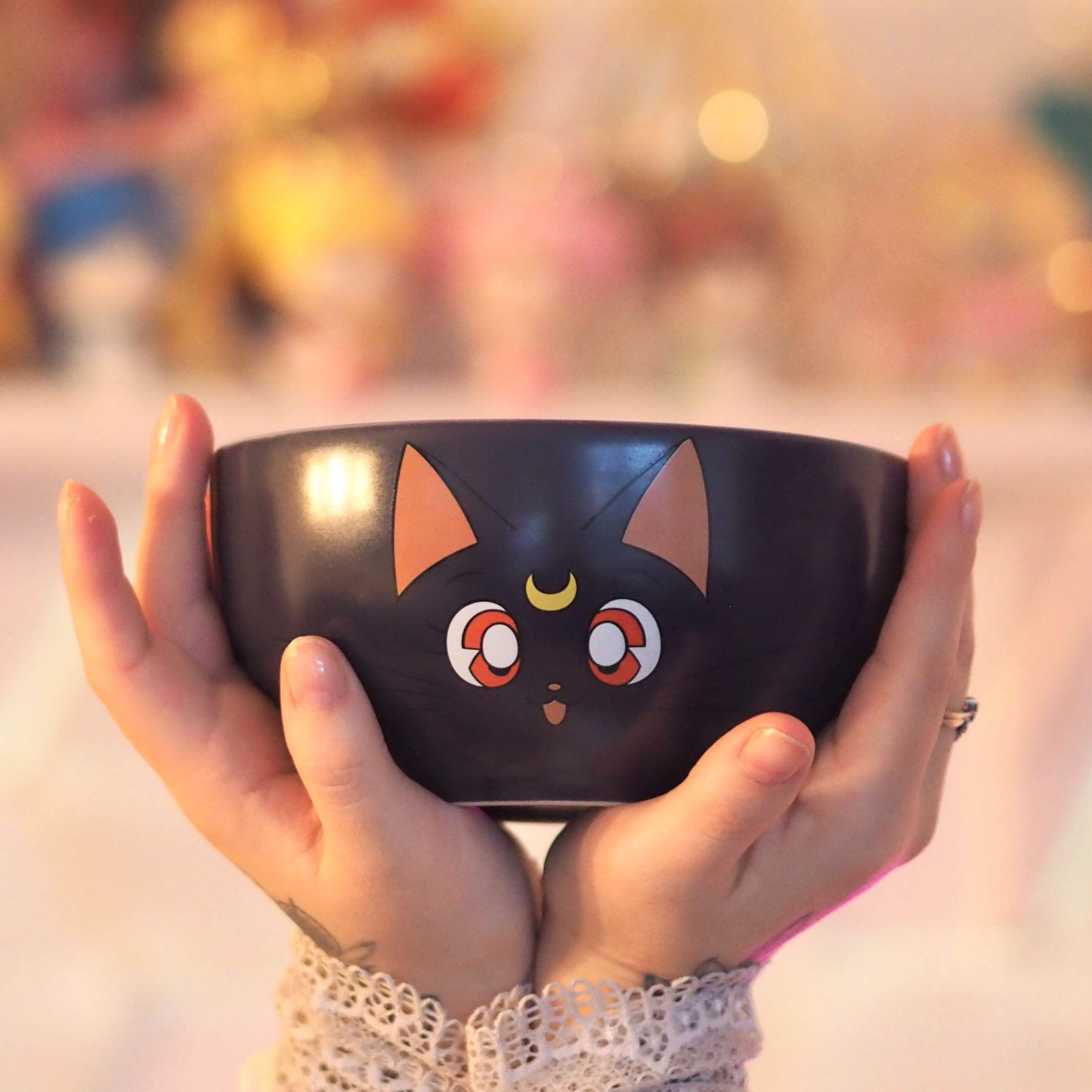
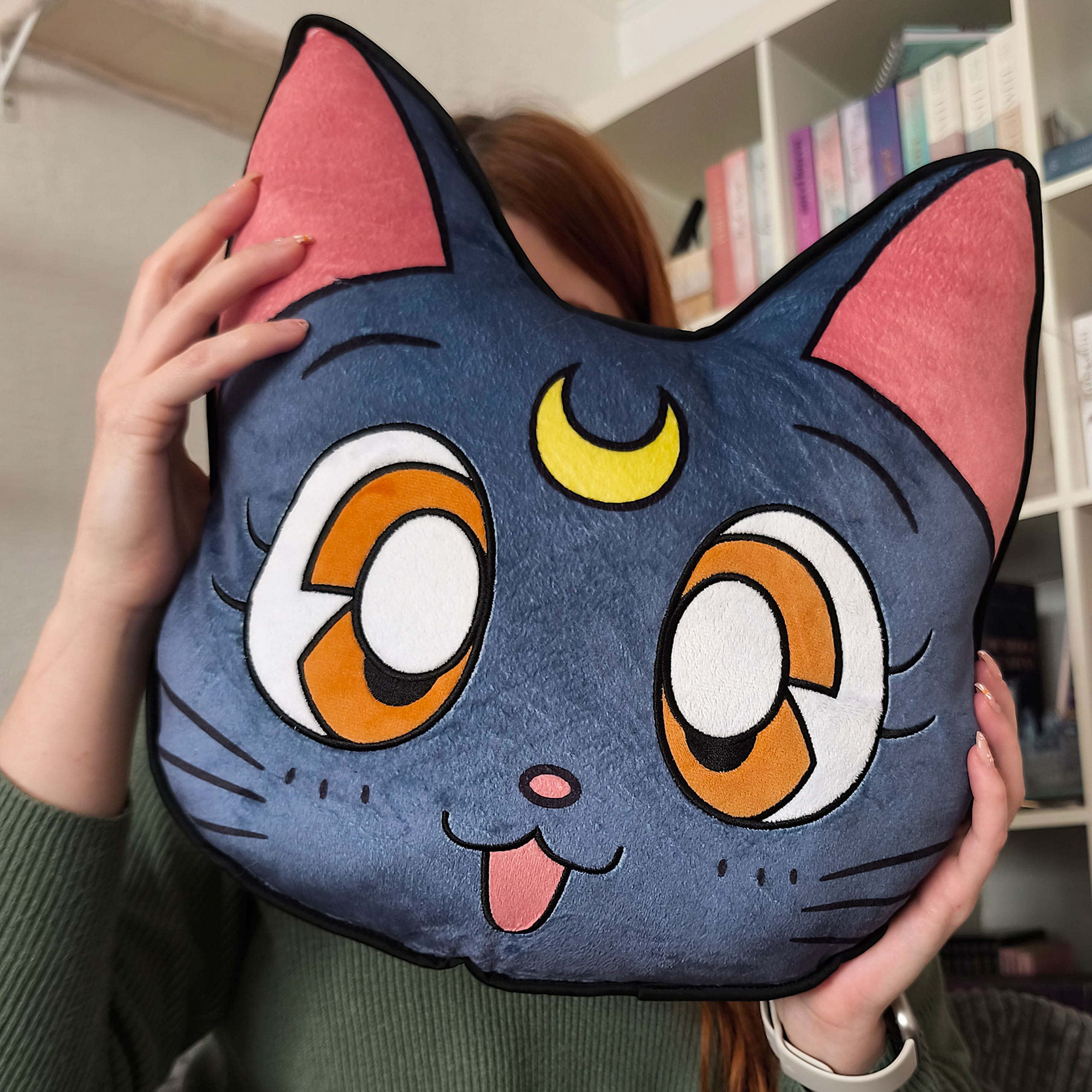
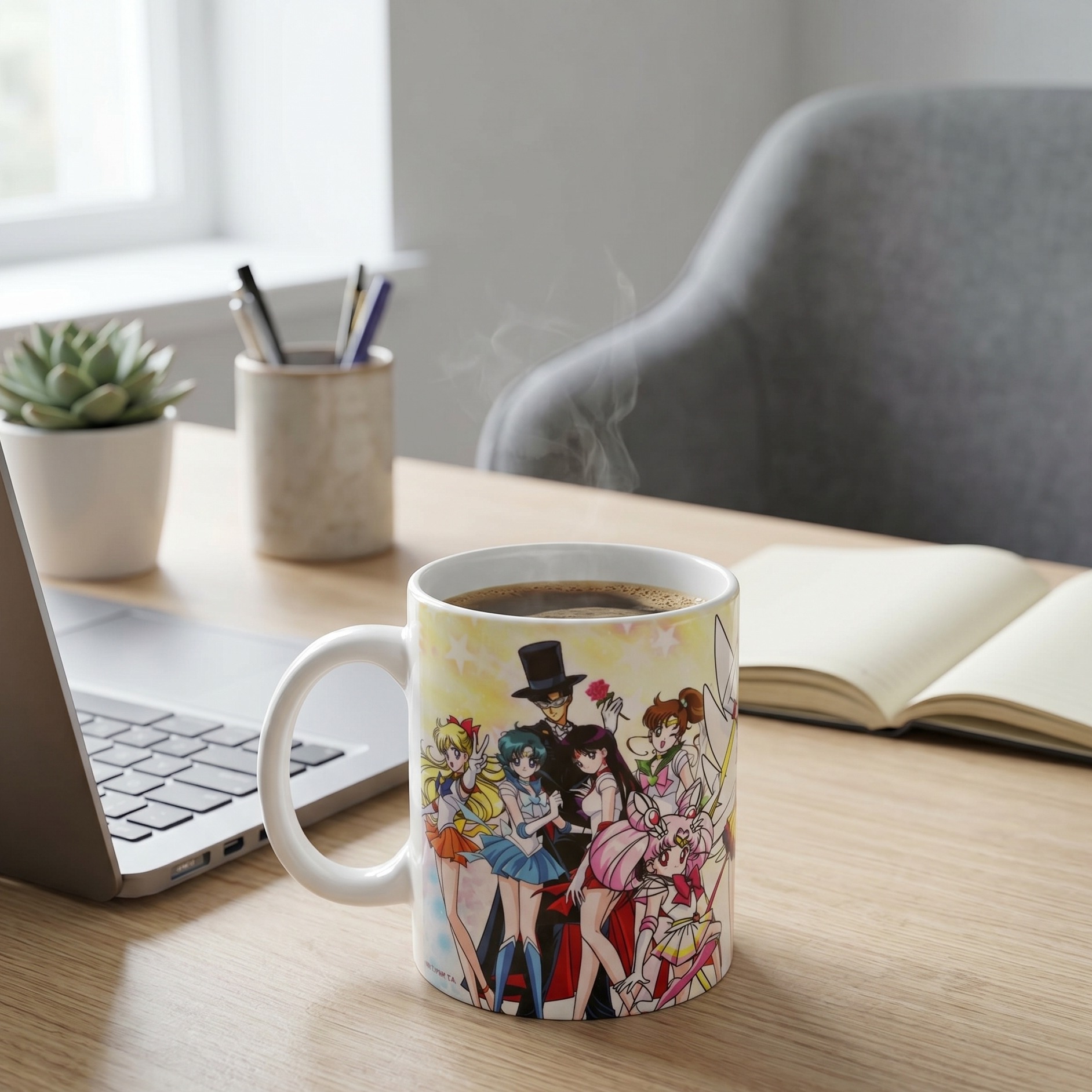
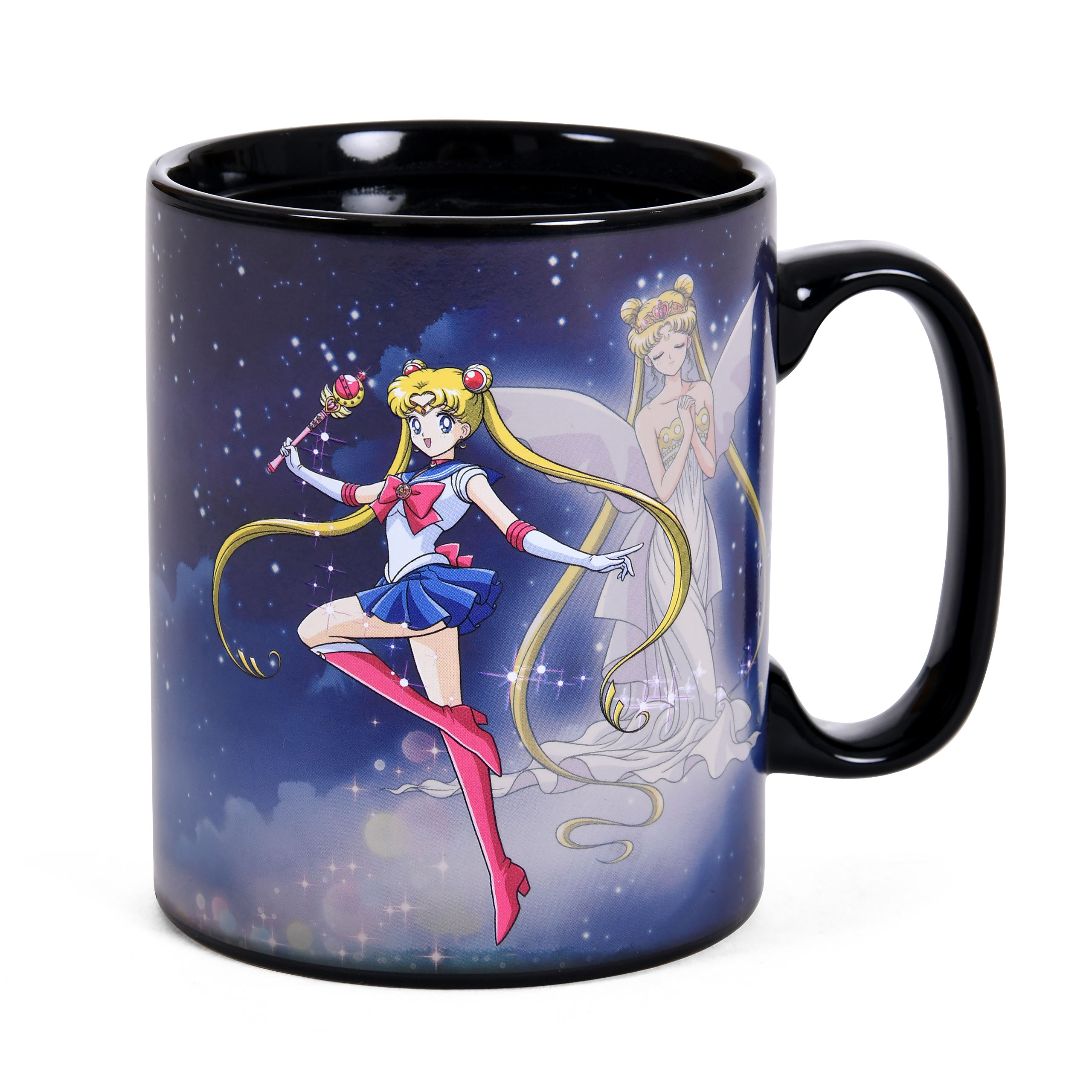
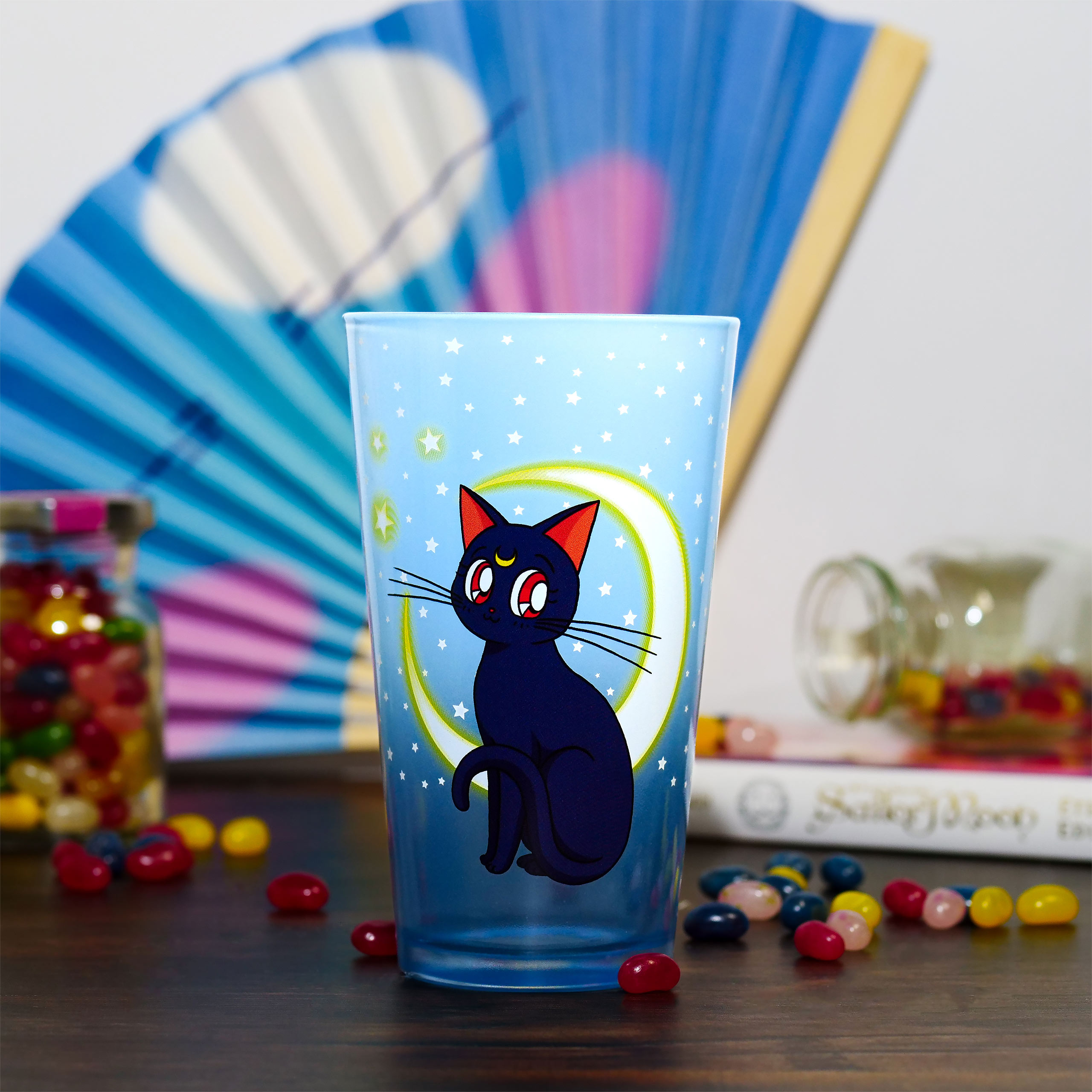
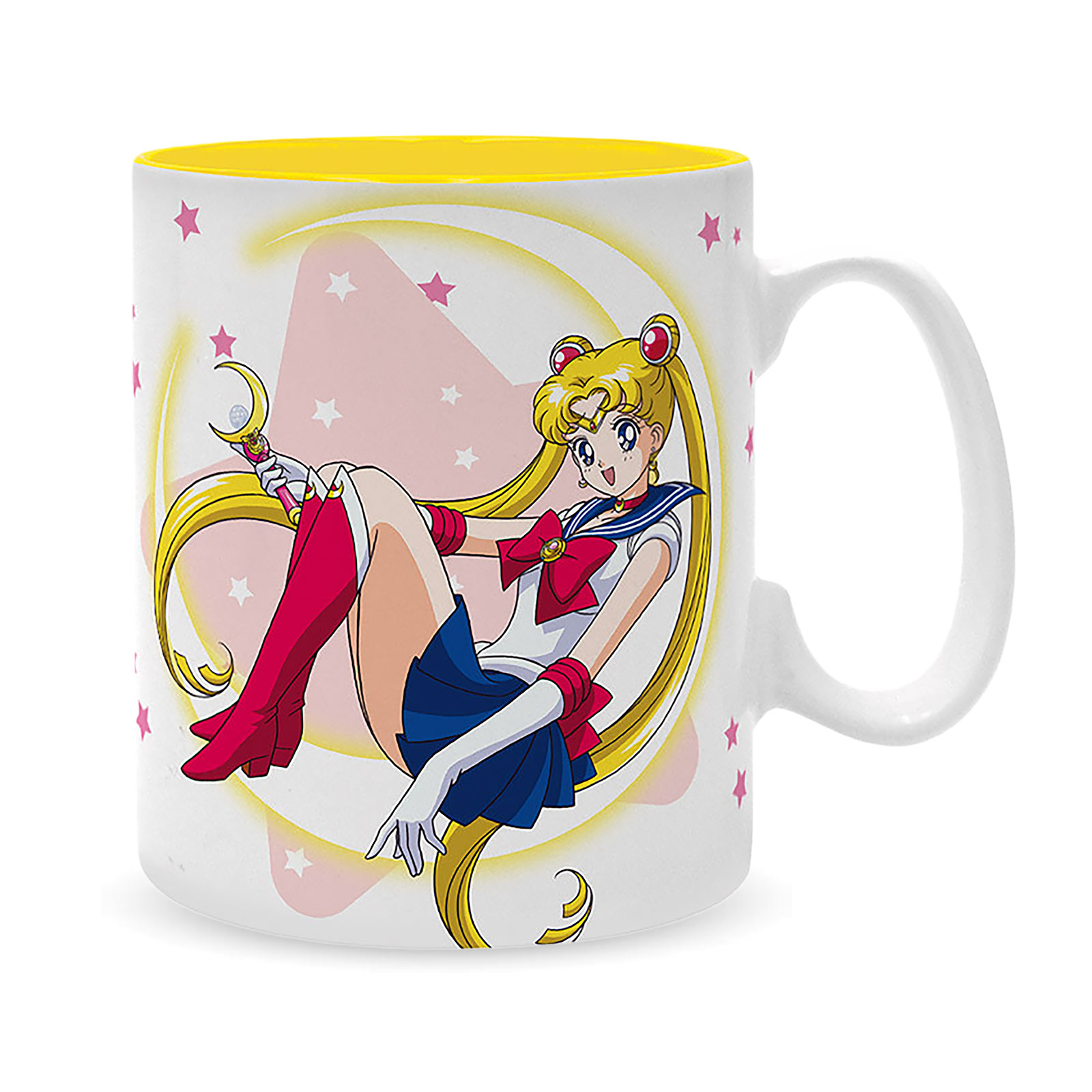
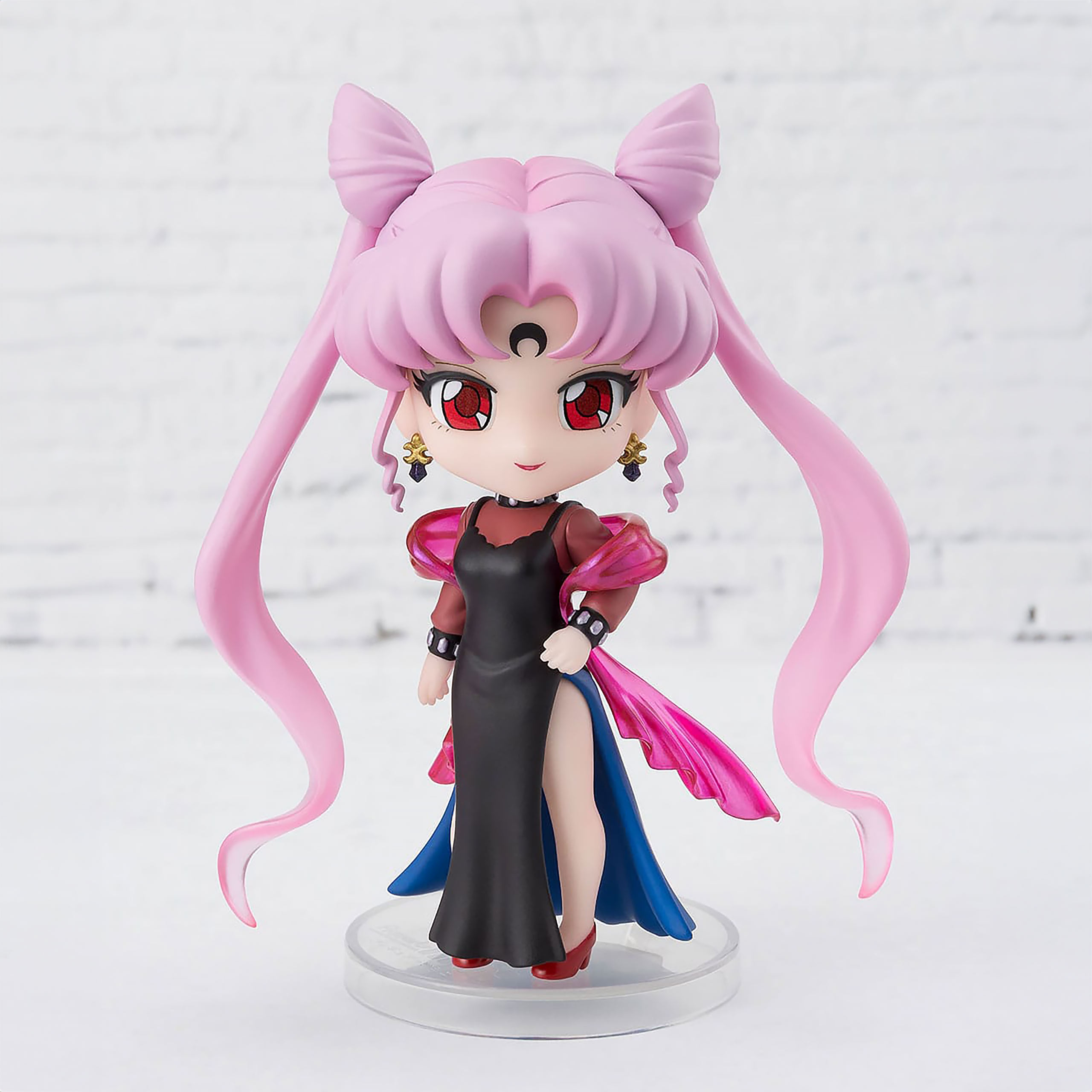
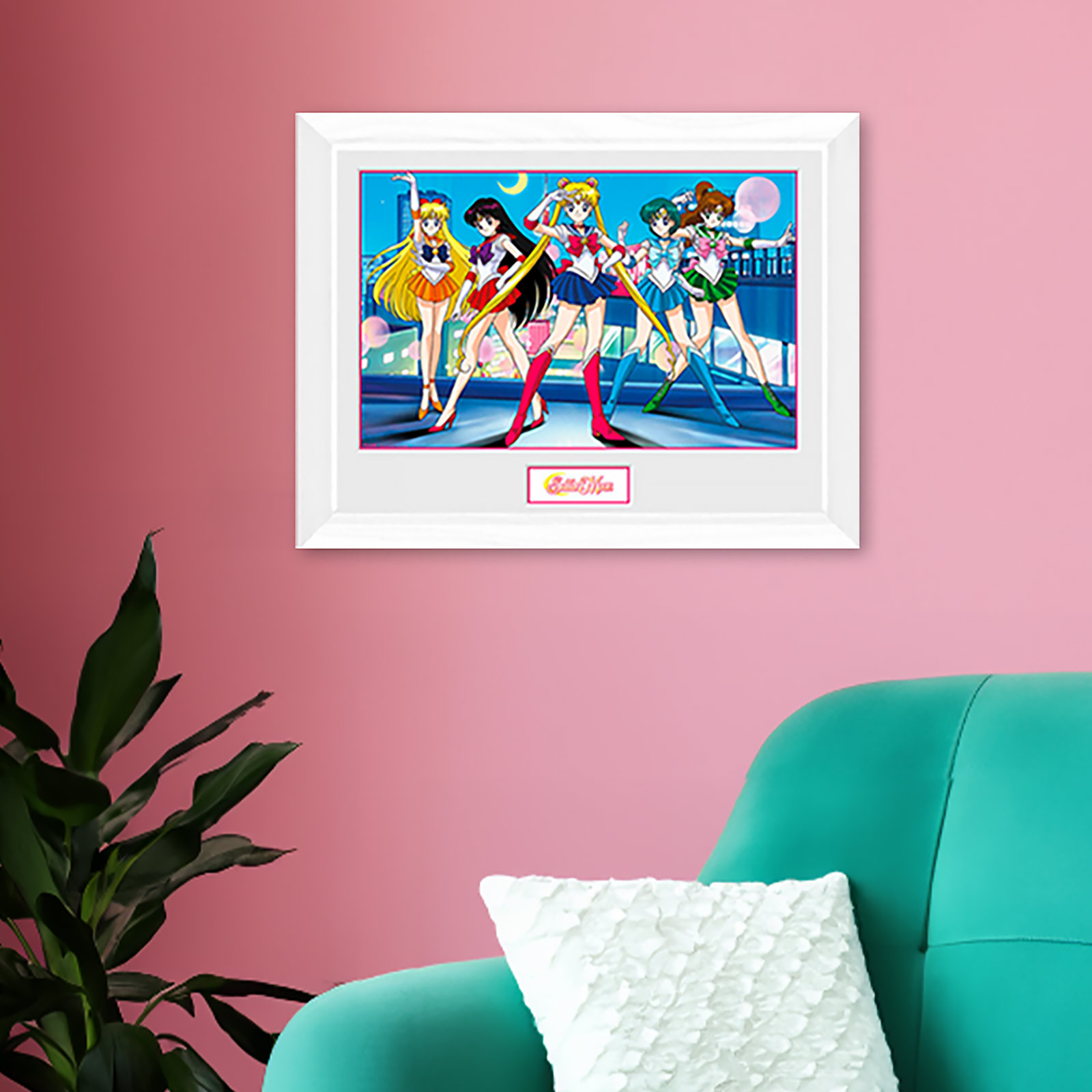
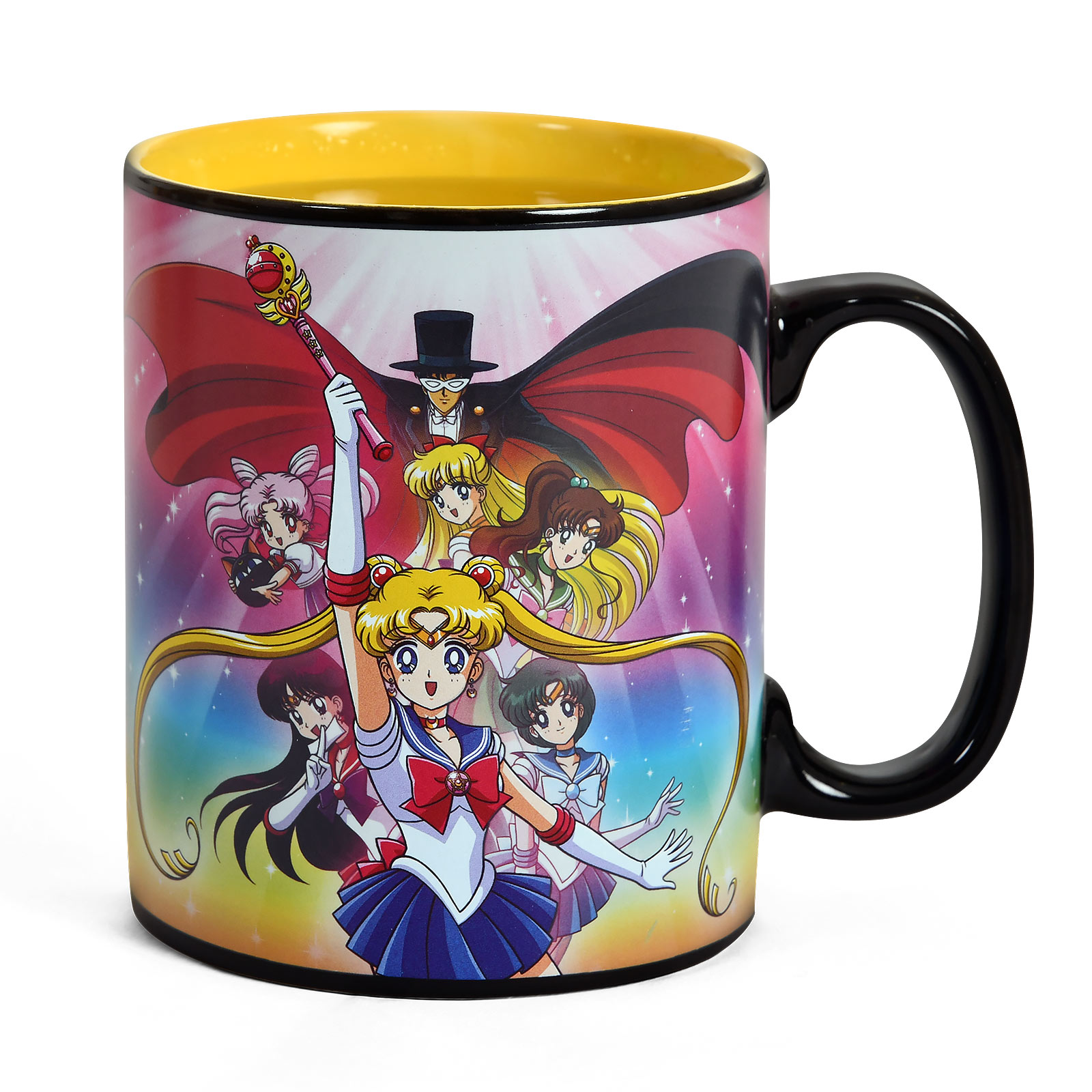
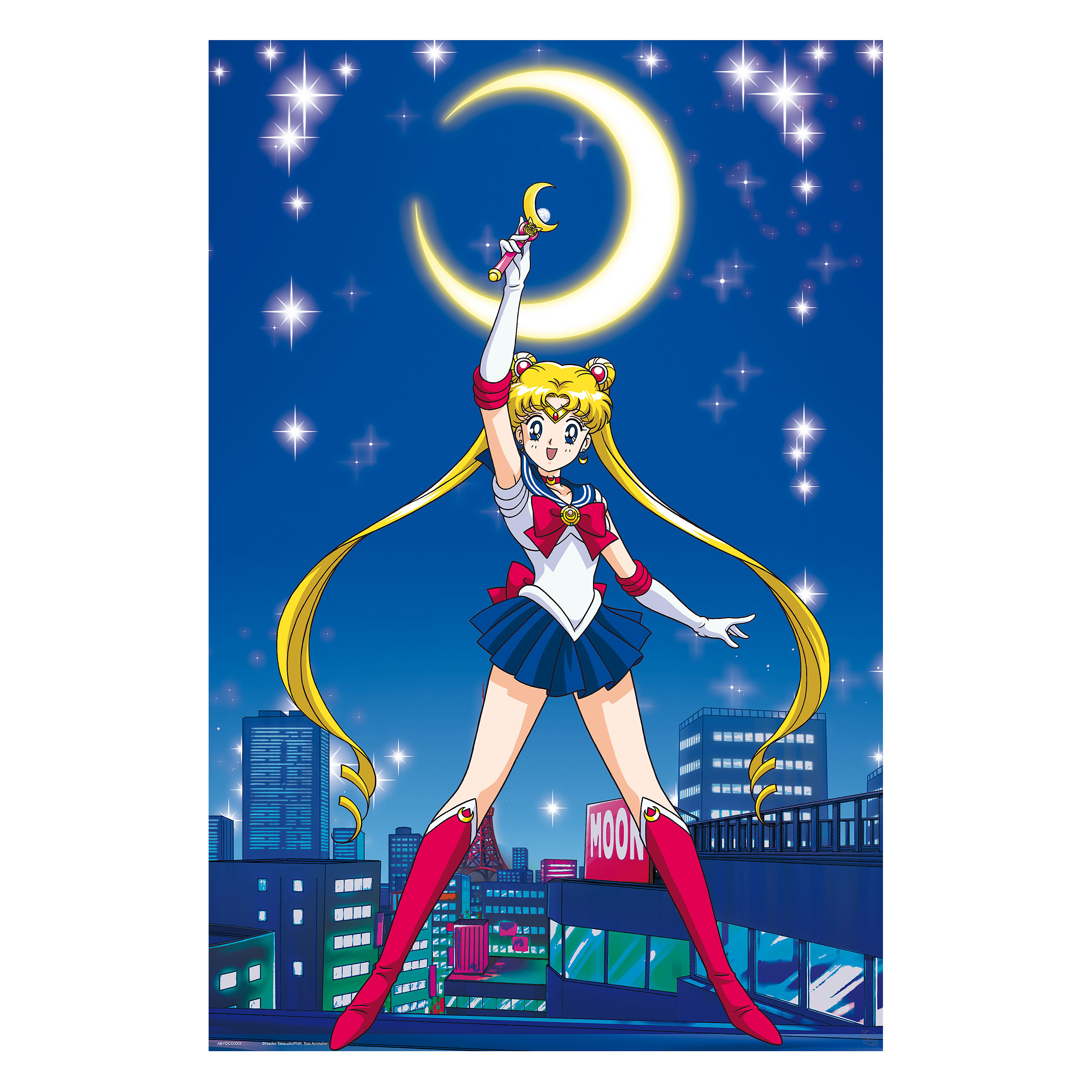
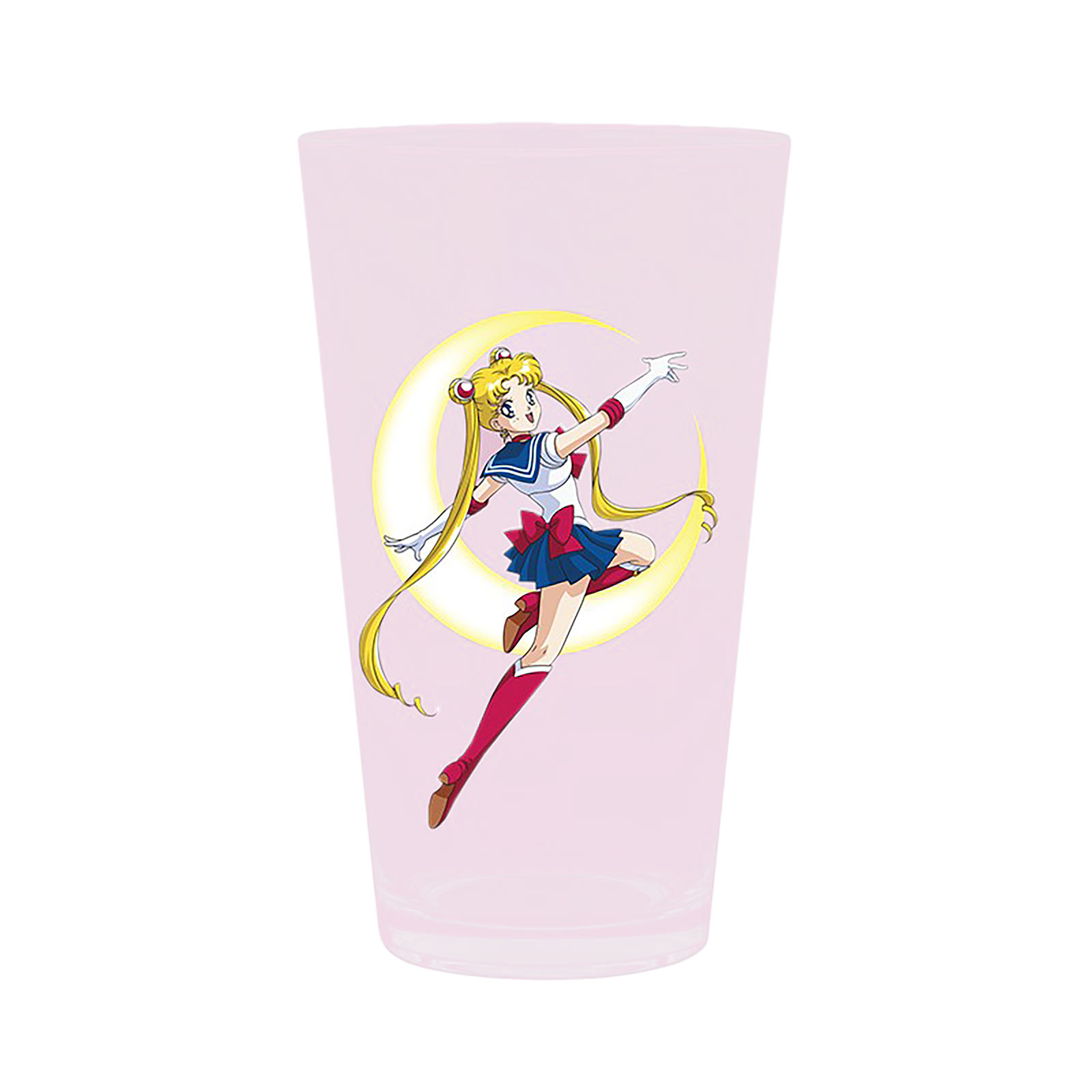
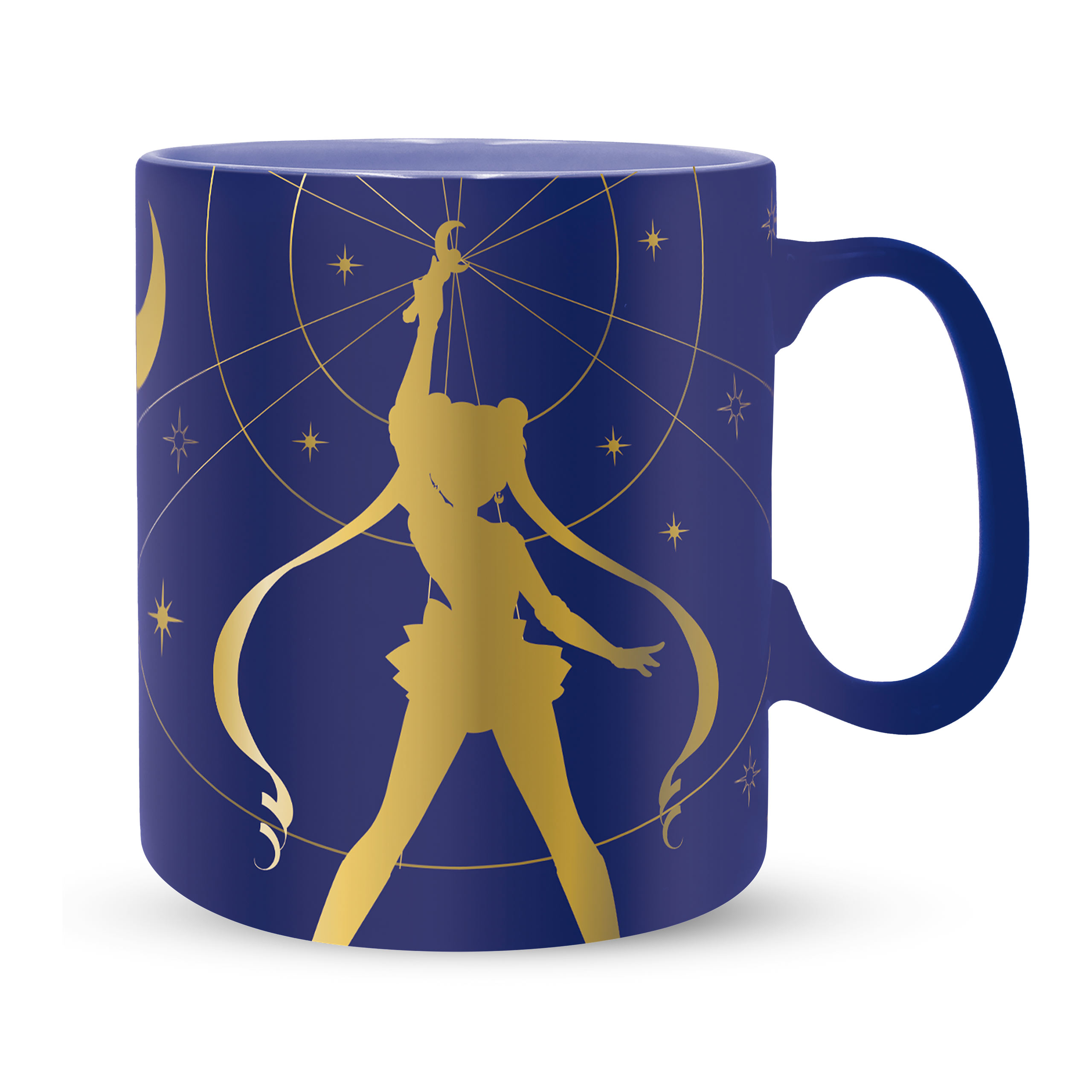
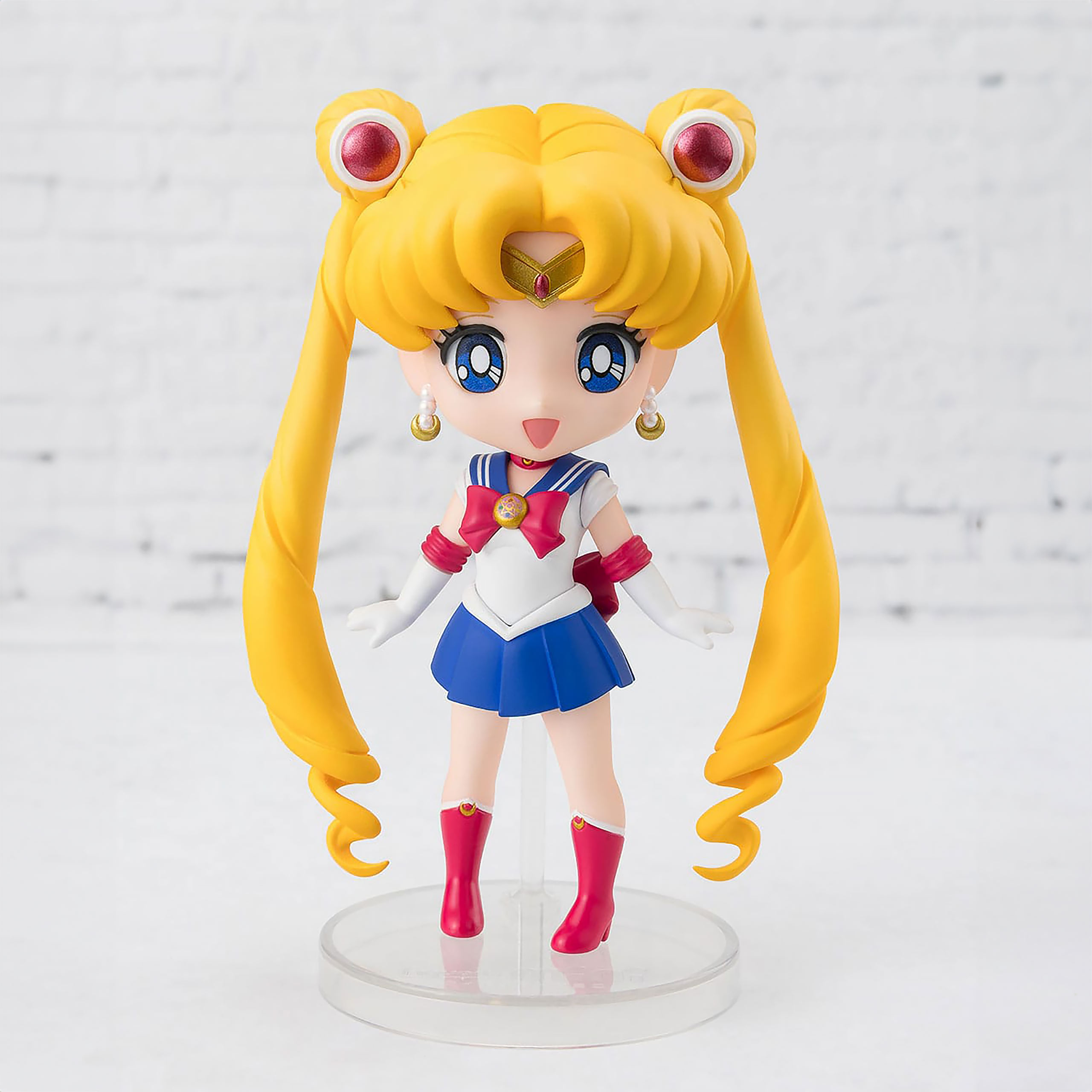
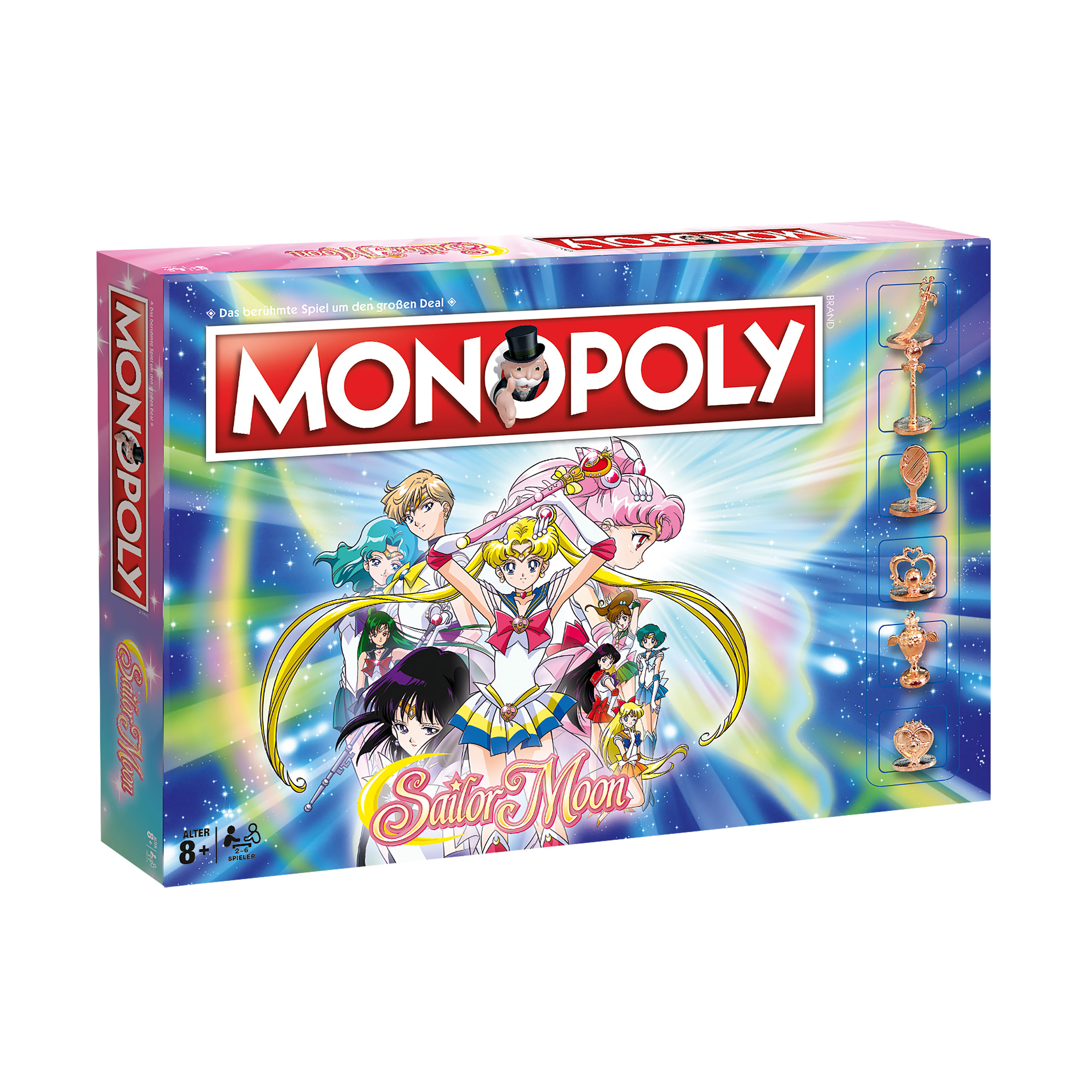
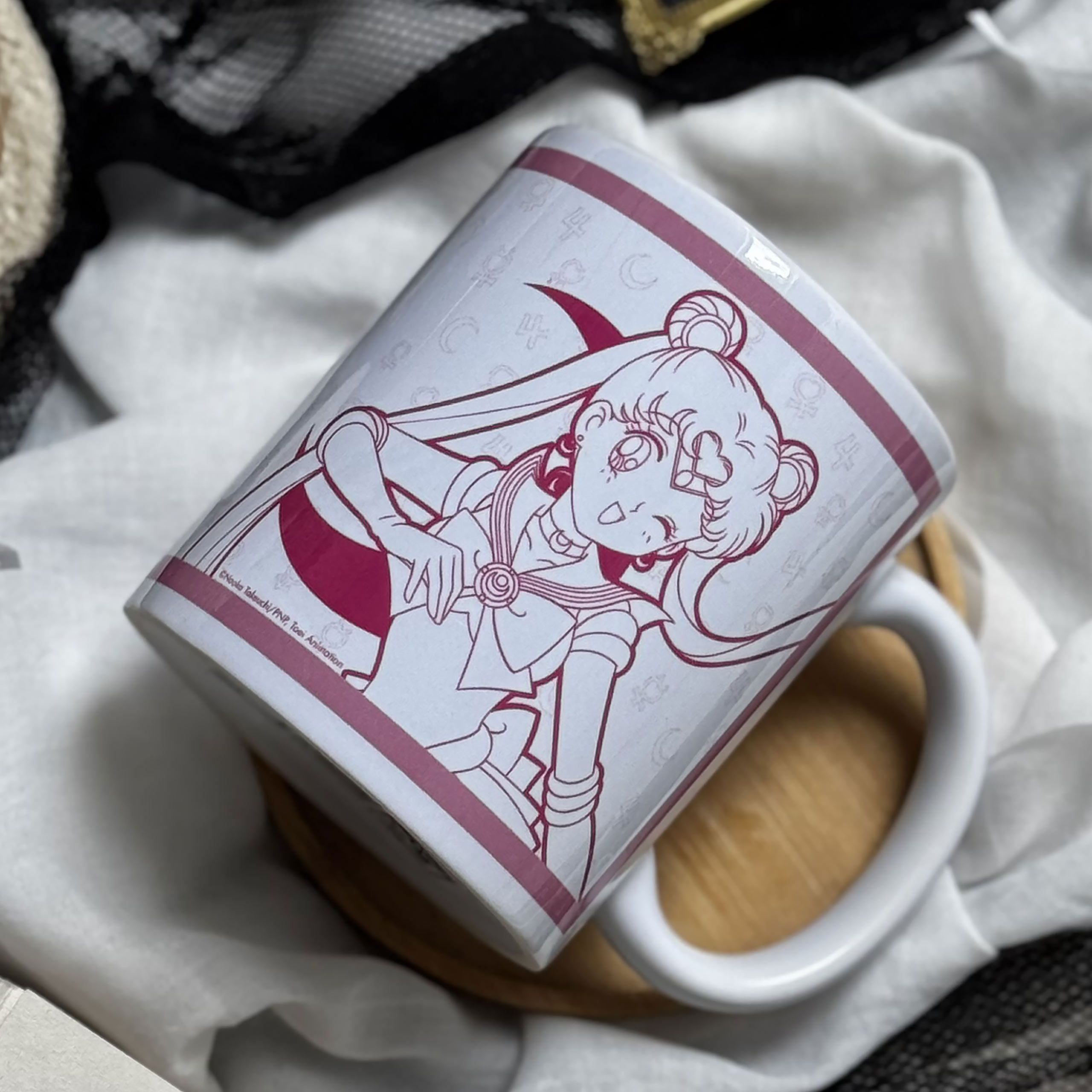
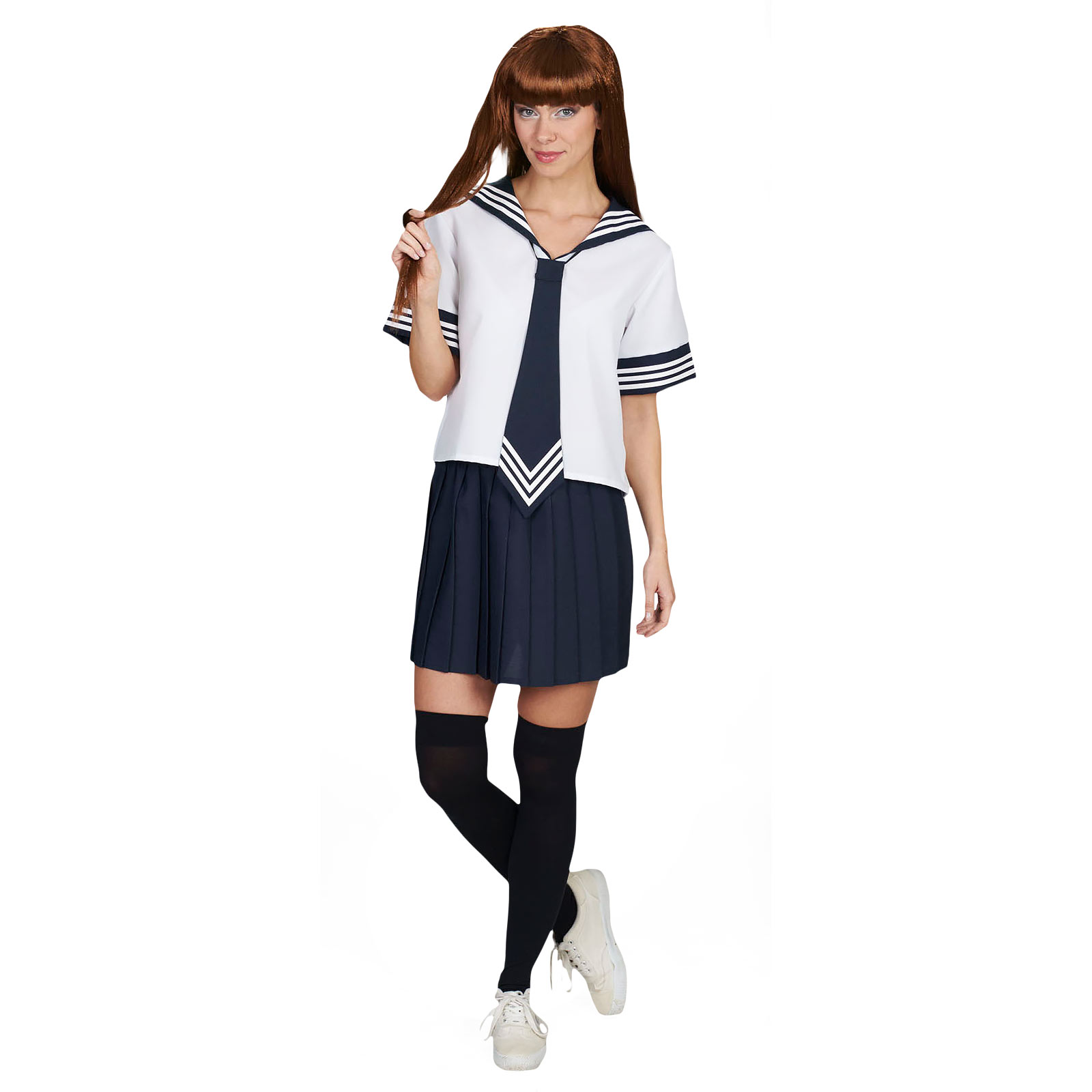
Beyond clothing, posters bring the 90s anime aesthetic to your walls. Cups and stationery add touches of moon magic to daily routines. For collectors, action figures capture the Guardians in detailed form. Board games bring the universe to your table, and costumes let you channel your inner Guardian for conventions or Halloween — no actual magical powers included, unfortunately.
What goes well with this?
Sailor Moon fans often have a broader appreciation for 90s anime and the magical girl genre. If you grew up rushing home to catch the latest episode, chances are your nostalgia extends beyond just one series. The aesthetic that drew you in — bold colours, transformation sequences, friendship-conquers-all narratives — shows up across the era. And honestly, once you've accepted that a talking cat can grant superpowers, you're ready for just about anything Japanese animation has to offer.