Medieval Blouses – Period Style for Modern Adventures
There's something deeply satisfying about clothing that refuses to acknowledge the last five centuries of fashion happened. Medieval blouses exist in that pleasant space between costume piece and genuinely wearable garment — they look appropriately historical at a Renaissance faire and surprisingly normal at a folk concert. Not bad for a garment category that predates buttons.
What defines medieval blouses?
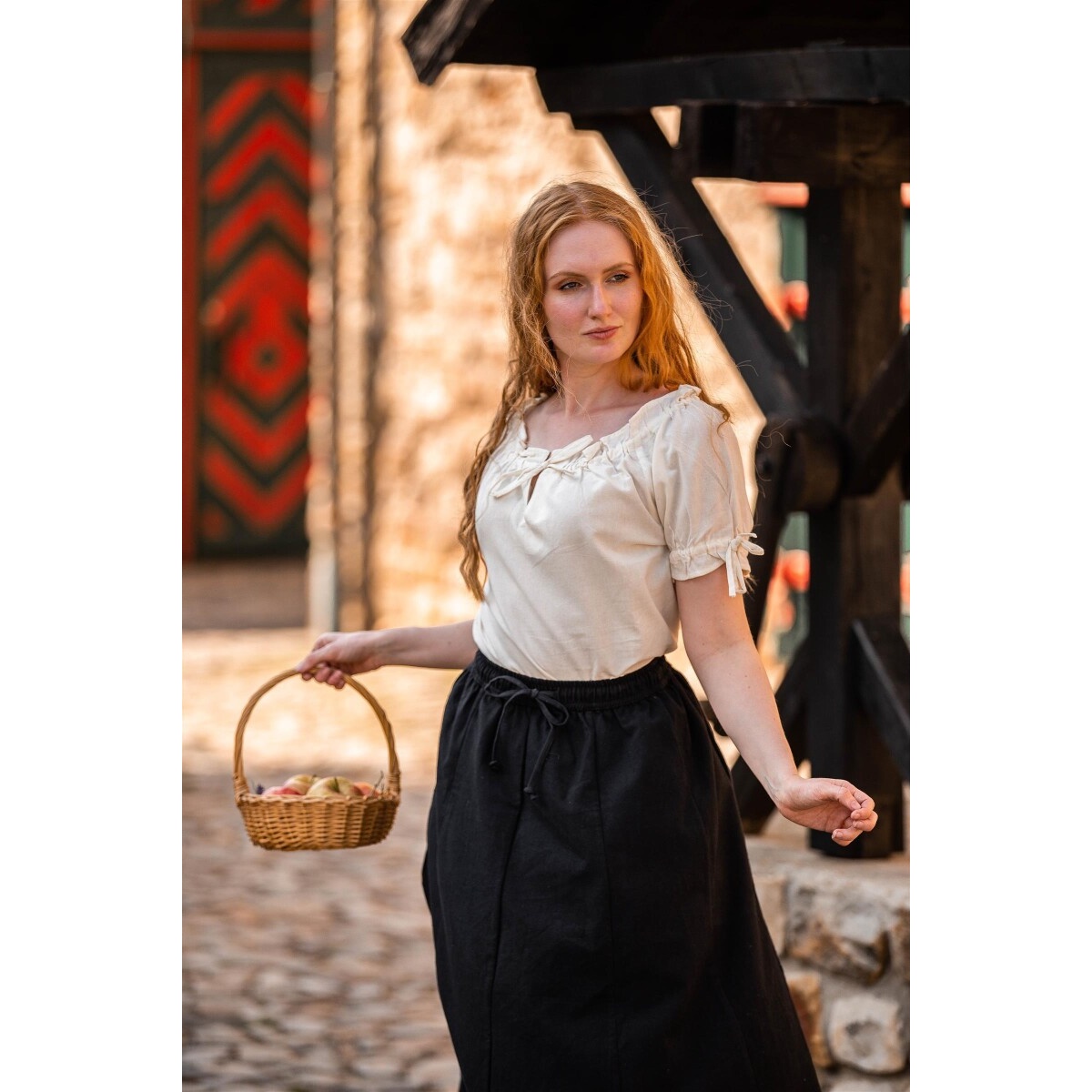
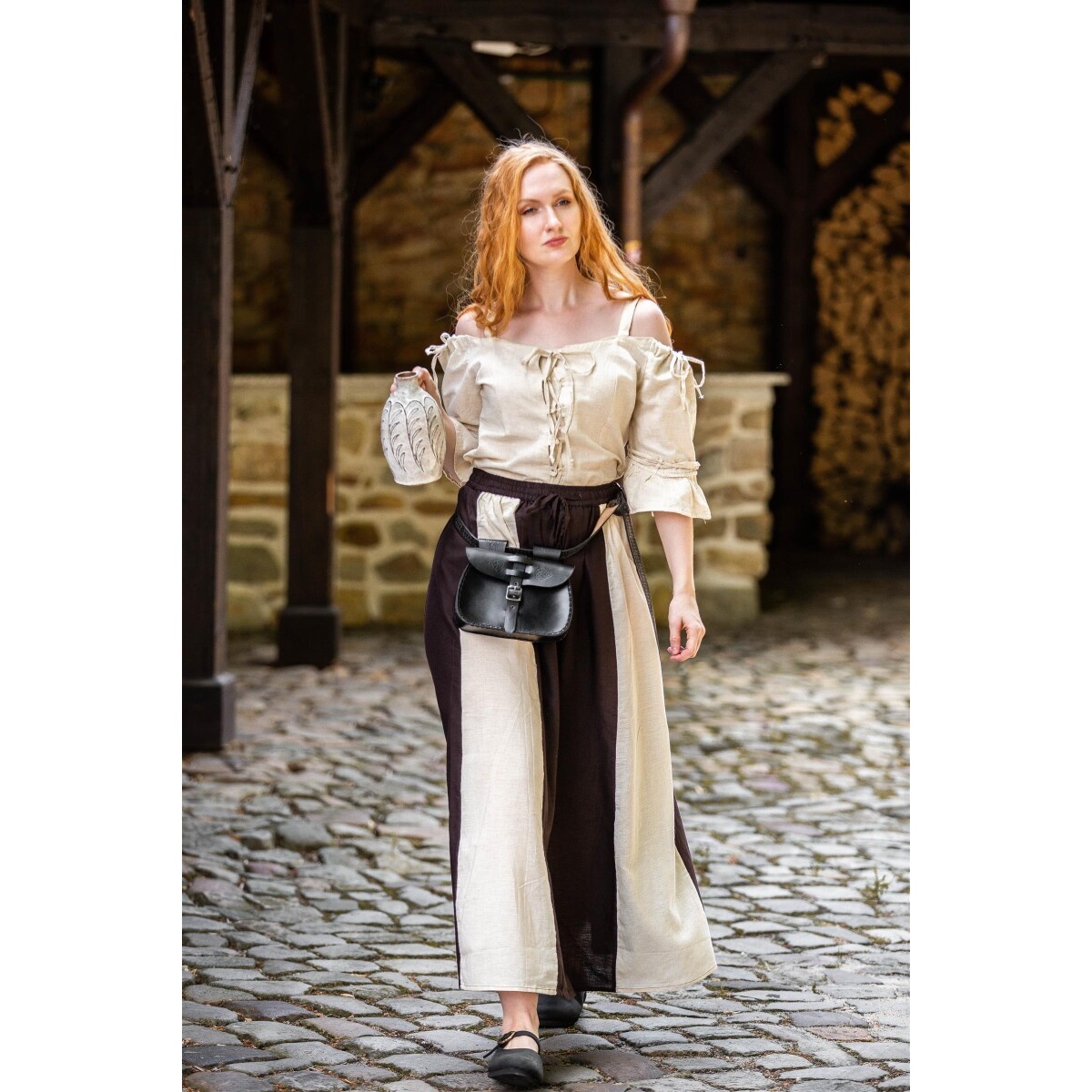
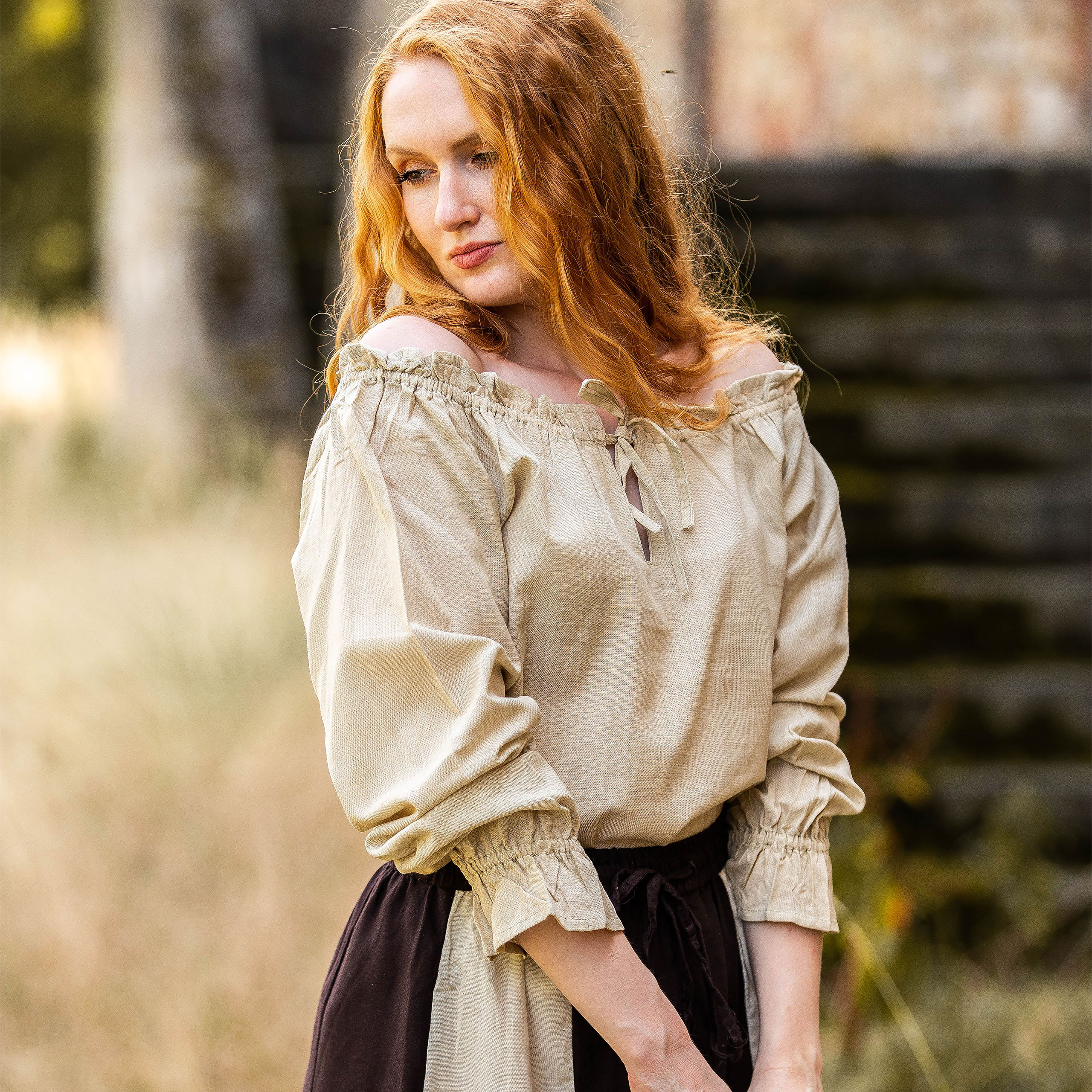
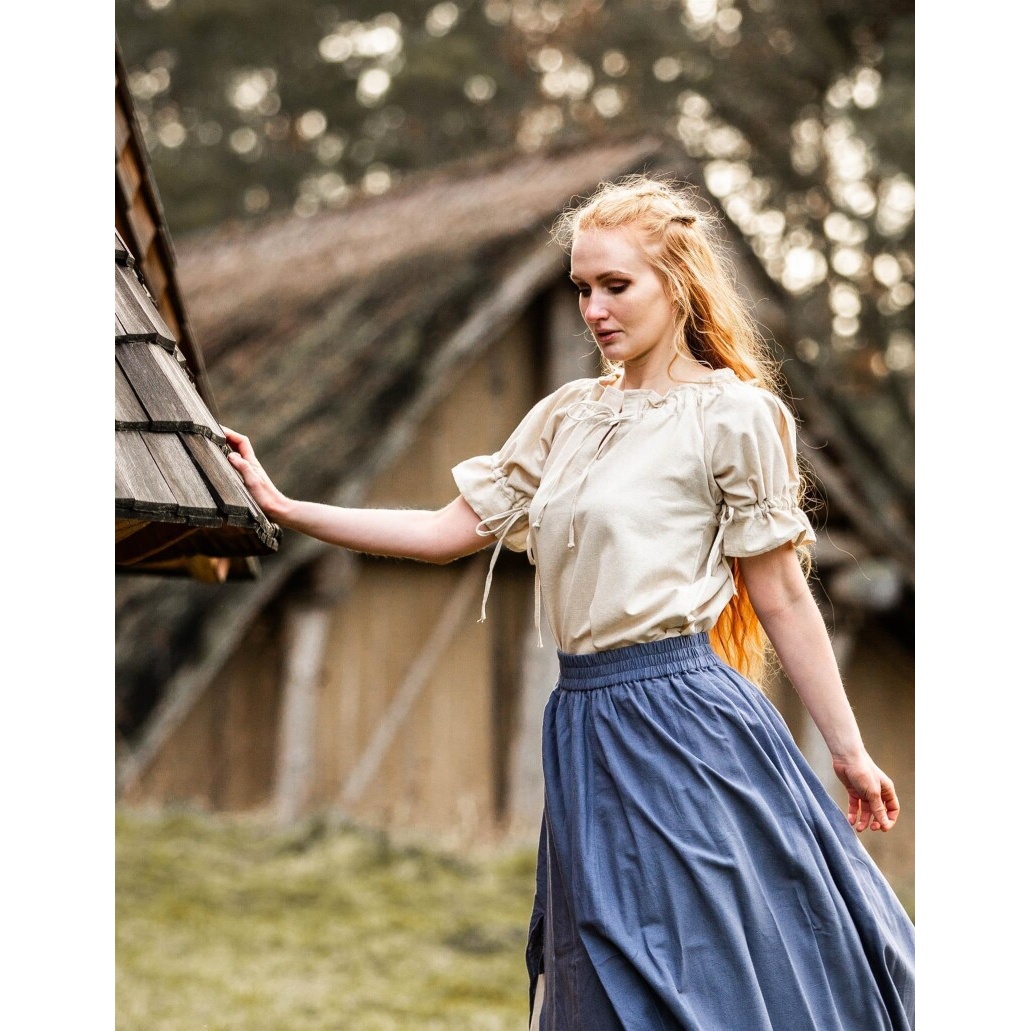
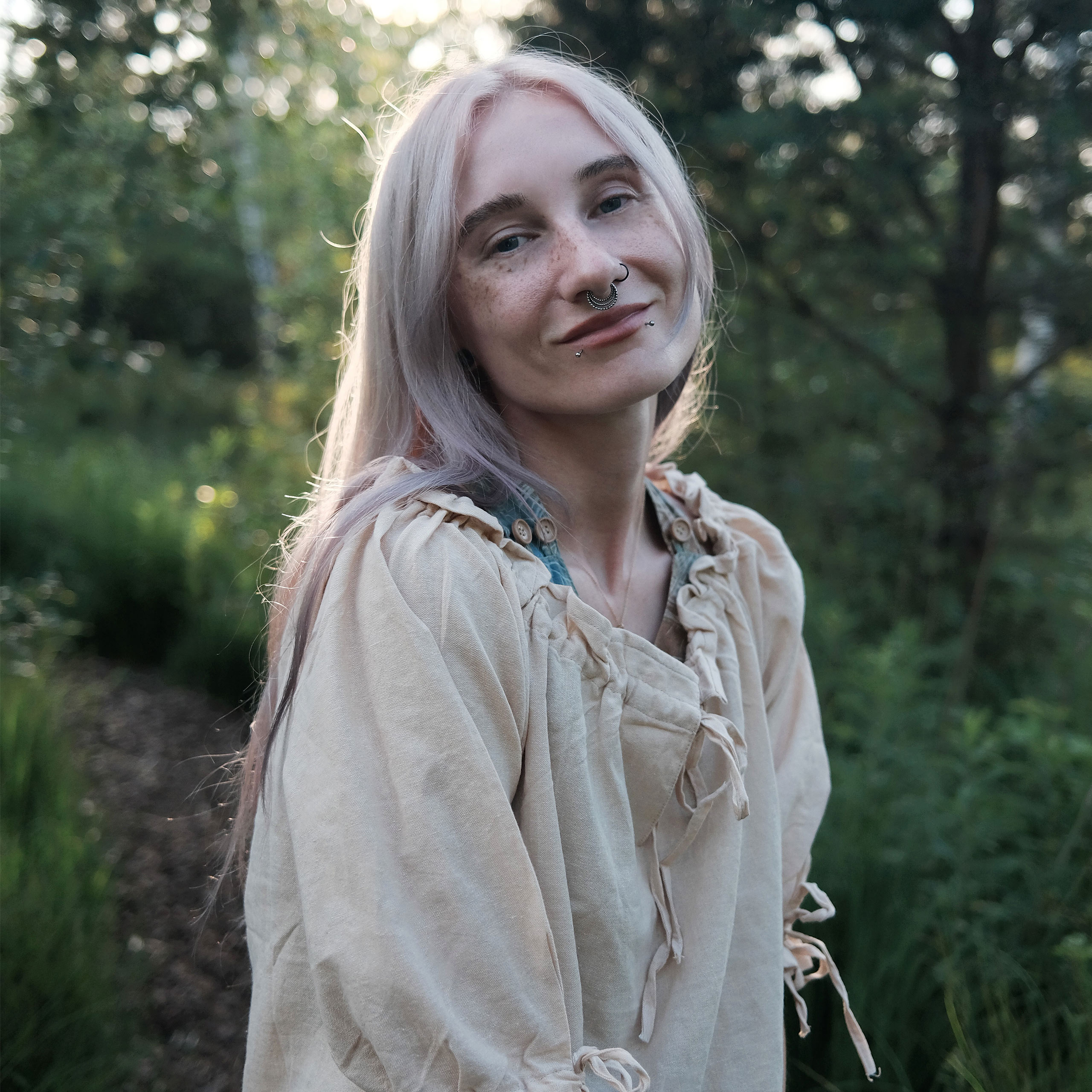
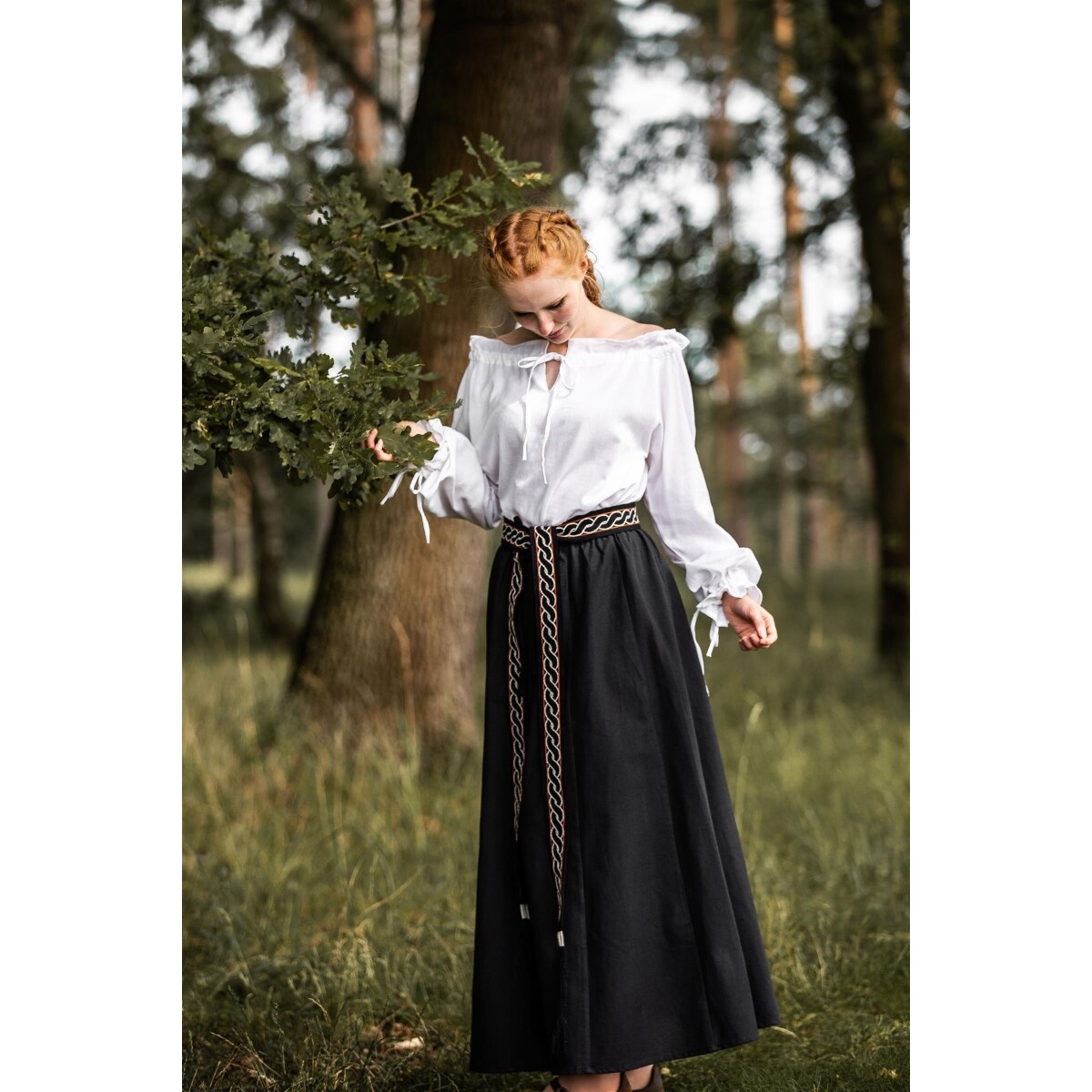
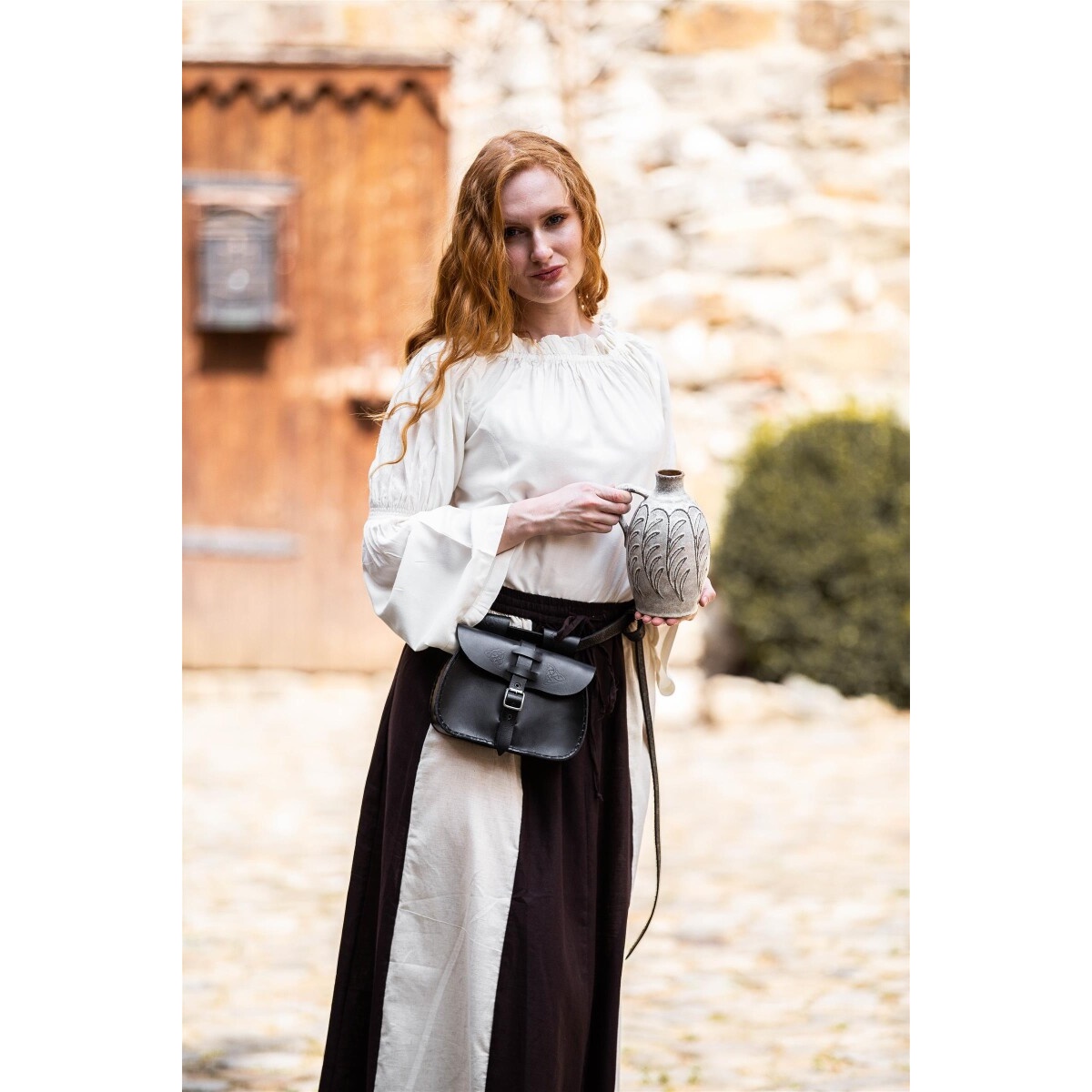
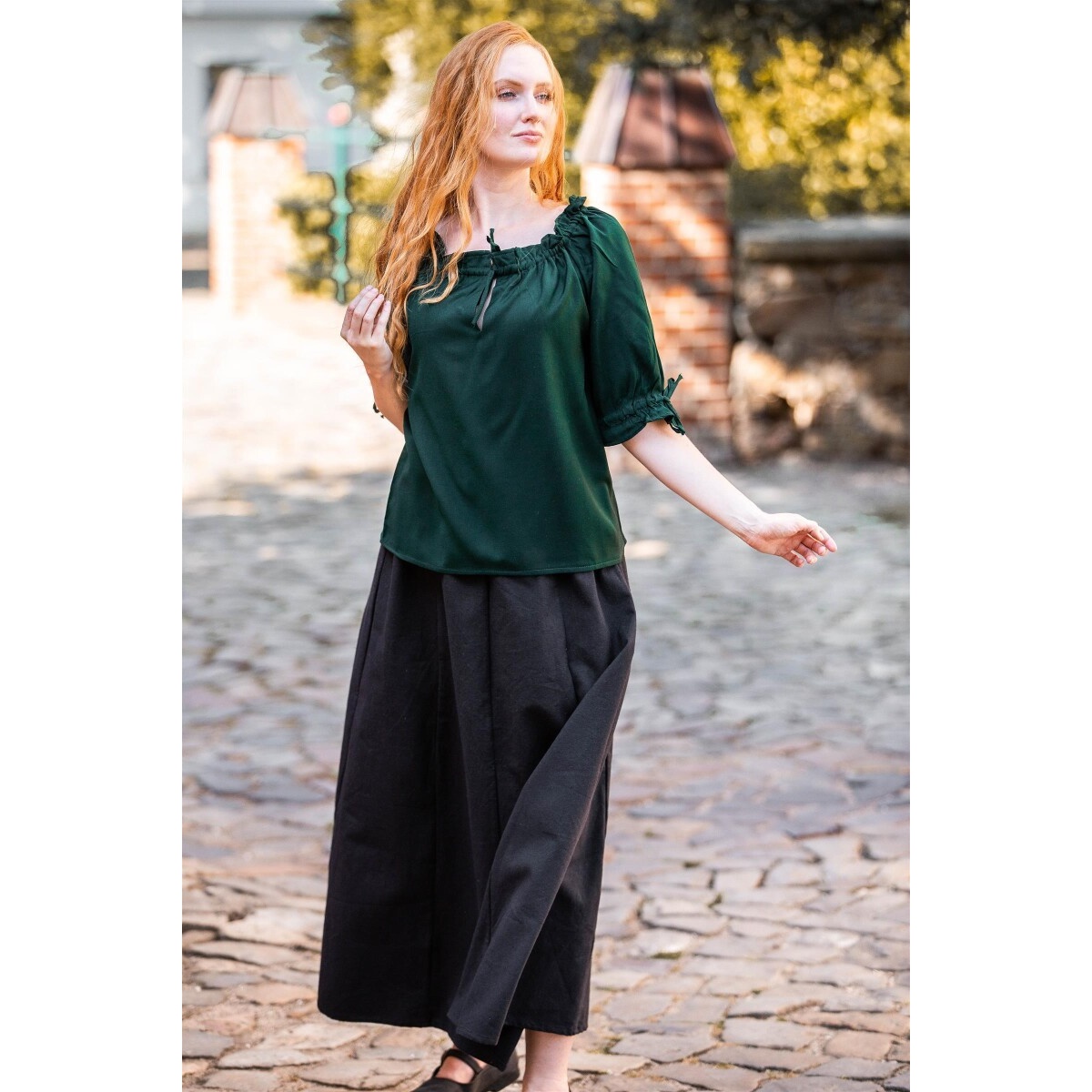
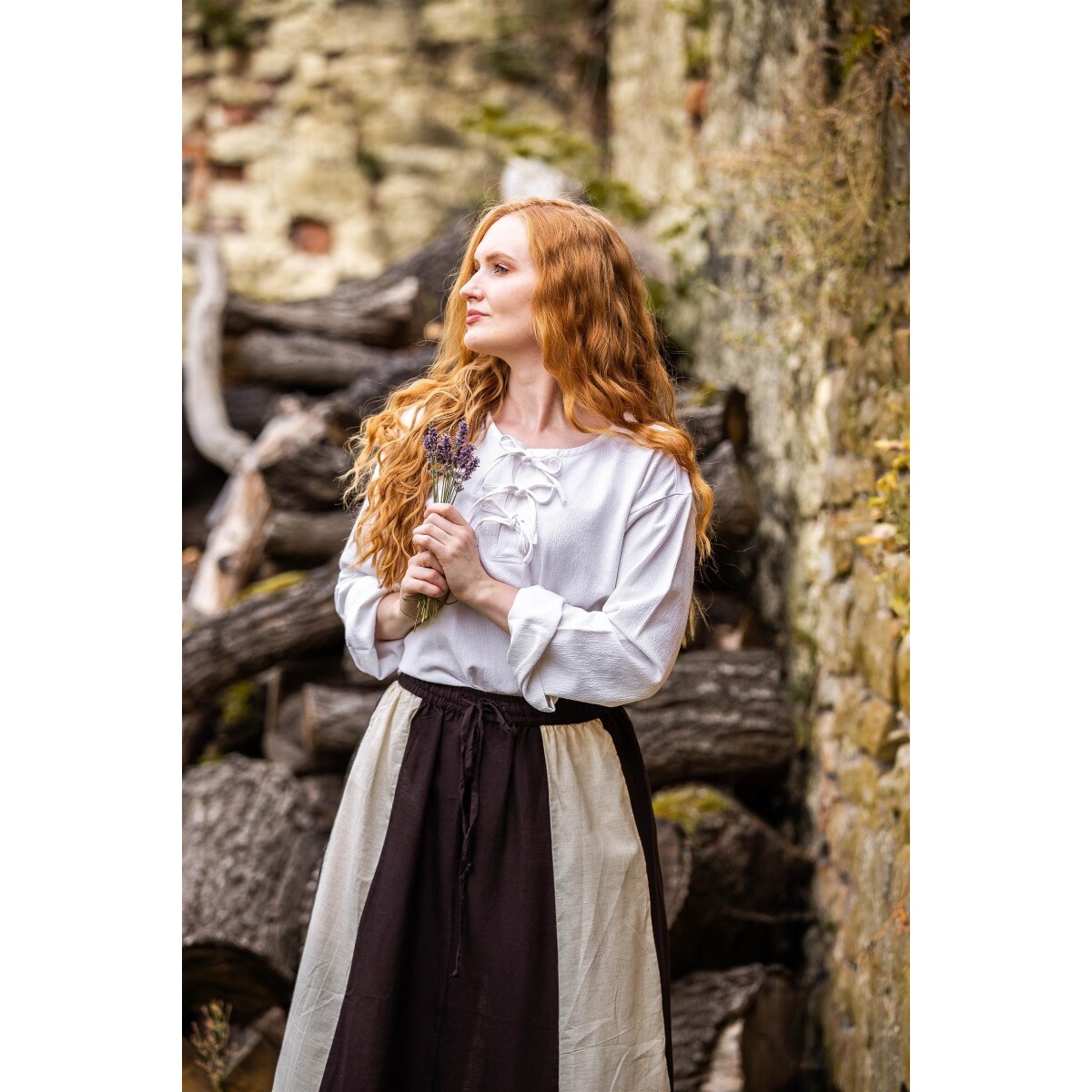
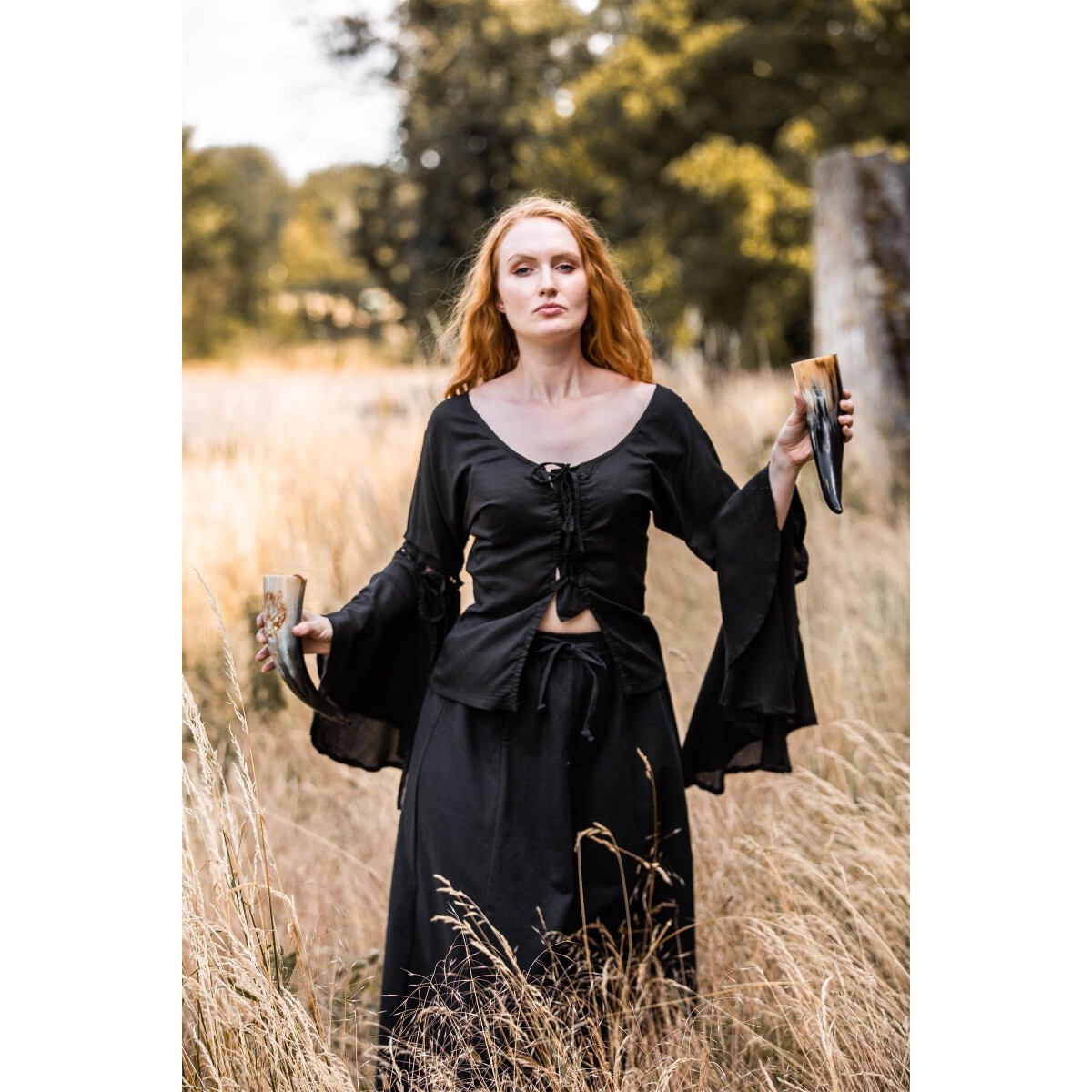
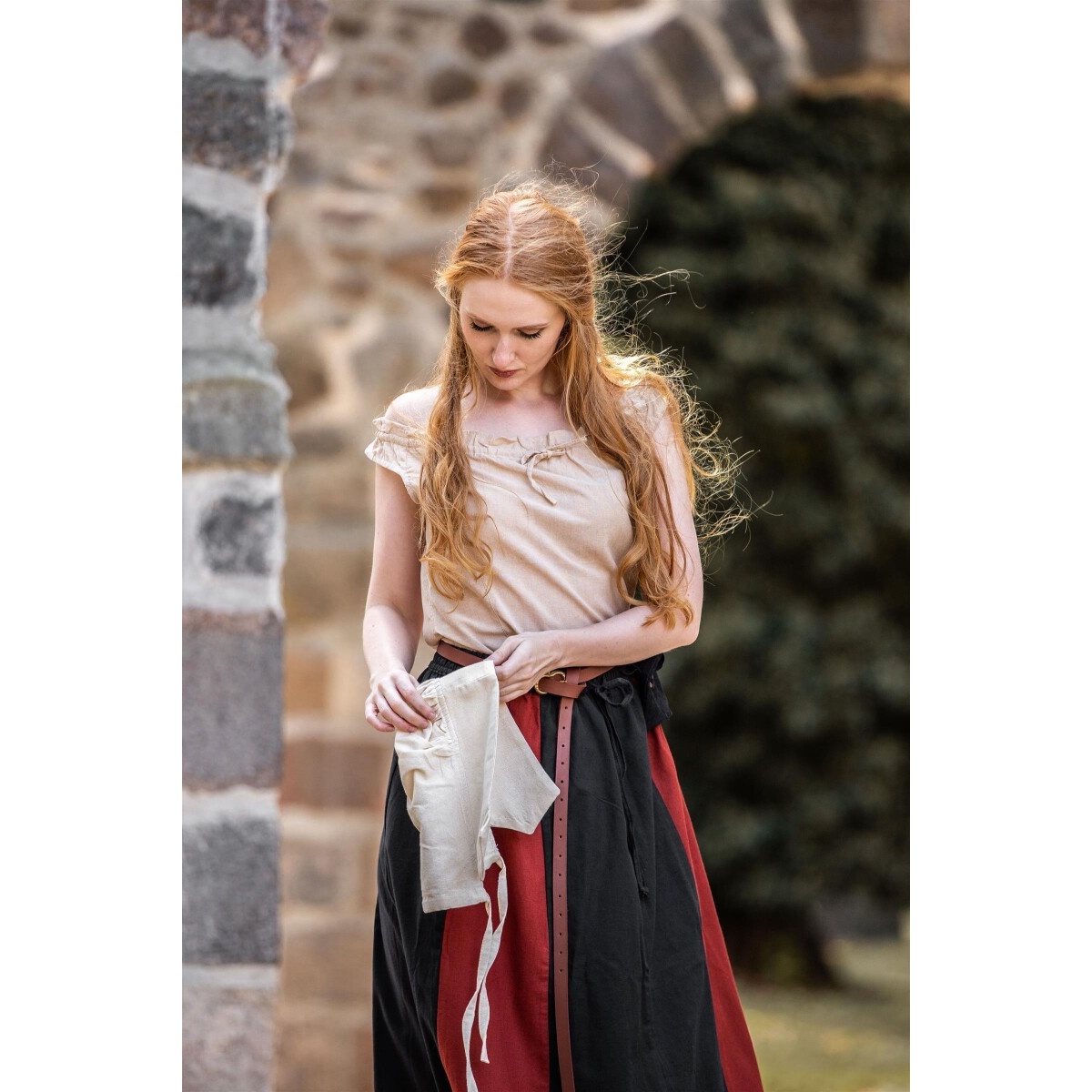
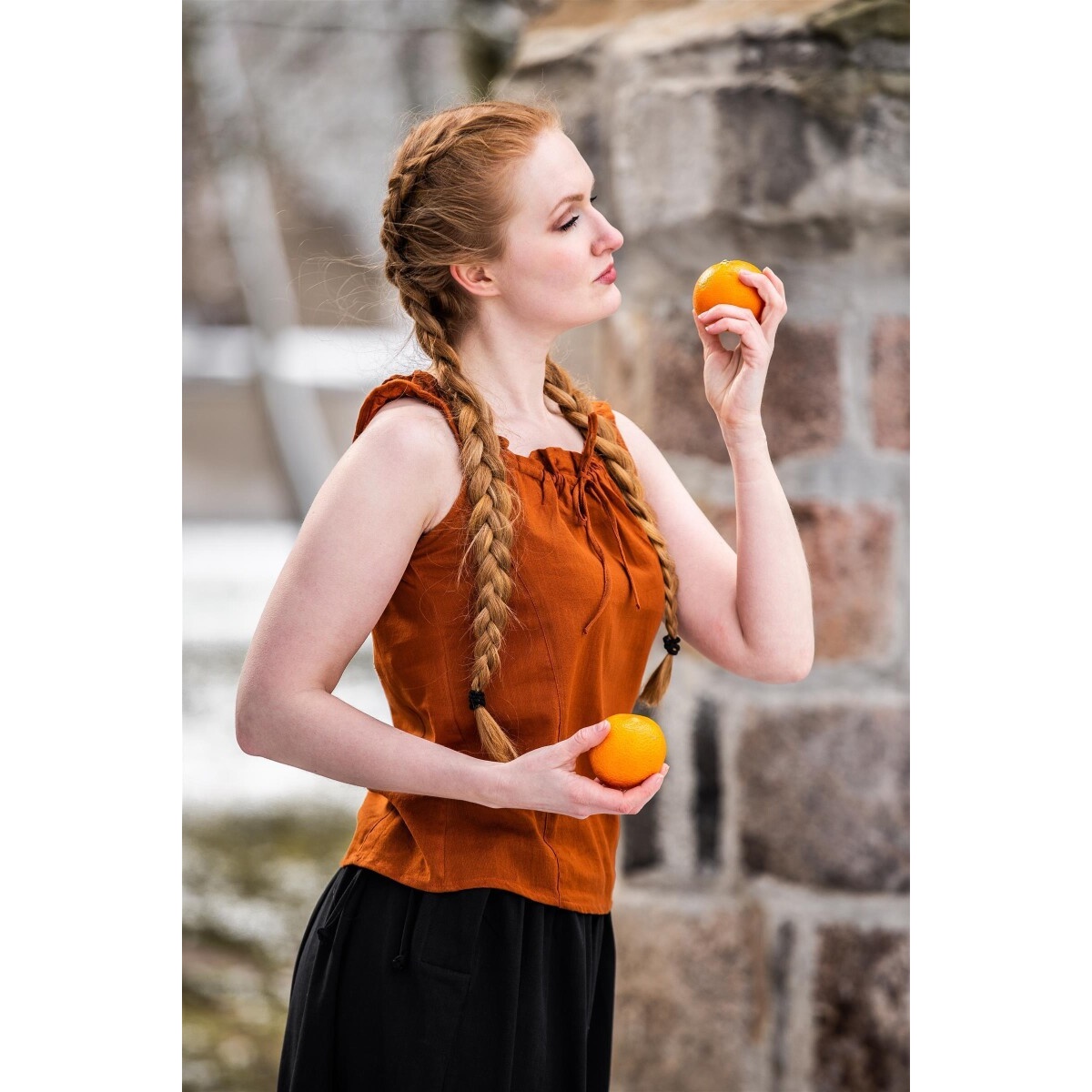
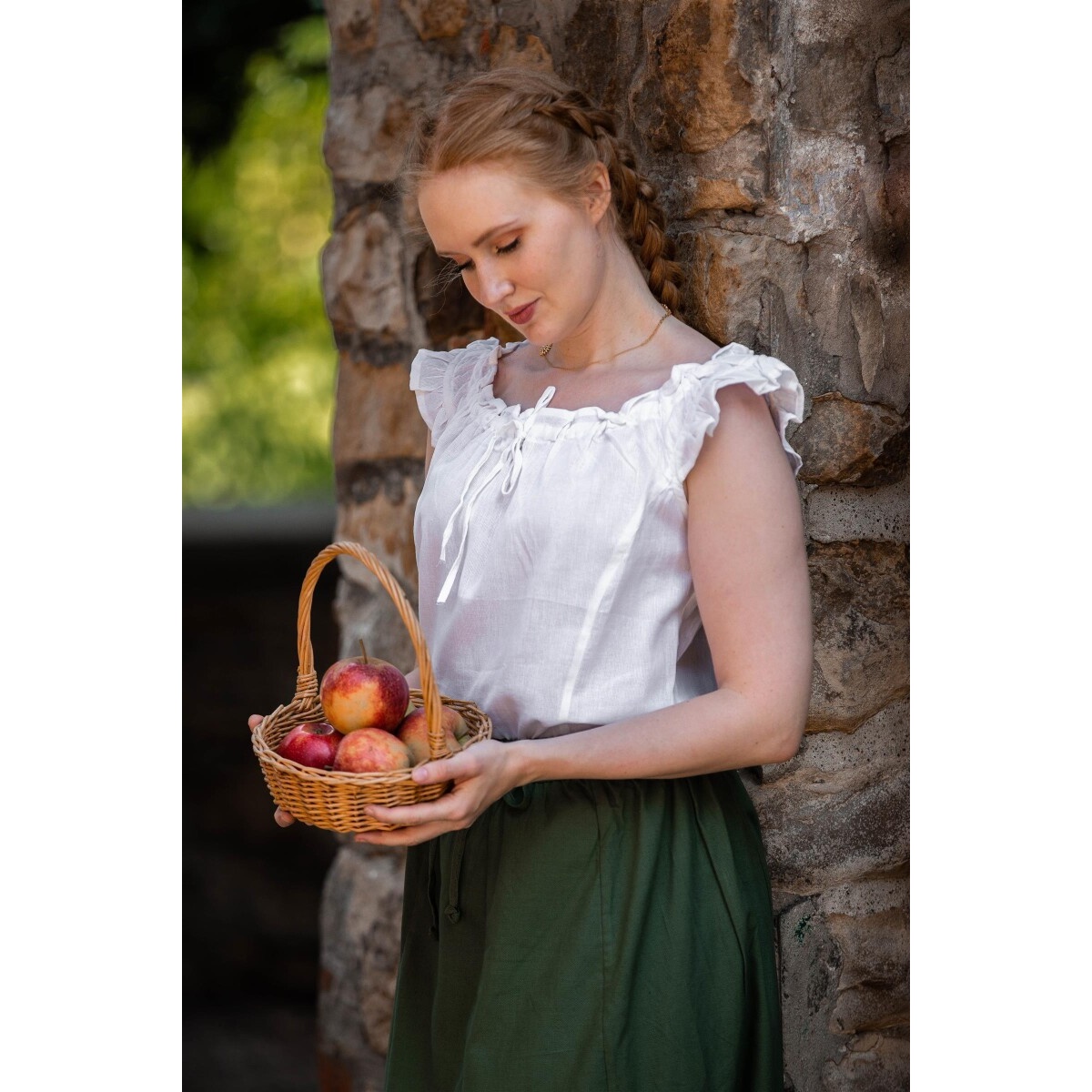
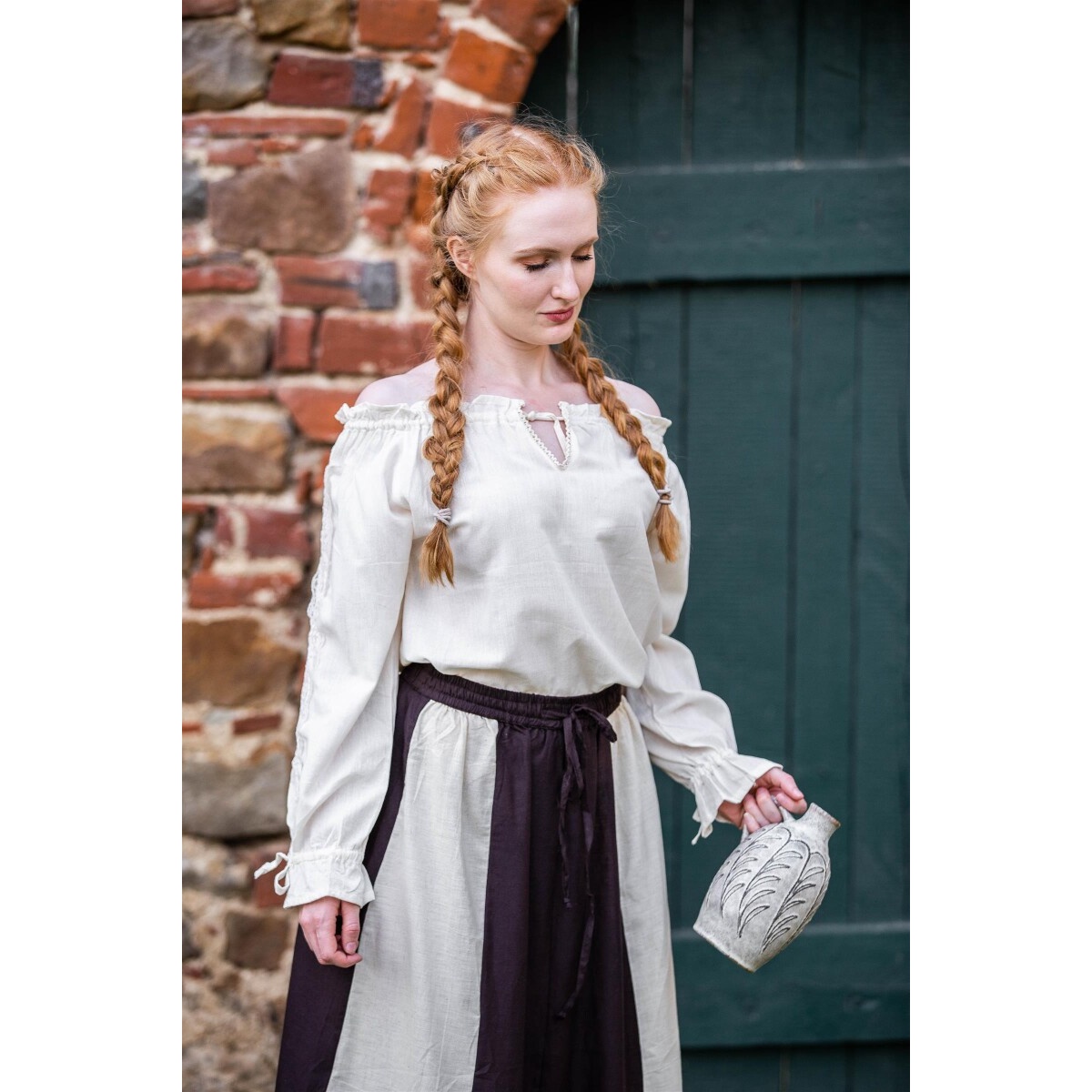
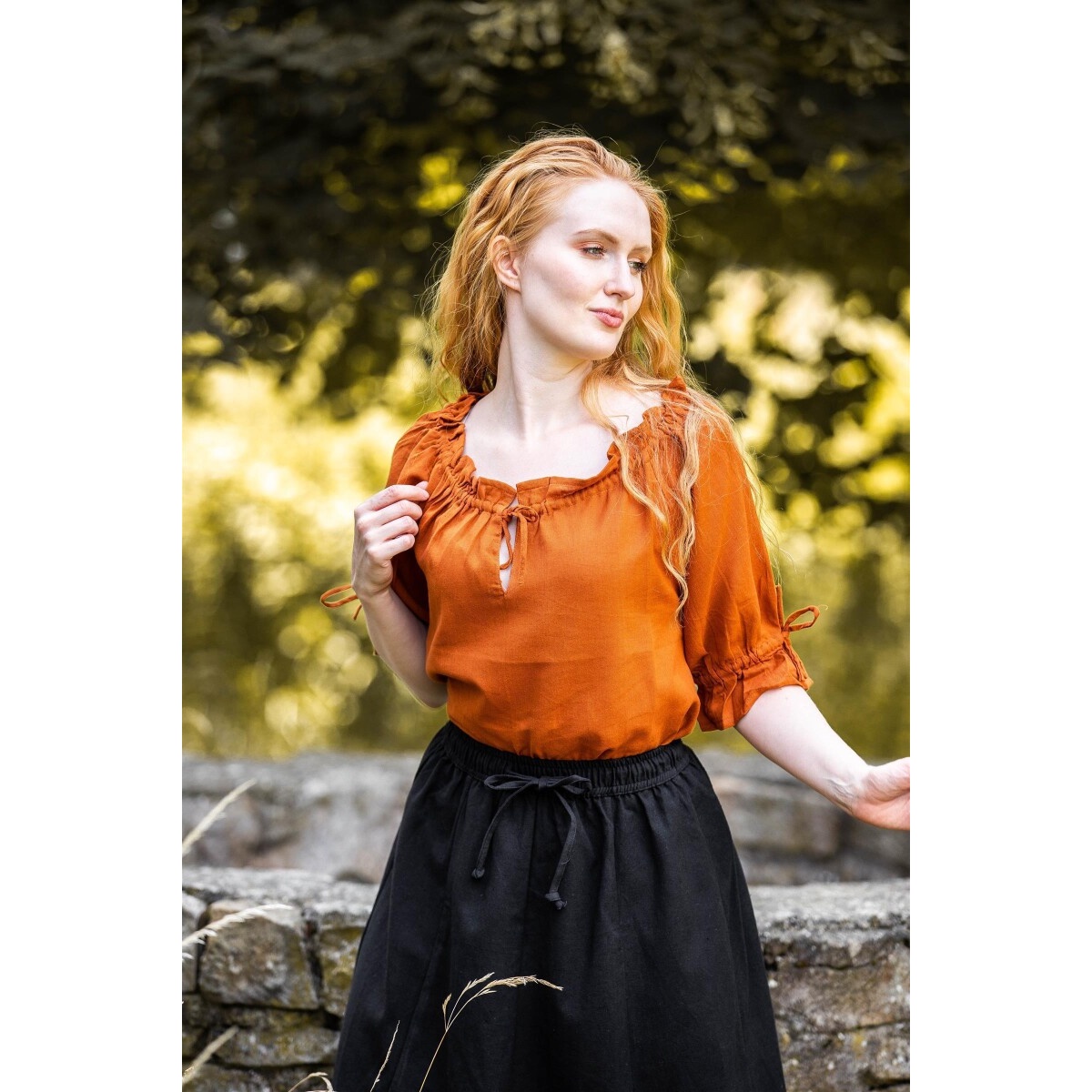
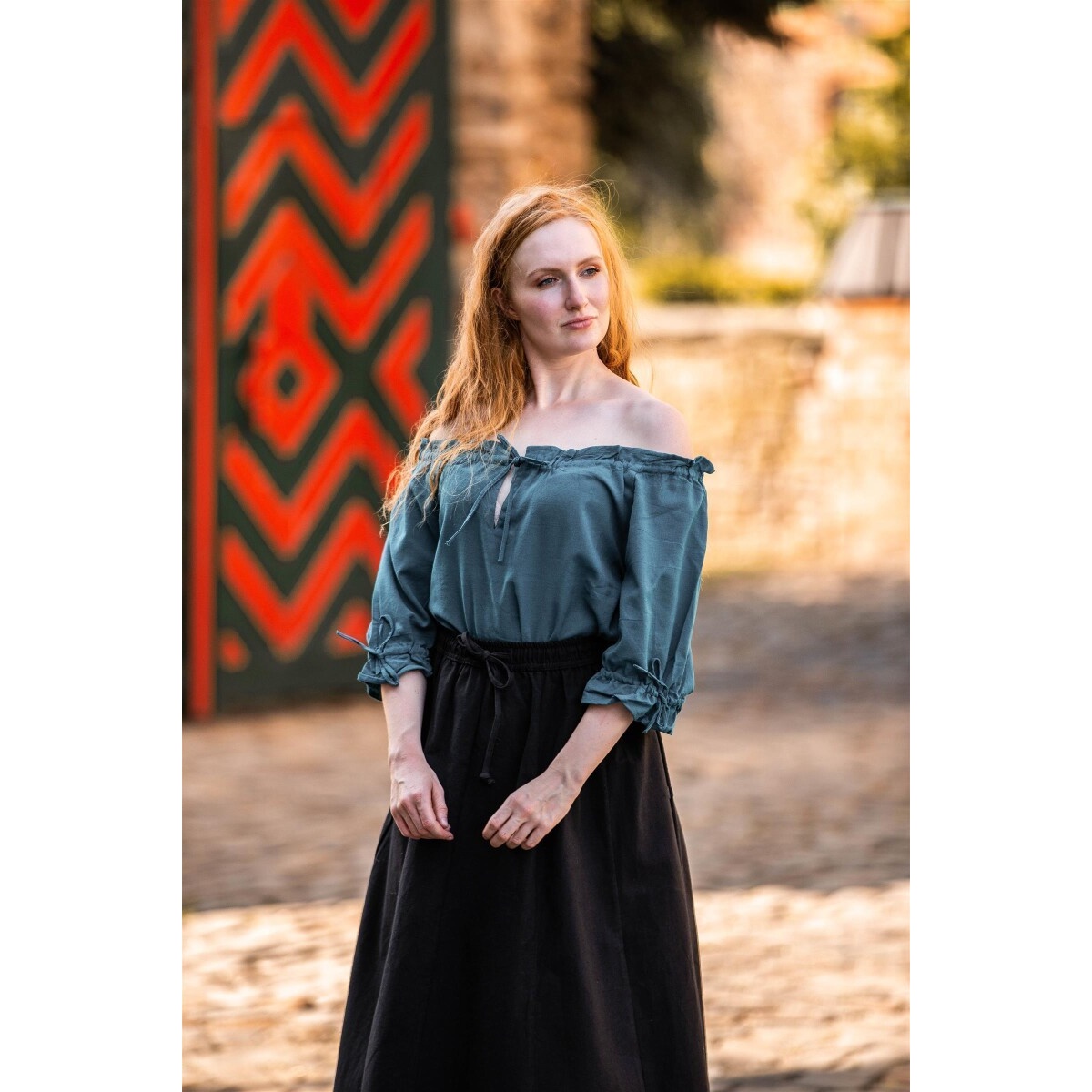
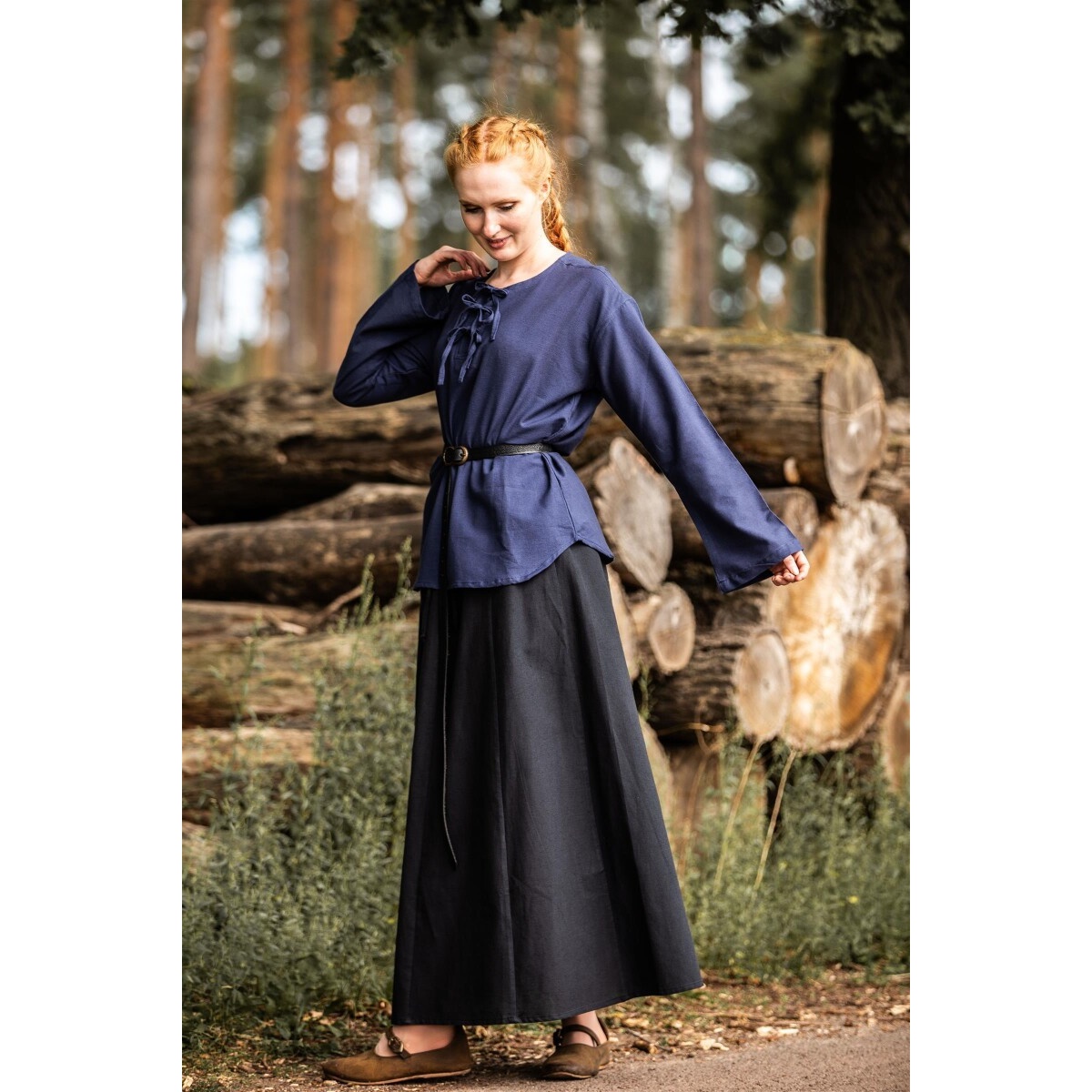
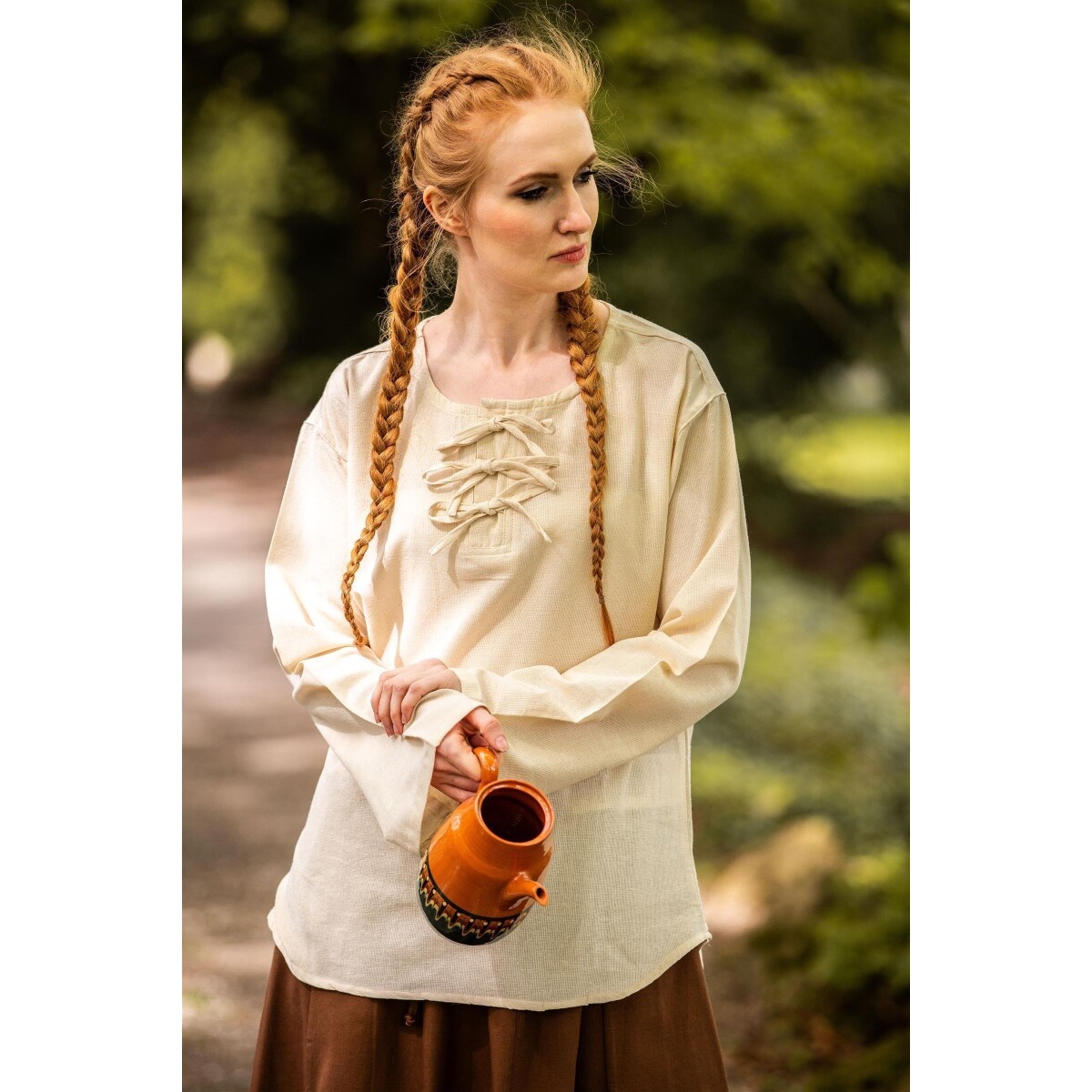
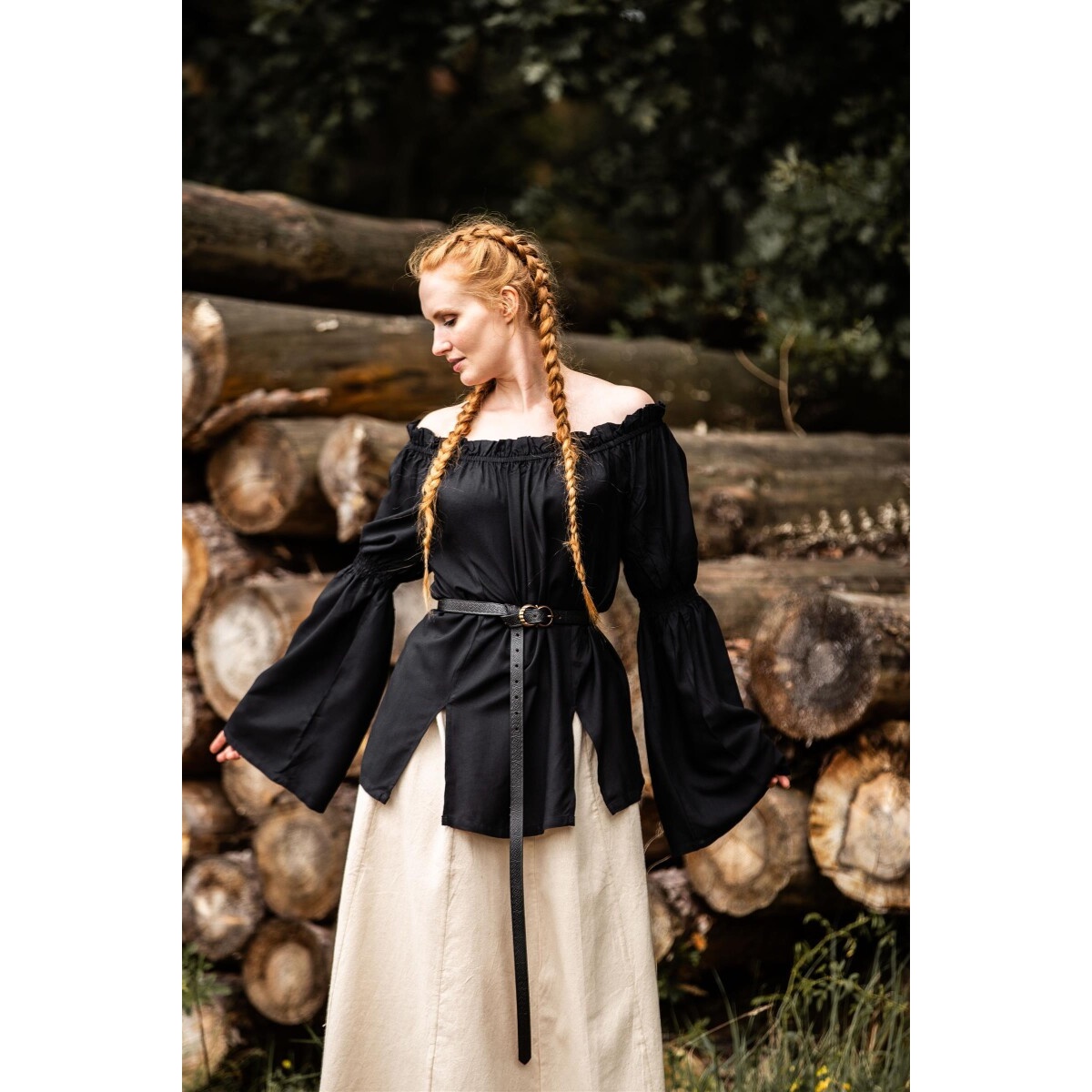
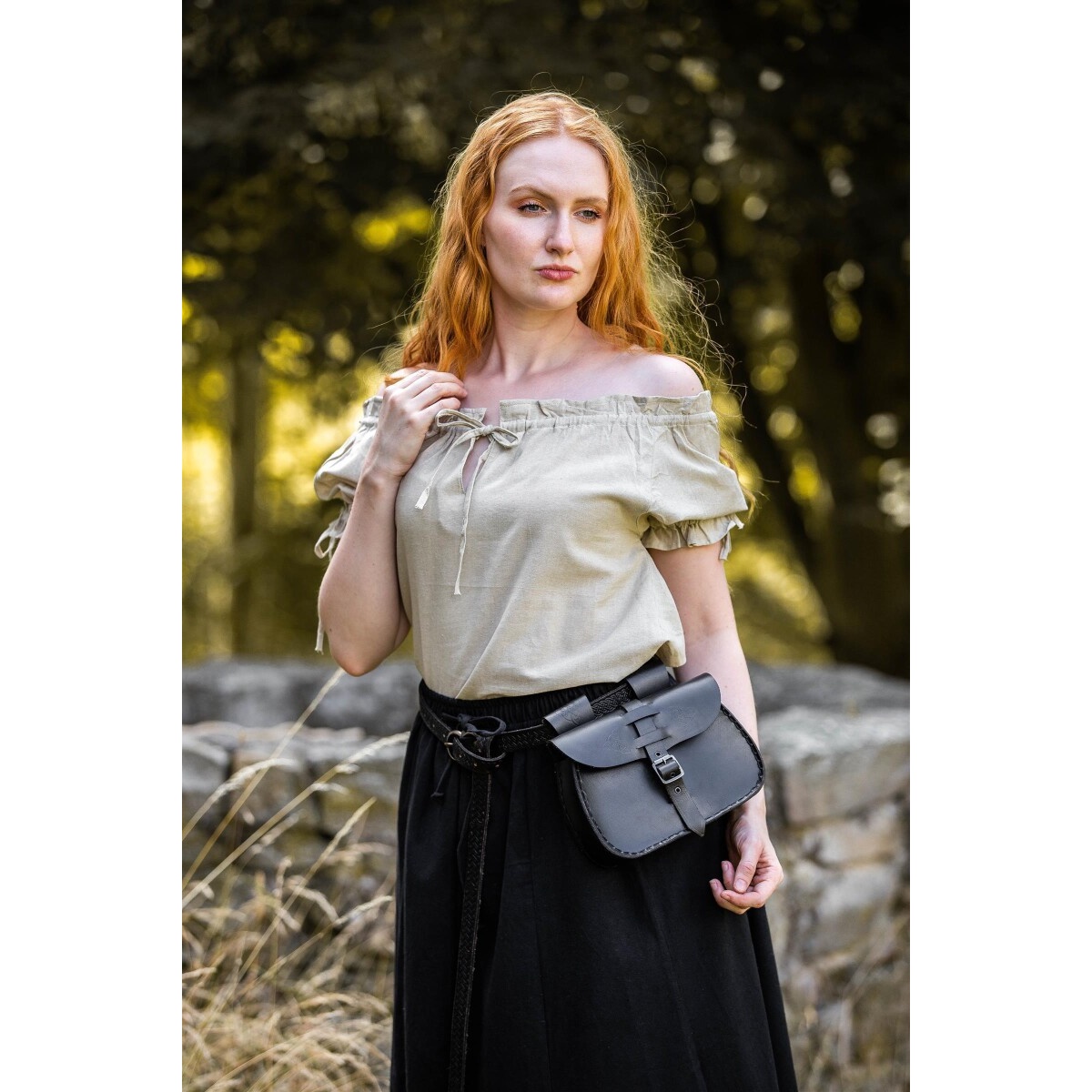
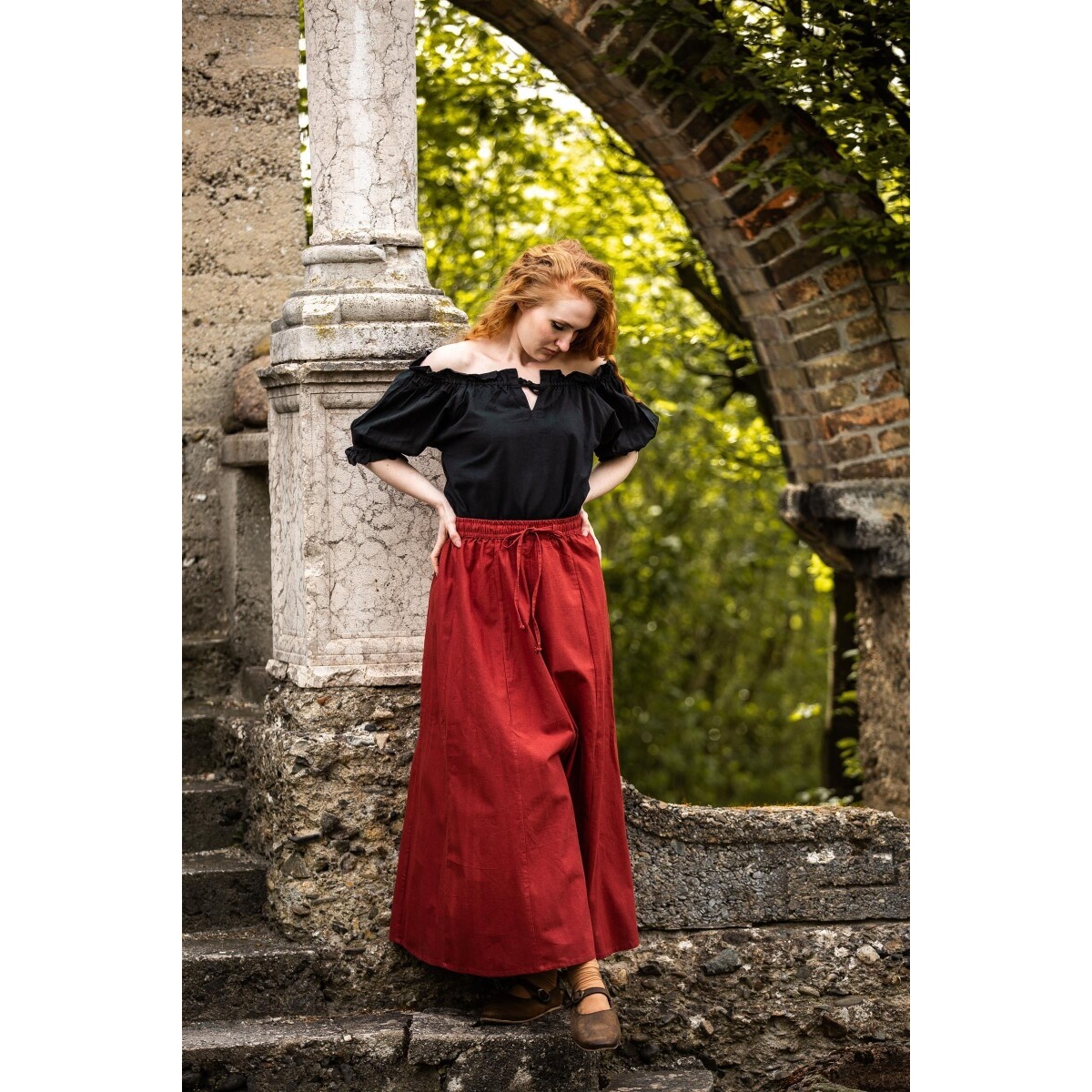
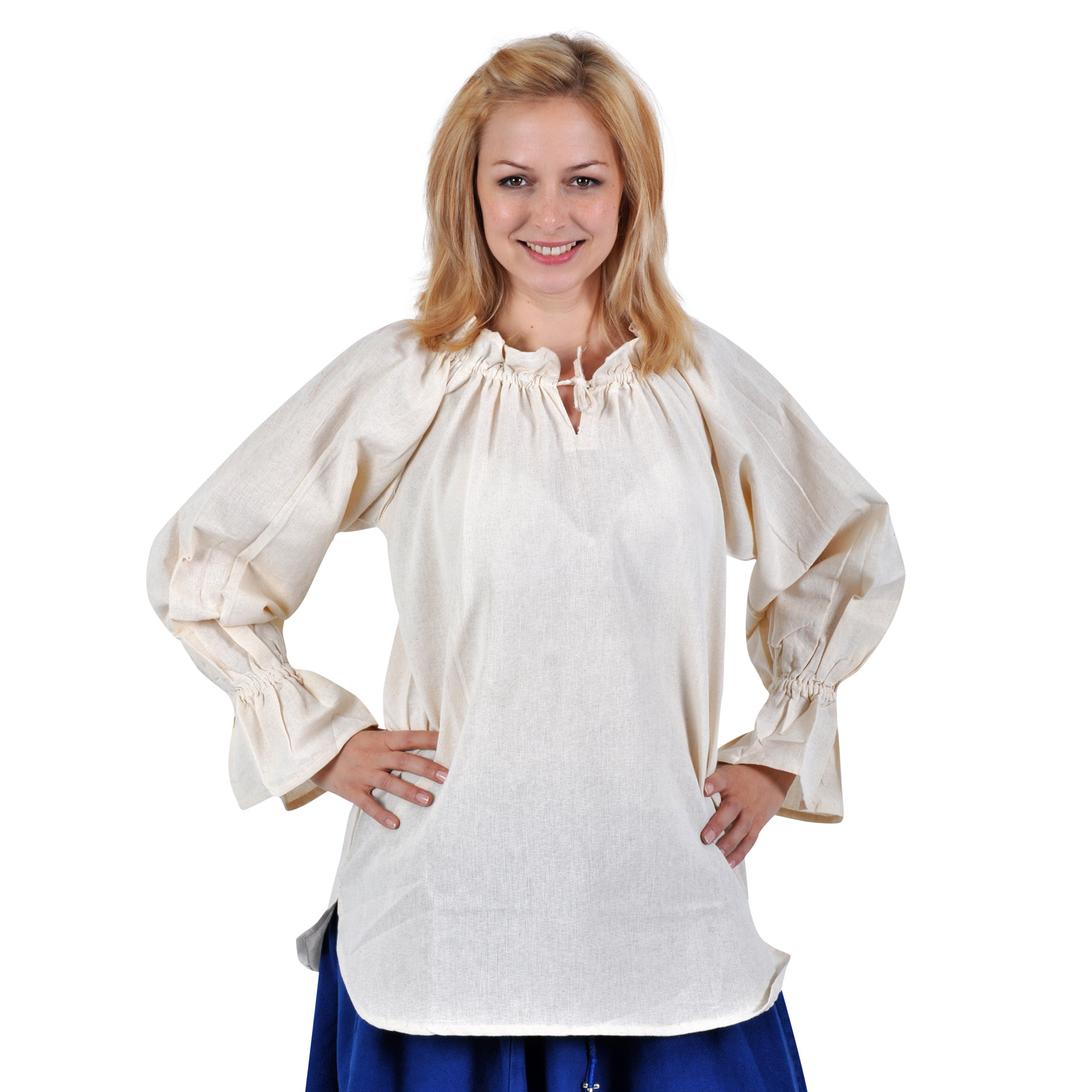
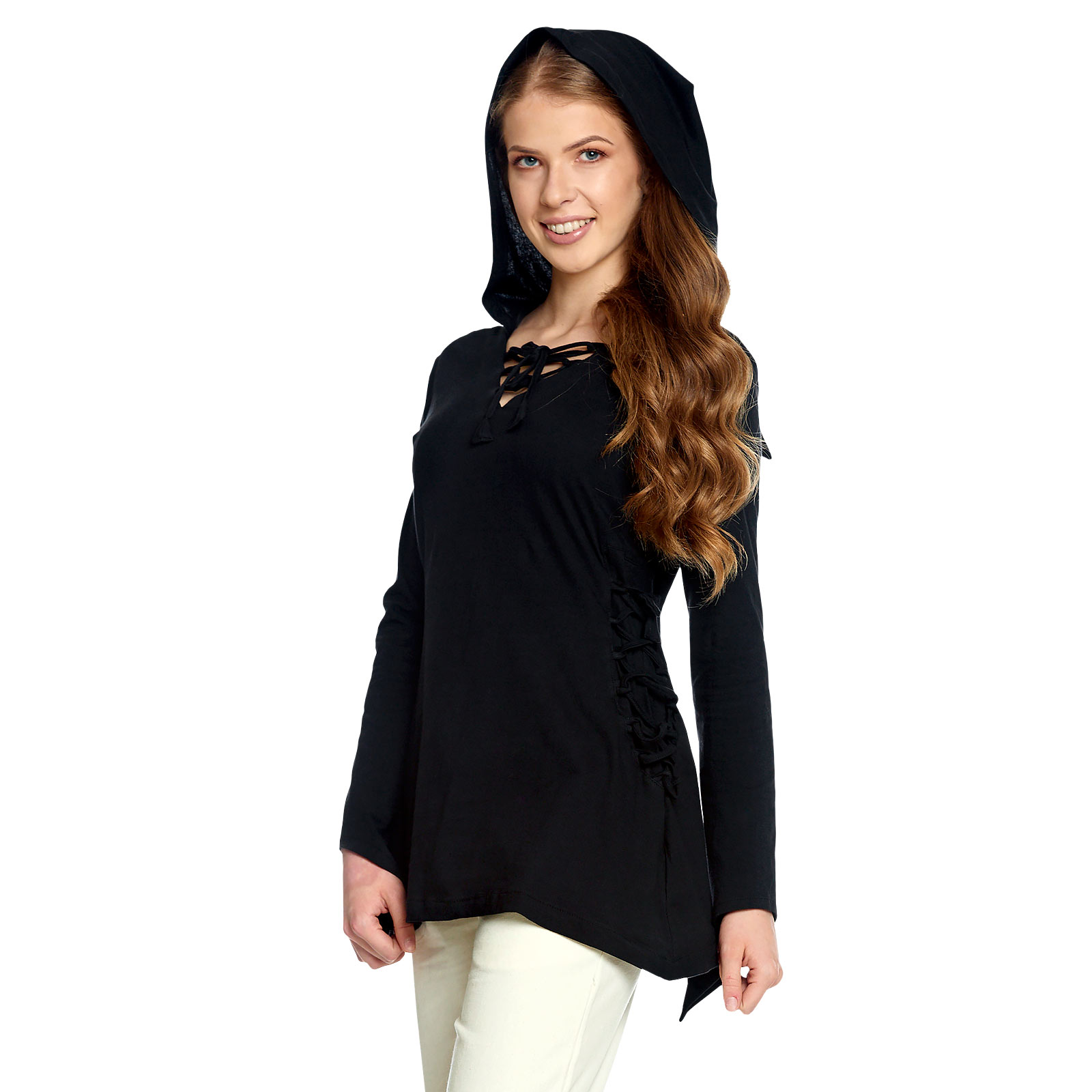
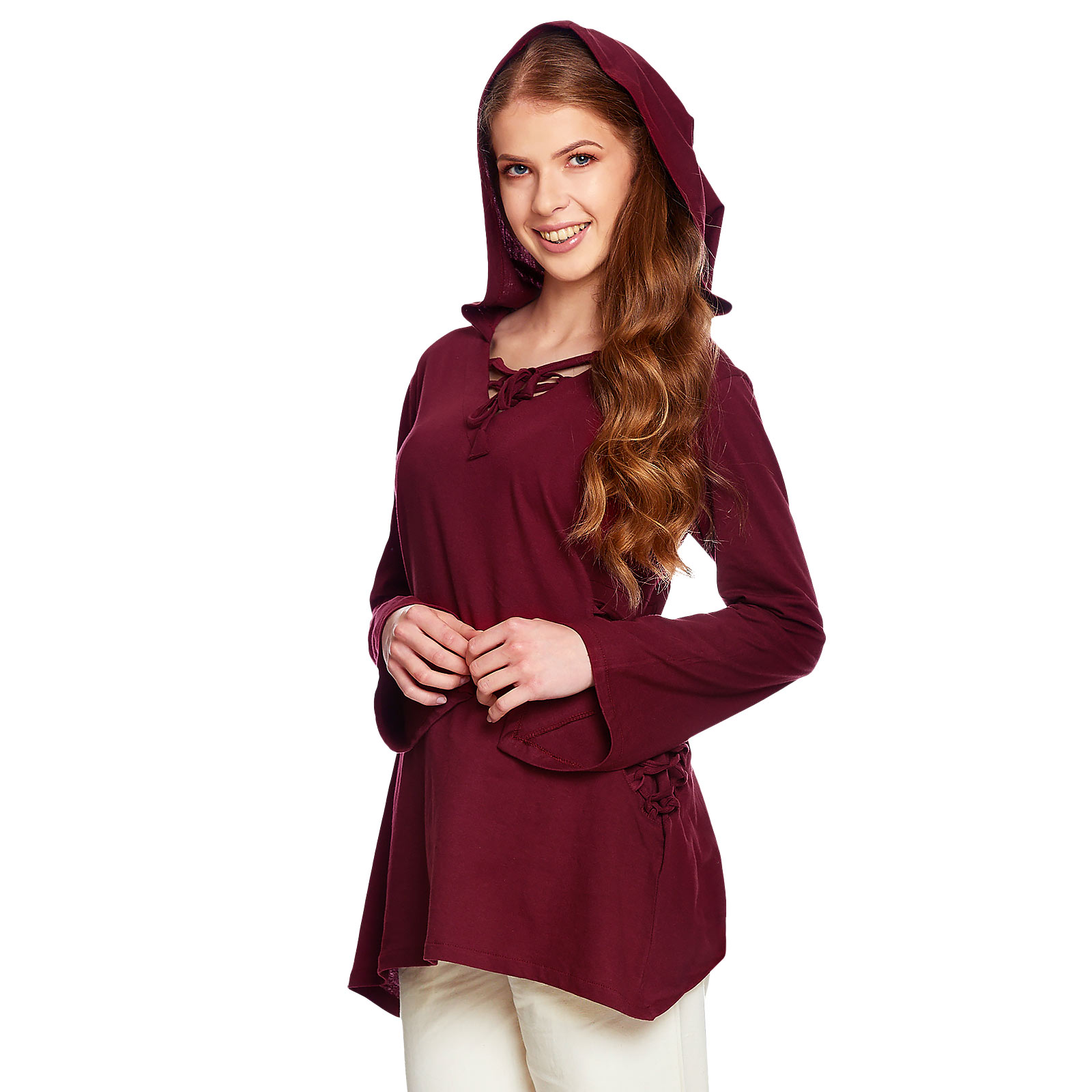
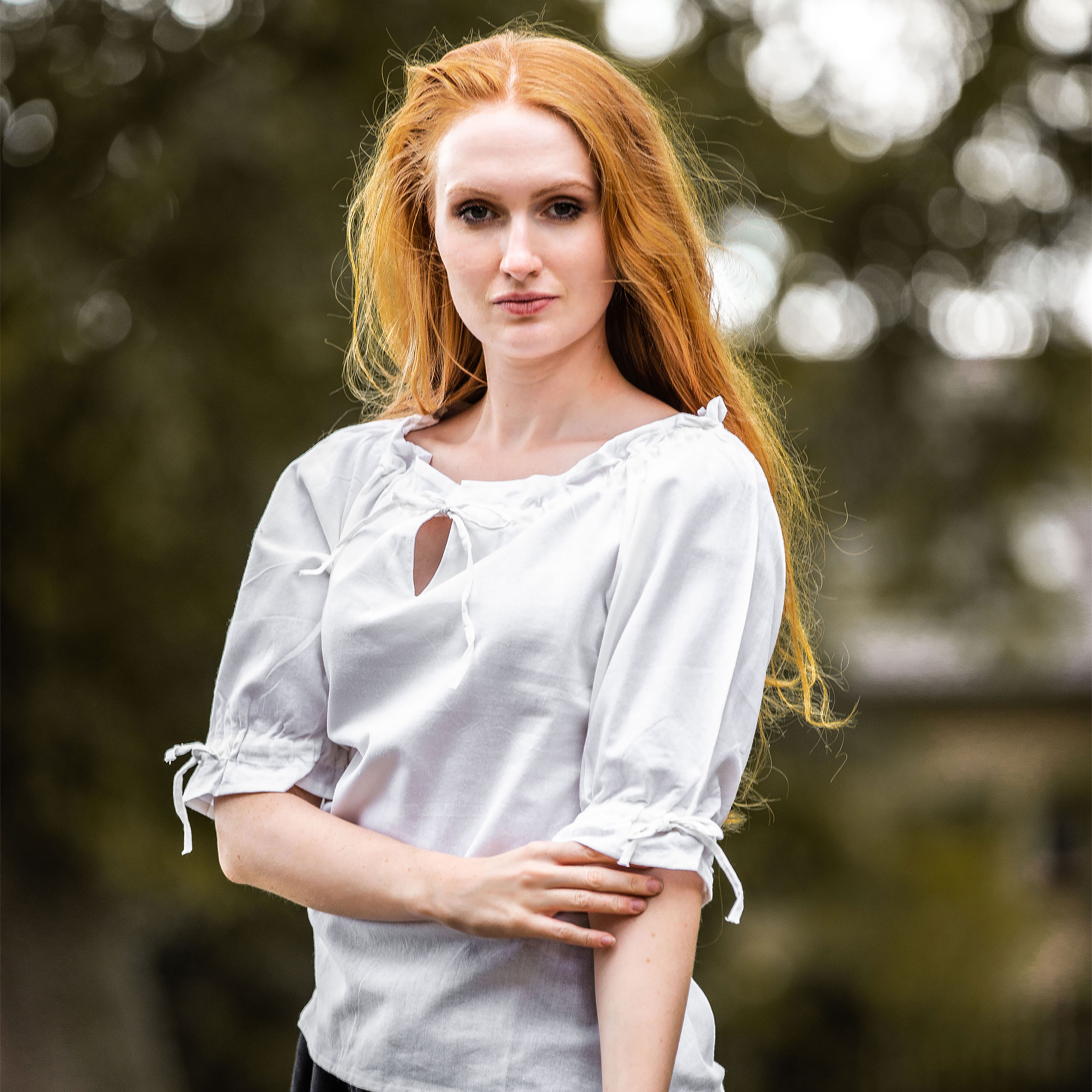
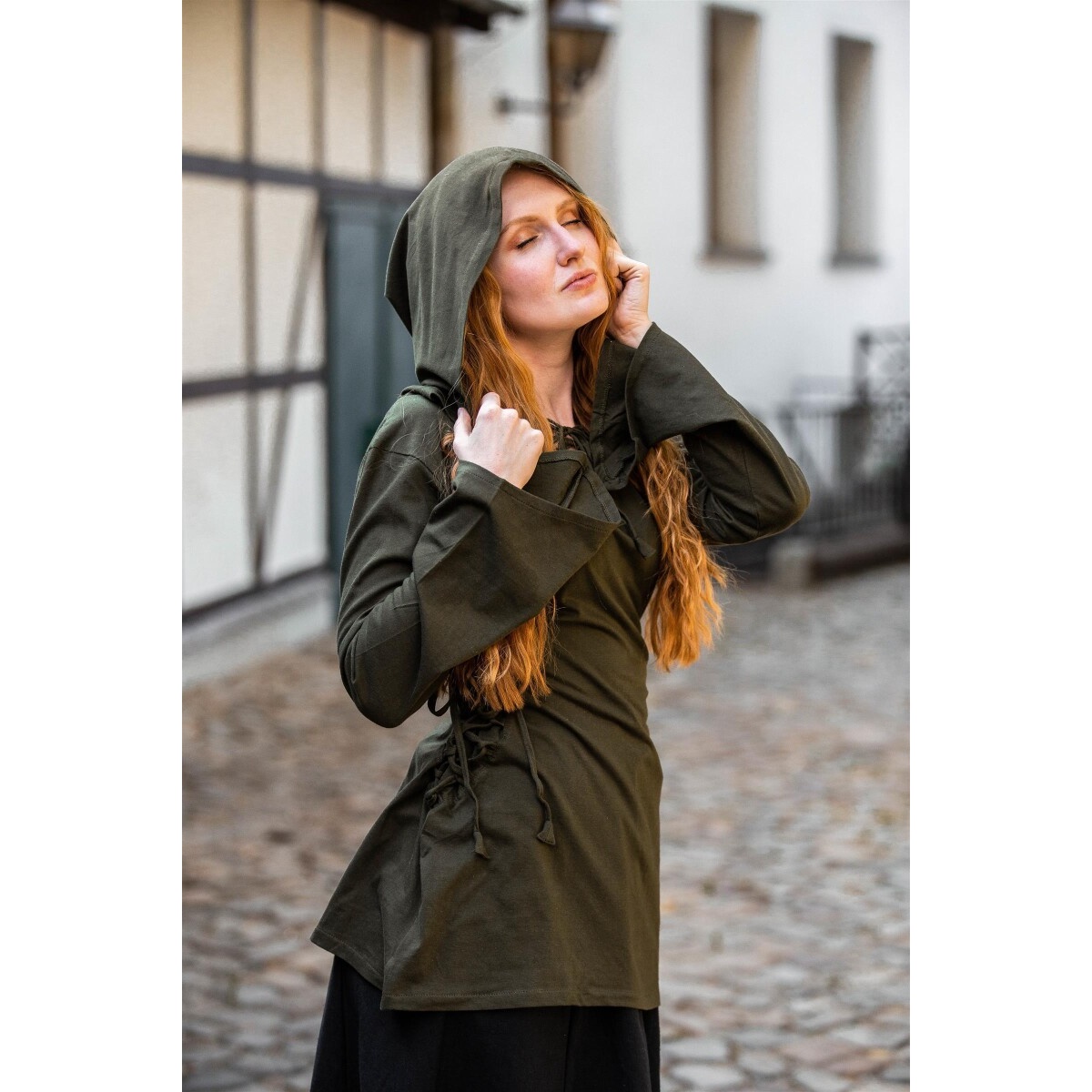
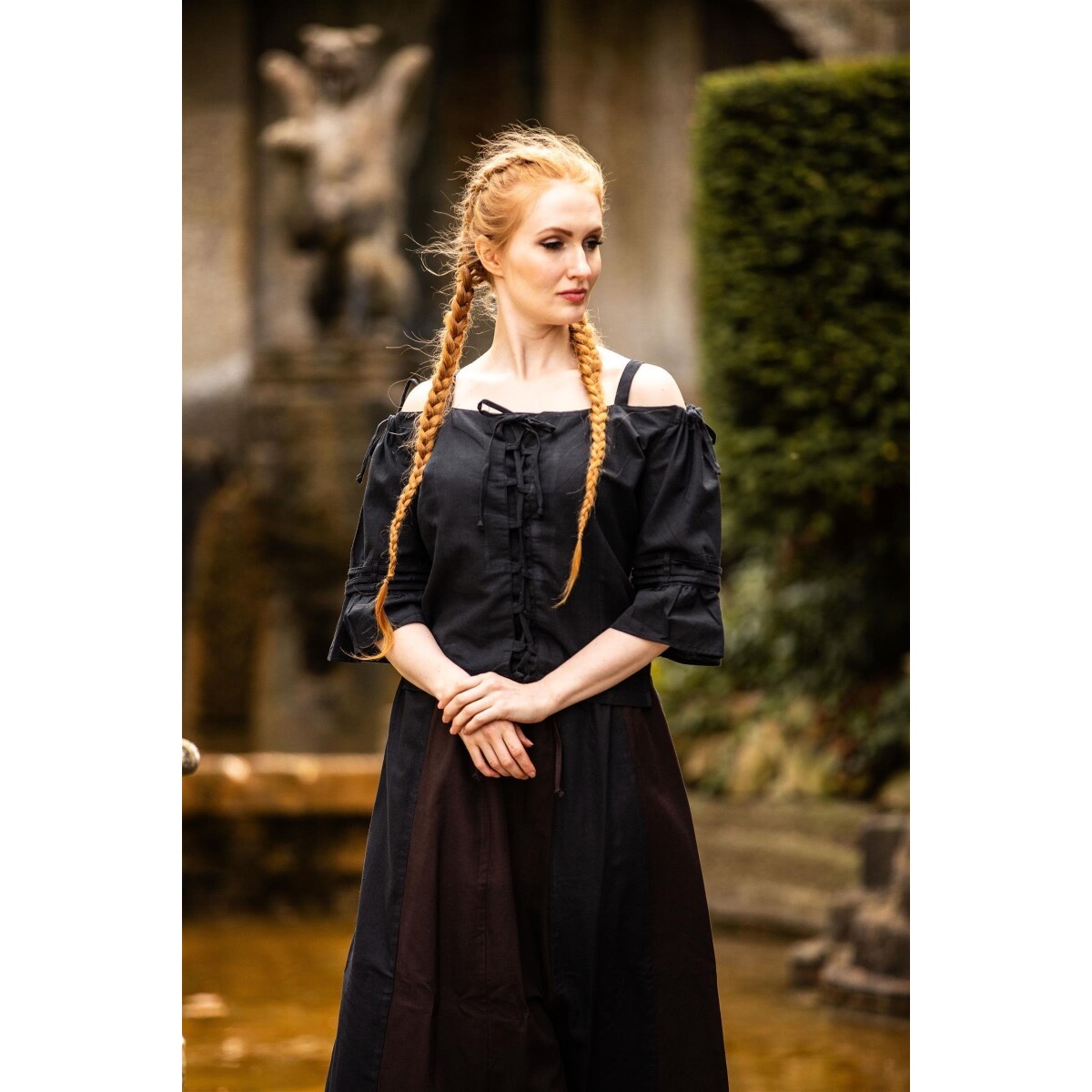
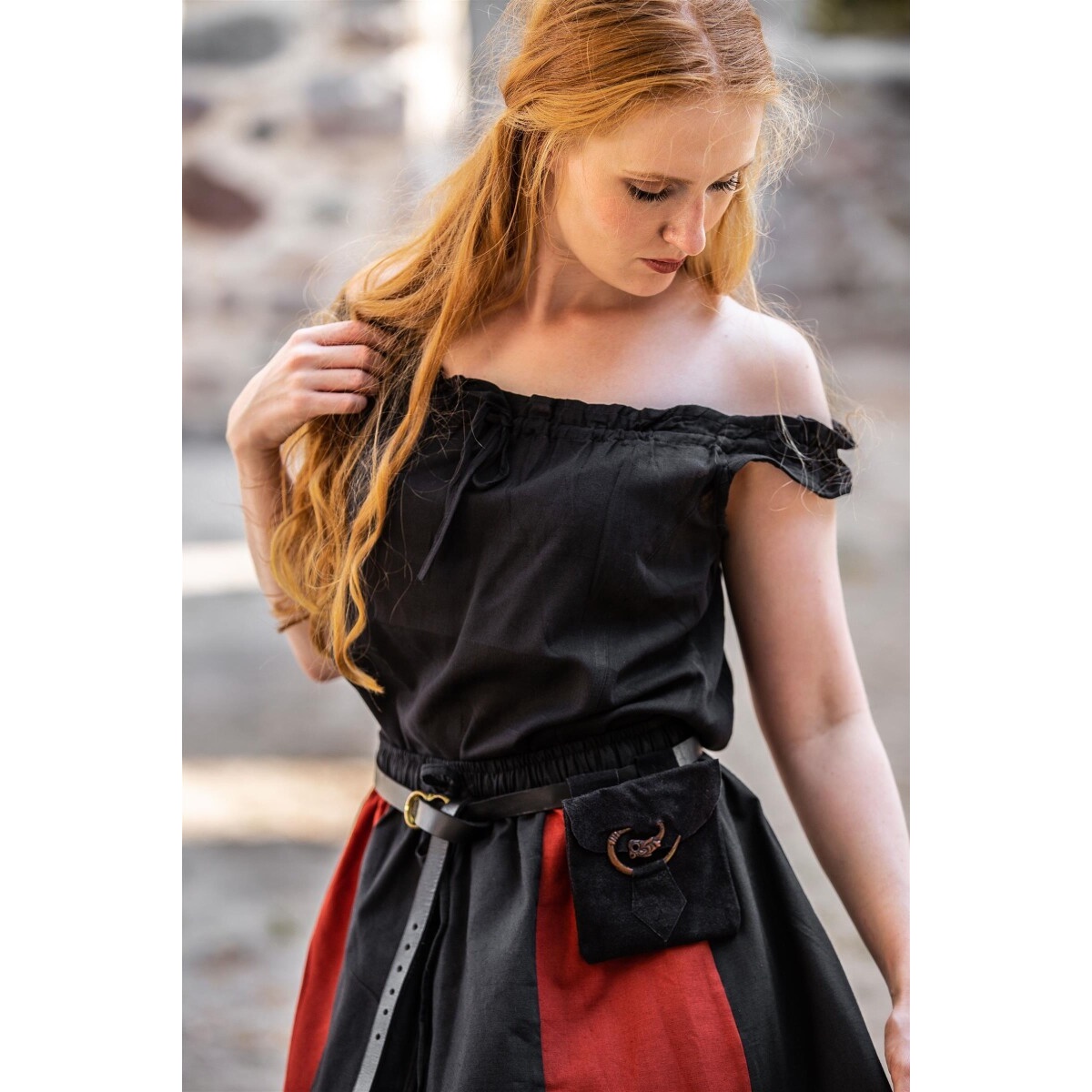
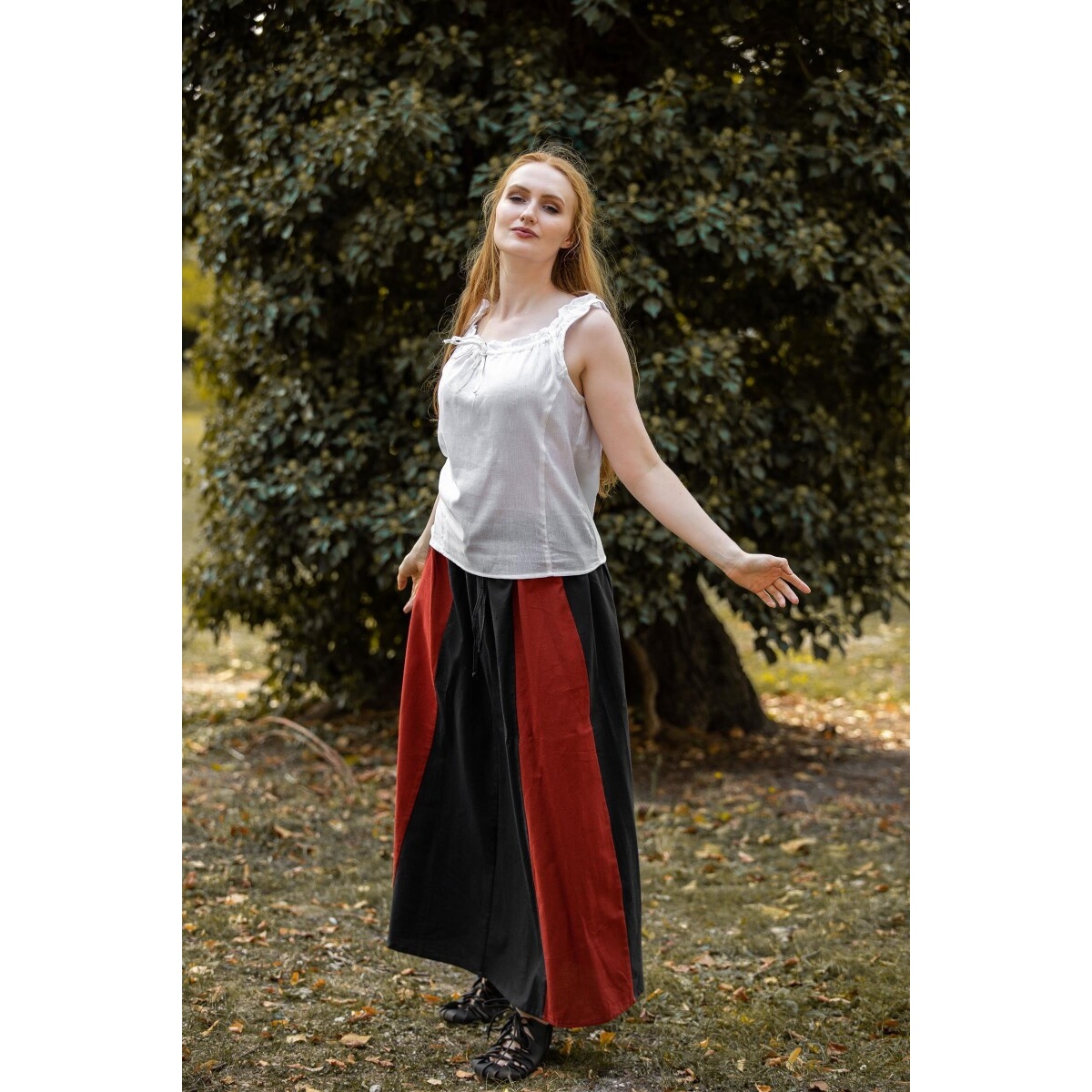
Medieval blouses derive their design language from European clothing traditions spanning roughly the 10th to 15th centuries, though modern interpretations often blend elements from the broader Renaissance period as well. Key characteristics include voluminous sleeves — either gathered at the wrist or left dramatically open — necklines featuring lacing, drawstrings, or simple gathered construction, and a general emphasis on drape over structure. Traditional materials were linen for common folk and finer fabrics for nobility; contemporary versions typically use cotton, cotton-linen blends, or occasionally synthetic alternatives for durability. The silhouette prioritises ease of movement and layering capability, reflecting the historical need for garments that worked across seasons and activities. Unlike modern fitted tops, medieval blouses rely on gathering, lacing, and external cinching rather than tailored seams for shape.
Frequently asked questions
What materials work best for medieval blouses?
Natural fibres like cotton and linen remain the standard choices, offering breathability during warm events and a historically appropriate drape. Cotton provides easier care and softer initial texture, while linen grows more comfortable with washing and develops a characteristic lived-in appearance over time. Blended fabrics combine properties of both. For outdoor events, consider fabric weight alongside material — lighter weaves for summer festivals, heavier cotton or linen for cooler weather.
How should a medieval blouse fit?
Proper fit depends on intended layering. Blouses worn under corsets or bodices need sufficient length to stay tucked and enough ease through the body to gather without bulk. Standalone wear typically calls for a looser silhouette. Sleeve fit varies by style — peasant blouses often feature elastic or tie closures at the wrist, while more dramatic cuts leave sleeves open and flowing. Neckline adjustability through lacing or drawstrings allows the same garment to work across different styling approaches.
Can medieval blouses be worn outside of costume events?
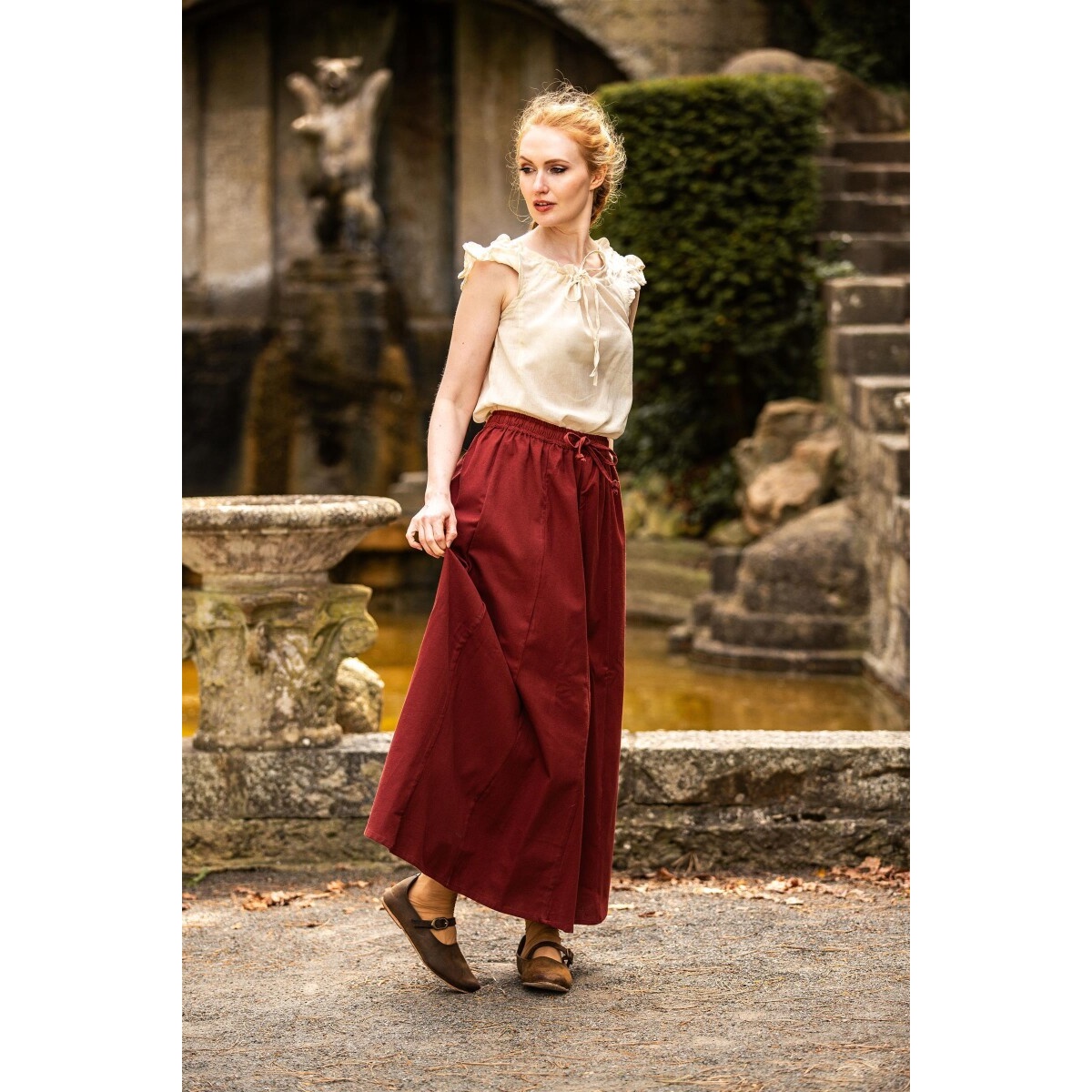
Absolutely. The peasant blouse silhouette has cycled through mainstream fashion repeatedly, and simpler medieval-inspired pieces integrate easily with contemporary wardrobes. Paired with modern trousers or skirts, a well-chosen blouse reads as bohemian rather than costume. The key lies in selecting pieces without overtly theatrical elements — moderate sleeve volume, subtle rather than prominent lacing, and natural rather than overly bright colours tend to transition best between contexts.
Assortment overview
The medieval blouses category encompasses styles suited to LARP, Renaissance faires, historical reenactment, and costume events. Designs range from simple peasant cuts to more elaborate pieces with decorative elements. Browse the selection to find options matching your specific requirements for authenticity, comfort, and intended use.
What goes well with this?
A blouse is really just the opening argument of an outfit. The full case requires supporting evidence — a corset or bodice for structured silhouettes, a vest for layered warmth, or proper medieval trousers and skirts to complete the look from the waist down. Accessories like leather belts, pouches, and period-appropriate jewellery tie everything together. And if you're committing to the full Renaissance faire experience, comfortable footwear matters more than you think it will at 9am and exactly as much as you feared by 4pm.