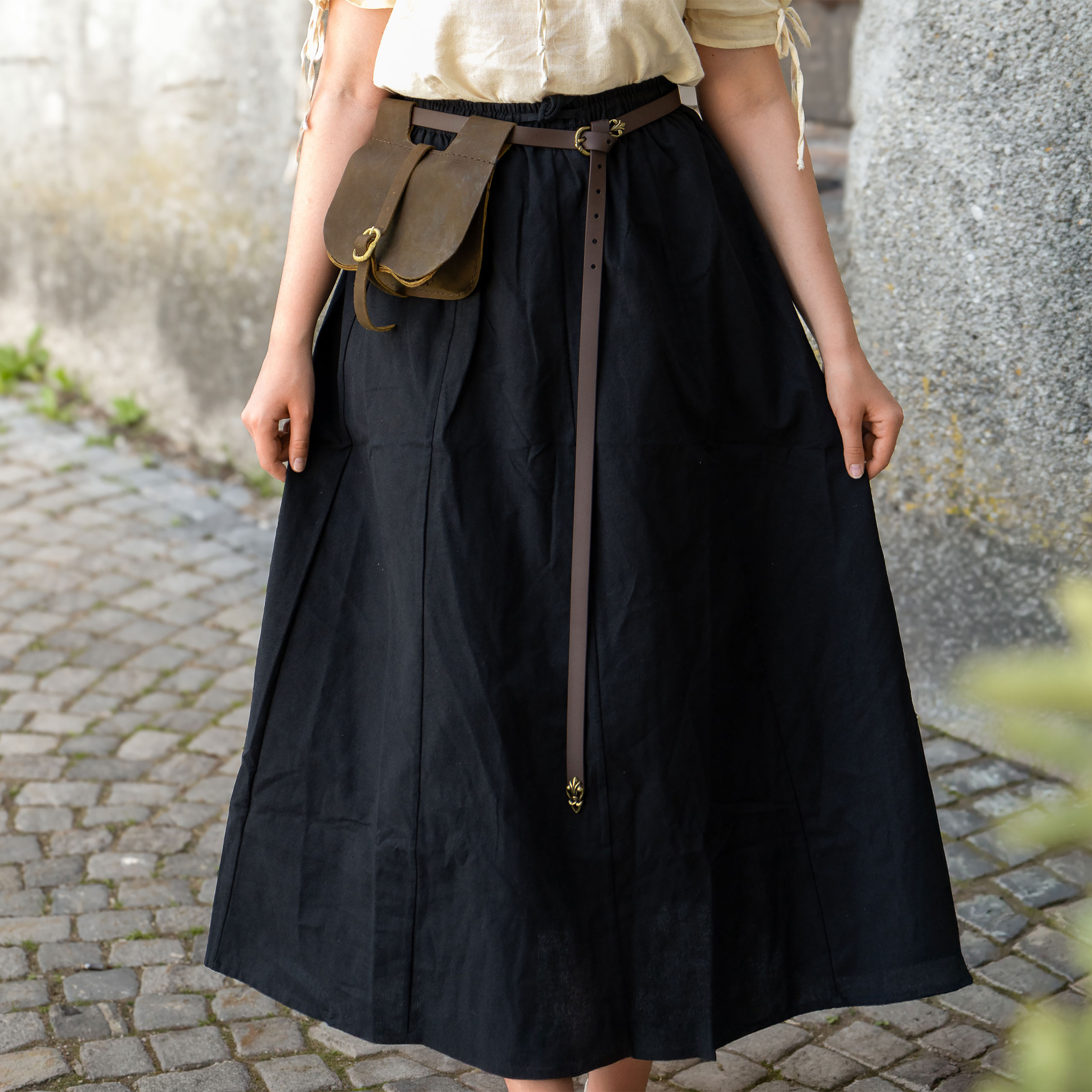
Skirts Merchandise – Where Wardrobes Meet the Middle Ages
There's something about a well-cut medieval skirt that modern fashion hasn't quite replicated — perhaps it's the drama of flowing fabric, or simply the absence of belt loops. Whatever draws you to historical styles, you're in the right place to find pieces that work for costume events, everyday wear with a twist, or that very specific aesthetic your Instagram feed has been missing.
What defines medieval skirts?
Medieval skirts are garments worn from the waist or hips, designed to reflect clothing styles from the European Middle Ages, roughly spanning the 5th to 15th centuries. Characteristic features include full, flowing silhouettes, natural fabrics, and construction methods that predate modern tailoring techniques. Historical accuracy varies — some pieces aim for period-appropriate details, while others adapt medieval aesthetics for contemporary wearability. Common elements include drawstring or tie closures, layered construction, and lengths ranging from knee to floor. These skirts serve both costume purposes and alternative fashion, appearing at renaissance faires, LARP events, medieval markets, and in everyday wardrobes of those drawn to historical or fantasy styles.
Frequently asked questions
How do I style a medieval skirt for modern wear?
Pair a medieval skirt with contemporary tops like fitted jumpers, simple blouses, or even band tees for an unexpected contrast. Ankle boots or sturdy sandals bridge the gap between historical and modern. Keep accessories minimal — a leather belt or simple jewellery prevents the look from tipping into full costume territory when that's not the goal.
What fabric works best for outdoor events?
Cotton and cotton blends offer the best balance of breathability and durability for outdoor wear. They handle sun, sweat, and the occasional mud splash better than heavier materials. For cooler weather or evening events, wool blends provide warmth without sacrificing the drape that makes medieval silhouettes distinctive.
Are medieval skirts suitable for LARP?
Absolutely, though character and setting matter. Flowing styles suit nobility, merchants, or tavern roles where freedom of movement is secondary to appearance. More active characters benefit from shorter or asymmetrical cuts that won't catch on undergrowth or trip you during dramatic escapes. Consider pockets too — historical accuracy is lovely until you need somewhere to stash your car keys.
Assortment overview
The skirts category offers pieces suited for medieval and fantasy costumes, renaissance faire attendance, LARP events, and alternative everyday fashion. You'll find variations in length, fabric weight, and closure style to match different needs and preferences. Whether you're completing a full historical ensemble or adding a single statement piece to your wardrobe, the selection covers both practical costume requirements and aesthetic-driven choices.
What goes well with this?
A skirt rarely travels alone. Corsets and bodices shape the silhouette above the waist, while blouses add layers and historical detail. Belts, pouches, and period-appropriate jewellery complete the look — because nothing breaks immersion quite like reaching for a pocket that doesn't exist. For footwear, leather boots or simple sandals maintain the aesthetic whether you're crossing a festival field or a convention floor.