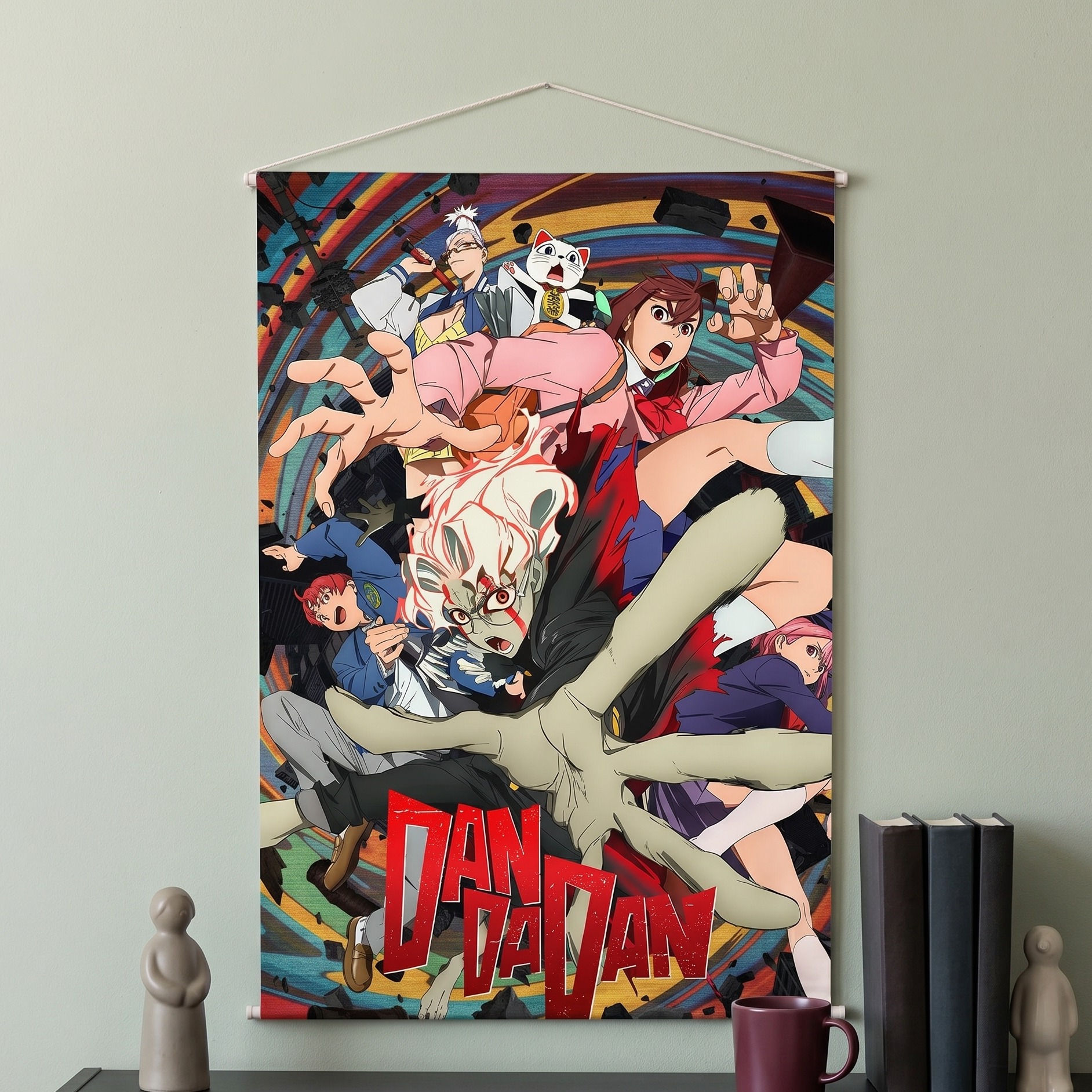
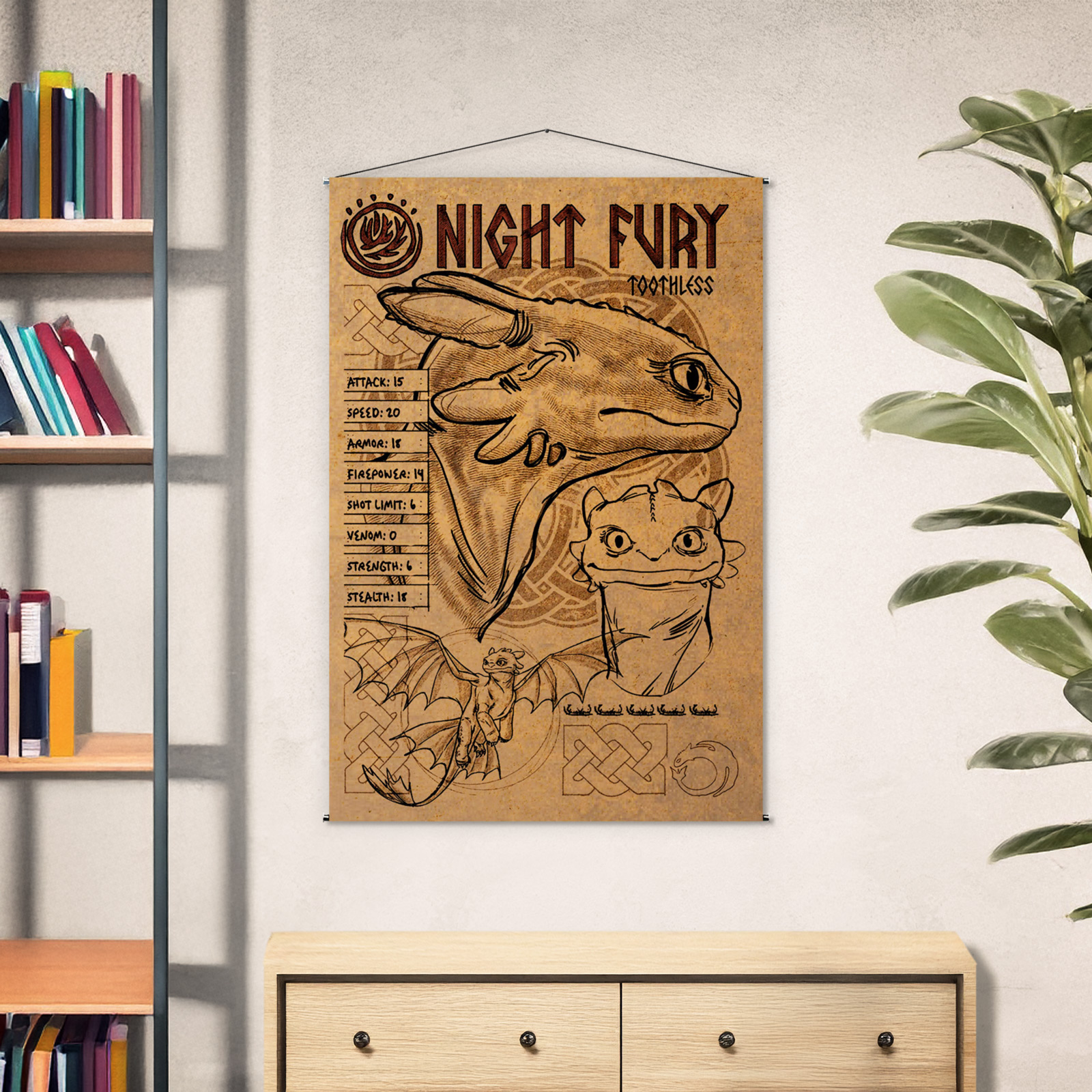
Murals – When Posters Simply Won't Cut It
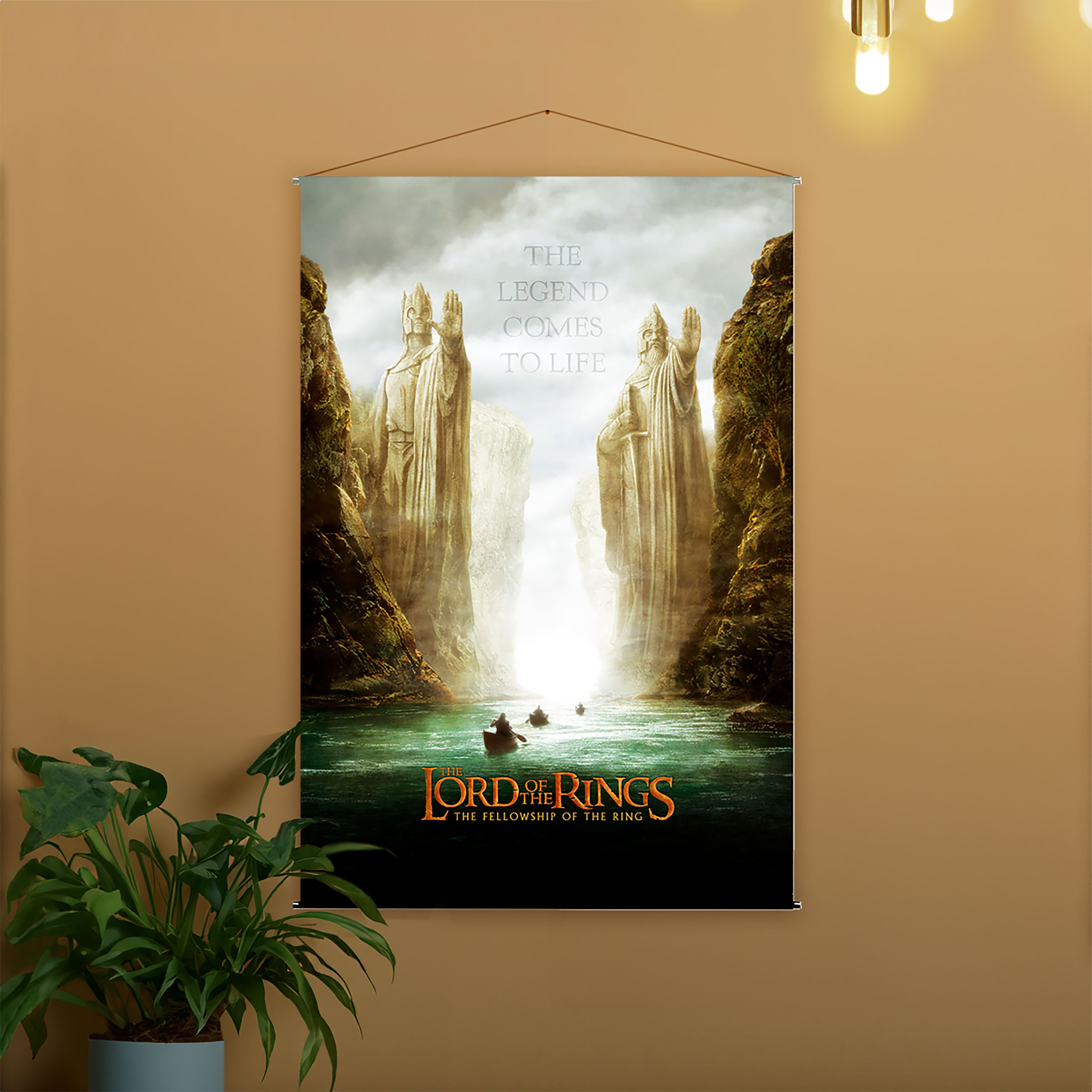
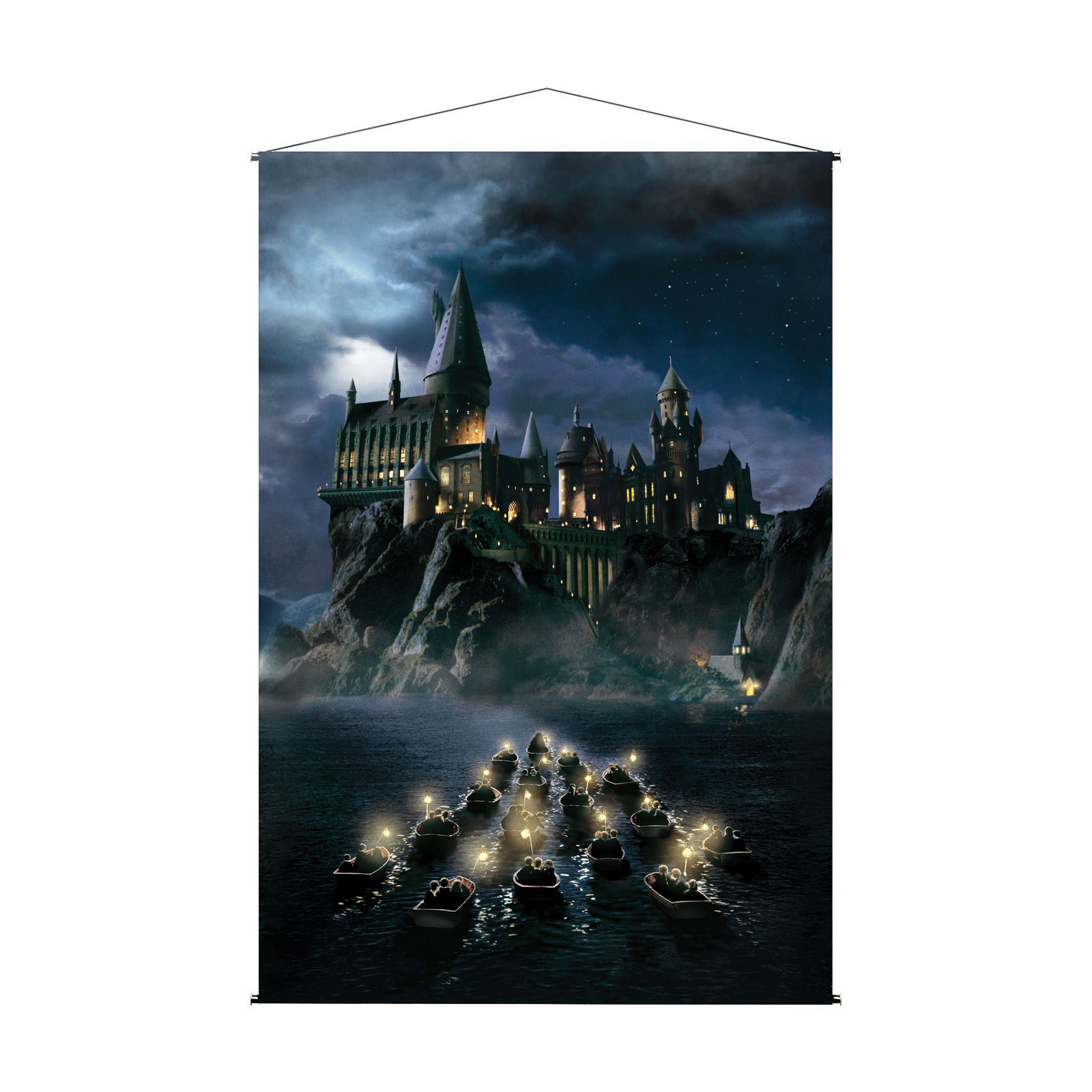
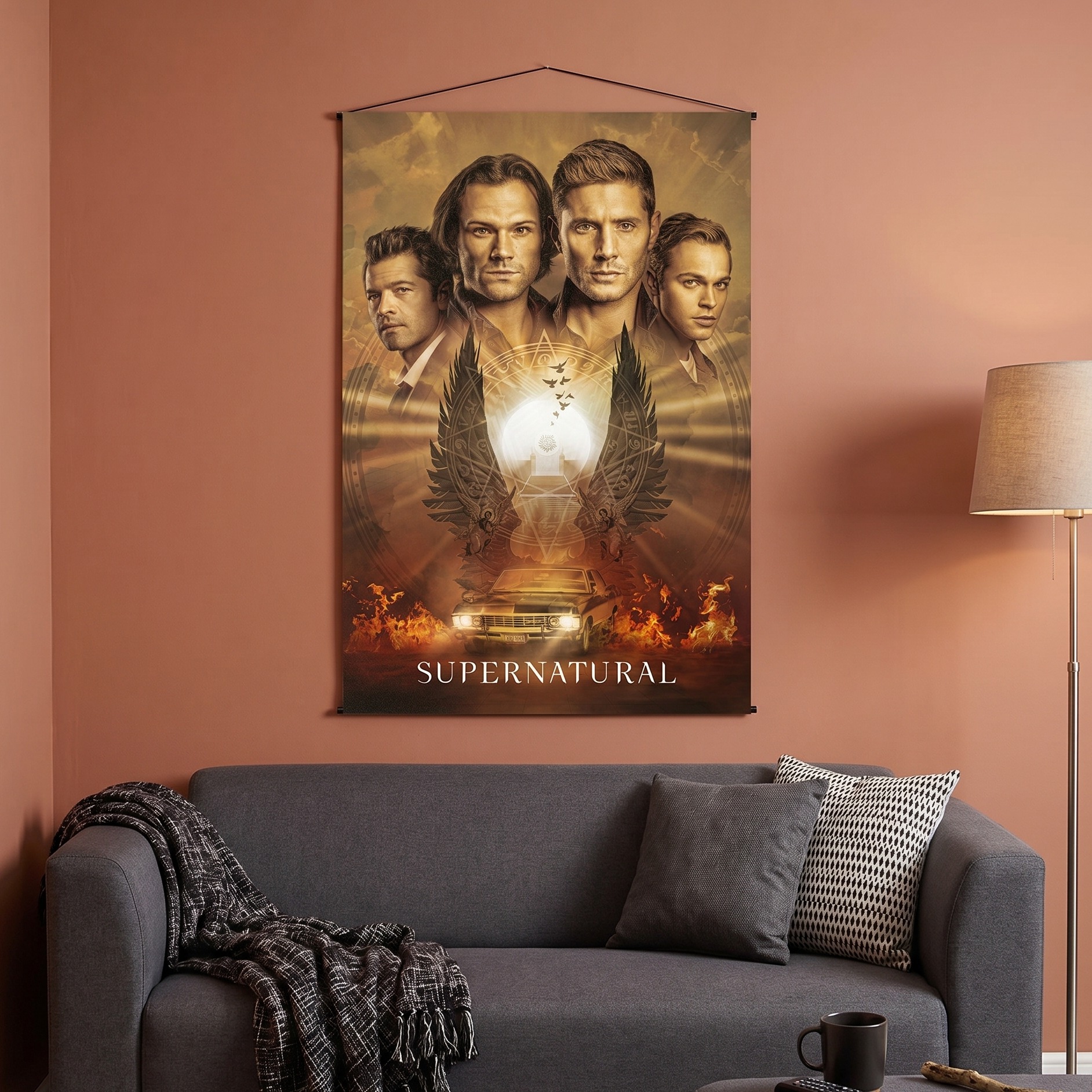
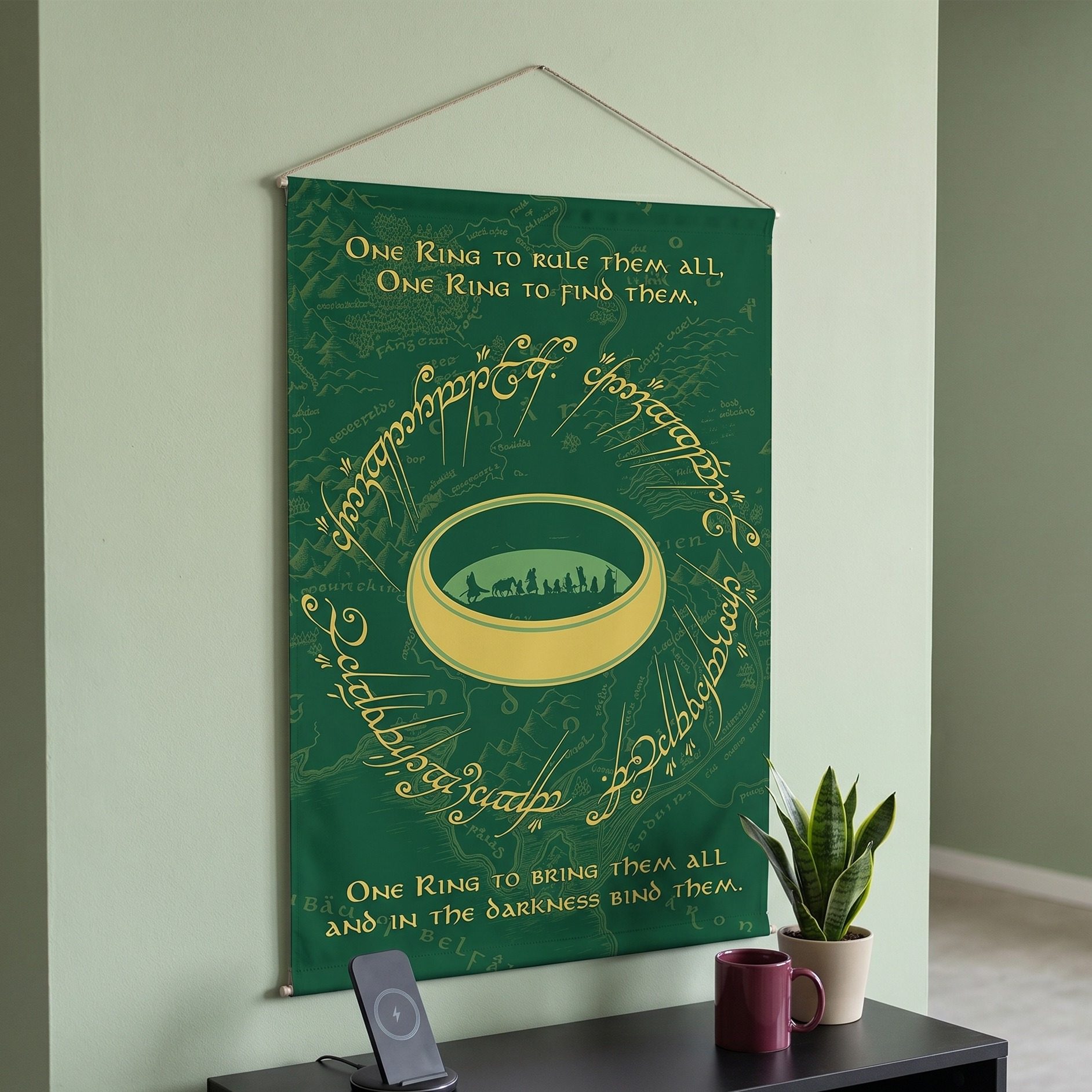
Some fans collect figures. Others wear their allegiances on their sleeves — literally. And then there are those who look at a blank wall and see wasted potential. If you've ever thought your room needed less "rented flat" energy and more "protagonist's dramatic backdrop," murals are the logical conclusion. They're not subtle. That's rather the point.
What defines Murals?
Murals represent one of the oldest forms of artistic expression, dating back to prehistoric cave paintings and reaching refined heights in Renaissance frescoes. The term derives from the Latin "murus" (wall), distinguishing this art form by its architectural integration. Unlike portable artworks, murals exist in direct relationship with their spatial context — the wall becomes canvas, and the surrounding architecture becomes frame. Contemporary murals range from hand-painted commissions to printed large-format reproductions, maintaining the tradition of transforming functional surfaces into visual narratives. The form spans genres from photorealistic landscapes to abstract compositions, fantasy scenes to pop-culture iconography.
Frequently asked questions
How do murals differ from wallpaper?
Murals feature a single cohesive image designed for specific wall dimensions, while wallpaper uses repeating patterns. A mural creates a focal point; wallpaper provides background texture. The installation process is similar, but murals require careful alignment to maintain image integrity across panels.
What wall surfaces work best for murals?
Smooth, clean, dry surfaces yield the best results. Freshly painted walls should cure for at least two weeks before mural application. Textured walls can work but may affect image clarity. Avoid surfaces with moisture issues or peeling paint, as adhesion problems will ruin both the mural and your day.
Can murals be removed without damaging walls?
This depends entirely on the mural type and adhesive used. Many modern murals use repositionable or removable adhesives suitable for rental properties. Permanent paste-applied murals require more effort to remove and may need wall repair afterward. Always check product specifications before installation if removal flexibility matters to you.
Assortment overview
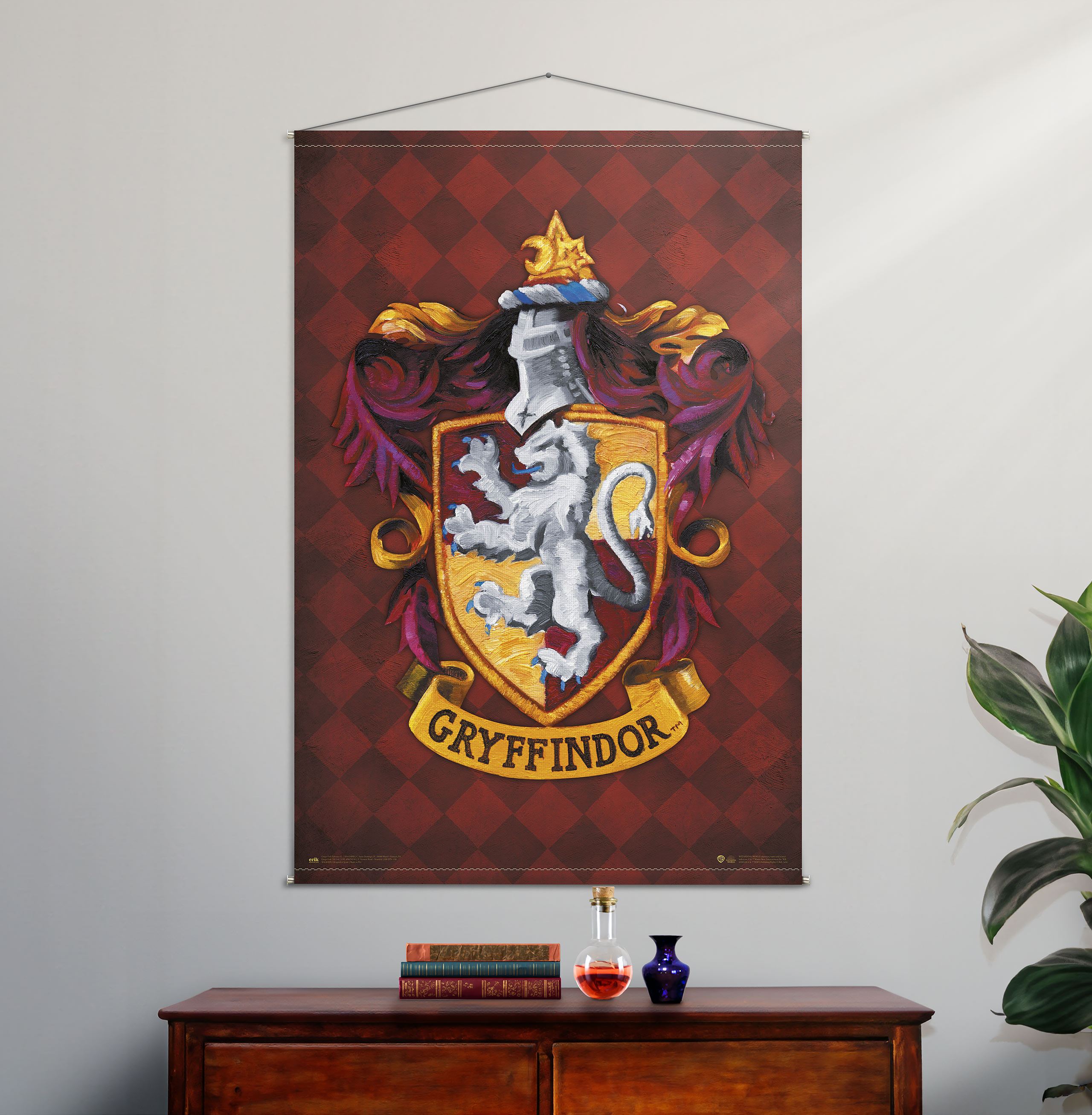
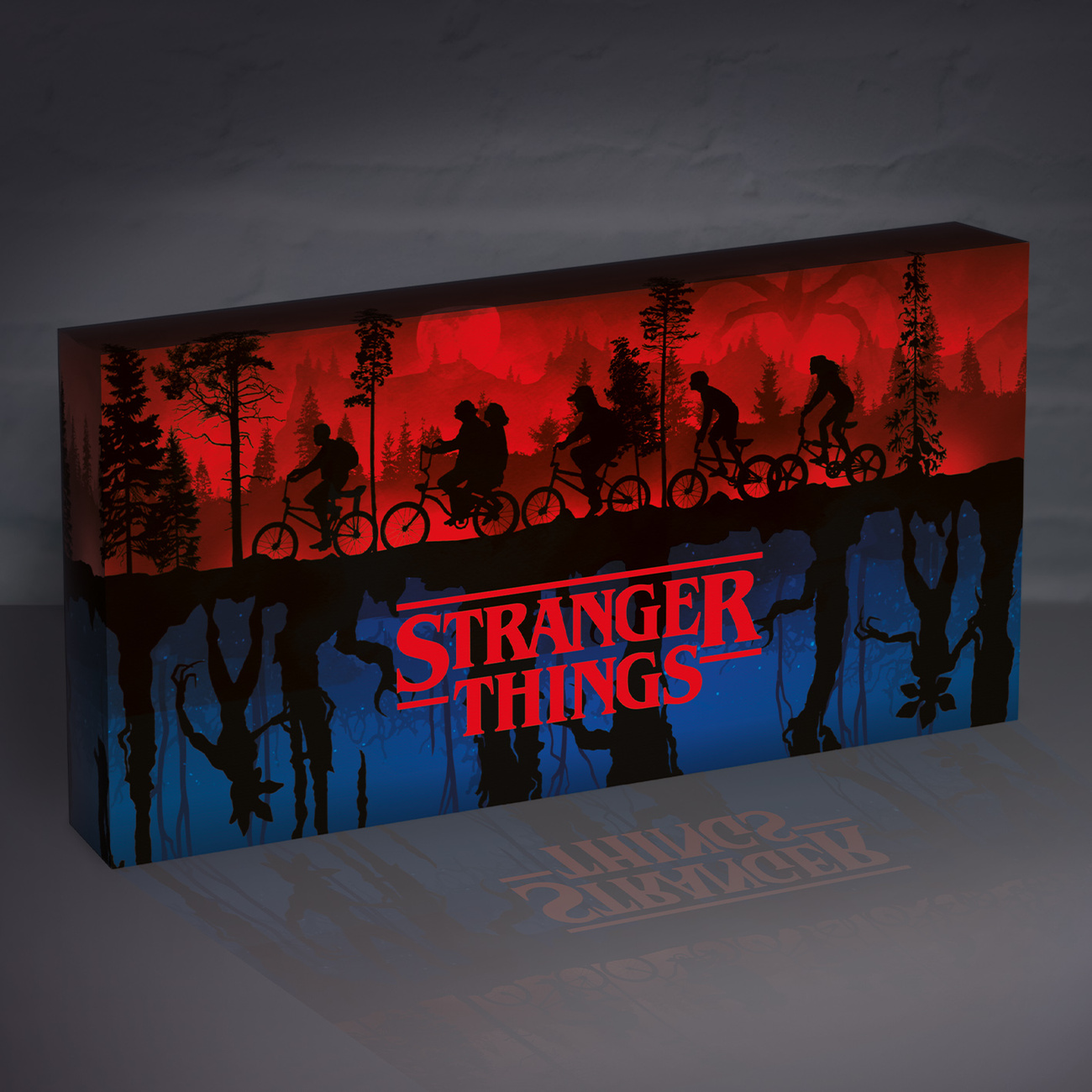
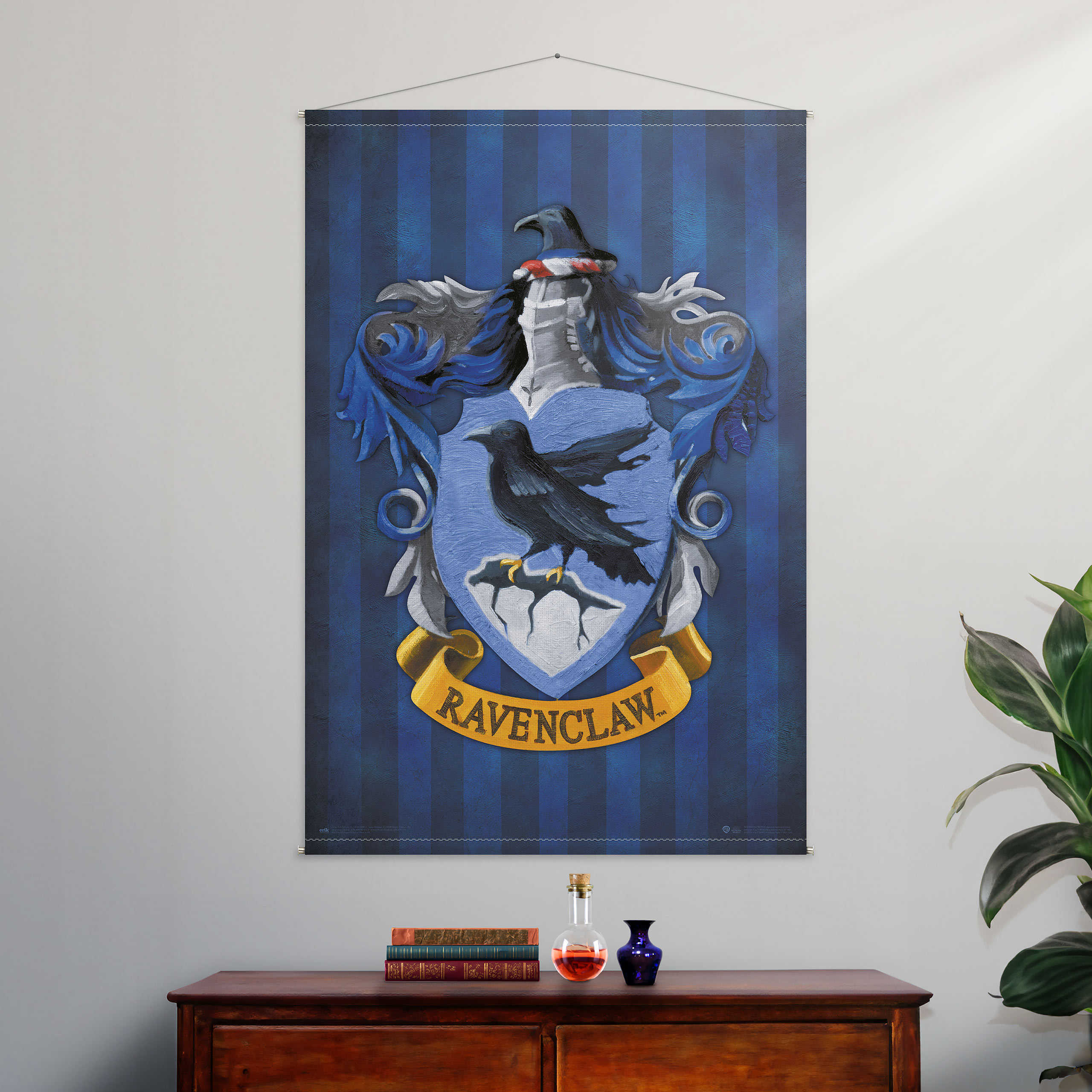
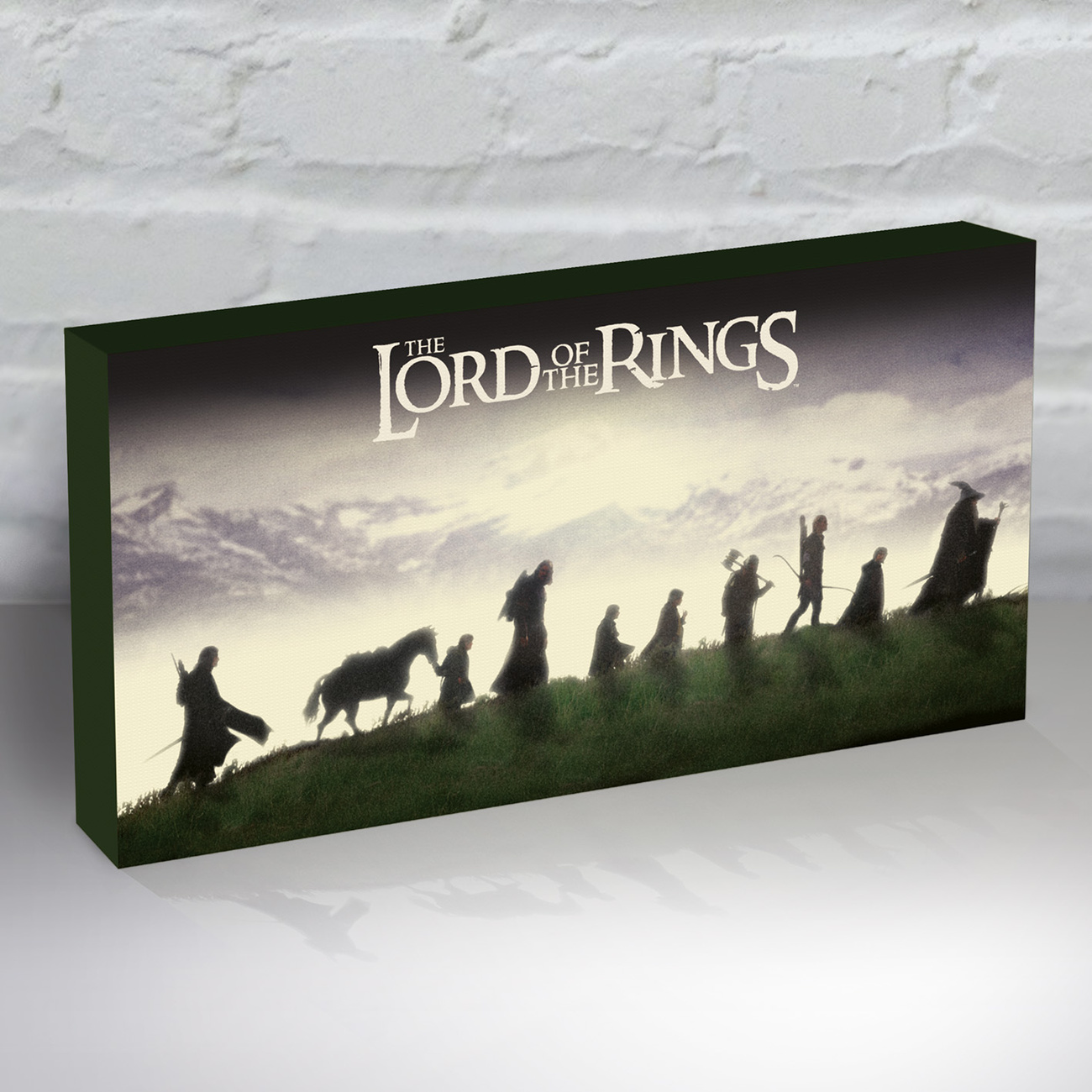
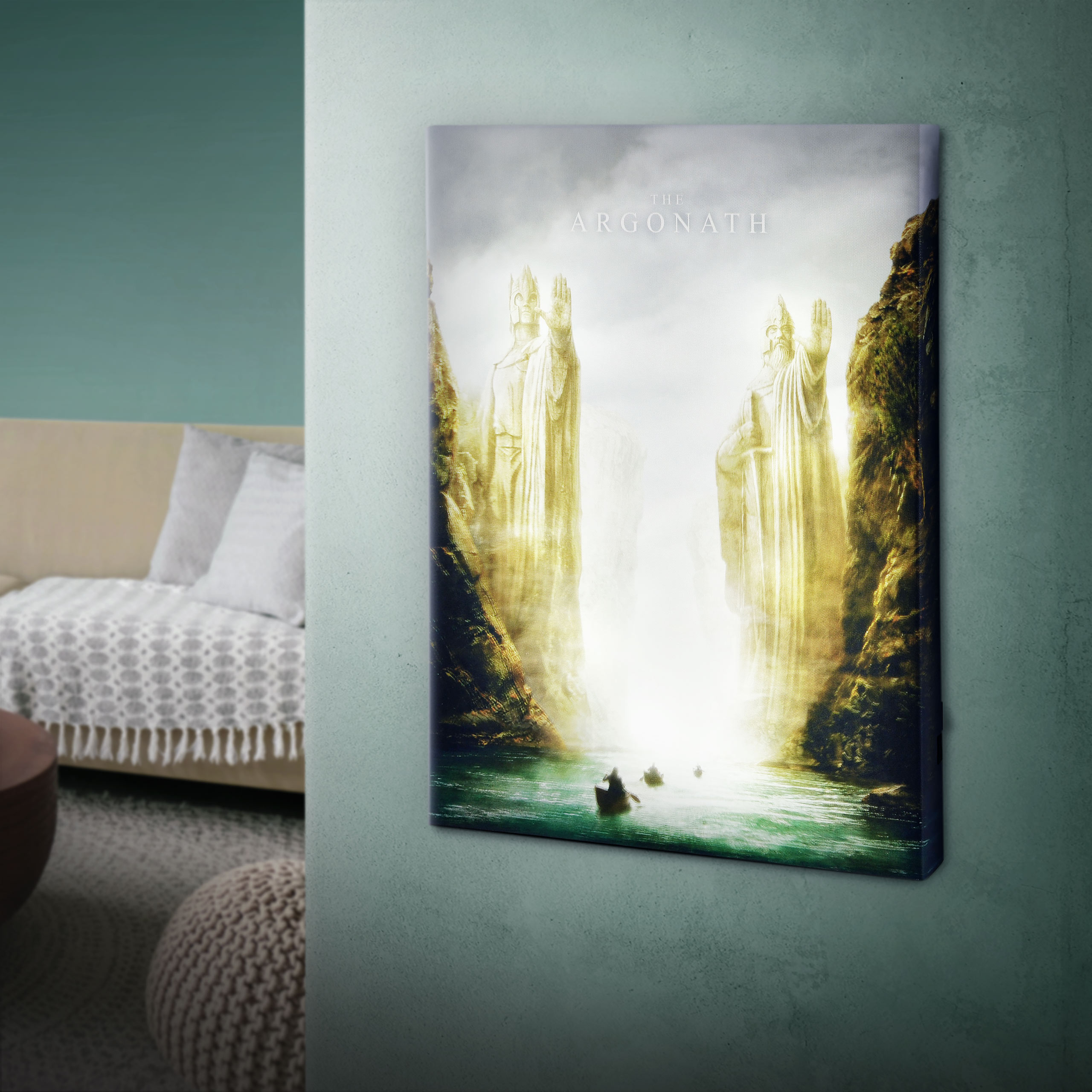
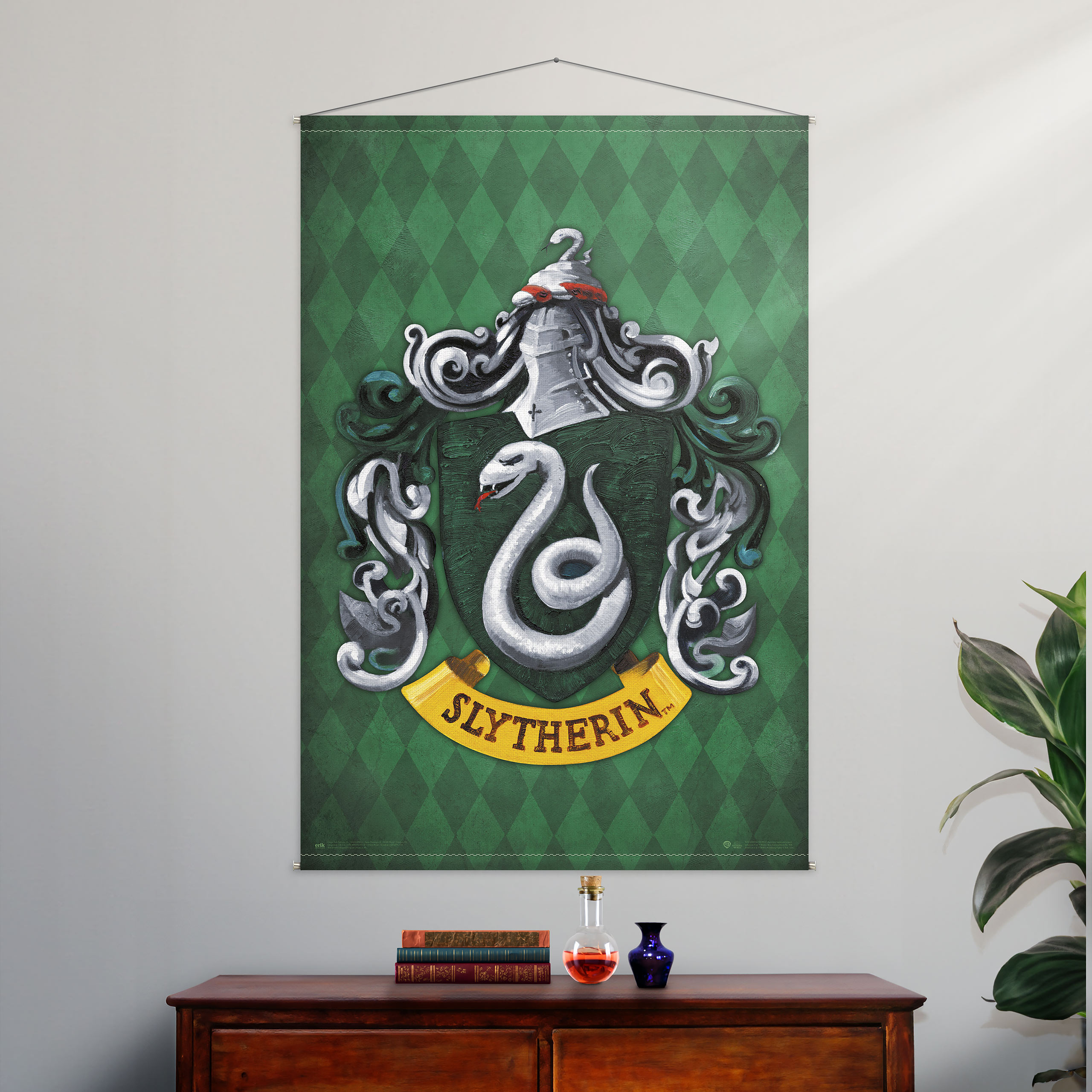
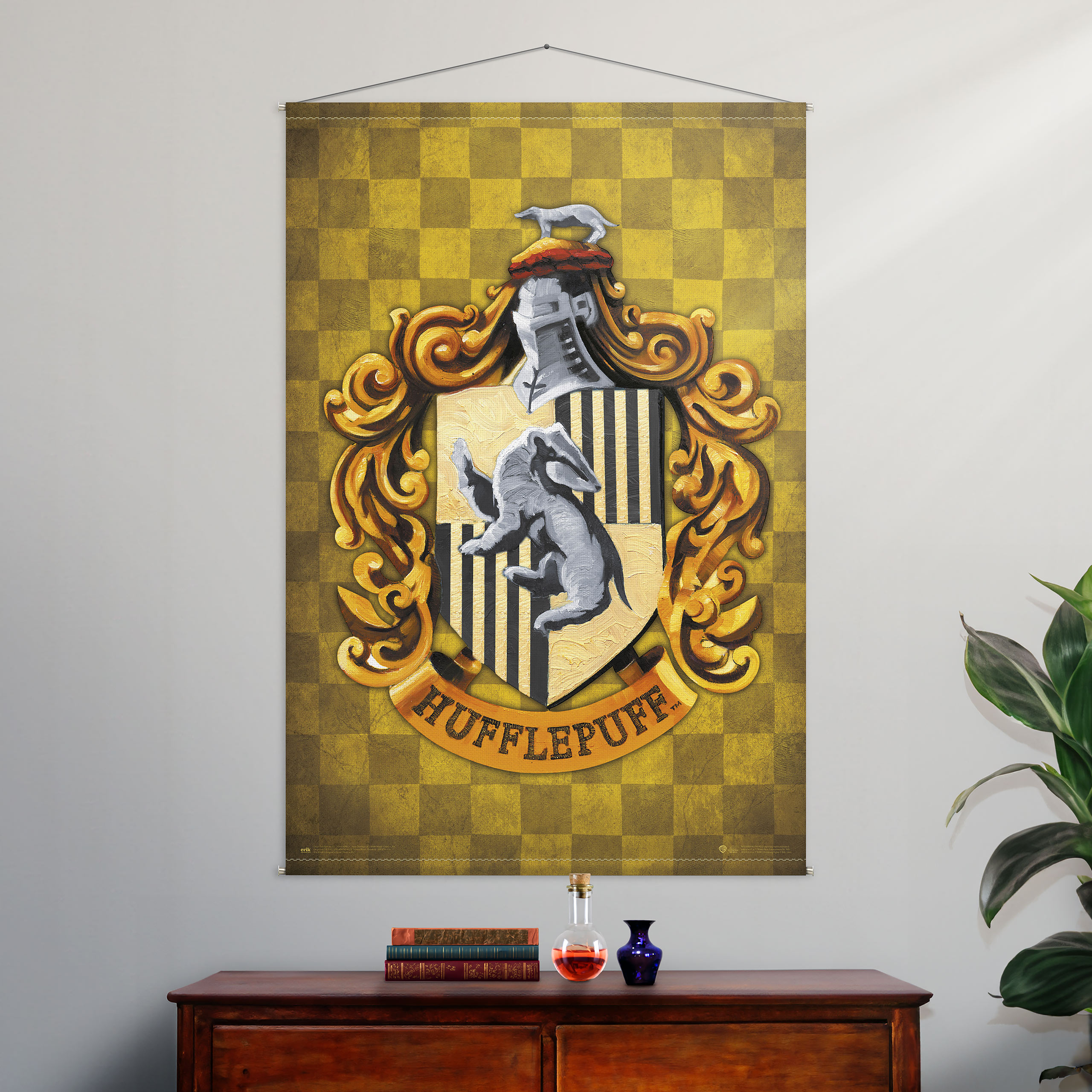
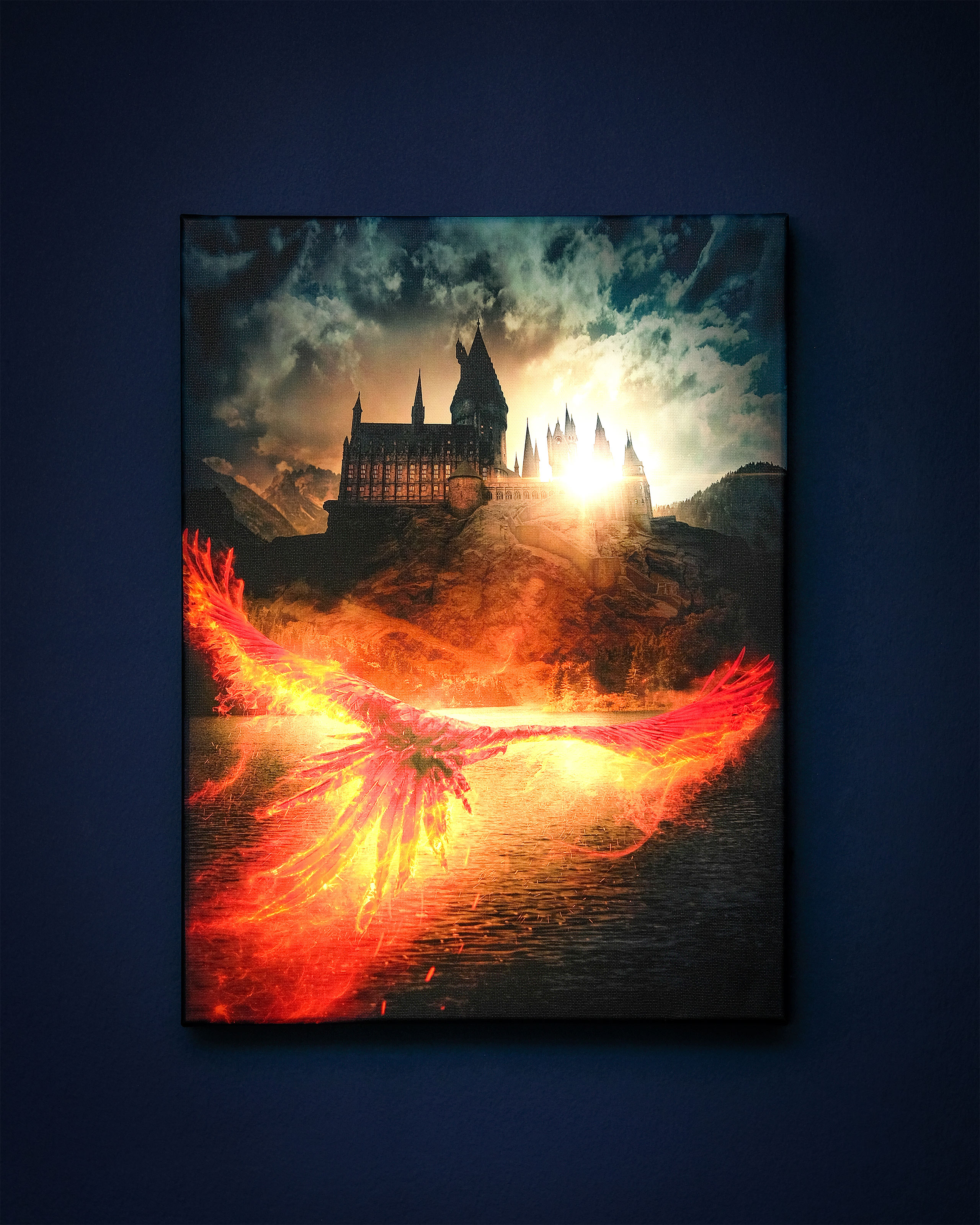
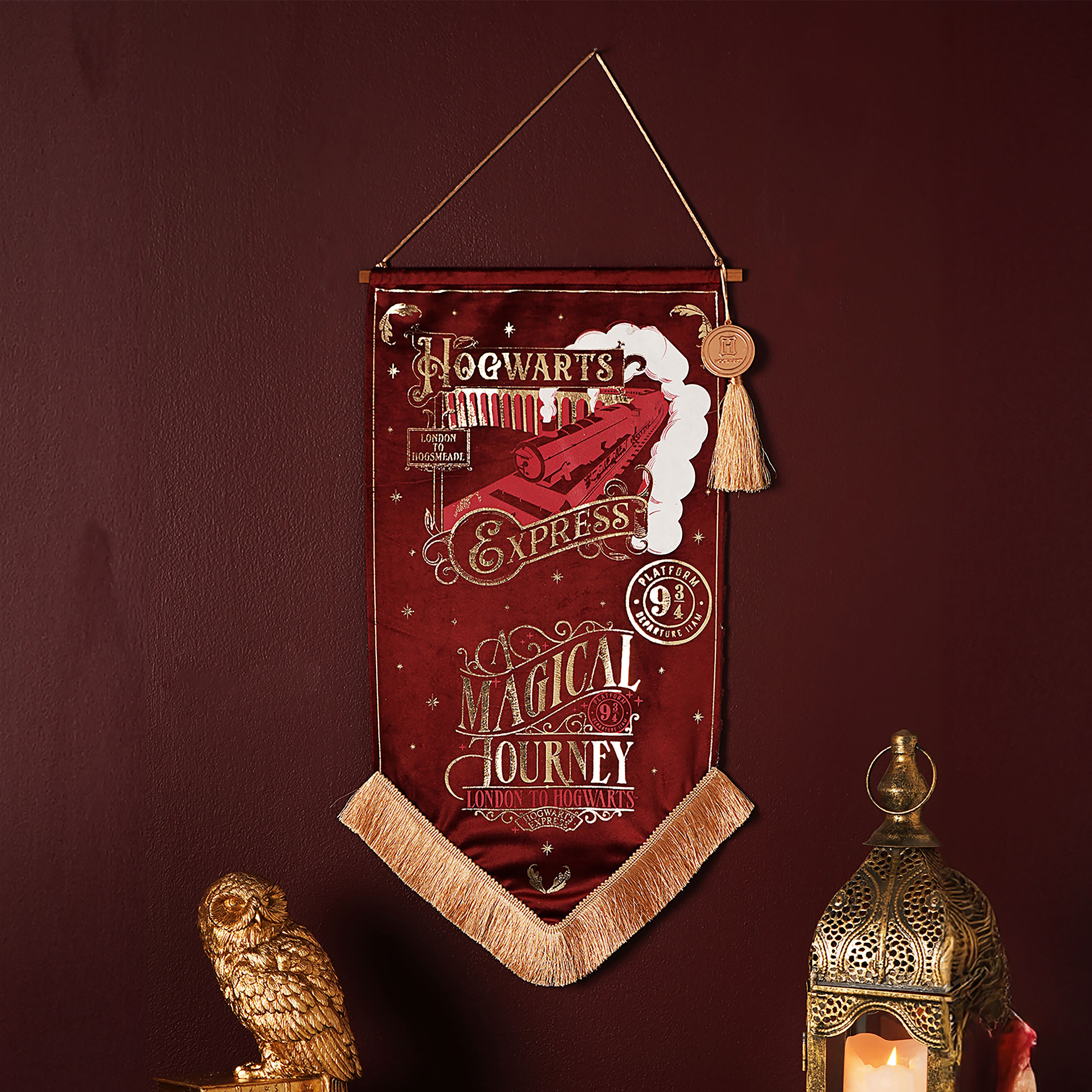
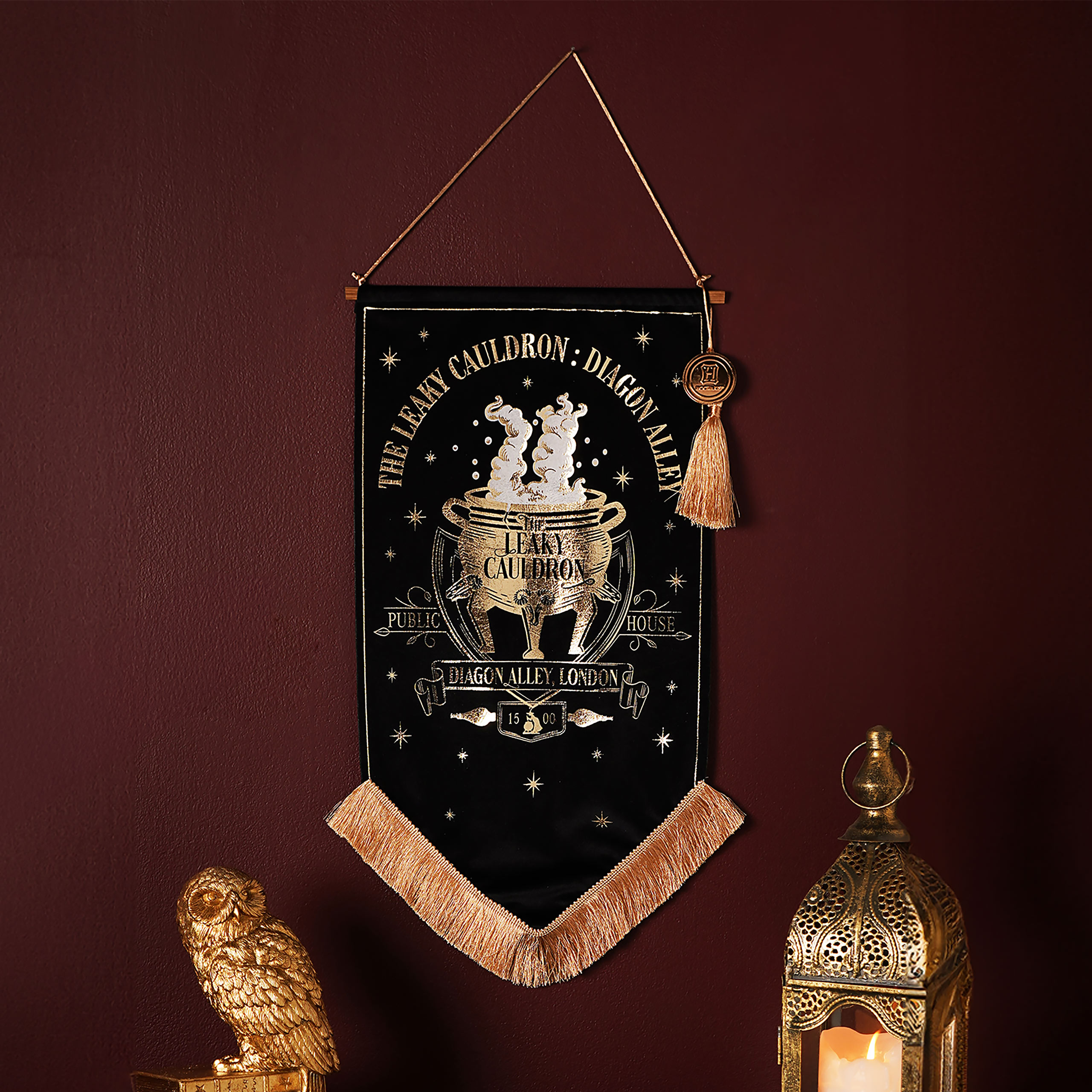
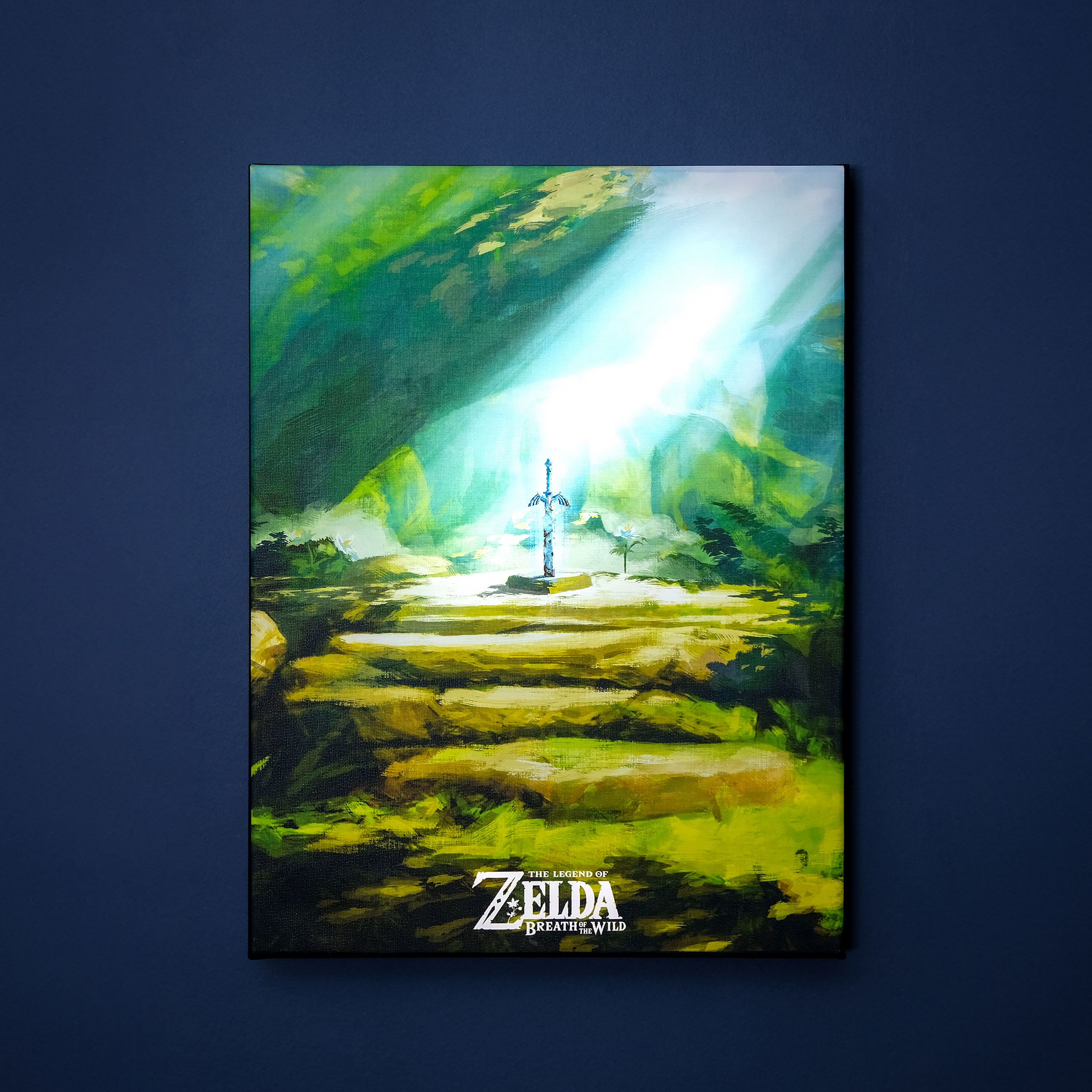
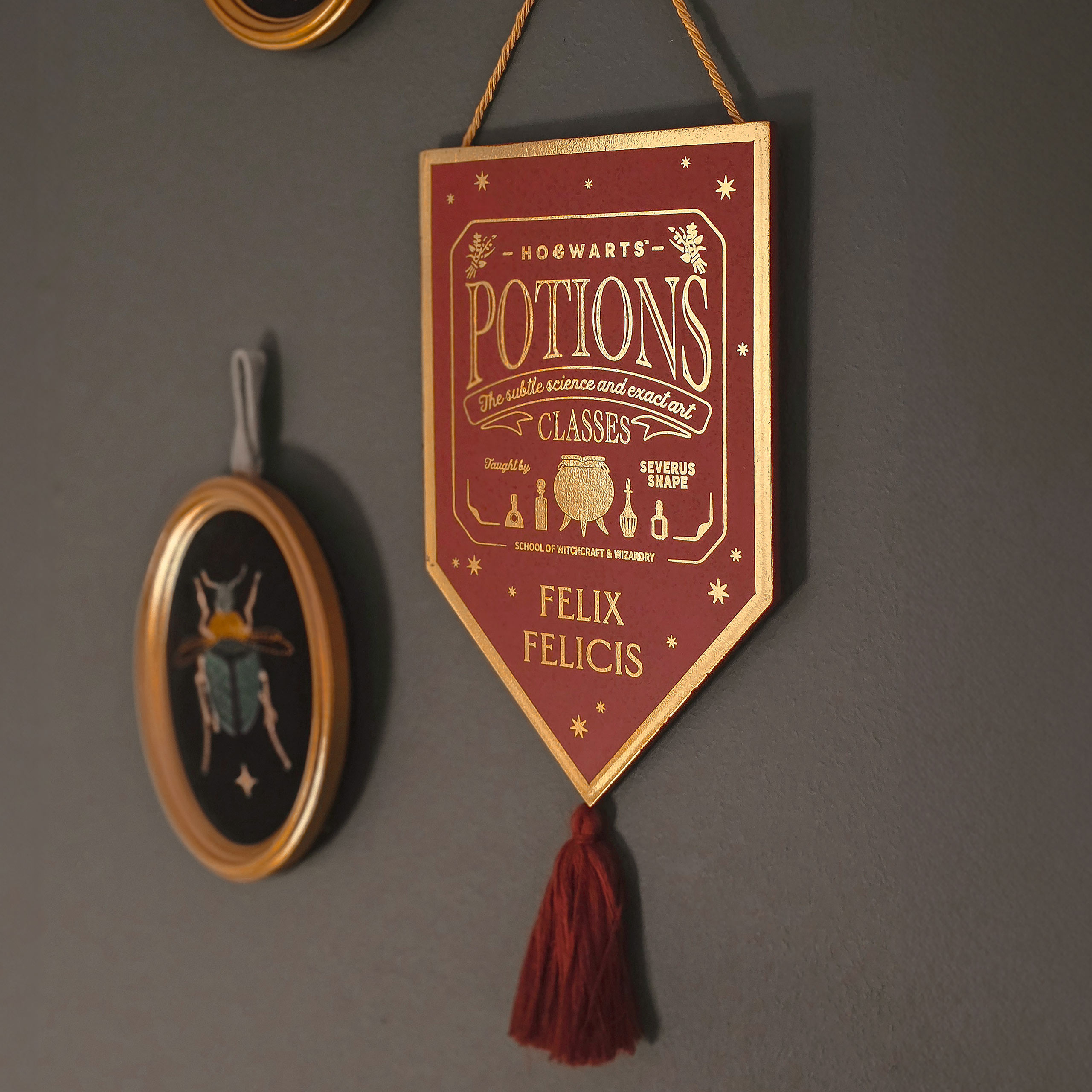
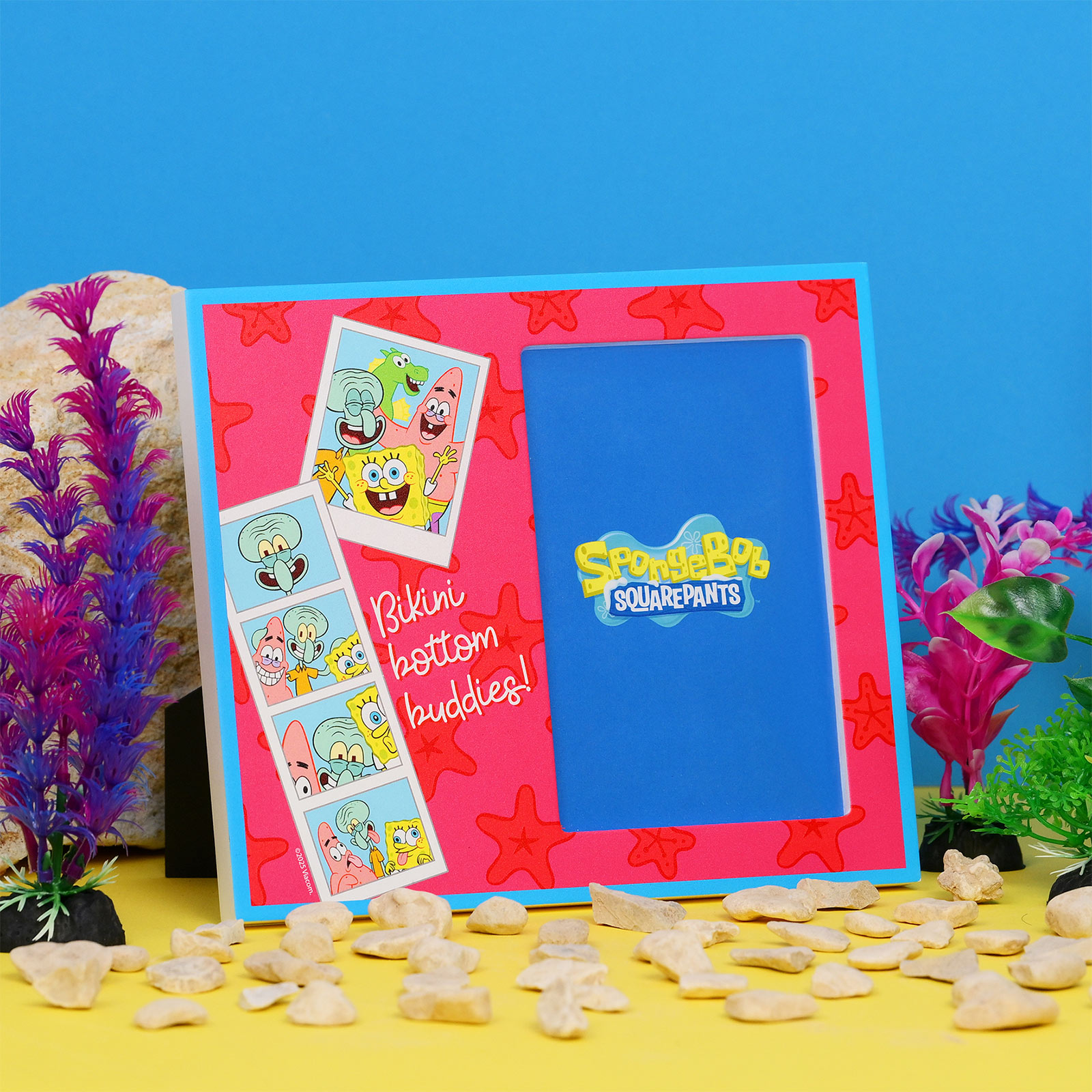
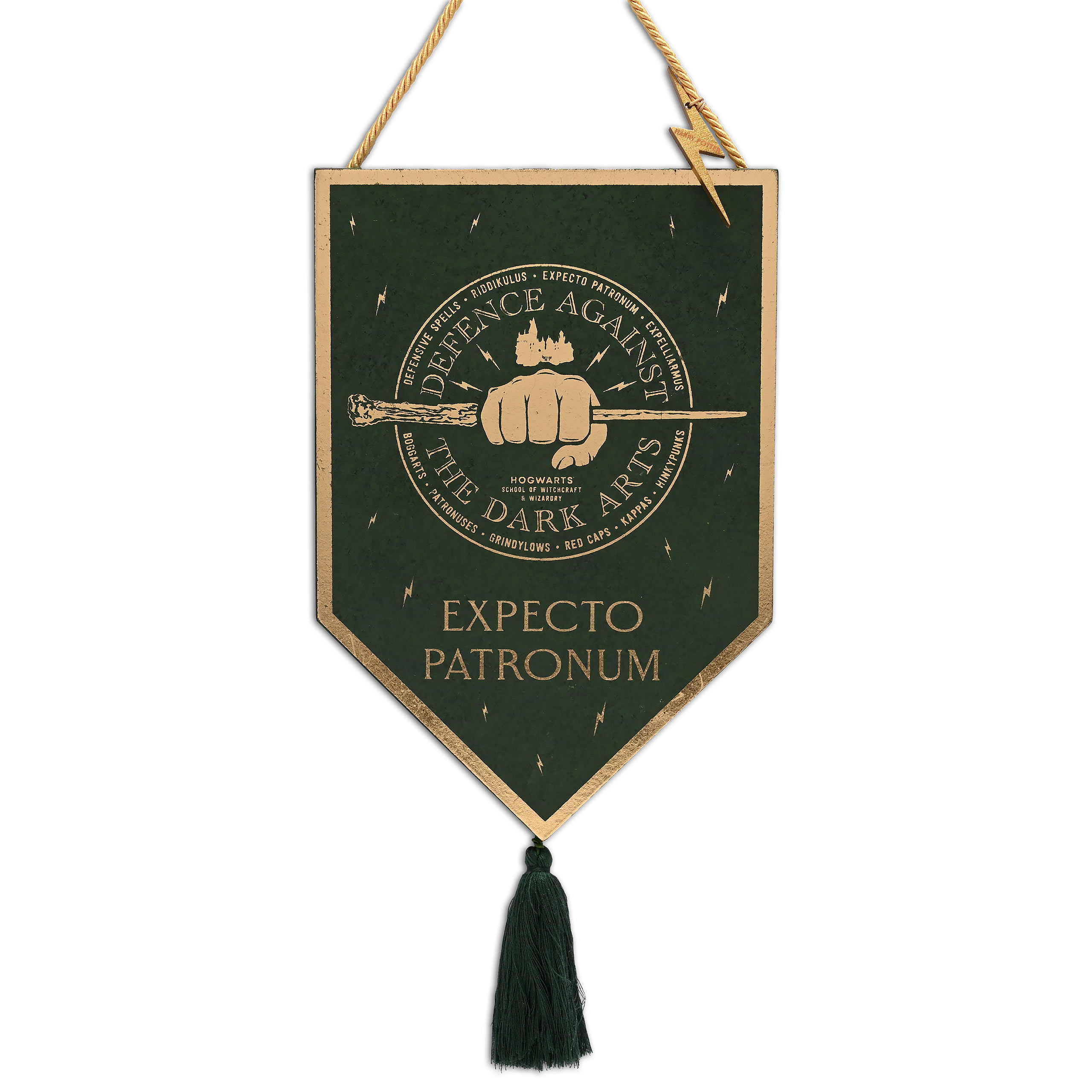
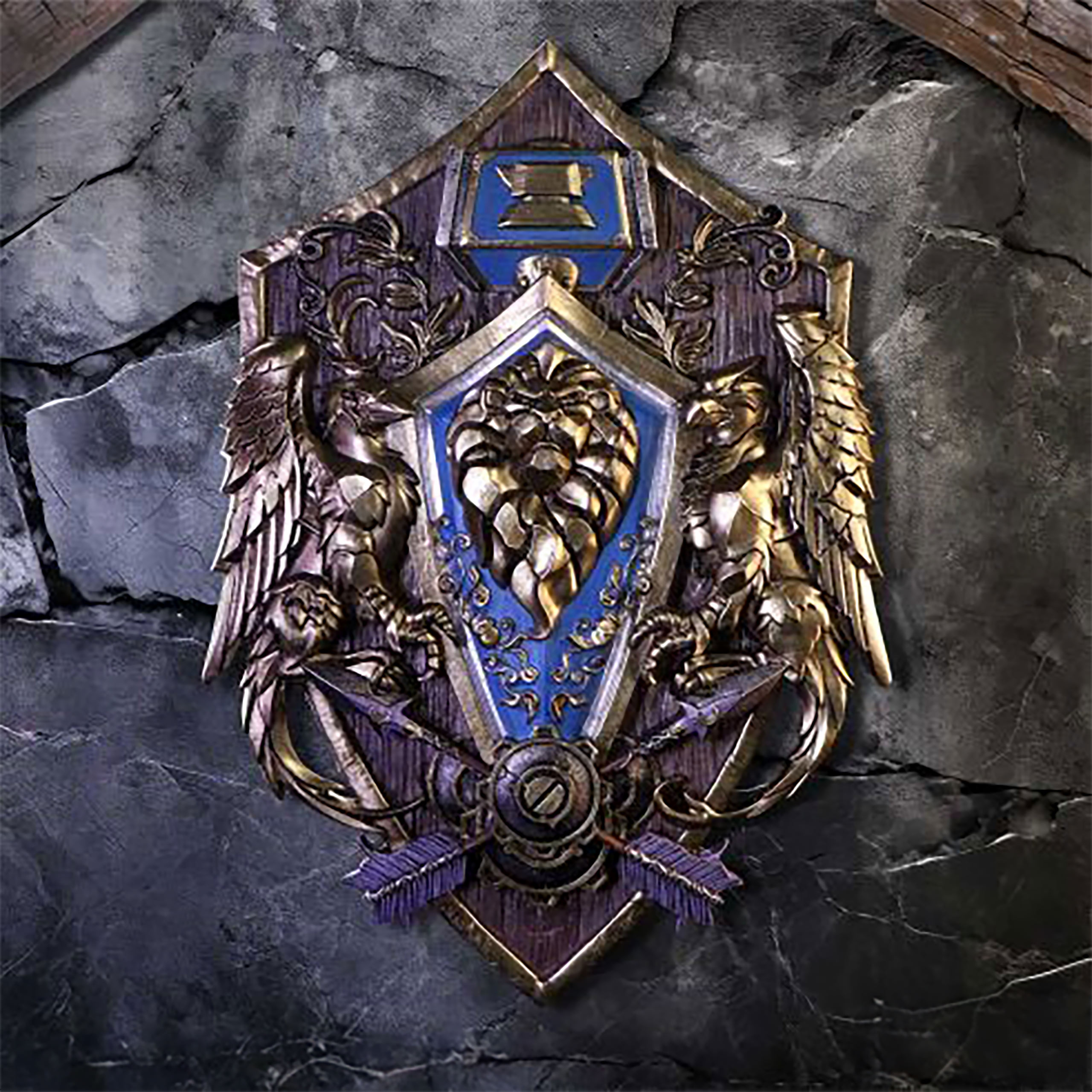
The murals collection brings large-format art to fan spaces, covering themes from fantasy realms to science fiction vistas. These pieces cater to collectors who want their environment to reflect their interests at scale — not as an accent, but as a defining feature of the room itself.
What goes well with this?
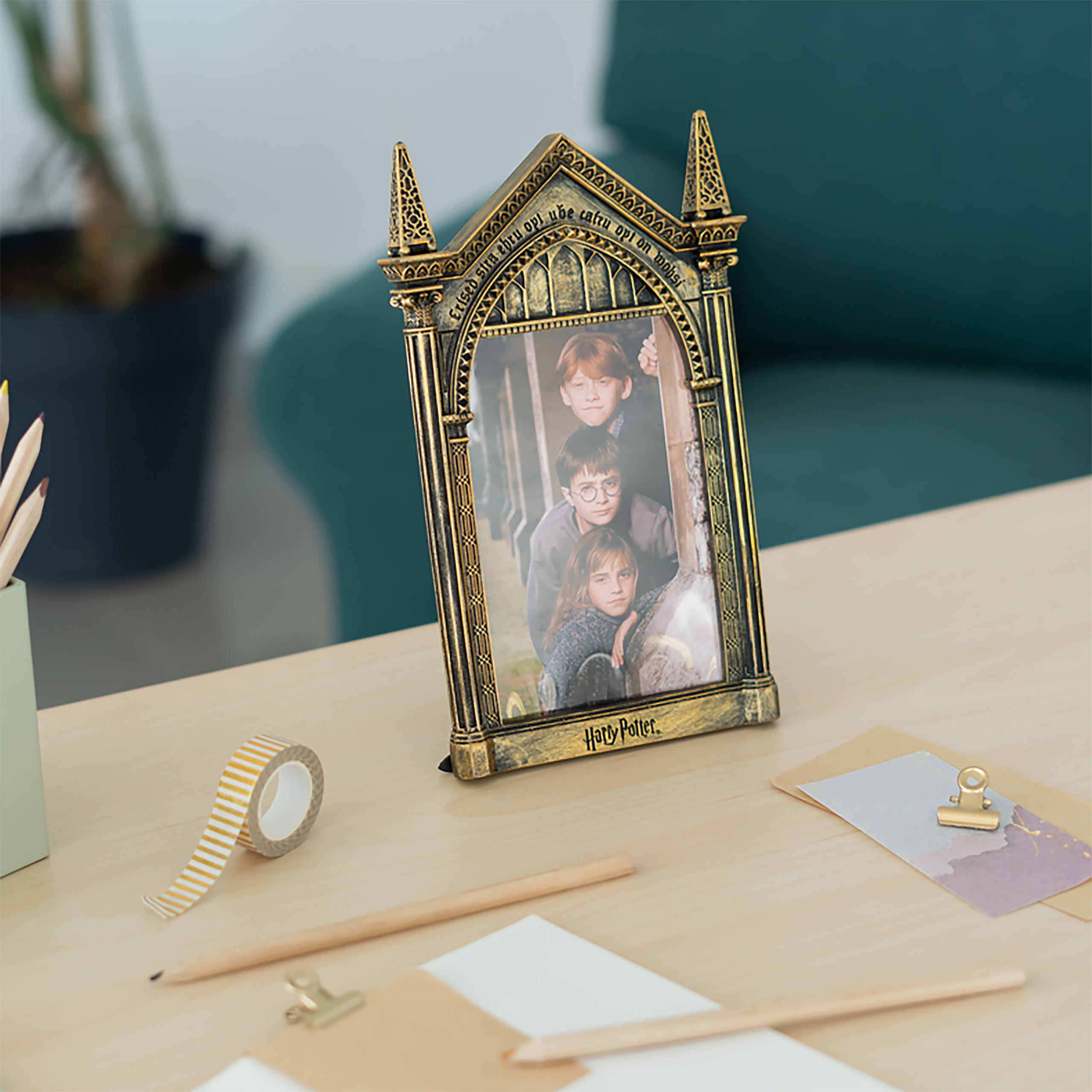
A mural sets the tone, but a room needs supporting players. Consider complementary lighting to highlight your chosen scene — dramatic art deserves dramatic illumination. Coordinating smaller decorative elements prevent the mural from feeling stranded: matching colour schemes in cushions, rugs, or shelf displays tie everything together. Just resist the urge to cover adjacent walls with competing visuals. Let the mural breathe. It's doing the heavy lifting.