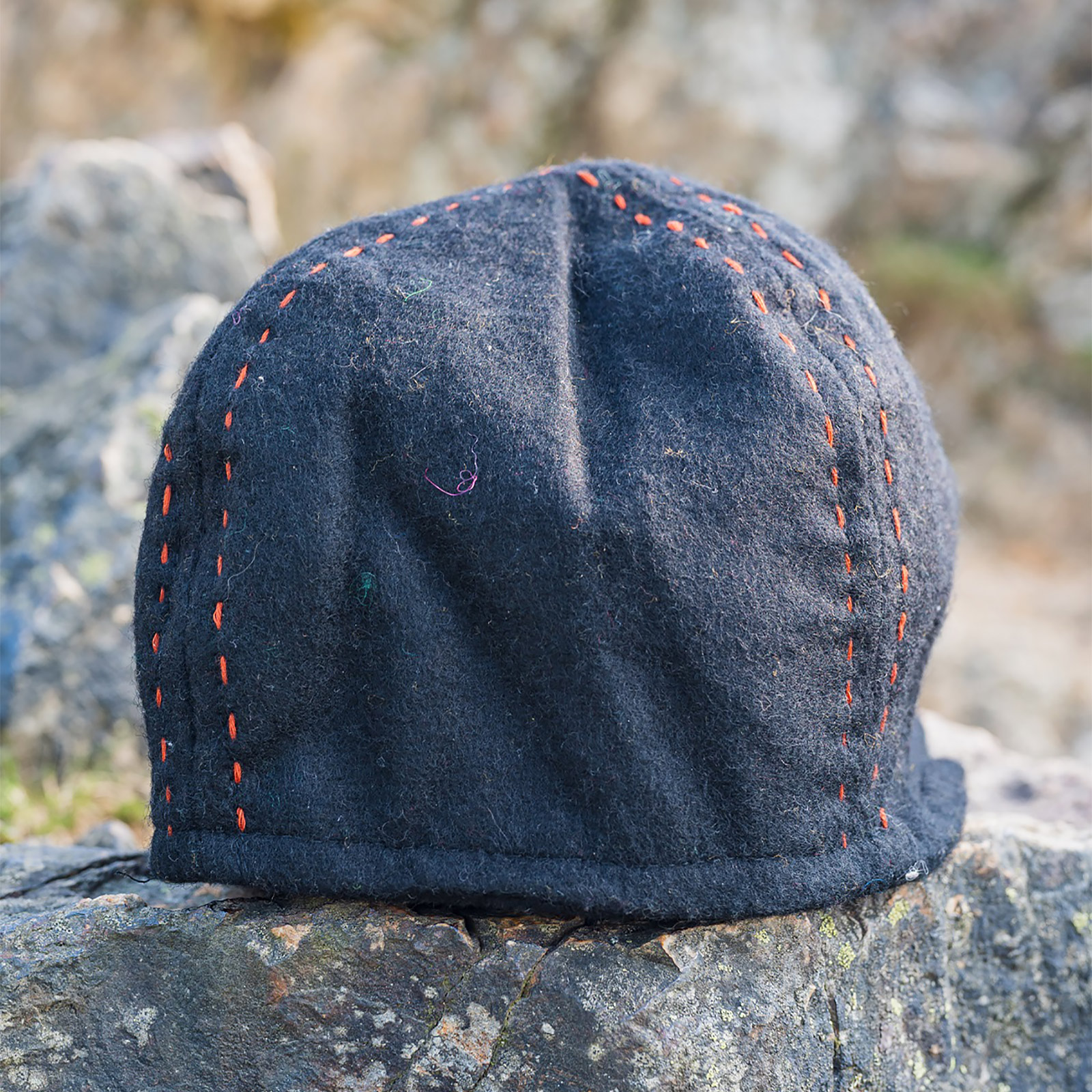
Medieval headgear – the crowning touch for historical characters
Nothing identifies a time traveller faster than bare-headed confusion at a medieval market. Your tunic fits, your boots look suitably worn, but something's off — and that something sits (or rather, doesn't sit) on your head. Medieval headgear solves this problem with style, transforming modern humans into convincing denizens of centuries past. It's the difference between wearing a costume and inhabiting a character.
What defines medieval headgear?
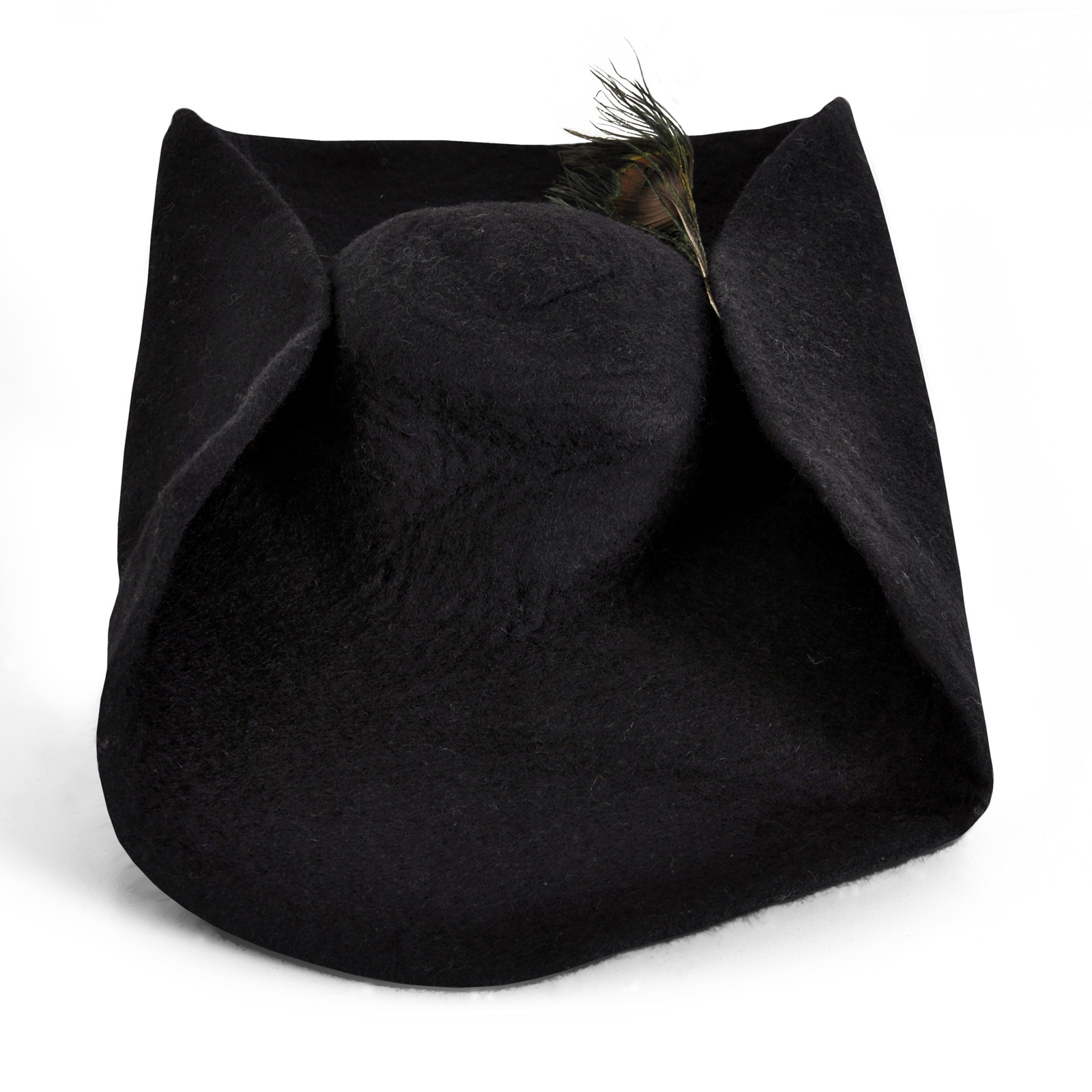
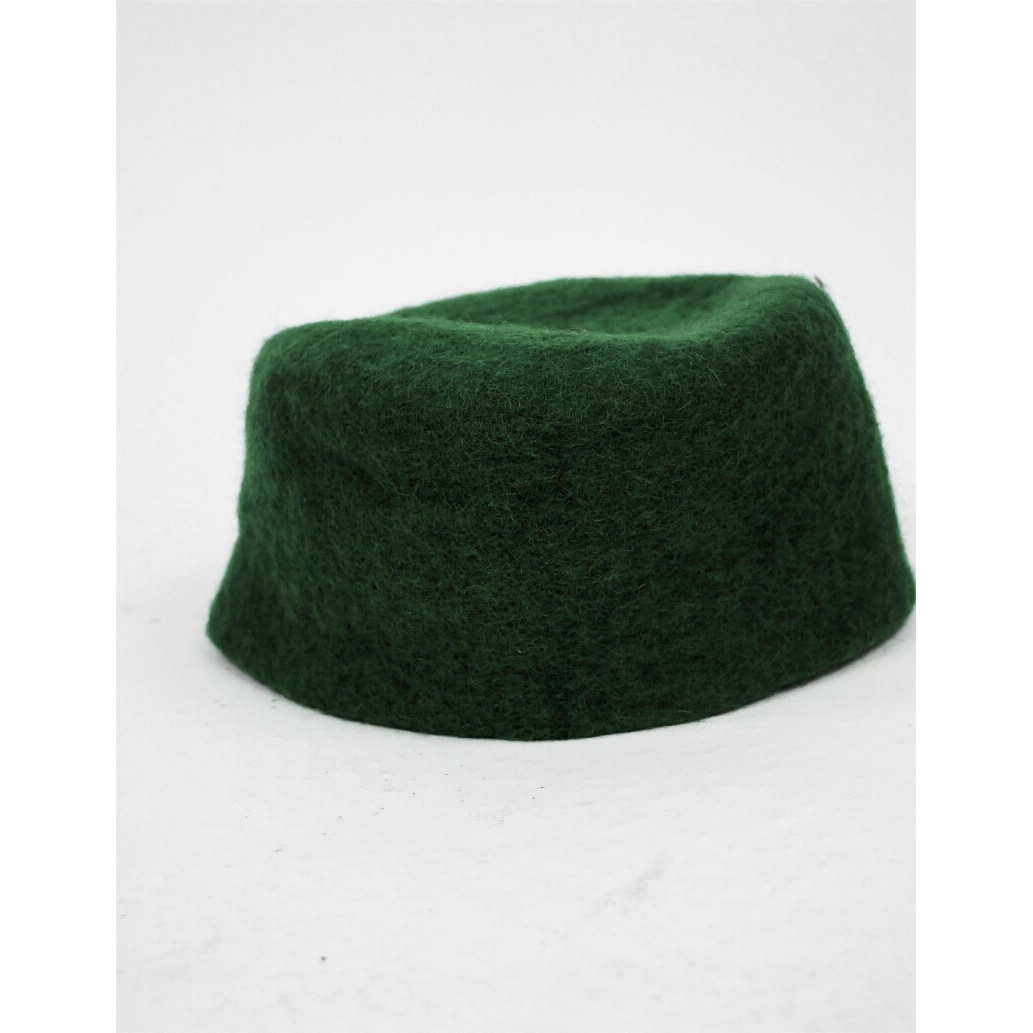
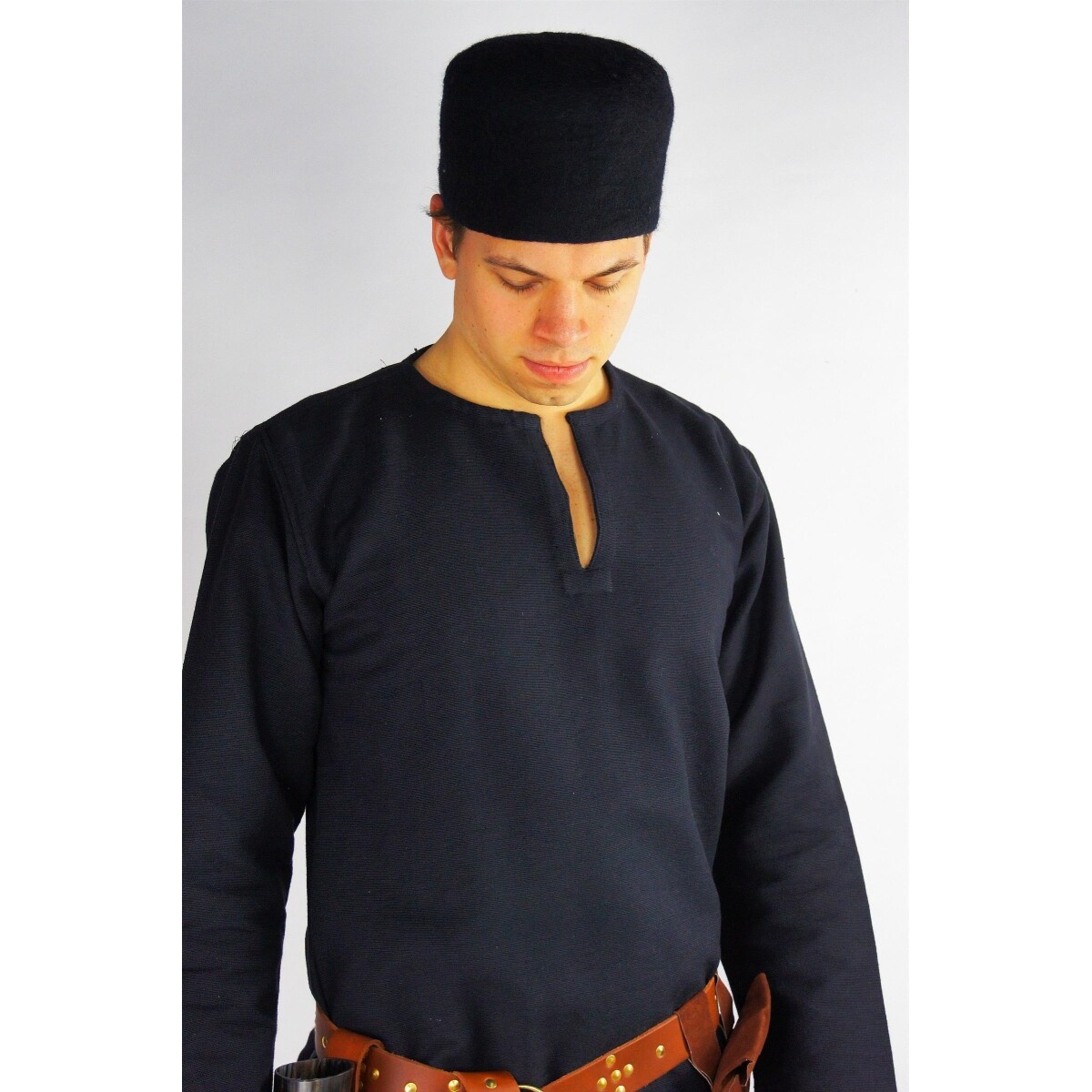
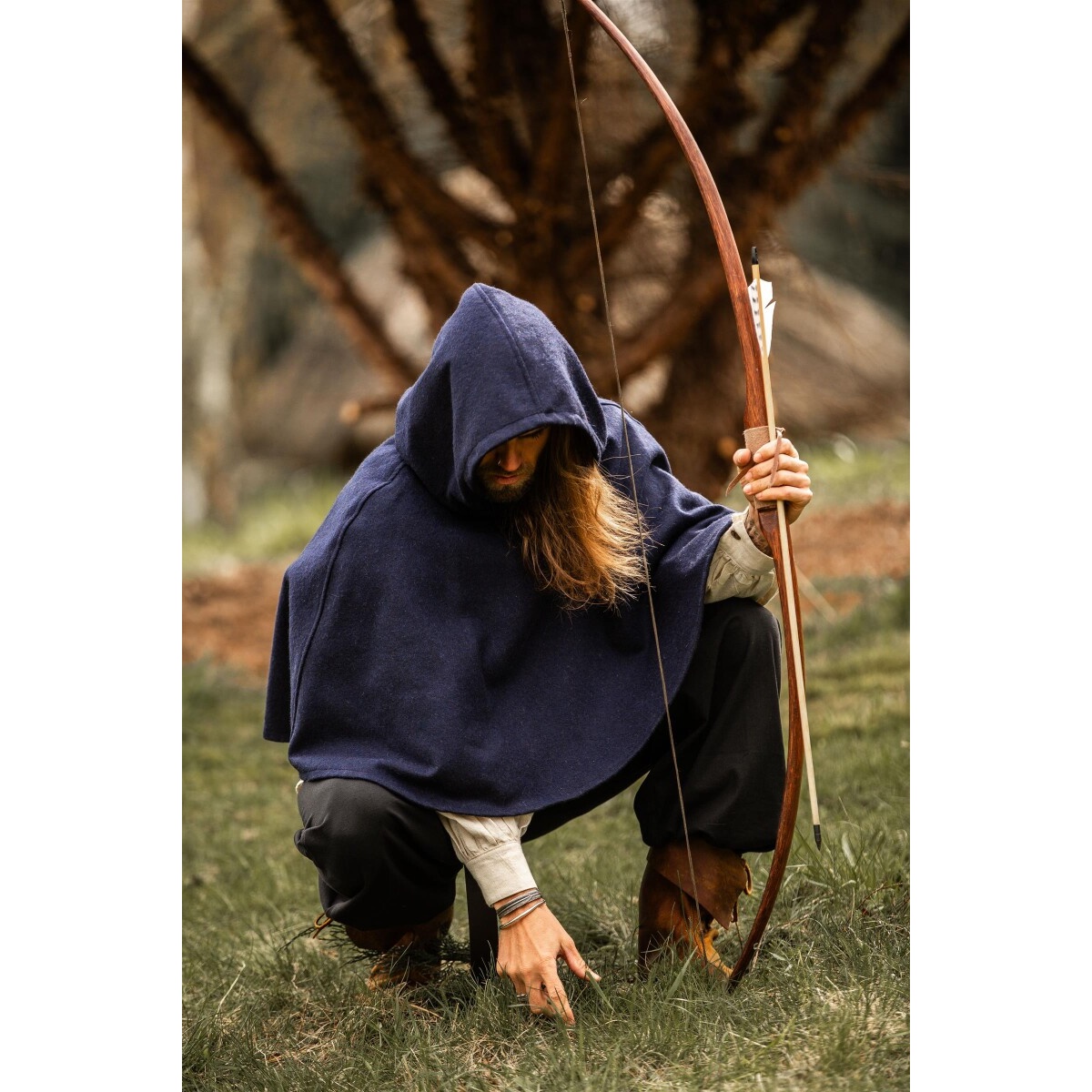
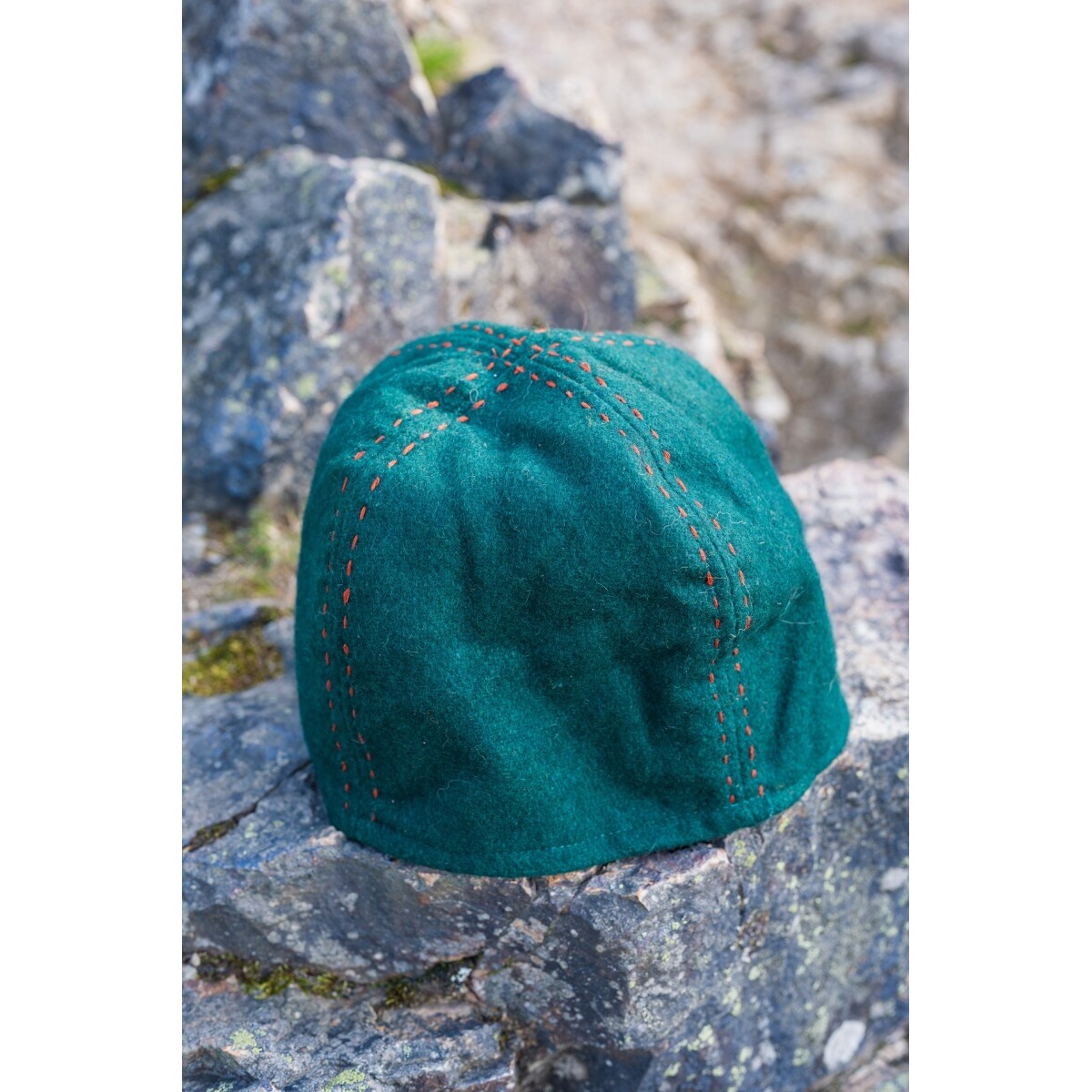
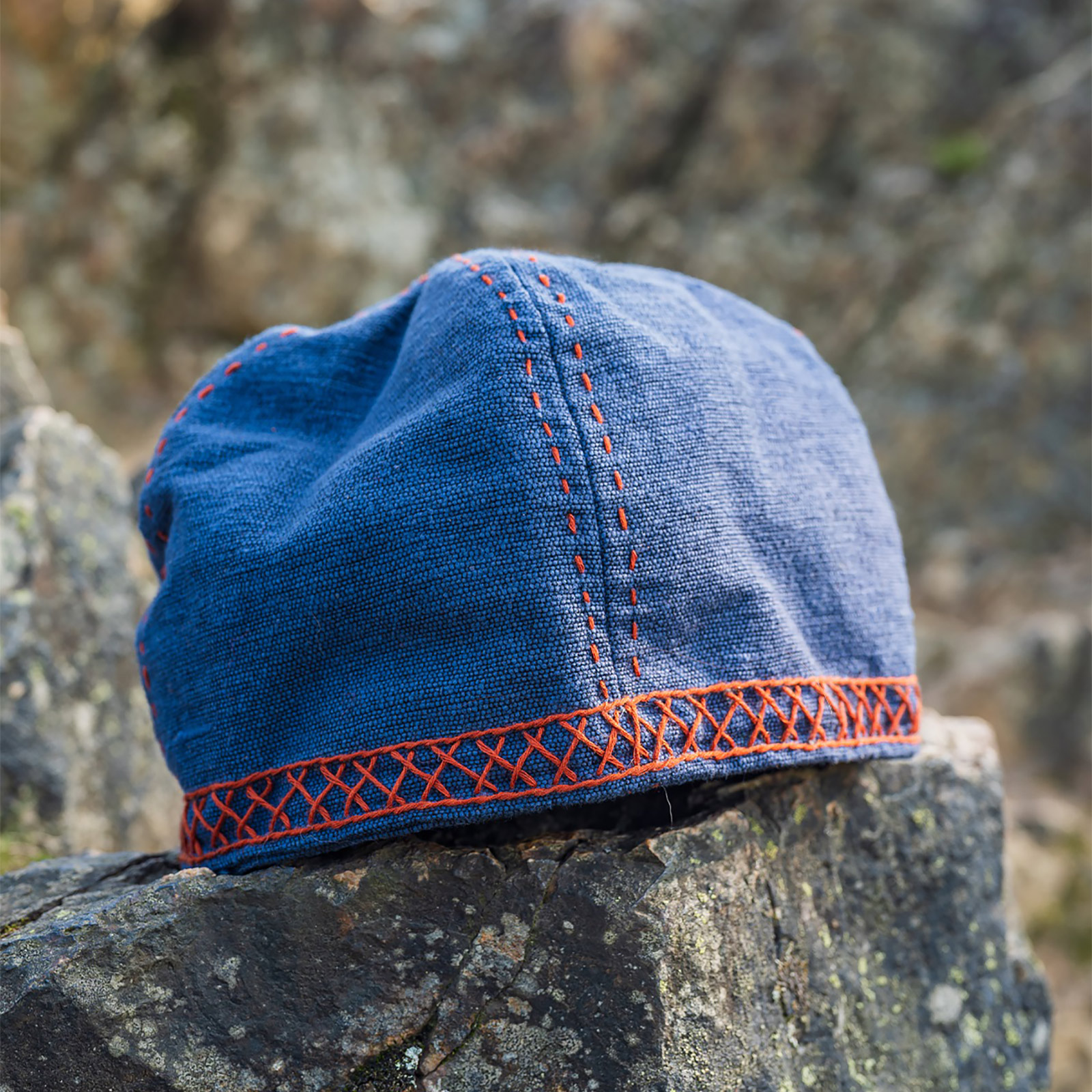
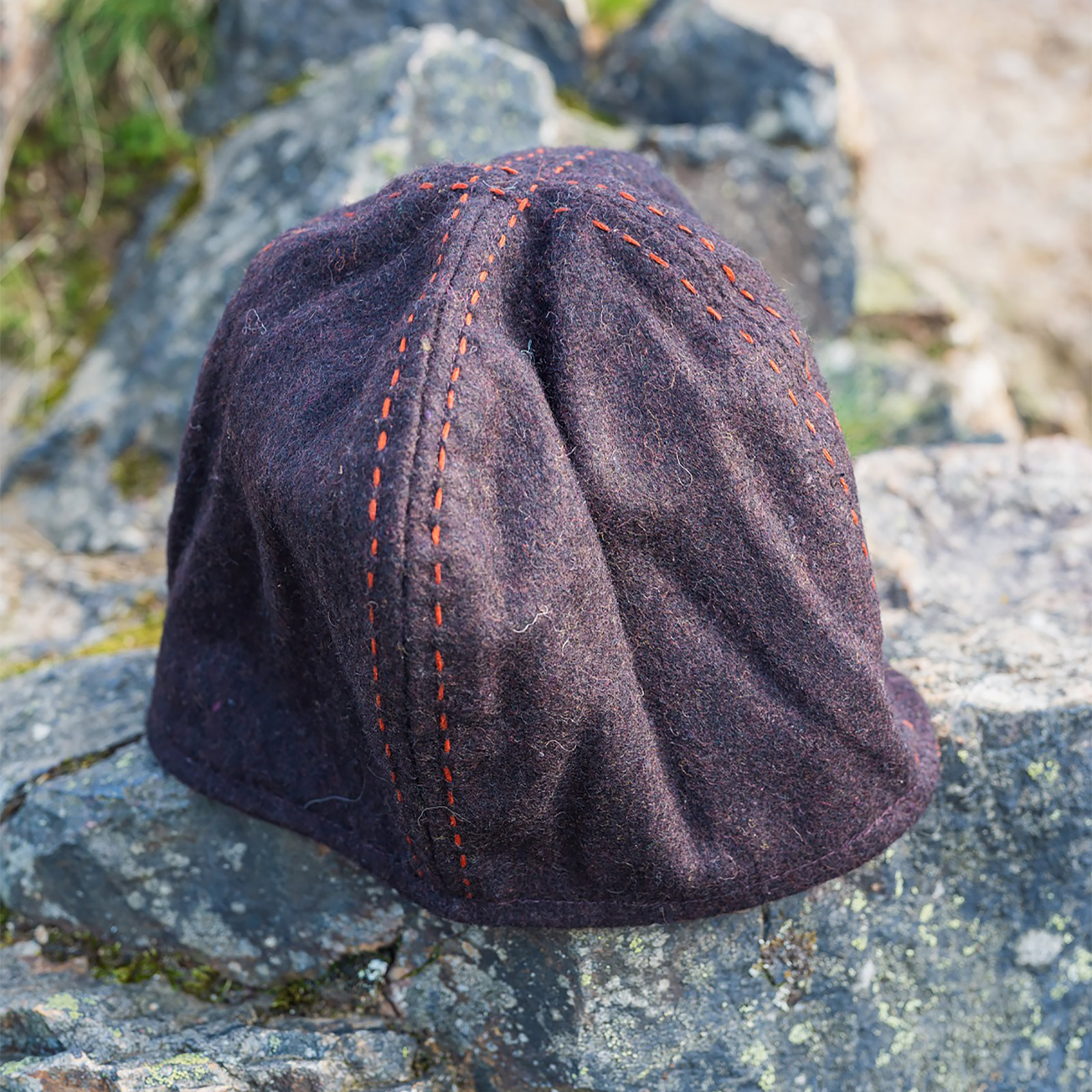
Medieval headgear encompasses the head coverings worn across Europe roughly from the 5th to the 15th century, though the term often extends to Renaissance-era pieces in modern costume contexts. Common forms include the coif (a close-fitting cap tied under the chin), hoods of various lengths and styles, chaperon arrangements, simple caps, and leather headpieces. Materials typically consisted of linen, wool, felt, or leather, depending on social status and function. Headwear in this period served practical purposes — warmth, sun protection, hygiene under helmets — while simultaneously communicating social rank, profession, and regional identity. For modern recreationists, these pieces complete historical outfits for LARP, Renaissance faires, historical reenactment, and theatrical productions.
Frequently asked questions
What medieval headgear suits a peasant character?
Simple linen or wool coifs work perfectly for peasant portrayals. These close-fitting caps were universal across medieval Europe, worn by farmers, craftspeople, and labourers of all kinds. A basic hood without elaborate liripipe or decoration also fits the humble aesthetic while offering weather protection.
Can medieval headgear be worn under a helmet?
Yes, and historically it almost always was. Padded coifs or arming caps cushion the head against metal helmets, absorb sweat, and prevent hair from catching in rivets or mail. A properly fitted coif significantly improves helmet comfort during extended wear at LARP battles or reenactment events.
How do I care for wool or linen headgear?
Hand wash in cool water with mild detergent, then reshape while damp and air dry flat. Avoid wringing wool pieces, which can distort their shape. Linen tolerates slightly warmer water and can handle gentle machine cycles if placed in a mesh bag. Store headgear away from direct sunlight to prevent fading.
Assortment overview
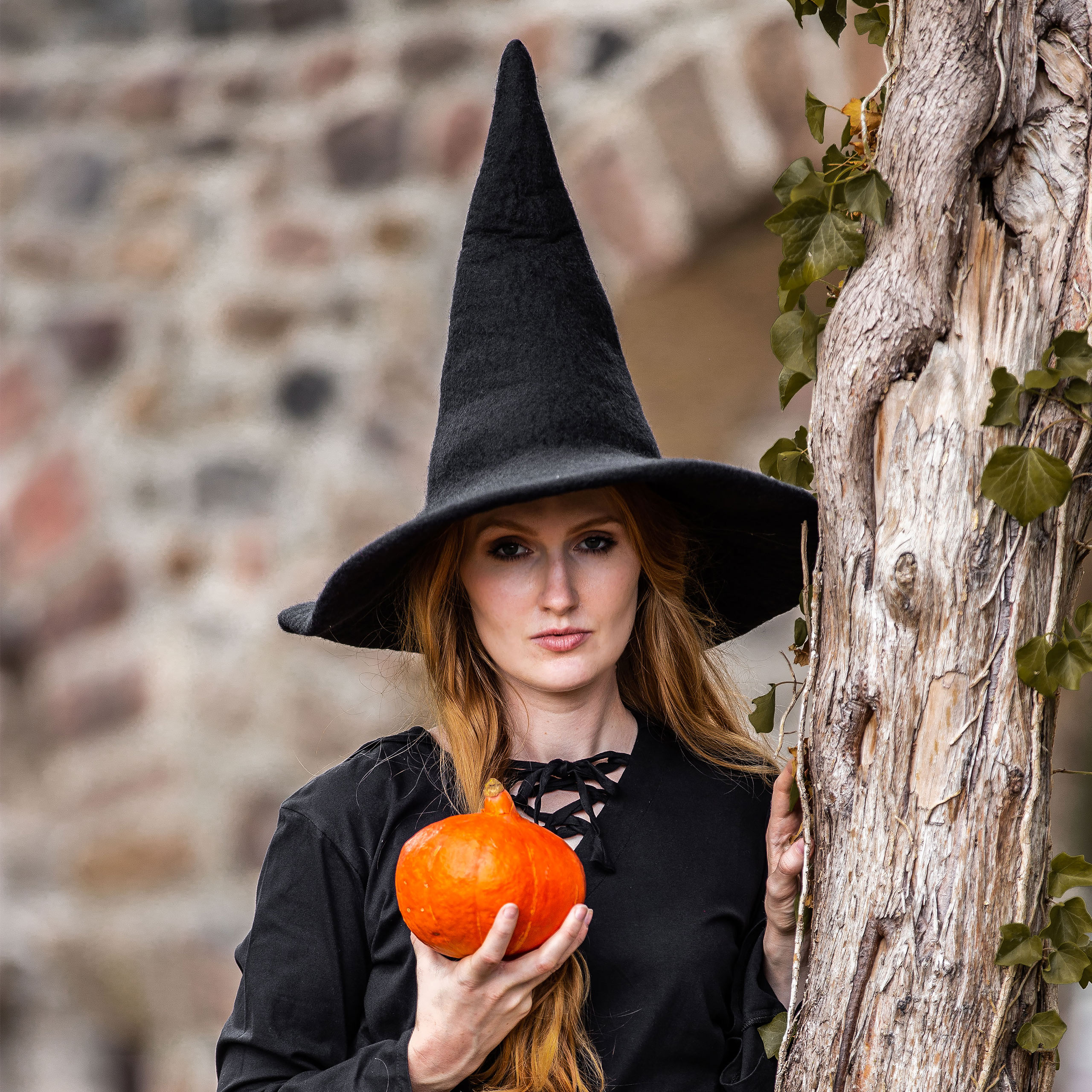
The medieval headgear collection includes pieces for characters across the social spectrum. Browse coifs and caps for everyday medieval looks, hoods and chaperon styles for more distinctive silhouettes, and padded options designed for comfortable helmet wear. Each piece brings historical authenticity to LARP events, Renaissance faires, and theatrical productions.
What goes well with this?
Medieval headgear pairs naturally with tunics, cloaks, and leather accessories to build complete historical ensembles. Consider matching your headwear colour to your main garments, or deliberately contrasting for characters who'd show off their wealth through variety. A coordinated kit — head to boots — makes all the difference when you're trying to convince someone you belong in another century.