Vests & Tunics – Dress Like the Middle Ages Had Better Tailors
There's something deeply satisfying about putting on a proper tunic. Maybe it's the connection to centuries of human history, or maybe it's just that they're surprisingly comfortable. Either way, you're in the right place if you want authentic-looking medieval garments that don't fall apart after one festival weekend. We've been outfitting LARP enthusiasts, reenactors, and renaissance faire regulars since 2000, so we know the difference between costume pieces and actual garments you can move, fight, and feast in.
What defines medieval vests and tunics?
The tunic is one of the oldest garment types in Western dress history, serving as the primary body covering from antiquity through the late medieval period. Characterised by its simple T-shaped or cruciform construction, the tunic consists of a body panel with attached sleeves, pulled over the head and typically reaching between mid-thigh and knee length. Historical tunics were made from linen, wool, or silk depending on the wearer's status, with decoration ranging from simple tablet-woven trim to elaborate embroidery.
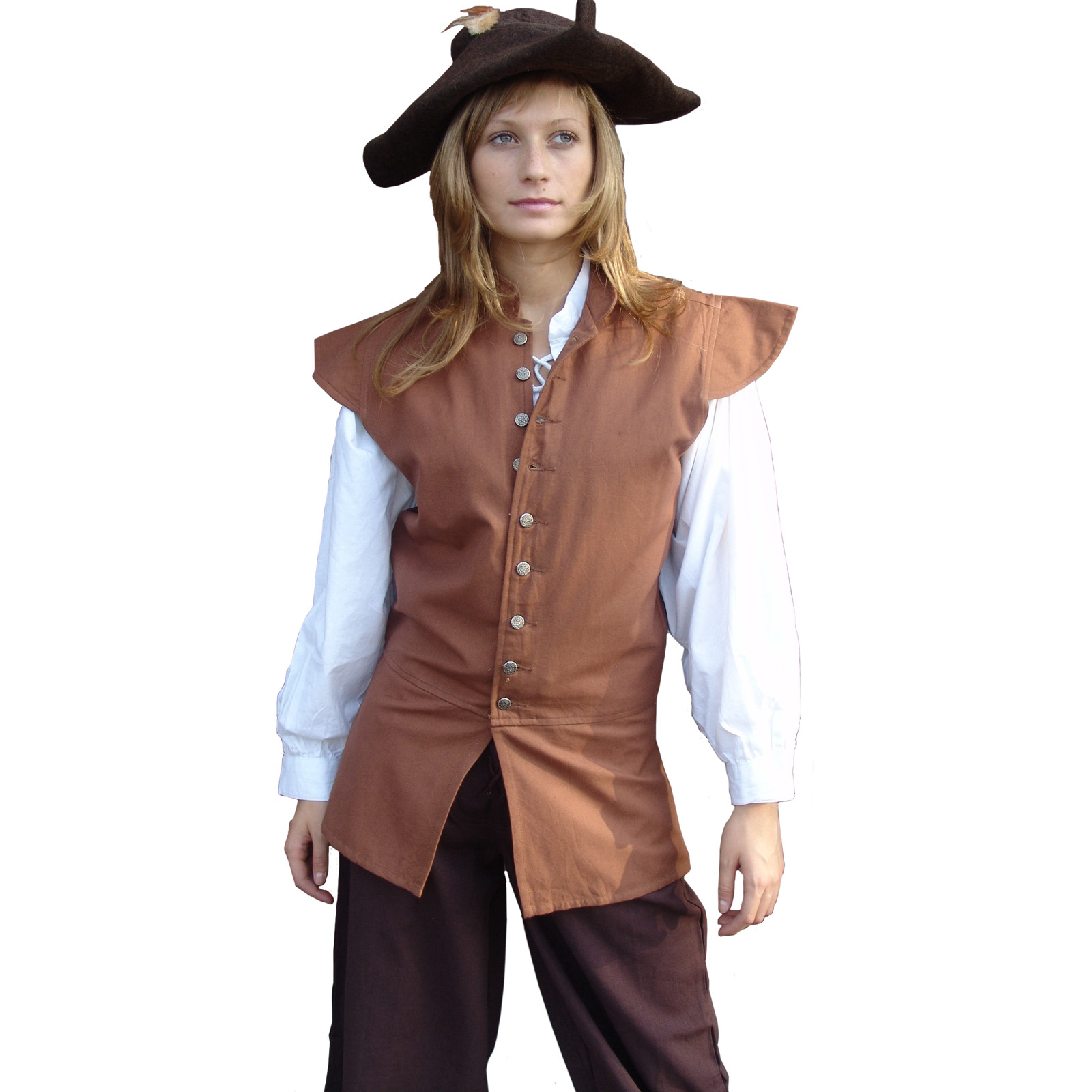
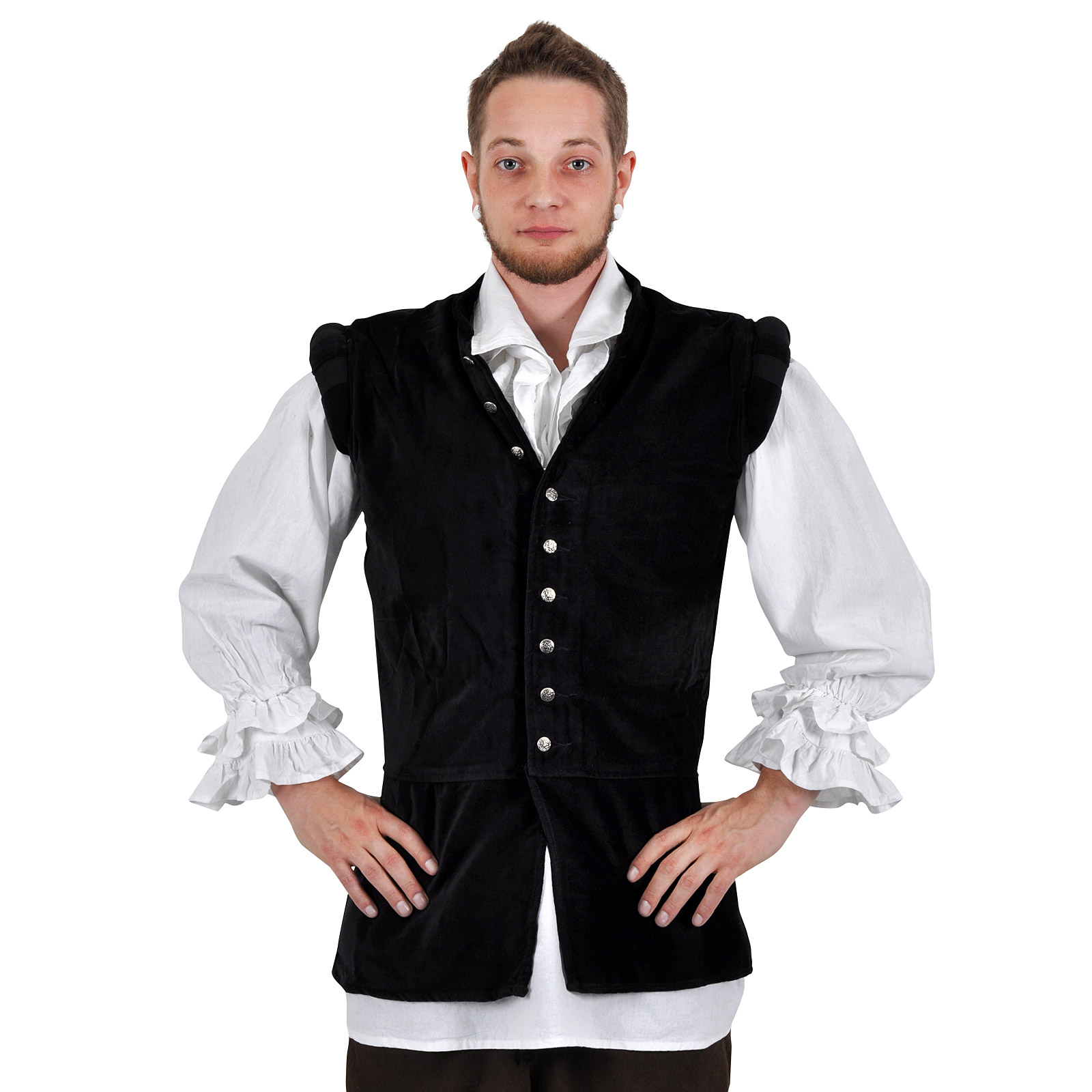
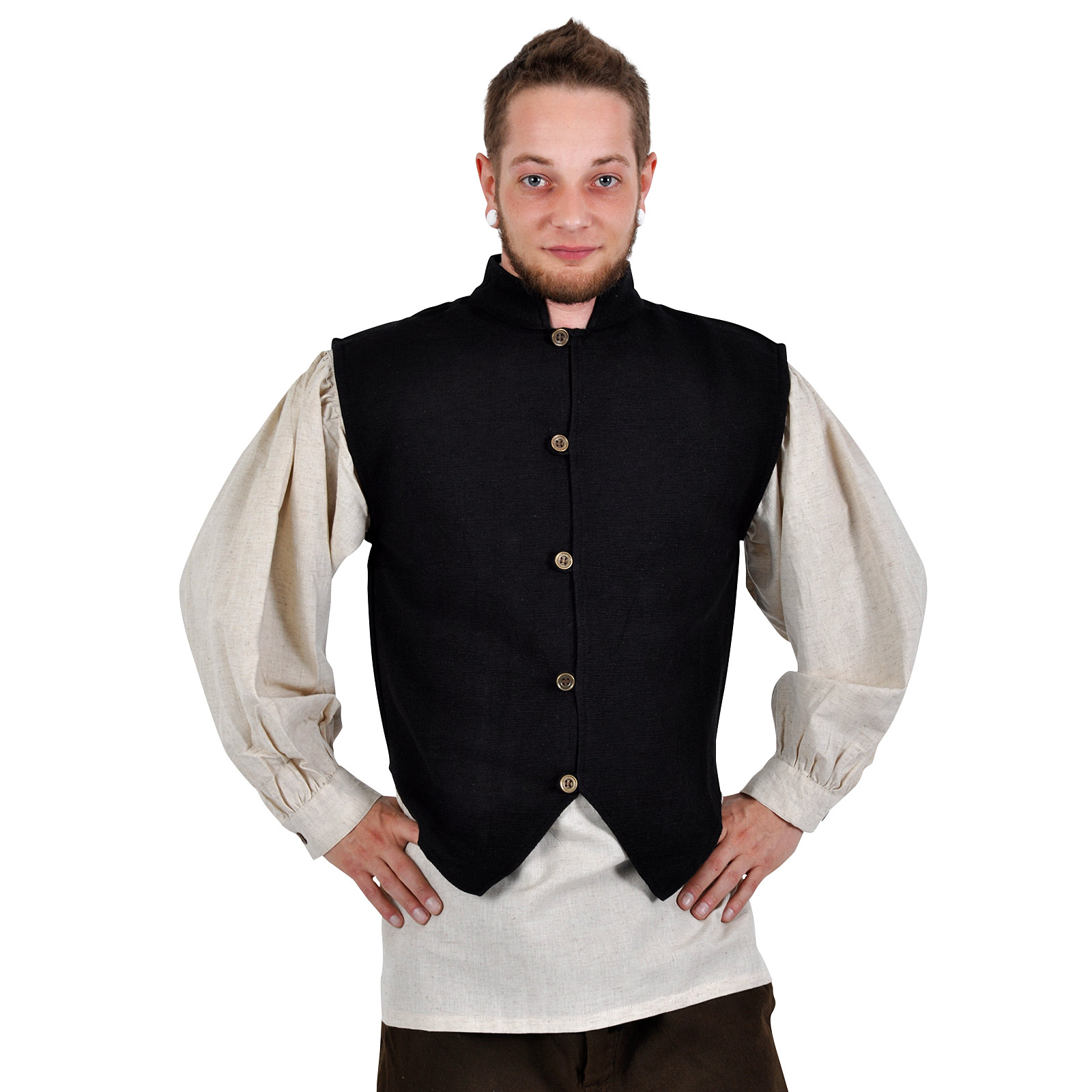
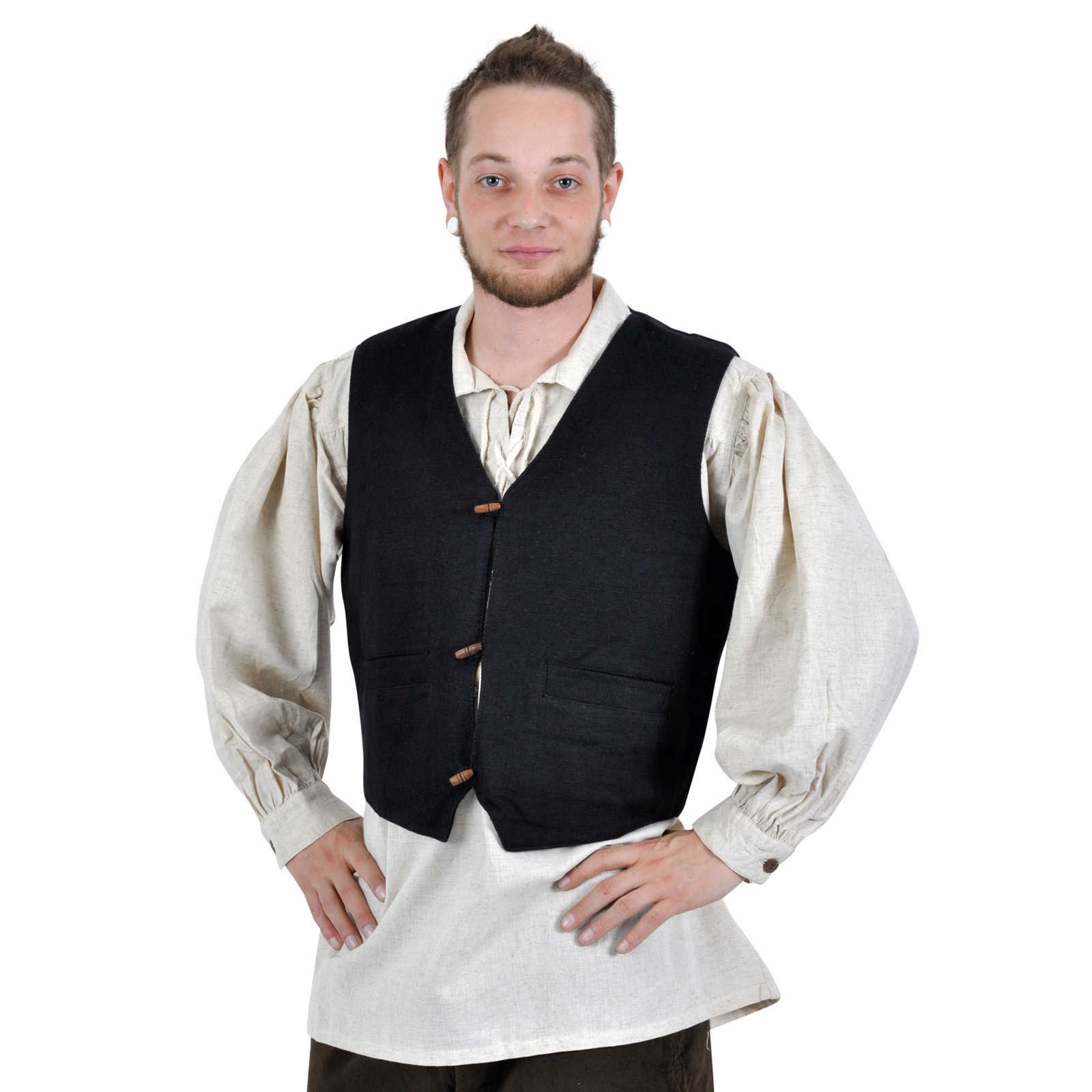
Medieval vests, sometimes called jerkins or doublets depending on the specific period and construction, emerged as outer garments worn over the tunic. These sleeveless or short-sleeved pieces provided additional warmth and served as status markers through their material and ornamentation. Leather vests indicated practical trades, while brocade or velvet versions signified wealth. Modern reproductions for LARP and reenactment maintain these visual distinctions while using contemporary construction techniques for durability.
Frequently asked questions
What materials are best for medieval tunics?
Linen works best for warmer conditions and as a base layer, offering breathability and historical accuracy. Cotton provides a budget-friendly alternative with similar properties. Wool tunics suit cooler weather and outdoor events, providing insulation even when damp. For high-status characters, look for pieces with silk accents or brocade trim.
How should a medieval tunic fit?
Traditional tunics fit loosely through the body with enough room for layering underneath. Length typically falls between mid-thigh and knee, depending on the historical period you're representing. The neckline should allow easy on-and-off without fastenings. When belted, the fabric should blouse slightly above the belt for an authentic silhouette.
Can these pieces be worn for different historical periods?
Many tunics and vests work across multiple eras due to the garment type's longevity in fashion history. A simple linen tunic suits Viking, early medieval, and high medieval settings equally well. Vests with specific detailing may be more period-locked — pointed fronts and elaborate closures read as later medieval or early Renaissance.
Assortment overview
Our medieval clothing selection includes tunics in various lengths, materials, and decoration levels to suit different character concepts and historical periods. Vests range from simple leather pieces for practical characters to ornate brocade options for nobility. Most items come in historically appropriate colours — natural linen tones, earthy browns, deep greens, and rich burgundies — though we also carry pieces in more fantastical colours for LARP settings that aren't bound by strict historical accuracy.
What goes well with this?
A tunic without trousers is technically a dress, so you'll want appropriate legwear — medieval-style trousers or hose complete the look from the waist down. Belts are essential both practically and aesthetically, cinching the tunic and providing attachment points for pouches and weapon frogs. For cooler weather or higher-status characters, consider adding a cloak or mantle. And don't forget the details that sell the whole ensemble: period-appropriate jewellery, leather accessories, and proper footwear transform a costume into a character.